
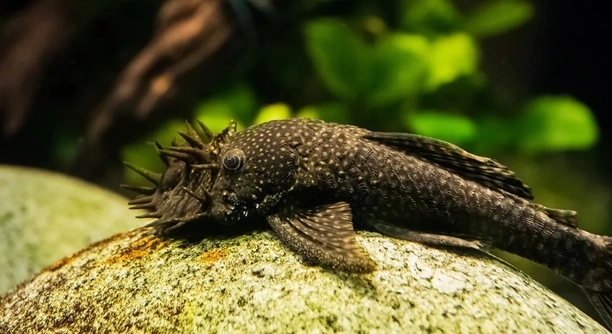
Keeping plecos in home aquariums can be rewarding, but they can sometimes show signs of stress that are easy to miss. Observing their behavior carefully helps ensure they stay healthy and comfortable in their environment.
Plecos may display subtle signs of stress such as reduced activity, hiding excessively, irregular eating habits, clamped fins, discoloration, rapid breathing, or unusual aggression. Recognizing these indicators early allows aquarists to adjust water conditions, diet, or tank setup to promote well-being.
Identifying these signs early is key to maintaining a thriving and balanced aquarium environment for your pleco.
Reduced Activity
When a pleco is stressed, one of the first things you might notice is a decrease in movement. Normally, plecos glide along tank surfaces or explore decorations. A stressed pleco may linger in one corner or stop swimming altogether. They may also spend long periods hiding under rocks or driftwood instead of actively foraging for food. Reduced activity can be subtle at first and easy to overlook, especially if you have other fish that are more active. Stress can be caused by poor water quality, sudden changes in temperature, or overcrowding. Even minor shifts in the aquarium environment, such as rearranging decorations or adding new fish, can trigger stress. Consistent observation is key to spotting changes early. A pleco that is less active than usual often needs attention to prevent long-term health problems. Providing a stable environment and proper tank care can encourage normal behavior.
Stress can make plecos inactive and withdrawn, signaling an issue with their tank or health.
Addressing the causes of reduced activity is essential. Check water parameters, temperature, and oxygen levels first. Ensure hiding spots are available, and avoid sudden changes in lighting or decorations. Proper diet and routine tank maintenance can improve their activity over time. Consistent monitoring helps detect early signs and ensures the pleco returns to its natural, lively behavior. Overcrowding can intensify stress, so consider tank size and compatible species carefully.
Clamped Fins
Clamped fins are another clear sign of stress in plecos.
This happens when the pleco keeps its fins pressed close to its body instead of fanning them out.
Fins are essential for balance and movement, and clamping often indicates discomfort or poor water conditions. It can result from high nitrate levels, low oxygen, or aggressive tankmates. Observing fin position during feeding or resting periods is useful. Clamped fins can also signal disease or injury, so examine the fish closely for other symptoms. Immediate action is required to prevent deterioration. Regular water changes, maintaining appropriate pH levels, and minimizing stressors are effective strategies. Providing a calm environment with adequate hiding spots and gentle water flow helps plecos relax and regain normal fin posture. Over time, attentive care can restore their natural, healthy appearance and reduce stress-related behaviors. Monitoring these signs ensures the pleco remains active and comfortable.
Irregular Eating Habits
Stressed plecos often eat less or ignore food entirely. They may nibble occasionally but refuse regular feeding schedules, showing a sudden change from their normal appetite.
Changes in eating behavior can indicate several underlying issues. Poor water quality, temperature fluctuations, or illness can reduce a pleco’s interest in food. Even minor stressors, like rearranging decorations or adding new tankmates, can affect appetite. Tracking their feeding patterns is important to notice these changes early. Providing a balanced diet and stable environment encourages normal eating. Observation over a few days can help determine whether the issue is temporary stress or a more serious problem requiring attention.
Persistent irregular eating can lead to weight loss, weaker immunity, and increased vulnerability to disease. Adjusting water parameters, maintaining proper tank hygiene, and offering a variety of foods like algae wafers or fresh vegetables can help the pleco regain a healthy appetite. Regular monitoring ensures early intervention.
Excessive Hiding
Plecos under stress will spend more time in hiding spots, avoiding open areas of the tank.
Excessive hiding is often a response to perceived threats or discomfort. While plecos naturally enjoy hiding, prolonged avoidance of open areas can indicate stress. Stressful conditions like aggressive tankmates, poor water quality, or sudden environmental changes trigger this behavior. They may remain in caves or under decorations for hours or days, rarely venturing out even during feeding times. Monitoring these hiding patterns helps identify environmental problems that need correction.
To reduce hiding behavior, ensure hiding spots are balanced with open swimming areas. Regularly check water parameters, maintain consistent lighting, and avoid abrupt changes to the tank layout. Introducing gentle water flow and keeping aggressive species separate can also encourage plecos to explore more freely. Patience and consistent care often help stressed plecos return to normal activity and feel secure in their habitat.
Discoloration
Stressed plecos may show changes in color, often appearing paler or duller than usual. This can happen gradually and may go unnoticed at first.
Color changes often reflect poor water conditions, illness, or prolonged stress. Monitoring water quality and maintaining stable conditions helps prevent these shifts.
Rapid Breathing
Rapid gill movement indicates the pleco is struggling to get enough oxygen.
This can result from low oxygen levels, poor water circulation, or excessive waste in the tank. Ensuring proper filtration, aeration, and clean water is essential to restore normal breathing.
Unusual Aggression
Plecos may display aggression toward tankmates or even their own reflection when stressed.
Aggressive behavior can stem from overcrowding, competition for food, or changes in the environment. Separating aggressive individuals and providing ample space and hiding spots can reduce stress and restore balance in the tank.
FAQ
What causes stress in plecos?
Stress in plecos is usually caused by environmental factors. Poor water quality, incorrect temperature, overcrowding, and sudden changes in tank setup can all trigger stress. Even minor disturbances like introducing new tankmates or altering decorations can make a pleco uneasy. Maintaining stable water parameters and a calm environment is essential.
How can I tell if my pleco is stressed?
Signs of stress include reduced activity, hiding excessively, clamped fins, irregular eating, discoloration, rapid breathing, and unusual aggression. Observing your pleco’s behavior over time allows you to spot subtle changes early. Paying attention to their normal routines makes it easier to identify stress.
Can poor water quality really affect my pleco’s health?
Absolutely. High ammonia, nitrite, or nitrate levels, as well as improper pH, can severely stress a pleco. Contaminated water affects breathing, appetite, and overall health. Regular water testing and changes are crucial to prevent illness and maintain a safe environment.
How often should I check water parameters?
Ideally, test water at least once a week. Temperature, pH, ammonia, nitrite, and nitrate levels are key. Consistency helps detect problems early. Immediate adjustments when levels are off can prevent stress and long-term health issues for your pleco.
Do plecos need hiding spots?
Yes, hiding spots are essential. Caves, driftwood, and plants provide security. Stressed plecos use these areas to feel safe. Too few hiding spaces can lead to excessive stress, while enough spots encourage natural behavior and reduce aggression.
What diet helps reduce stress?
A balanced diet of algae wafers, fresh vegetables, and occasional protein ensures plecos stay healthy. Poor nutrition weakens their immune system and increases stress susceptibility. Offering a variety of foods helps maintain energy and encourages regular feeding habits.
How can I reduce aggression in my tank?
Aggression often arises from overcrowding or competition for resources. Providing enough space, hiding spots, and multiple feeding areas reduces stress-induced fighting. Separating aggressive individuals may be necessary to maintain peace and protect stressed plecos.
Can temperature changes cause stress?
Yes. Sudden drops or spikes in temperature disrupt a pleco’s metabolism and behavior. Keeping the water within a consistent range suitable for the species is important. Using a reliable heater and thermometer helps maintain stable conditions and minimizes stress.
Is it normal for plecos to hide a lot?
While some hiding is natural, excessive hiding signals stress. Monitor behavior and water conditions to ensure the environment is comfortable. Adequate space, proper lighting, and consistent routines encourage a healthy balance between hiding and active exploration.
How long does it take for a stressed pleco to recover?
Recovery time depends on the cause of stress and how quickly it’s addressed. With stable water, proper diet, and reduced environmental stressors, plecos can return to normal behavior within a few days to weeks. Ongoing observation ensures long-term well-being and prevents relapses.
Can introducing new tankmates stress a pleco?
Yes. New fish can trigger territorial behavior or fear in plecos. Gradual introductions, separate acclimation, and providing plenty of hiding spots help reduce stress. Monitoring interactions during the first few days is essential to prevent injuries and aggression.
Are there signs of illness that look like stress?
Some illnesses mimic stress behaviors, like clamped fins, reduced activity, or loss of appetite. Observing other signs, such as lesions, abnormal swimming, or color changes, helps differentiate between stress and disease. Prompt intervention is key for health and recovery.
How important is tank size for preventing stress?
Tank size directly affects stress levels. Overcrowded tanks limit movement and increase aggression, while adequately sized tanks allow exploration, proper territory, and hiding spots. Choosing a tank suitable for your pleco’s adult size ensures comfort and reduces long-term stress.
Does water flow affect stress in plecos?
Yes. Plecos prefer moderate water flow. Too strong a current can exhaust them, while stagnant water reduces oxygen levels. Adjusting flow to match natural conditions helps plecos feel comfortable and minimizes stress-related behaviors.
What role does lighting play in stress?
Bright or inconsistent lighting can make plecos hide excessively or become agitated. Providing areas of shade, subdued lighting, and consistent light cycles supports natural behavior and reduces stress in the tank environment.
How can I prevent future stress?
Maintaining clean water, stable temperatures, adequate hiding spots, a balanced diet, and compatible tankmates prevents stress. Observing behavior and acting promptly on early signs ensures plecos remain healthy and active. Preventive care is more effective than correcting problems after they occur.
What should I do if stress persists?
Persistent stress may indicate unresolved environmental issues or illness. Reassess water quality, tank setup, diet, and tankmates. Consulting a veterinarian or experienced aquarist can provide guidance and ensure proper treatment. Consistent care and attention are essential to restore the pleco’s health.
Can stress affect lifespan?
Chronic stress weakens the immune system, making plecos more susceptible to disease and shortening lifespan. Minimizing stress through proper care, stable conditions, and attentive observation supports longevity and a healthier life in captivity.
Are there behavioral signs that indicate recovery?
Active swimming, normal feeding, vibrant coloration, and relaxed fins indicate recovery. Reduced hiding and social interaction with tankmates also signal improved well-being. Tracking these positive behaviors helps confirm that interventions are working effectively.
Does stress impact breeding in plecos?
Yes. Stressed plecos are less likely to breed. Providing a stable environment, proper nutrition, hiding spots, and low-stress conditions encourages natural reproductive behavior and improves success rates for breeding.
How do I know if my pleco is comfortable in its tank?
A comfortable pleco explores, feeds regularly, displays vibrant colors, and occasionally rests in the open. Balanced hiding and active behavior indicate a stable and low-stress environment, confirming that tank conditions support their well-being.
Final Thoughts
Caring for a pleco involves more than simply keeping them in a tank with water and food. These fish are sensitive to their surroundings, and small changes can have a significant impact on their well-being. Observing their behavior closely is the most effective way to identify stress early. Reduced activity, clamped fins, irregular eating, excessive hiding, discoloration, rapid breathing, and unusual aggression are all indicators that something in the environment may need adjustment. By recognizing these subtle signs, aquarists can take steps to improve water quality, adjust tank conditions, and provide a more secure and stable habitat for their plecos. Consistent care and observation allow for a healthier, more comfortable life for the fish.
Maintaining proper water parameters is one of the most important aspects of preventing stress in plecos. Temperature, pH, ammonia, nitrite, and nitrate levels must be monitored regularly to ensure a safe environment. Filtration, aeration, and routine water changes help keep the tank clean and oxygenated, which reduces stress and prevents illness. Providing hiding spots such as caves, driftwood, and plants gives plecos a sense of security and allows them to exhibit natural behavior. A balanced diet of algae wafers, fresh vegetables, and occasional protein supports physical health and encourages normal feeding habits. Small adjustments, such as moderating water flow and maintaining consistent lighting, can also make a big difference in how comfortable the fish feels in its environment.
Stress in plecos can affect their overall health and longevity if left unaddressed. Chronic stress weakens their immune system, reduces appetite, and can increase vulnerability to disease. Taking proactive steps to minimize stress, such as avoiding overcrowding, monitoring interactions with tankmates, and gradually introducing changes, can prevent many problems. Observing recovery signs like normal activity, vibrant coloration, and relaxed fins helps confirm that interventions are effective. By keeping the tank stable and providing attentive care, plecos are more likely to thrive, exhibit natural behavior, and live a longer, healthier life. Understanding and responding to stress not only protects their health but also creates a more balanced and enjoyable aquarium experience overall.

Hello,
If you enjoy the content that we create, please consider saying a "Thank You!" by leaving a tip.
Every little bit helps us continue crafting quality advice that supports the health, happiness, and well-being of pets around the world, for pets of all shapes, sizes, and species.
We really appreciate the kindness and support that you show us!