
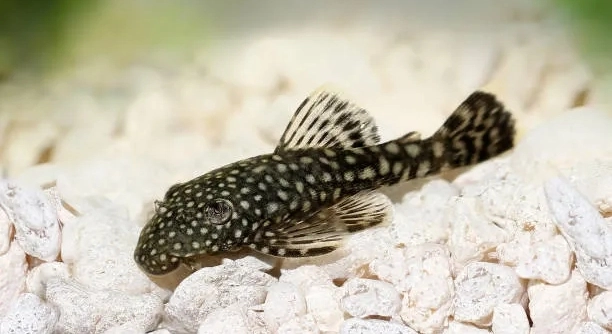
Are your plecos spending all their time near the bottom of the tank instead of coming up to the surface like they used to?
Plecos often avoid the surface due to their nocturnal nature, oxygen levels, or water quality. These fish are bottom-dwellers by instinct, preferring shaded, calm areas. However, poor aeration or high stress can further discourage surface activity.
Understanding these behaviors can help you maintain a healthy environment and ensure your pleco feels comfortable in every part of its aquatic home.
Understanding Why Plecos Avoid the Surface
Plecos are naturally shy, bottom-dwelling fish that prefer staying close to structures, plants, or the substrate. Their behavior is shaped by their instincts, as they often seek dark, calm areas where they feel safe. When plecos avoid the surface entirely, it usually points to environmental factors affecting their comfort. Low oxygen levels, strong water currents, or bright lighting can make them feel uneasy near the top. Additionally, if the tank has poor water quality, such as high ammonia or nitrate levels, plecos may choose to remain at the bottom where they sense more stability and security. Paying attention to these subtle signs helps prevent potential health issues and ensures they remain active and healthy in their habitat.
When plecos continuously avoid the surface, it’s important to assess tank conditions, lighting, and water movement. Small environmental changes can make a noticeable difference in their overall comfort and activity.
Proper tank setup plays a key role in their behavior. Providing sufficient hiding spots, stable water parameters, and proper filtration can encourage a more balanced activity pattern. Adjusting aeration to maintain oxygen circulation and dimming bright lights can also help them feel safer exploring higher levels of the tank without stress or discomfort.
Steps to Encourage Surface Activity
To help plecos feel more at ease near the surface, start by checking the water quality. Ensure ammonia and nitrate levels remain low, and maintain a consistent temperature within their preferred range. Good filtration and oxygenation are essential for keeping the water balanced and breathable.
A well-structured environment can also influence how your pleco behaves. Adding driftwood, plants, and caves helps mimic their natural habitat, offering shade and protection. Consider using an air stone or sponge filter to improve oxygen exchange, especially if the tank is heavily stocked. Avoid using harsh lighting, as plecos prefer dim settings. Feeding at night, when they’re most active, encourages natural behavior and reduces stress. Over time, these adjustments promote a more confident, comfortable fish. A calm, well-maintained tank allows them to explore freely, even approaching the surface when they feel secure and unbothered by bright light or poor water conditions.
Common Mistakes to Avoid
Many pleco owners overlook small details that significantly impact their fish’s comfort. Overfeeding, excessive lighting, and infrequent water changes are among the most common issues that discourage plecos from exploring higher areas of the tank.
Overfeeding can cause food waste and poor water quality, leading to higher ammonia levels that stress plecos. Bright lighting can also make them feel exposed, as they prefer shaded, dim environments. Skipping regular water changes further worsens these conditions, reducing oxygen levels and making the surface less inviting. Maintaining a clean tank and moderate feeding schedule ensures healthier water and encourages natural behavior.
It’s also important to avoid overcrowding. Too many tankmates can increase stress and competition for space, making plecos retreat even more. Keep tank mates peaceful and compatible. Regularly monitoring oxygen circulation and filter performance can make a big difference in helping plecos feel secure and willing to move around.
Improving Water Conditions
Maintaining stable, clean water is crucial for plecos’ well-being. Frequent testing helps monitor pH, ammonia, nitrite, and nitrate levels. Plecos thrive in slightly acidic to neutral water with minimal fluctuations. Proper aeration ensures oxygen reaches every area, preventing them from avoiding the surface due to low oxygen.
Perform partial water changes weekly to remove waste buildup and replenish oxygen. Use a reliable filter system suitable for the tank size, ensuring consistent water flow without strong currents. Adding live plants can naturally improve oxygen exchange and reduce toxins. Monitoring temperature stability prevents stress from sudden changes. Keeping lighting moderate and providing shaded areas supports their nocturnal tendencies, allowing them to explore more comfortably. With consistent maintenance and care, plecos become more active, healthier, and confident within their environment, even venturing toward the surface when they feel safe and conditions remain optimal.
Observing Behavior Changes
Paying attention to subtle changes in your pleco’s movement and activity helps identify potential stress or discomfort. If your pleco becomes unusually still or hides constantly, it might be reacting to poor water quality, sudden lighting shifts, or temperature changes within the tank.
Watch their feeding habits closely. A decrease in appetite or avoiding specific foods can signal health issues or stress. Plecos are sensitive to environmental disruptions, so maintaining consistency in lighting, feeding time, and water parameters helps them feel secure. Small behavioral changes often reflect early signs of larger problems in their habitat.
Adjusting Feeding Habits
Feeding plecos properly supports both their health and behavior. Offer sinking pellets, algae wafers, and fresh vegetables like zucchini or cucumber to keep them nourished. Feed in the evening or at night, matching their nocturnal tendencies. Overfeeding can cloud water and reduce oxygen, discouraging them from exploring. Maintaining a steady feeding schedule prevents waste buildup and ensures water stays clean. This routine encourages them to remain active and comfortable, possibly visiting the surface when they feel secure and content in their surroundings.
Creating a Comfortable Environment
A peaceful environment encourages plecos to explore beyond their hiding spots. Include natural decorations like driftwood and smooth stones to mimic their habitat. Balanced lighting, stable temperatures, and proper filtration keep the tank calm, allowing your pleco to move freely and show more natural, confident behavior.
FAQ
Why do plecos stay at the bottom of the tank?
Plecos naturally stay near the bottom because it resembles their habitat in the wild. They are bottom-dwelling fish that feed on algae and detritus, which are found on surfaces like rocks and driftwood. The bottom provides safety and darkness, both of which help them feel secure. Staying low also keeps them away from bright light and strong surface movement, which can be stressful. If your pleco rarely moves from the bottom, it’s likely just following its natural instincts rather than signaling a problem—unless water conditions are poor or oxygen levels are too low.
What does it mean if my pleco never goes to the surface?
It’s usually normal if your pleco avoids the surface. Plecos breathe primarily through their gills, so they don’t need to surface for air unless oxygen levels drop too low. However, if your pleco completely avoids the upper areas and shows signs of stress, such as clamped fins or unusual stillness, check oxygen circulation and water quality. Low oxygen, high nitrate, or poor filtration can cause them to retreat to areas where they feel more comfortable. Proper aeration and clean water help maintain balanced behavior throughout the tank.
Is it bad if my pleco goes to the surface often?
Frequent surface visits can indicate oxygen deficiency or water issues. While plecos occasionally rise to gulp air, doing so repeatedly often signals trouble. This behavior usually occurs when oxygen levels are too low or ammonia levels are high. It’s important to test your water parameters right away and increase aeration if necessary. Installing an air stone or improving surface agitation with a filter outlet can quickly help. Once oxygen levels are restored and water conditions stabilize, your pleco should return to normal bottom-dwelling behavior.
How can I increase oxygen levels in my pleco’s tank?
Improving oxygen is simple and effective. Start by adding an air stone or bubble wand to boost circulation. Adjust your filter’s outflow to create gentle surface movement without strong currents. Performing regular partial water changes also helps maintain oxygen balance. If your tank is heavily stocked, ensure each fish has enough swimming space, as overcrowding depletes oxygen quickly. Keeping the temperature stable and avoiding overfeeding further supports healthy oxygen levels. Clean water with consistent flow helps plecos breathe comfortably and reduces their need to seek air at the surface.
Do plecos need light to be active?
Plecos are nocturnal and prefer dim environments. Bright lighting can make them hide during the day, staying close to shaded or covered areas. They become more active when the lights are low or off. Providing hiding spots like caves or driftwood helps them feel protected even under moderate light. If you want to observe them more often, use subdued lighting or let ambient room light brighten the tank naturally. This reduces stress and encourages them to explore more confidently during feeding or cleaning times.
Can poor diet affect my pleco’s behavior?
Yes, diet plays a big role in their behavior and energy levels. Plecos need a mix of plant-based and protein-rich foods to stay healthy. A lack of proper nutrition can make them lethargic or less active near the surface. Offer algae wafers, blanched vegetables like zucchini and cucumber, and occasional protein sources like shrimp pellets. Rotate foods regularly to prevent boredom and nutrient imbalance. Consistent feeding promotes natural movement, balanced digestion, and stable behavior, helping them stay active both at night and in low-light periods.
How can I tell if my pleco is stressed?
A stressed pleco often hides excessively, breathes rapidly, or shows pale coloration. You may also notice erratic swimming or loss of appetite. Stress can come from sudden light changes, aggressive tankmates, or unstable water conditions. Maintaining consistent parameters, offering hiding spaces, and limiting disturbances help reduce anxiety. Plecos are sensitive creatures, so small adjustments—like dimming lights or improving water flow—can quickly restore calmness. A healthy, relaxed pleco moves smoothly and feeds regularly, showing steady, predictable behavior throughout the day.
What tank conditions do plecos prefer?
Plecos thrive in stable conditions with temperatures between 72°F and 82°F and a pH around 6.5 to 7.5. They need plenty of space, as most species grow large over time. Good filtration, consistent water changes, and shaded areas are essential. Driftwood is especially beneficial—it offers hiding spots and aids digestion by providing fiber. Avoid using harsh chemicals, as plecos are sensitive to water changes. Keeping the tank quiet, shaded, and stable encourages natural movement and prevents them from hiding constantly or avoiding the surface.
Can stress cause plecos to avoid the surface?
Yes, stress can make plecos stay hidden near the bottom. Common causes include poor water quality, bright lighting, or aggressive tankmates. When stressed, they instinctively retreat to darker, safer areas. Addressing these issues—by improving water flow, lowering light intensity, or rearranging décor—helps them regain comfort. Once calm, they often resume exploring more freely, including occasional visits toward the surface.
Do plecos need tank mates to feel comfortable?
Plecos don’t require companions to feel secure but often coexist peacefully with other calm fish. Avoid housing them with fin-nippers or overly active species that invade their space. A peaceful community encourages natural behavior and reduces hiding. While plecos enjoy solitude, gentle tankmates can create a balanced, active environment that supports their overall well-being.
Final Thoughts
Caring for plecos requires patience and attention to detail, as these peaceful fish depend on stable and calm environments. Their tendency to stay near the bottom of the tank is a natural part of their behavior, shaped by instincts that help them feel secure. When they avoid the surface, it doesn’t always signal a problem—it can simply reflect their comfort zone. However, if their activity becomes unusually limited or they appear stressed, it often points to underlying issues such as poor water quality or low oxygen. Observing these changes early helps prevent long-term health problems and supports a stable aquatic environment. Plecos are resilient when cared for properly, and understanding their natural behavior is the key to ensuring they thrive.
Maintaining proper tank conditions is one of the most important aspects of keeping plecos healthy and active. Clean water, moderate lighting, and consistent oxygen levels make a noticeable difference in their comfort and movement. Regular water testing, partial water changes, and proper filtration should be part of every routine. Providing driftwood, plants, and hiding spaces encourages natural behaviors while reducing stress. Feeding them nutrient-rich foods such as algae wafers and fresh vegetables keeps them strong and active. It’s also essential to maintain a calm environment by avoiding sudden changes in lighting or temperature. When these needs are consistently met, plecos become more confident, and their behavior tends to balance out, often showing more surface activity when they feel at ease.
A pleco’s well-being depends on the environment its keeper creates. By maintaining a stable, well-oxygenated, and balanced tank, you’re giving your fish a safe place to thrive. Over time, you may notice your pleco exploring new areas of the aquarium and becoming more responsive to feeding times. These subtle changes are signs of a healthy and comfortable fish. Understanding that each pleco has its own temperament and comfort preferences is also important. Some may always prefer the quiet bottom of the tank, while others venture upward more freely. What matters most is providing consistent care and stability. With the right setup and attention, plecos can live long, peaceful lives while maintaining their gentle presence in your aquarium. A healthy pleco not only brings balance to the tank but also adds a quiet sense of beauty and harmony to any aquatic space.

Hello,
If you enjoy the content that we create, please consider saying a "Thank You!" by leaving a tip.
Every little bit helps us continue crafting quality advice that supports the health, happiness, and well-being of pets around the world, for pets of all shapes, sizes, and species.
We really appreciate the kindness and support that you show us!