
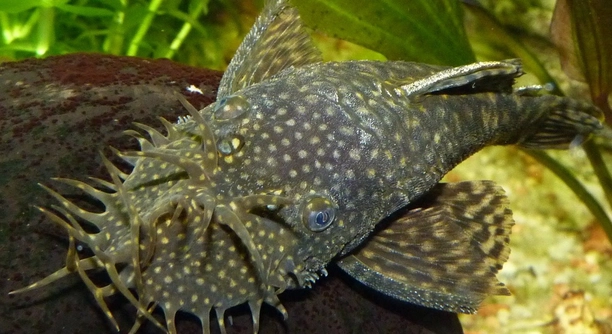
Have you ever noticed your Bristlenose Pleco growing faster than expected and wondered if its tank might soon become too small? These hardy fish often surprise their owners with their steady and impressive growth over time.
Bristlenose Plecos can outgrow their tank if the environment is too small or lacks proper filtration and maintenance. While they typically reach 4 to 6 inches in length, limited space can restrict their growth, impact health, and shorten lifespan.
Understanding their growth needs, from tank size to diet and water quality, helps ensure your Bristlenose Pleco thrives in a comfortable and spacious environment.
Understanding Bristlenose Pleco Growth
Bristlenose Plecos are known for their manageable size, but their growth depends on several environmental and dietary factors. They generally reach about 4 to 6 inches, though males may grow slightly larger than females. A tank that’s too small can restrict growth and cause stress, making it vital to choose an appropriate setup early on. Poor water conditions, lack of hiding spots, or insufficient food can also slow their growth. Maintaining a clean, oxygenated environment with stable water parameters helps them thrive. Providing driftwood for grazing and a mix of algae wafers and vegetables supports healthy development.
When Bristlenose Plecos are given proper space and nutrition, they grow steadily and remain active. Their growth rate is gradual, and sudden changes often indicate environmental stress or diet imbalance that needs to be addressed promptly.
A balanced tank environment encourages consistent growth while keeping your Pleco comfortable and active for years.
Choosing the Right Tank Size
A young Bristlenose Pleco may seem small, but it’s essential to plan for its adult size. A 20-gallon tank is the minimum for one adult Pleco, though larger is always better.
Bristlenose Plecos produce a noticeable amount of waste for their size, making water quality a major factor in their well-being. A larger tank provides a more stable environment, reducing the need for frequent cleanings and water changes. It also allows more space for natural behavior, such as hiding, grazing, and resting. Tanks with strong filtration systems help maintain healthy water parameters. Adding live plants and driftwood not only enriches their environment but also offers food sources and security. Overcrowding should always be avoided, as it causes stress and stunted growth. Selecting the right tank early on prevents future problems and supports the long-term health of your Bristlenose Pleco.
Signs Your Bristlenose Pleco Is Outgrowing Its Tank
A Pleco that seems restless or spends less time attached to surfaces may be signaling discomfort. Reduced activity, aggression, or frequent hiding are also indicators that your fish may need more space to thrive.
When a tank becomes too small, waste builds up faster, and water quality declines. This can lead to stunted growth, faded color, and weakened immune function. You may also notice your Pleco competing more for food or showing stress-related behaviors, such as rapid breathing or irregular movement. Providing extra space and improved filtration helps ease these problems while restoring balance in their environment.
Another sign of limited space is when your Pleco’s bristles appear underdeveloped, especially in males. Healthy growth includes strong, defined bristles and a steady appetite. If these traits seem lacking, upgrading to a larger tank with consistent water maintenance will quickly improve their overall health and comfort.
Maintaining Proper Water Conditions
Clean water is essential for a Bristlenose Pleco’s growth and overall health. They thrive in stable conditions, so regular monitoring of ammonia, nitrate, and pH levels helps maintain a balanced habitat where they can flourish.
A Pleco’s tank should have temperatures between 73°F and 81°F, with a pH range of 6.5 to 7.5. Consistent partial water changes prevent toxin buildup and keep oxygen levels healthy. Strong filtration systems remove excess waste, while natural decor, such as driftwood and rocks, promotes algae growth for grazing. Avoid overfeeding, as leftover food can quickly spoil water quality. Proper maintenance not only supports growth but also prevents diseases linked to poor water conditions. Stable, clean water ensures your Bristlenose Pleco remains active, vibrant, and healthy throughout its life.
Feeding for Healthy Growth
A balanced diet helps your Bristlenose Pleco grow steadily and maintain strong coloration. Algae wafers, blanched vegetables like zucchini and cucumber, and occasional protein-rich treats such as bloodworms support proper nutrition and prevent nutrient deficiencies.
Feeding at night matches their natural feeding behavior. Overfeeding should be avoided to maintain water quality and prevent obesity. Removing uneaten food after a few hours ensures the tank stays clean. Proper nutrition and feeding habits directly influence your Pleco’s energy, size, and long-term well-being.
Creating a Comfortable Environment
A comfortable tank setup encourages natural behavior and steady growth. Adding driftwood, caves, and hiding spaces helps your Pleco feel secure while also aiding digestion, as driftwood fibers are part of their diet. Smooth gravel or sand substrate reduces the risk of injury. Proper lighting, moderate flow, and enough swimming space ensure an ideal environment where your Bristlenose Pleco can thrive comfortably.
Monitoring Growth Progress
Regular observation helps detect changes in your Pleco’s growth or behavior early. Keeping track of size, appetite, and color can reveal whether their environment supports healthy development or needs adjustment. Consistent care ensures your Bristlenose Pleco grows strong and remains active throughout its lifespan.
FAQ
How fast do Bristlenose Plecos grow?
Bristlenose Plecos grow at a moderate pace, usually reaching 4 to 6 inches within a year under proper conditions. Growth can be slower if water quality is poor, tank space is limited, or nutrition is inadequate. Males may grow slightly larger and develop more prominent bristles than females. Regular observation helps track their development and ensures any issues are addressed early.
Can a Pleco outgrow a 20-gallon tank?
Yes, a fully grown Bristlenose Pleco in a 20-gallon tank may experience space limitations. While they often remain small compared to other Pleco species, limited swimming room and insufficient hiding spots can lead to stress and health issues. Upgrading to a larger tank, such as 30 gallons or more, provides better stability and comfort.
Do Plecos need a varied diet to grow properly?
Absolutely. A diet consisting solely of algae or commercial wafers may not provide all necessary nutrients. Including blanched vegetables, occasional protein treats, and driftwood for fiber ensures healthy growth, strong bristles, and vibrant coloration. Proper feeding routines also reduce water contamination from uneaten food.
How do I know if my Pleco is stressed?
Stress can show in several ways. A stressed Pleco may hide excessively, lose appetite, show faded colors, or display rapid breathing. Tank overcrowding, poor water conditions, and lack of hiding places are common causes. Addressing these issues promptly promotes normal growth and overall well-being.
What tank size is best for multiple Plecos?
For more than one adult Bristlenose Pleco, a tank of at least 40 gallons is recommended. Providing multiple hiding spots and enough surface area prevents territorial disputes and ensures all fish receive adequate nutrition. Adequate filtration is crucial to maintain water quality with multiple inhabitants.
Can water quality affect growth?
Yes. Poor water conditions, including high ammonia, nitrate, or nitrite levels, can stunt growth, reduce immunity, and cause behavioral changes. Consistent monitoring, partial water changes, and proper filtration maintain stable parameters and support healthy development.
Do Plecos need hiding places even if they are fully grown?
Yes. Hiding spots are essential throughout their life. Driftwood, caves, and plants provide security, reduce stress, and support natural behavior like grazing. This is especially important in community tanks where other fish may compete for space or food.
Is it normal for bristles to grow slowly?
Slow bristle growth can be normal in younger Plecos or females, but it may also indicate stress, poor diet, or inadequate water conditions. Males typically develop longer bristles as they mature. Providing a proper diet, stable water parameters, and sufficient space encourages healthy development.
Can overcrowding stunt growth permanently?
Overcrowding increases competition for food and reduces swimming space, which can lead to stunted growth. While improving conditions may allow some recovery, early intervention is critical to prevent long-term health issues. Ensuring adequate tank size and proper filtration is essential.
How often should I check my Pleco’s growth?
Observing your Pleco weekly allows you to track size, coloration, and overall health. Regular checks help detect problems such as stunted growth, stress, or disease early, allowing timely adjustments to diet, tank setup, or water maintenance.
Are Plecos compatible with other fish while growing?
Bristlenose Plecos are generally peaceful and compatible with most community fish. However, during growth phases, they may be sensitive to aggressive tank mates. Providing ample hiding spaces and monitoring interactions ensures they develop safely without stress or injury.
Does temperature affect growth rate?
Yes. Maintaining stable water temperatures between 73°F and 81°F supports healthy metabolism and steady growth. Sudden fluctuations can stress the fish, slow growth, or make them more susceptible to disease. Consistent temperature is critical for long-term health.
Can I prevent my Pleco from outgrowing its tank?
You cannot stop natural growth, but you can plan for it. Choosing a tank larger than the current size, providing proper nutrition, and maintaining water quality ensures your Pleco grows healthily without facing stress or space limitations. Proper planning protects their long-term health.
How do I transition to a larger tank?
Gradually acclimate your Pleco by moving it to a well-prepared tank with stable water parameters. Include familiar hiding spots, driftwood, and plants to reduce stress. Monitor closely for the first few weeks to ensure the fish adjusts to the new environment smoothly.
What signs indicate it’s time to upgrade the tank?
Signs include limited swimming space, increased hiding, stress behaviors, stunted growth, or frequent water quality issues. Observing these indicators early allows a timely upgrade, ensuring your Bristlenose Pleco continues to grow comfortably and remain healthy.
Are bristles affected by tank size?
Yes. Males in cramped conditions may develop shorter or underdeveloped bristles due to stress or poor growth. Providing sufficient space, proper diet, and a stable environment supports full bristle development and overall health.
Can tank decorations impact growth?
Decorations like driftwood, caves, and smooth substrates positively influence growth. Driftwood provides dietary fiber, while caves reduce stress. Avoid sharp or overcrowded decorations that could injure the fish or restrict swimming space. A well-planned setup supports healthy, steady growth.
How long do Bristlenose Plecos live in ideal conditions?
With proper care, including clean water, balanced diet, and sufficient tank size, Bristlenose Plecos can live 5 to 10 years or more. Long-term health depends on maintaining stable, stress-free conditions that support growth and activity throughout their life.
Can I keep a Pleco in a planted tank?
Yes. Planted tanks offer additional hiding spaces and grazing surfaces. Ensure plants are compatible with Plecos, as some species may nibble on delicate leaves. Driftwood and stable water conditions complement the planted environment, promoting growth and natural behavior.
Is it okay to have one Pleco per tank?
Yes, a single adult Bristlenose Pleco thrives well in a properly sized tank. It allows sufficient space for swimming, grazing, and hiding while minimizing stress and competition. Consistent care ensures a healthy, active, and well-grown Pleco over time.
How do I encourage growth without overfeeding?
Provide a balanced diet with appropriate portions and feed at night when Plecos are most active. Removing uneaten food and maintaining water quality prevents overfeeding issues. Supplement with blanched vegetables, algae wafers, and occasional protein treats for steady, healthy growth.
Can stress affect lifespan?
Yes. Chronic stress from poor water quality, limited space, or aggressive tank mates can reduce lifespan, stunt growth, and weaken immunity. Maintaining a stable, spacious, and comfortable environment supports long-term health and allows your Bristlenose Pleco to thrive.
What is the best filtration system for growth?
A strong filter that provides mechanical, chemical, and biological filtration is ideal. It keeps water clean, reduces toxins, and maintains oxygen levels. Adequate filtration supports steady growth, prevents disease, and ensures a safe environment for your Pleco’s long-term health.
How important is water flow for Plecos?
Moderate water flow mimics natural habitats and encourages exercise, which aids digestion and overall health. Too strong a current may stress the fish, while stagnant water can lead to poor water quality. Balanced flow ensures a comfortable environment for growth and activity.
Do Plecos need supplemental lighting?
Natural or low-intensity lighting supports plant growth and algae development for grazing. Plecos do not require intense lighting but benefit from a light cycle that reflects day and night patterns. Proper lighting indirectly supports growth and overall well-being.
Can I keep Plecos with aggressive fish?
Aggressive fish can stress Bristlenose Plecos, reducing growth and affecting health. Avoid housing them with highly territorial or fin-nipping species. If kept together, ensure plenty of hiding spaces to minimize conflict and maintain a safe, growth-friendly environment.
What is the effect of water hardness on growth?
Moderate water hardness is suitable for Plecos. Extremely soft or hard water can affect metabolism, bristle development, and overall health. Regular testing and adjustments help maintain ideal conditions for consistent growth and longevity.
Are Plecos nocturnal feeders?
Yes. Bristlenose Plecos are primarily nocturnal, grazing and feeding mainly at night. Providing food during their active hours encourages healthy growth and prevents uneaten food from degrading water quality. Adjust feeding routines to match their natural behavior for optimal results.
How do I prevent disease while Plecos are growing?
Regular water changes, proper filtration, balanced diet, and stress reduction are key. Avoid overcrowding and monitor for signs of illness. Early detection and prompt treatment prevent disease from affecting growth and long-term health.
Can tankmates affect growth indirectly?
Yes. Aggressive or highly competitive tankmates may limit food access or cause stress, slowing growth. Ensure compatible species, provide hiding spots, and maintain proper nutrition to minimize negative impacts on your Pleco’s development.
Do Plecos need seasonal adjustments?
Generally, stable conditions are preferred year-round. Sudden temperature or water parameter changes can stress Plecos, affecting growth. Keeping consistent conditions ensures healthy development and minimizes risk of stunted growth or illness.
Can live plants help with growth?
Live plants improve water quality, provide grazing surfaces, and reduce stress. Fast-growing plants also absorb excess nutrients, indirectly supporting steady growth. Combining plants with driftwood and proper tank maintenance creates a balanced environment for your Pleco’s development.
Is it normal for growth to slow after one year?
Yes. Bristlenose Plecos grow fastest in the first year, then slow as they reach adult size. Continued care, proper diet, and adequate space support gradual growth and ensure long-term health without stunting or stress-related issues.
How often should I clean the tank to support growth?
Partial water changes weekly or biweekly, along with substrate vacuuming and filter maintenance, keep water quality high. Clean water prevents disease, reduces stress, and ensures conditions that promote healthy growth for your Pleco.
Do Plecos require special minerals for growth?
Trace minerals in water, from driftwood or aquarium supplements, support bristle development and overall health. Maintaining balanced water chemistry ensures proper growth and prevents deficiencies that could affect appearance and longevity.
Can growth be affected by the number of hiding spots?
Yes. Sufficient hiding spaces reduce stress, allowing natural feeding and grazing behavior. Stress from limited hiding spots can slow growth, weaken immunity, and reduce activity. A well-structured tank encourages healthy, steady development for your Pleco.
What is the relationship between tank size and lifespan?
Larger tanks provide more stable water, space for natural behavior, and reduced stress, all of which contribute to longer lifespan and healthier growth. Inadequate space can lead to stunted development and shortened life expectancy. Proper planning ensures long-term well-being.
Can Plecos live with shrimps or snails?
Generally, yes. Plecos coexist with non-aggressive invertebrates. Ensure enough space and hiding spots to prevent accidental stress or competition for food. A diverse, compatible community supports a healthy, comfortable environment for growth.
How do I track growth effectively?
Regular measurements and observations of size, bristle development, and color help track progress. Taking notes weekly or monthly allows you to detect growth issues early and adjust diet, tank conditions, or space to support healthy development.
Does tank location affect growth?
Indirectly. Tanks in areas with fluctuating temperatures, direct sunlight, or vibrations may stress Plecos. Stable placement with consistent lighting and temperature supports steady growth and reduces the risk of disease or behavioral issues.
Can Plecos survive in a small tank long-term?
They may survive but will likely experience stress, stunted growth, and reduced lifespan. Upgrading to a suitable tank size ensures healthy development and prevents long-term health problems. Proper planning avoids future complications.
Is bristle growth a sign of overall health?
Yes. Well-developed bristles indicate proper nutrition, stable water, and reduced stress. Poor or stunted bristles often signal underlying issues that may affect growth and overall well-being. Maintaining ideal conditions encourages full development.
Do Plecos need a varied diet throughout life?
Yes. Even adult Plecos benefit from vegetables, algae wafers, and occasional protein supplements. Varied nutrition supports growth, bristle health, and activity levels. Consistent feeding practices ensure long-term health and prevent nutrient deficiencies.
Can growth problems be reversed?
Some issues, like slowed growth due to temporary stress or poor water quality, can improve with proper care. Long-term stunting from prolonged inadequate conditions may not fully recover. Early intervention is key to supporting healthy growth.
Are Plecos sensitive to sudden water changes?
Yes. Sudden shifts in temperature, pH, or hardness can stress Plecos, slowing growth and increasing susceptibility to disease. Gradual water changes and careful monitoring maintain stable conditions for healthy development.
How does tank overcrowding affect water quality?
Overcrowding increases waste production, leading to higher ammonia and nitrate levels. Poor water quality can stunt growth, weaken immunity, and cause behavioral issues. Adequate space and filtration are essential to prevent these negative effects.
Do Bristlenose Plecos need seasonal feeding adjustments?
Not typically. Maintaining consistent feeding routines throughout the year supports steady growth. Slight adjustments may be needed if temperature or water flow changes significantly, but overall consistency ensures healthy development.
Can Plecos coexist with fast-moving fish?
Yes, but ensure hiding spots and adequate space to prevent stress. Constant chasing or competition may affect feeding behavior and growth. Proper tank layout reduces stress and supports healthy development.
Are Plecos hardy enough for beginners?
Yes. Bristlenose Plecos are hardy and adapt well to stable tank conditions. With proper diet, water maintenance, and space, they grow steadily and remain healthy, making them suitable for first-time fishkeepers.
How do I encourage bristle growth in males?
Provide a spacious, low-stress environment, proper nutrition, and stable water conditions. Males naturally develop longer bristles as they mature, and supporting overall health accelerates optimal bristle development.
Can live rock affect growth?
Yes. Live rock can provide algae and surfaces for grazing, improve water chemistry, and offer hiding spaces. Proper placement ensures it does not restrict swimming, supporting steady growth and overall well-being.
Do Plecos need calcium supplements?
Occasionally. Trace amounts of calcium from driftwood or supplements support bone structure and bristle health. Proper water parameters and diet usually provide sufficient minerals for growth.
Is tank depth important for growth?
Moderate depth allows natural swimming and grazing behavior. Extremely shallow tanks may restrict movement, while excessively deep tanks may increase stress. Balanced depth contributes to steady growth and overall comfort.
Can Plecos adjust to a new tank quickly?
Gradual acclimation reduces stress and promotes growth. Sudden changes in water chemistry or environment may slow growth or affect health. Using familiar decorations and stable water conditions supports a smooth transition.
How do I prevent fighting between Plecos?
Provide multiple hiding spots, sufficient space, and monitor interactions. Territorial disputes are reduced when fish have separate areas and easy access to food. Managing aggression ensures stress-free growth.
Are Plecos affected by water flow patterns?
Yes. Moderate, consistent flow encourages natural movement and grazing. Too strong or stagnant flow can stress the fish, affecting feeding and growth. Proper flow balance supports health and comfort.
Do Plecos require nighttime feeding for optimal growth?
Feeding during active night hours aligns with their natural behavior. Night feeding encourages healthy grazing, reduces competition, and supports steady growth without compromising water quality.
Can tank shape impact growth?
Yes. Longer tanks provide more horizontal swimming space, supporting natural behavior and comfort. Tall but narrow tanks may restrict movement and stress the fish. Proper tank dimensions promote steady growth and activity.
How do I know if my Pleco is eating enough?
Monitor appetite, growth, and overall condition. A healthy Pleco actively grazes on algae, consumes vegetables, and maintains steady size. Insufficient feeding may cause slow growth, weakened bristles, and reduced activity.
Do Plecos need social interaction?
They are generally solitary but benefit from observing other peaceful fish. Overcrowding or aggressive tankmates can stress them and affect growth. Balanced social environment ensures comfort and healthy development.
Can seasonal temperature changes affect growth?
Yes. Sudden drops or spikes in temperature may slow metabolism, reduce appetite, and affect bristle development. Stable water temperature ensures consistent growth and long-term health.
Is water pH critical for growth?
Yes. Maintaining pH between 6.5 and 7.5 supports metabolism, bristle development, and overall health. Fluctuating pH stresses the fish, slowing growth and increasing susceptibility to disease.
How can I tell if my Pleco is thriving?
Signs include steady growth, strong bristles, active behavior, vibrant coloration, and regular feeding. Observing these indicators confirms the environment, diet, and tank conditions are supporting healthy development.
Do Plecos grow differently in planted vs. bare tanks?
Yes. Planted tanks offer hiding spots and grazing surfaces, promoting natural behavior and steady growth. Bare tanks may limit comfort and reduce grazing opportunities, which can indirectly affect development.
How important is consistent maintenance for growth?
Consistent water changes, substrate cleaning, and filter upkeep are crucial. Neglecting maintenance can lead to poor water quality, stress, and stunted growth. Routine care ensures optimal conditions for health and development.
Can Plecos recover from stunted growth?
Partial recovery is possible if conditions improve early. Long-term stunting from prolonged stress or poor care may not fully reverse. Timely intervention ensures the best chance for healthy growth.
Do Plecos need oxygenation beyond filtration?
Adequate oxygen levels are essential. Filters often provide sufficient aeration, but additional devices like air stones may help in densely stocked tanks or warmer water, supporting metabolism and healthy growth.
Can poor substrate affect growth?
Yes. Rough or sharp substrates can injure the fish, causing stress and limiting grazing. Smooth gravel or sand provides a safe environment, reducing stress and supporting steady development.
Is driftwood essential for growth?
Driftwood is beneficial, providing grazing material, fiber, and hiding spots. It supports digestion, bristle health, and overall comfort, contributing to steady growth and well-being.
Can Plecos adapt to water changes quickly?
Gradual acclimation is necessary. Rapid changes in temperature or chemistry can stress the fish, slow growth, and reduce immunity. Controlled adjustments support health and steady development.
Do Plecos need nighttime darkness for growth?
Yes. Darkness supports natural nocturnal behavior, feeding, and activity. Consistent day-night cycles reduce stress and promote steady growth while maintaining overall health.
Can multiple Plecos share a single hiding spot?
Not
Bristlenose Plecos are generally manageable and hardy fish, but their growth and overall health depend heavily on proper care and a suitable environment. Understanding their needs is crucial for any fishkeeper looking to maintain a healthy and thriving tank. From tank size to water quality, diet, and hiding spaces, each factor plays a role in supporting natural growth. Providing a tank that accommodates their adult size helps prevent stress, supports normal development, and ensures they remain active and healthy. Observing behavior, appetite, and physical traits such as bristle development can offer valuable insight into whether your Pleco is thriving or if adjustments are needed.
Water quality is one of the most critical aspects of Pleco care. Maintaining stable parameters, such as pH, temperature, and nitrate levels, is essential for long-term health. Regular water changes and efficient filtration prevent toxins from accumulating, reducing stress and promoting steady growth. Additionally, moderate water flow and well-placed decorations like driftwood and plants create a comfortable environment that encourages natural behavior. Driftwood not only provides hiding spaces but also supports digestion, contributing to a healthier fish overall. Balanced nutrition, including algae wafers, vegetables, and occasional protein supplements, ensures that the Pleco receives all the nutrients necessary for proper growth and development. Paying attention to these details minimizes the risk of stunted growth or stress-related illnesses.
Planning ahead is important for keeping a Bristlenose Pleco in the right conditions for its entire life. Even if a young Pleco fits comfortably in a smaller tank, it is wise to consider its adult size and potential growth rate. Larger tanks allow more space for swimming, grazing, and exploring, reducing territorial disputes and maintaining a stable, healthy environment. Proper care also involves monitoring for subtle signs of discomfort or stress, such as hiding, reduced activity, or changes in color and bristle development. By addressing these needs proactively, fishkeepers can create an environment that supports long-term health and steady growth. Providing adequate space, clean water, nutritious food, and environmental enrichment ensures your Bristlenose Pleco thrives and enjoys a full, healthy lifespan, making the investment of care and attention worthwhile.

Hello,
If you enjoy the content that we create, please consider saying a "Thank You!" by leaving a tip.
Every little bit helps us continue crafting quality advice that supports the health, happiness, and well-being of pets around the world, for pets of all shapes, sizes, and species.
We really appreciate the kindness and support that you show us!