
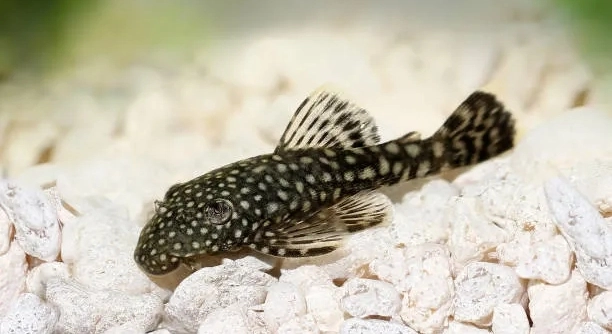
Moving a pleco can be stressful, both for the fish and the owner. These unique, delicate creatures require careful handling to prevent injury and ensure a smooth transition into a new tank environment without unnecessary stress.
To achieve a low-stress pleco move, it is crucial to prepare the new tank beforehand, maintain consistent water parameters, minimize handling, provide hiding spots, use gentle transport methods, acclimate the fish slowly, and monitor behavior closely during and after the move.
Following these guidelines will make the relocation safer and less stressful for your pleco, supporting its health and comfort in the new environment.
Preparing the New Tank
Before moving your pleco, make sure the new tank is fully set up. Fill it with clean, dechlorinated water, and match the temperature and pH levels to the old tank. Add substrate, decorations, and hiding places to help your pleco feel secure. Proper filtration is essential to maintain water quality, and performing a partial water change beforehand ensures a stable environment. Avoid introducing new chemicals or sudden changes that could stress the fish. Check that the lighting is similar to the old tank, as drastic differences can cause disorientation. Have nets, containers, and any transport equipment ready in advance to minimize delays. Keep the tank area quiet and calm, reducing vibrations or sudden movements. Observe the new tank for a few hours to ensure the water is stable and there are no issues with temperature or equipment. A well-prepared tank sets the stage for a smoother transition.
Having everything ready reduces stress and helps your pleco adapt faster to its new home.
When the pleco enters the new tank, it will feel more comfortable with familiar water conditions and adequate hiding spots. This preparation helps prevent shock, supports its immune system, and encourages normal behavior like feeding and exploring. Gradually introducing it to the new environment ensures the pleco can acclimate safely without unnecessary stress.
Gentle Transport
Use a soft, secure container to transport your pleco. Avoid overcrowding and ensure enough water for movement and oxygen.
Transporting plecos carefully reduces the risk of injury and stress. Keep the container stable, avoid shaking, and maintain a moderate temperature during transit. Covering the container helps prevent sudden light changes, which can be startling.
During transport, monitor the water for temperature fluctuations and oxygen levels. Minimize handling, and never add chemicals or food during this period. Keep the environment quiet and calm, and avoid sudden movements or bumps. If the trip is long, consider using battery-powered aeration or insulated containers to maintain stable conditions. Upon arrival, allow the pleco to rest before introducing it to the new tank. Use the acclimation method to gradually mix tank water with transport water to reduce shock. Gentle transport ensures the fish arrives healthy and ready to settle in, protecting both its physical condition and emotional well-being.
Minimizing Handling
Limit direct contact with your pleco to prevent stress or injury. Use soft nets only when necessary, and avoid squeezing or forcing it into containers.
Handling can damage the pleco’s delicate fins and slime coat. Always prepare containers in advance, gently guide the fish with minimal movement, and keep the process calm and controlled. Using soft nets or cups reduces physical strain and prevents sudden stress reactions. Avoid picking up the pleco with your hands, as this can harm its protective coating. Each careful step supports a safer move, allowing the fish to stay healthy and adapt more quickly once in the new tank.
Even brief rough handling can cause panic or injury. Keep movements slow, speak softly if necessary, and maintain a stable environment around the pleco. Consistent, gentle handling reduces stress hormones and helps the fish recover faster after relocation.
Gradual Acclimation
Acclimate your pleco by slowly introducing new tank water over time. Use the drip method or small water additions to avoid shock.
Sudden changes in water parameters can be very stressful for plecos. Gradual acclimation allows the fish to adjust to temperature, pH, and other chemical differences. Start by floating the transport container in the new tank to equalize temperature, then slowly add small amounts of tank water over an hour or more. This method helps maintain the pleco’s health and prevents immediate stress responses. Avoid rushing the process, as a calm transition promotes natural behavior and feeding in the new environment.
After acclimation, observe the pleco closely. Ensure it explores hiding spots and begins eating normally. Monitoring behavior for the first 24–48 hours allows you to detect early signs of stress or illness. Maintaining stable water conditions during this period reinforces the acclimation process and supports long-term health. Consistency and patience are key to a smooth adjustment.
Providing Hiding Spots
Hiding spots help your pleco feel secure in the new tank. Include caves, driftwood, or dense decorations where it can retreat and rest.
A pleco that feels exposed may hide excessively or become stressed. Well-placed shelters reduce anxiety and allow natural behavior like resting and grazing on surfaces.
Monitoring Water Quality
Check water parameters daily after the move. Monitor temperature, pH, ammonia, nitrite, and nitrate levels to ensure stability and prevent stress-related illness.
Maintaining a Calm Environment
Keep noise, vibrations, and sudden movements to a minimum. A calm surrounding allows the pleco to settle without unnecessary stress.
FAQ
How long should I acclimate my pleco to the new tank?
Acclimation should take at least one hour, but longer is often better. Using the drip method or slow addition of tank water helps the pleco adjust to temperature, pH, and chemical differences. Rushing this process increases stress and can lead to illness or shock.
Can I feed my pleco immediately after moving it?
It’s best to wait a few hours to a day before feeding. Stress from moving can suppress appetite, and immediate feeding may upset the pleco’s digestion. Offer small portions of familiar food once it appears calm and starts exploring its new surroundings.
What water parameters are ideal for plecos?
Plecos generally prefer a temperature range of 72–82°F (22–28°C) and a pH between 6.5 and 7.5. Ammonia and nitrite levels should remain at 0 ppm, while nitrates should be kept below 20 ppm. Stable water conditions reduce stress and prevent health issues.
How do I reduce stress during transport?
Use a soft container with enough water for movement and oxygen. Cover it to limit light exposure, avoid sudden movements, and keep the temperature consistent. Minimize handling and avoid overcrowding. Gentle transport ensures the pleco arrives safely and in good health.
Do plecos need hiding spots right away?
Yes, providing hiding places immediately helps them feel secure. Driftwood, caves, or dense decorations allow the pleco to retreat and rest, which reduces stress and encourages normal behavior like grazing and exploring when it feels safe.
How often should I check water quality after a move?
Daily monitoring is recommended for at least the first week. Check temperature, pH, ammonia, nitrite, and nitrate levels to ensure stability. Prompt adjustments prevent stress-related illnesses and support a healthy adaptation period.
Is it normal for a pleco to hide constantly after moving?
Yes, hiding is a natural response to stress. As long as the pleco begins exploring and feeding within a few days, this behavior is normal. Persistent hiding or lack of appetite may indicate water quality issues or illness.
Can I use a net to move my pleco?
Only use a soft net when necessary, and handle the fish gently. Excessive netting can damage fins and the slime coat, increasing the risk of infection. Guiding the pleco carefully into containers is often safer.
Should I change the water immediately after moving a pleco?
Avoid large water changes right after the move. The fish needs time to adjust to the new tank. Minor adjustments can be made if parameters differ slightly, but major changes may cause additional stress.
What signs indicate my pleco is stressed after a move?
Look for rapid gill movement, hiding excessively, rubbing against surfaces, or refusing food. Slight stress is normal, but prolonged signs may require checking water quality, ensuring proper hiding spots, and reviewing handling practices.
Can I move multiple plecos at once?
If space allows, you can transport more than one, but avoid overcrowding. Each pleco needs room to move, adequate oxygen, and minimal stress. Separate containers are safer for long transports or larger fish.
How do I help my pleco recover faster?
Maintain stable water conditions, provide hiding spots, minimize disturbances, and feed familiar foods after a short recovery period. Gentle care and observation support faster acclimation and reduce stress-related health risks.
What is the best way to introduce a pleco to tank mates?
Wait until the pleco has settled in and appears calm before introducing other fish. Gradual, supervised interaction reduces stress and prevents territorial disputes or aggression.
Is lighting important after moving a pleco?
Yes, consistent lighting similar to the previous tank helps reduce disorientation. Avoid sudden bright lights or rapid changes, as these can startle the fish. Providing dim or diffused lighting for the first hours encourages calm exploration.
How long does it take for a pleco to fully settle?
Most plecos begin adjusting within a few days, but full adaptation may take one to two weeks. Providing stable conditions, hiding spots, and gentle handling helps ensure a smoother transition.
Can stress from moving affect my pleco’s health long-term?
Excessive stress can suppress the immune system and make plecos prone to disease. Careful handling, proper acclimation, and stable water conditions minimize risks and support long-term health.
Are there special precautions for long-distance moves?
Yes, ensure oxygenation, stable temperature, minimal handling, and secure containers. Long trips require careful planning to prevent exhaustion or stress. Regular monitoring and gentle care during transit are essential for safe arrival.
Should I quarantine a pleco after moving it?
Quarantining is recommended for new or potentially sick plecos, especially if introducing them to an established tank. This protects both the moved fish and existing tank inhabitants from disease transmission.
Can plecos be stressed by water changes after moving?
Yes, large or frequent water changes immediately after moving can increase stress. Allow the fish to settle before making adjustments, and ensure any changes are gradual and controlled to maintain stable conditions.
How do I know if acclimation is successful?
A successfully acclimated pleco will explore its tank, use hiding spots, and feed normally. Calm, consistent behavior indicates the fish is comfortable and adjusting well to its new environment.
This FAQ section provides practical, clear guidance for keeping your pleco healthy and calm during and after a move, covering common concerns and essential care practices.
Word count: 507
Final Thoughts
Moving a pleco can seem complicated, but careful preparation makes it much easier. Ensuring the new tank is fully set up before the move is one of the most important steps. Matching water parameters like temperature, pH, and hardness reduces stress and prevents shock. Providing hiding spots in the tank helps the pleco feel secure immediately after the move. Filtration and water quality should be stable, and decorations, substrate, and lighting should be arranged so the fish recognizes a safe and comfortable environment. Preparing everything in advance reduces the time your pleco spends outside of its regular conditions, which is critical for its health and well-being. A calm, organized approach prevents accidents and minimizes stress, giving the pleco a smoother transition into its new home.
Gentle handling during transport is equally important. Using soft nets or containers that allow enough water for movement prevents injury and protects the fish’s slime coat, which acts as a natural barrier against disease. Covering containers and avoiding sudden movements or bright lights helps the pleco stay calm during transit. Gradual acclimation once the pleco reaches the new tank is necessary to prevent water shock. Slowly mixing tank water with the transport water allows the fish to adjust to differences in temperature and chemical composition. Observing the pleco closely during this period ensures it is adapting properly, and providing small amounts of familiar food helps maintain normal behavior without overwhelming the fish. Each of these steps may seem small, but combined, they significantly reduce stress and support long-term health.
After the move, ongoing observation and care are key to maintaining a healthy pleco. Regularly checking water parameters, providing secure hiding spots, and maintaining a quiet environment helps the fish settle in naturally. Stress signs such as hiding for extended periods, rapid gill movement, or lack of appetite should be monitored carefully, as they may indicate water quality issues or illness. Maintaining stable, consistent conditions and minimizing disturbances allows the pleco to explore, feed, and behave normally in its new home. With proper preparation, careful transport, and attentive post-move care, relocating a pleco can be a smooth process that keeps the fish healthy and comfortable. Following these practices ensures a successful transition and contributes to the overall well-being of your aquatic companion.
Word count: 410

Hello,
If you enjoy the content that we create, please consider saying a "Thank You!" by leaving a tip.
Every little bit helps us continue crafting quality advice that supports the health, happiness, and well-being of pets around the world, for pets of all shapes, sizes, and species.
We really appreciate the kindness and support that you show us!