
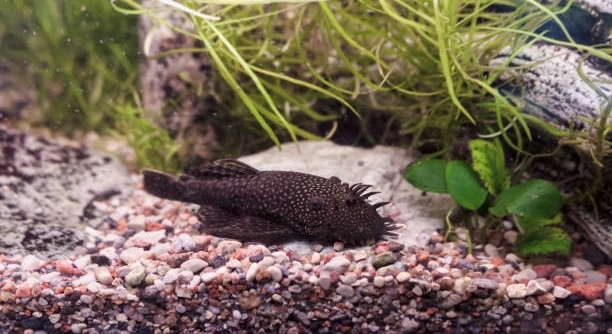
Have you ever noticed your pleco seeming larger than usual overnight? Many aquarists watch their fish carefully, but growth can sometimes appear sudden. Observing small changes in behavior or appearance can give clues to a growth spurt.
Pleco growth spurts can be identified through specific physical and behavioral indicators. Increased body length, thicker tails, brighter coloration, and heightened feeding activity are reliable signs. Consistent observation and record-keeping allow aquarists to track these changes effectively over time.
Recognizing these subtle cues can make caring for your pleco more rewarding. Small observations often reveal important patterns about your fish’s development.
Changes in Appetite
During a growth spurt, plecos often show noticeable changes in eating habits. You may see your pleco consuming more food than usual or showing increased interest in algae wafers, vegetables, or pellets. This heightened appetite supports rapid growth, allowing them to build muscle and store energy. Observing feeding behavior closely helps distinguish normal daily activity from periods of accelerated growth. Some plecos may graze constantly, while others prefer more structured feeding times, but a consistent increase in intake is a reliable signal. Changes in appetite often coincide with other physical signs, such as thicker fins or a more robust body shape. Keeping a feeding log can make patterns easier to track, helping you understand your pleco’s growth rhythm. Sudden dips in appetite can also indicate stress or illness, so it’s important to observe both increases and decreases in eating behavior carefully. Noting these details allows for timely adjustments in care and diet, ensuring optimal health during these growth phases.
A sudden increase in appetite often reflects a pleco’s growth spurt. Tracking food consumption helps monitor their health and developmental progress effectively.
Monitoring what your pleco eats and how often it feeds is key. Observing consistent changes gives insight into growth patterns. Feeding more frequently or in larger portions can support their changing metabolism. Additionally, offering a varied diet helps ensure balanced nutrition, which aids in proper development. Small adjustments in feeding routines can make a significant difference during these growth periods, providing the energy and nutrients necessary for healthy growth. Recognizing these eating changes early allows you to respond appropriately, maintaining both the fish’s health and the stability of the aquarium environment.
Physical Size and Shape
A noticeable increase in body length or girth often accompanies a growth spurt.
Plecos grow in stages, and changes in size may happen over days or weeks. Regularly measuring or visually comparing your fish can reveal subtle increases in length or body width. Growth may be uneven, with the tail, fins, or head appearing fuller before the body. Observing these physical changes alongside feeding behavior provides a complete picture of development. Environmental factors like tank size, water quality, and diet influence growth rate, so maintaining optimal conditions supports healthy size progression. Juvenile plecos often show the fastest growth, while adults grow more slowly, but even small size changes are significant indicators. Tracking these physical transformations carefully ensures you recognize true growth spurts rather than temporary bloating or swelling. Understanding the patterns of size change can also help prevent overfeeding and maintain aquarium balance, benefiting the overall ecosystem. Noticing these developments makes it easier to provide the right nutrition and care throughout your pleco’s life.
Brighter Coloration
Brightening colors often indicate a pleco is growing. Dark or dull patches may fade as their body develops, and patterns can become more pronounced. Changes in hue can appear on fins, body, or tail, signaling a healthy growth phase.
Color changes in plecos are closely linked to health and growth. During a growth spurt, increased metabolism can enhance pigment development, making their natural colors more vivid. This brightening often occurs gradually but can be noticeable within a few days. Stress, illness, or poor water conditions can suppress coloration, so observing brighter, more uniform colors usually indicates the fish is thriving and growing as expected. Environmental stability, a balanced diet, and adequate lighting all support healthy pigment expression, giving you a clear visual sign of development.
Tracking these color changes alongside other growth indicators helps confirm true growth spurts. Comparing current patterns with past observations allows you to spot trends and adjustments in care. Maintaining a stable environment ensures that coloration changes are natural and not stress-induced. Additionally, subtle shifts in fin or tail pigmentation can reflect hormonal changes associated with growth. Recording these changes can help anticipate further development stages. Noticing these visual cues provides reassurance that your pleco is progressing healthily and supports better overall aquarium management.
Increased Activity
Plecos often move more when growing, exploring the tank or adjusting positions frequently. They may become more active during feeding or at night.
Activity levels can rise during growth phases as plecos use extra energy to support bodily changes. More frequent swimming, scraping algae off surfaces, or rearranging substrate may occur. These movements help build muscle and improve overall strength. Younger plecos show the most noticeable increases, while adults display subtler changes. Watching patterns over time helps distinguish normal activity from restlessness caused by stress. Consistency in observation ensures accurate tracking of growth-related behaviors, reducing the chance of misinterpreting temporary bursts of energy or environmental reactions.
Changes in movement patterns often correlate with feeding habits and body development. Increased exploration, tail flicks, or fin flaring may indicate both growth and enhanced health. Observing these actions in conjunction with size, appetite, and coloration changes provides a comprehensive understanding of pleco growth. Environmental enrichment, such as hiding spots and varied surfaces, encourages natural movement and muscle development, supporting proper growth. Tracking activity alongside other indicators allows you to distinguish between normal energetic behavior and signs of discomfort or illness. Regularly noting these activity changes ensures timely adjustments in care routines, supporting the pleco’s overall well-being during rapid growth periods.
Fuller Fins
During a growth spurt, pleco fins often appear fuller and more robust. Edges may thicken, and fins can spread wider than usual. This development supports better swimming and stability in the tank.
Fuller fins indicate muscle and skeletal growth. Observing these changes alongside other signs helps confirm a true growth phase.
Increased Hiding
Plecos may seek more hiding spots when growing, spending extra time in caves or under decorations. This behavior provides security while their bodies adjust.
Tail Thickening
A thickening tail is a common growth indicator. Plecos develop more muscle and fat in the tail region, aiding propulsion and balance. Monitoring tail size over time can reveal gradual but meaningful growth changes.
FAQ
How often should I check my pleco for growth changes?
Regular observation is key to noticing growth spurts. Checking daily for feeding behavior, coloration, and movement allows you to spot small changes early. You don’t need to handle the fish constantly; visual checks through the tank are enough. Noting patterns over time helps distinguish normal fluctuations from real growth.
Can diet influence how quickly a pleco grows?
Yes, diet plays a major role. Providing a mix of algae wafers, vegetables like zucchini and cucumber, and occasional protein sources ensures balanced nutrition. Overfeeding can cause water quality issues, while underfeeding may slow growth. Consistent, varied meals support healthy development and brighter coloration.
What tank conditions support growth spurts?
Stable water parameters are essential. Temperature, pH, and ammonia levels all affect metabolism and overall health. Adequate space allows the pleco to move and develop muscle properly. Clean, well-filtered water combined with hiding spaces reduces stress, allowing energy to go toward growth rather than survival.
How can I tell the difference between a growth spurt and bloating?
Growth spurts involve proportional changes in body length, girth, and fin development. Bloating or swelling is usually sudden and localized, often accompanied by lethargy or abnormal swimming. Observing behavior, feeding, and body symmetry can help you identify real growth versus health issues.
Do all plecos grow at the same rate?
No, growth rates vary by species, age, and genetics. Juvenile plecos generally grow faster, while adults grow more slowly. Environmental factors like tank size, diet, and water quality also influence how quickly growth occurs. Tracking your individual fish’s development is more useful than comparing to others.
Is it normal for growth to slow down suddenly?
Yes, temporary slowdowns can happen. Seasonal changes, stress, or minor water quality shifts may reduce appetite and activity, slowing growth. Once conditions stabilize, plecos often resume their previous rate of development. Consistent monitoring helps you determine whether the slowdown is temporary or indicates a larger issue.
Should I measure my pleco regularly?
Measuring can be helpful but isn’t always necessary. Visual observation often provides enough information about growth spurts. If you choose to measure, do so gently and with minimal stress. Recording size periodically can help confirm trends seen in behavior, coloration, and fin development.
Can stress prevent a pleco from growing?
Stress affects metabolism and can slow growth. Overcrowding, aggressive tankmates, or sudden changes in water conditions can all be factors. Providing hiding spaces, maintaining stable water parameters, and reducing disturbances encourages growth and overall well-being.
How long do growth spurts typically last?
Growth spurts can vary from a few days to several weeks. Juveniles often experience multiple spurts as they develop, while adults show smaller, less frequent spurts. Observing changes in appetite, size, coloration, and activity together helps determine the duration of a spurt.
Are there signs that a pleco is done growing?
Full-grown plecos usually show stable size, less frequent rapid growth, and consistent body proportions. While small increases may still occur, significant changes in length or girth become rare. Maintaining good care ensures they remain healthy even after growth slows.
How does tank size affect growth?
Limited space can restrict movement and slow growth. Adequate tank size allows muscle development and reduces stress, supporting natural growth patterns. Ensuring enough space for swimming, hiding, and foraging is crucial for both juveniles and adults.
Can plecos’ tails indicate growth rate?
Yes, tail thickness often reflects muscle and fat development. A fuller tail usually appears alongside other growth indicators like brighter coloration and increased activity. Monitoring tail changes helps track overall growth.
Is it normal for growth signs to appear uneven?
Some features, like fins or tails, may show growth before the body. This is common and usually balances out over time. Observing multiple indicators together ensures accurate assessment of growth spurts.
What if I miss a growth spurt?
Growth can be gradual, so missing minor changes isn’t harmful. Maintaining consistent care, diet, and water quality allows your pleco to continue developing healthily, even if an early spurt goes unnoticed.
How can I support pleco growth naturally?
Provide a balanced diet, stable water conditions, hiding spots, and moderate tank enrichment. Observing behavior and physical changes helps you adjust care to match their developmental needs. This approach encourages healthy, gradual growth without stress or risk.
Can plecos regrow fins during growth spurts?
Yes, healthy plecos can repair minor fin damage. Growth periods support tissue regeneration, so small tears or nicks often heal faster during these times. Providing clean water and good nutrition improves recovery.
Does lighting affect growth or coloration?
Moderate, consistent lighting helps maintain normal circadian rhythms and pigment development. Overly bright or inconsistent lighting can stress plecos, impacting growth and color. Adjust lighting to mimic natural cycles for optimal results.
Should I worry about growth differences between tankmates?
Variations in growth are normal. Focus on your pleco’s overall health rather than comparisons. Ensuring sufficient food and hiding spaces reduces competition and supports steady development for all fish.
How do I know if a growth spurt is healthy?
Healthy growth shows proportional body changes, brighter coloration, normal activity, and increased appetite. Any irregular swelling, lethargy, or color loss may indicate health problems rather than growth. Regular observation ensures you can distinguish between healthy development and potential issues.
Can water changes impact growth?
Yes, regular water changes maintain quality, supporting metabolism and reducing stress. Poor water conditions can slow growth or affect appetite. Consistent maintenance creates an environment where plecos can grow naturally and safely.
How long does it take to notice signs of a growth spurt?
Signs can appear within days, but noticeable changes often take weeks. Monitoring multiple indicators, such as appetite, size, activity, and coloration, provides a clearer picture of development over time. Patience and careful observation are key.
What is the best way to track growth at home?
Keeping a simple log of size estimates, feeding habits, coloration, and behavior helps track changes. Photographs can provide visual comparisons. Combining these methods gives an accurate record of growth patterns for future reference.
Can plecos grow differently depending on species?
Yes, species have unique growth rates, maximum sizes, and patterns. Researching your specific pleco type helps set realistic expectations and tailor care to support proper development. Knowing species-specific traits improves observation accuracy and long-term health.
How do I avoid stressing my pleco while monitoring growth?
Observe visually, avoid frequent handling, maintain stable water parameters, and minimize sudden changes. Stress can slow growth, so gentle care combined with consistent observation ensures both safety and accurate tracking of development.
Are there seasonal effects on growth?
Seasonal changes in water temperature, light, or food availability may temporarily alter growth rates. Maintaining stable indoor conditions helps reduce these fluctuations, supporting consistent development throughout the year.
Can plecos’ fins flare more during growth?
Yes, flaring or spreading fins can indicate stronger muscles and higher activity. Observing these movements alongside other growth signs helps confirm developmental changes and overall health.
How do I know if growth is slowed by illness?
Illness often comes with lethargy, loss of appetite, abnormal swimming, or discoloration. Comparing these signs to normal growth behaviors helps identify if slow development is due to health problems rather than natural growth patterns.
Are young plecos more likely to have visible growth spurts?
Yes, juveniles exhibit more noticeable changes in size, coloration, and activity. Adults grow slower, so signs may be subtler. Observing young plecos closely helps identify growth patterns early, ensuring proper care and diet during critical development stages.
What environmental factors most influence growth?
Water quality, tank size, hiding spaces, lighting, and temperature all affect metabolism and development. Providing a stable, enriched environment encourages healthy growth and reduces stress that could slow progress.
Is it normal for growth spurts to overlap with molting of fins?
Yes, minor fin regeneration or wear may coincide with growth spurts. Healthy plecos repair tissue naturally, and growth periods often support this regeneration, especially when paired with good nutrition and stable tank conditions.
How do I tell if rapid growth is harmful?
Rapid growth is generally positive if accompanied by good appetite, activity, and coloration. Sudden disproportionate swelling, lethargy, or color fading may indicate health issues. Observing multiple signs ensures you can differentiate healthy growth from potential problems.
Can plecos skip growth spurts?
Yes, growth may occur in uneven stages. Missing one spurt does not harm long-term development. Maintaining care and observation ensures that future growth continues normally without issues.
Should I separate plecos during growth periods?
Separation isn’t usually necessary unless competition for food or aggressive behavior occurs. Providing sufficient space and resources supports healthy growth without isolating fish unnecessarily.
How does tank decoration affect growth?
Decorations offer hiding spots and surfaces for grazing, promoting activity and muscle development. Lack of enrichment can limit movement, while proper setup encourages natural behaviors that support growth.
Can plecos’ behavior toward tankmates change during growth?
Yes, temporary increases in activity or assertiveness may appear. Observing interactions helps ensure changes are part of normal growth rather than aggression or stress-related issues.
Is it common for growth to slow after a certain age?
Yes, adult plecos grow slowly. Most significant changes occur in juvenile stages. Observing subtle indicators, such as tail thickness or fin fullness, helps track continued development.
How do I maintain records of growth efficiently?
Use a log or photos to track size, behavior, appetite, and coloration. Regular updates create a clear history, making it easier to monitor patterns and respond to any changes effectively.
Can plecos’ eyes change during growth?
Subtle changes in eye brightness or alertness may occur. Clear, bright eyes often indicate good health and correlate with other growth signs.
How important is consistency in observing growth?
Consistent daily or weekly checks help identify trends. Irregular observation can make it difficult to distinguish real growth from temporary variations in behavior or appearance.
Can water chemistry fluctuations cause false growth signals?
Yes, stress from pH, hardness, or ammonia changes can alter behavior and coloration. Ensuring stable water parameters prevents misinterpretation of temporary changes as growth.
Are there long-term benefits to tracking growth?
Tracking helps identify healthy development, adjust care routines, and catch early signs of stress or illness. Over time, it provides insight into the pleco’s overall well-being and growth potential.
Does feeding frequency need adjustment during growth spurts?
Yes, slightly increasing feeding frequency or portion size can support energy needs. Care should be taken to avoid overfeeding, which can affect water quality. Balanced, consistent feeding promotes healthy growth.
Can plecos’ fins or tail show recovery signs during growth?
Yes, tissue regeneration is often more efficient during growth phases. Observing fin and tail improvements alongside body development confirms healthy spurt activity.
How do I differentiate juvenile versus adult growth patterns?
Juveniles show rapid, noticeable changes in size, activity, and coloration. Adults grow slowly, with subtler indicators like fin fullness and tail thickening. Observing multiple signs helps distinguish the stage of development.
What is the role of hiding behavior during growth?
Hiding provides security while bodies develop. Increased hiding is normal during growth and reduces stress, supporting healthier metabolic and developmental processes.
Can tankmates interfere with growth observation?
Aggressive or competitive fish can affect feeding and behavior, masking growth signs. Ensuring adequate space and hiding spots reduces interference and allows more accurate monitoring.
Is it normal for growth spurts to appear uneven across body parts?
Yes, fins, tails, or coloration may develop before overall body length. Tracking multiple indicators ensures accurate assessment of growth stages and overall development.
How can I tell if growth is proceeding normally?
Proportional changes in body size, activity, appetite, and coloration indicate healthy growth. Deviations like lethargy, swelling, or color loss may signal issues rather than natural development. Consistent observation confirms normal growth patterns.
How important is a varied diet for sustained growth?
Variety ensures all nutrients are supplied, supporting proper development of fins, tail, and body mass. Limited diets can slow growth or affect coloration and overall health.
Can plecos’ swimming patterns indicate growth?
Yes, increased or more confident swimming, tail use, and fin spreading often accompany growth. Observing movement alongside other signs provides a comprehensive view of development.
Should I adjust tank maintenance during growth periods?
Yes, frequent water checks and cleaning support healthy metabolism. Maintaining stable conditions ensures that energy is directed toward growth rather than stress responses.
How do I know if growth signs are temporary or lasting?
Compare changes over multiple days or weeks. True growth results in proportional, lasting alterations in size, fins, and coloration, rather than short-term fluctuations from stress or minor water changes.
Can seasonal feeding adjustments influence growth?
Yes, slightly increasing feeding during warmer months supports metabolism and development. Seasonal adjustments should remain moderate to avoid water quality issues.
How can observation improve pleco care long-term?
Careful monitoring of growth helps refine feeding, water maintenance, and tank setup. Noticing trends early ensures healthier fish and a stable, thriving aquarium environment.
Are all plecos equally responsive to growth conditions?
No, genetics, species, and past health influence responsiveness. Some grow faster, others slower, despite similar care. Observing individual patterns allows tailored management for optimal results.
Does tank lighting affect energy and growth?
Moderate, consistent lighting supports natural activity levels, feeding patterns, and coloration, indirectly supporting growth. Sudden changes in light can stress plecos, slowing development.
Can plecos show social growth behaviors?
Yes, interaction with tankmates may increase during growth, such as grazing near others or exploring more actively. Observing these behaviors can provide clues to overall development.
Is it necessary to separate plecos during rapid growth?
Separation is usually unnecessary unless aggression or competition affects food access. Proper space and hiding spots often prevent conflicts while supporting natural growth patterns.
Can plecos’ body posture indicate growth?
Yes, a fuller, more balanced posture often accompanies growth. Improved fin spread and tail use indicate muscle development and overall health during growth spurts.
How do I balance feeding with water quality during growth?
Feed appropriate portions, remove uneaten food, and maintain regular water changes. This ensures nutrition supports growth without compromising tank conditions.
Can multiple growth indicators appear simultaneously?
Yes, appetite, coloration, tail thickness, activity, and fin fullness often increase together. Observing multiple signs confirms a true growth spurt rather than temporary fluctuations.
How long should I continue observing growth indicators?
Ongoing observation throughout juvenile and adult stages helps track health, spot anomalies, and maintain stable growth. Patterns may change with age or environmental conditions.
Can stress mimic growth signs?
Yes, erratic movement or bright coloration under stress may be misleading. Observing behavior over time ensures accurate assessment of genuine growth versus temporary stress reactions.
Do plecos require extra minerals or supplements for growth?
Balanced diets usually provide necessary nutrients. Occasional supplementation can support coloration or fin development, but excessive additives can harm water quality. Careful diet planning ensures healthy, natural growth.
Are there signs of slowed growth I should address immediately?
Significant appetite loss, lethargy, abnormal swimming, or color changes may indicate health issues. Prompt attention ensures problems don’t interfere with development or long-term well-being.
Can plecos’ teeth indicate growth?
Yes, teeth may grow sharper or longer during active feeding phases. Healthy teeth support grazing behavior and overall growth. Observing dental condition alongside other indicators gives a complete picture.
How do I know if a growth spurt has ended?
Growth slows, body proportions stabilize, and fin and tail development becomes less noticeable. Appetite and activity may normalize, signaling the conclusion of a rapid growth phase.
Should I adjust water flow during growth spurts?
Moderate flow encourages swimming and muscle development. Avoid excessively strong currents, which may stress the fish and interfere with growth observation.
How can I track pleco growth without stressing them?
Use visual logs, photos, and feeding observations. Minimal handling reduces stress while still allowing accurate tracking of size, coloration, and activity changes.
Are there behavioral changes that coincide with tail thickening?
Yes, more confident swimming and tail usage often appear. Observing these patterns alongside other indicators confirms active growth and muscle development.
Can plecos’ skin texture indicate growth?
Smoother, firm skin often reflects good health during growth. Sudden roughness or lesions may indicate stress or disease rather than developmental changes.
Does tank temperature affect the speed of growth spurts?
Yes, stable, species-appropriate temperatures optimize metabolism and growth. Rapid changes can stress plecos, slowing development and affecting coloration.
How do I ensure juveniles reach their full growth potential?
Provide proper diet, stable water, adequate space, hiding spots, and consistent observation. Tailoring care to developmental stages encourages healthy, proportional growth.
Can fin tearing impact future growth?
Minor tears usually heal during growth phases. Severe damage may affect swimming efficiency or coloration, so clean water and good nutrition support recovery and continued development.
Do plecos show different growth patterns at night?
Many plecos are nocturnal, with increased activity and grazing after lights out. Observing nighttime behavior provides additional insight into growth-related activity levels.
How often should I adjust feeding during growth?
Feed according to appetite, slightly increasing during active periods while avoiding overfeeding. Monitor tank conditions to balance nutrition and water quality.
Can plecos’ gill movements indicate growth?
Increased gill activity can reflect higher metabolism during growth spurts. Observing breathing rates alongside activity and feeding provides a fuller picture of development.
What are common mistakes when observing growth?
Overhandling, comparing to other fish, ignoring environmental stressors, or missing subtle indicators can lead to inaccurate assessments. Careful observation and record-keeping prevent these errors.
How can water enrichment aid growth?
Plants, caves, and textured surfaces encourage natural movement, grazing, and hiding, all supporting muscle development, fin expansion, and overall healthy growth.
Are plecos’ growth patterns predictable?
They follow general trends based on species, age, and environment but can vary individually. Tracking each fish provides the most accurate understanding of its growth rhythm.
Can plecos recover from slowed growth?
Yes, restoring proper care, diet, and water conditions often allows growth to resume. Patience and consistent observation are key for recovery.
How does activity correlate with growth rate?
Increased movement usually accompanies growth spurts. Active swimming, grazing, and exploration indicate energy is being used
Observing plecos closely can make caring for them easier and more rewarding. Growth spurts may seem sudden, but they are often the result of small changes over time. By paying attention to appetite, body size, coloration, activity, and fins, you can identify when your pleco is experiencing a spurt. Keeping a simple log of these indicators helps you track patterns and understand your fish’s normal development. Even minor changes, like a thicker tail or slightly brighter colors, are worth noting. These small observations can give you confidence in your ability to provide the proper care.
Maintaining stable tank conditions plays a major role in healthy growth. Water quality, temperature, and adequate space all contribute to how your pleco develops. Frequent water testing and regular cleaning help prevent stress, which can slow growth. Providing a balanced diet with both plant-based foods and occasional protein supports development, coloration, and energy levels. Hiding spots and natural decorations encourage movement and exploration, which also aid muscle development. Growth is not just about size; it reflects overall health and comfort within the environment. Observing your pleco’s behavior, such as feeding patterns and interactions with tankmates, gives insight into whether your care routine is working well.
Growth spurts are a natural part of a pleco’s life, and recognizing the signs helps you respond appropriately. While each pleco grows at its own pace, the key indicators—size, color, appetite, activity, and fin condition—provide reliable guidance. Patience is important, as changes may take days or weeks to become noticeable. Focusing on consistent care, observation, and proper nutrition allows your pleco to grow steadily and healthily. Recording observations, adjusting feeding habits, and maintaining clean, stable conditions ensures that these growth phases support long-term well-being. Paying attention to these details creates a healthy, thriving environment where your pleco can develop naturally, demonstrating the subtle but meaningful changes that occur during growth spurts.

Hello,
If you enjoy the content that we create, please consider saying a "Thank You!" by leaving a tip.
Every little bit helps us continue crafting quality advice that supports the health, happiness, and well-being of pets around the world, for pets of all shapes, sizes, and species.
We really appreciate the kindness and support that you show us!