
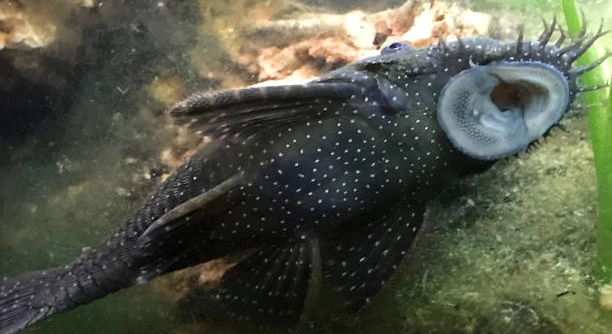
Are your bristlenose plecos ready for a new tank but you are unsure how to move them safely? Relocating these fish requires care to avoid stress and protect their delicate fins and bodies. Proper preparation is key.
The safest ways to relocate a bristlenose pleco include gradually acclimating them to new water conditions, using a secure container with minimal handling, and maintaining stable temperature and oxygen levels during transport. These steps reduce stress and physical harm effectively.
Knowing the right techniques ensures your plecos remain healthy and comfortable throughout the move. This guide will provide practical methods to make their transition smoother.
Preparing the New Tank
Before moving your bristlenose pleco, ensure the new tank is fully set up and stable. The water should be cycled, filtered, and tested for proper pH, ammonia, nitrite, and nitrate levels. Stable water parameters reduce stress and help the fish adjust quickly. Decorations, hiding spots, and plants should be in place to mimic the old environment. This familiarity gives the pleco security and lowers anxiety during the transition. Avoid adding any new chemicals or medications right before the move, as sudden changes can shock the fish. Maintaining a calm atmosphere around the tank also helps reduce stress, so limit vibrations and sudden movements nearby. Lighting should be adjusted to match its previous schedule to maintain normal behavior. Preparing everything in advance ensures the relocation goes smoothly and minimizes risks to the fish’s health.
Proper preparation allows the pleco to settle in faster and reduces potential health risks from stress or sudden changes.
A well-prepared tank is crucial for your pleco’s comfort. Ensuring water parameters match its current environment, and including familiar hiding places, makes acclimation easier. Avoid sudden temperature changes and keep the environment calm. This approach gives your pleco a smooth transition and reduces the chance of illness.
Transporting the Pleco Safely
Use a sturdy, secure container filled with water from the original tank to transport your pleco.
Keep the container covered to prevent jumping and maintain a stable temperature. Avoid overcrowding if transporting multiple fish. During transport, limit sudden movements and vibrations. Using an air stone or gentle aeration can help maintain oxygen levels, particularly for longer trips. Avoid leaving the fish in a hot or cold vehicle, and monitor them periodically to ensure they remain calm. Planning the trip carefully reduces stress and prevents injuries.
For short relocations, a small container with some water and a lid works fine, but longer trips require more attention. Temperature stability is key; use insulated bags or boxes if necessary. Avoid exposing the container to direct sunlight or cold drafts. Limit handling to reduce stress, and consider using a soft net if moving multiple plecos. Adding a few hiding places in the container can help the fish feel secure. Carefully monitoring oxygen levels and avoiding overpacking ensures all fish have enough space and air. Planning the route ahead, reducing transport time, and driving smoothly all contribute to a safer relocation. By paying attention to these details, your pleco can arrive healthy and ready to adjust to its new tank with minimal stress.
Acclimating Your Pleco
Gradually adjust your pleco to the new tank water by adding small amounts over time. This prevents shock from sudden changes in temperature, pH, or hardness.
Acclimation can be done by floating the transport container in the new tank for 15–20 minutes. Slowly add small amounts of tank water every five minutes until the container water is mostly replaced. This method allows your pleco to adjust to chemical differences and temperature changes without stress. Avoid rushing this process, as abrupt changes can cause illness or lethargy. Watch for signs of distress, such as rapid gill movement, and pause if needed.
Once the water in the container closely matches the tank water, gently release your pleco into the new tank. Avoid tipping or dumping the container, as this can damage fins or scales. Let the pleco explore at its own pace and provide hiding spots nearby. Monitoring behavior over the next few hours ensures it is settling in properly, adjusting without shock, and ready to thrive in the new environment.
Minimizing Stress During Relocation
Keep the tank quiet and limit disturbances during the first few days.
Stress can weaken your pleco’s immune system, so maintain consistent lighting and avoid tapping on the glass or sudden movements. Provide hiding spots and avoid overcrowding.
Temperature consistency is crucial; sudden changes can trigger stress responses and health issues. Ensure filtration and aeration are working correctly. Feeding should continue as normal, but observe if the fish is eating; a brief pause is natural. Reduce handling to the minimum and monitor water quality closely, performing small, careful adjustments if necessary. The more stable and calm the environment, the faster your pleco will adapt. By creating a quiet and predictable setting, you help your pleco regain confidence and reduce risks of illness during the relocation period.
Using Proper Equipment
A soft net is best for handling plecos, as rough nets can damage their fins or scales.
Avoid scooping them roughly. Containers with smooth edges and secure lids make transport safer and reduce stress during relocation.
Monitoring Water Quality
Check temperature, pH, and ammonia levels daily after the move. Stability ensures your pleco remains healthy and stress-free.
Sudden fluctuations can cause illness or weaken the immune system. Frequent testing during the first week helps catch issues early. Using water conditioners or partial water changes carefully maintains balance. Consistent monitoring gives you confidence that your pleco is adapting well to its new environment.
Feeding After Relocation
Offer food gradually and in small amounts.
Observe your pleco to ensure it is eating normally and adjusting without stress.
FAQ
How long should I acclimate my bristlenose pleco to the new tank?
Acclimation should take at least 30–45 minutes. Float the transport container in the new tank and slowly add small amounts of tank water every five minutes. This gradual process prevents shock from sudden temperature or water chemistry changes. Rushing acclimation can lead to stress, lethargy, or illness.
Can I transport my pleco in a bag instead of a container?
Yes, but use a strong, leak-proof bag and fill it only halfway with water. Adding an air pocket provides oxygen during transit. Keep the bag secure and avoid excessive movement. For longer trips, insulated containers help maintain stable temperature and reduce stress.
What should I do if my pleco hides for days after moving?
It’s normal for plecos to hide after relocation. Ensure the tank has enough hiding spots and maintain stable water conditions. Avoid tapping on the glass or trying to coax it out. Give it time to explore on its own. Monitoring feeding and behavior ensures it is adjusting well.
Is it safe to transport multiple plecos together?
Yes, if the container is large enough for each fish to have space. Overcrowding can increase stress and risk of injury. Provide some decorations or soft barriers to prevent fights and reduce anxiety during transport. Monitor water quality closely if multiple fish are transported together.
Should I feed my pleco before moving it?
It’s better to avoid feeding for 12–24 hours before transport. This reduces waste in the container, which can affect water quality and oxygen levels. After settling into the new tank, offer small amounts of food gradually, observing its appetite and behavior to ensure proper adjustment.
How do I prevent my pleco from jumping during relocation?
Use a secure lid or cover on the transport container. Plecos can jump when stressed or startled. Avoid sudden movements or vibrations near the container. Adding a few hiding spots or soft decorations inside can also help the pleco feel secure and reduce jumping attempts.
Can temperature changes harm my pleco during the move?
Yes, sudden temperature shifts can stress or even injure the fish. Keep the container at a stable temperature, ideally matching the original tank. For longer trips, insulated bags or boxes help maintain heat. Avoid placing the container in direct sunlight, near heaters, or in cold drafts.
How often should I test water after relocation?
Check water parameters daily for the first week, including temperature, pH, ammonia, nitrite, and nitrate. Small fluctuations can stress the fish, so early detection allows for timely intervention. Maintaining stable conditions ensures the pleco adjusts safely and reduces the risk of illness.
Is it okay to handle the pleco during transport?
Handling should be minimal. Use a soft net only if necessary, as rough nets or frequent contact can damage fins or scales. Let the fish remain in the container until ready to acclimate to the new tank. Gentle care during this period is essential for a safe move.
How long does it take for a pleco to fully adjust to a new tank?
Adjustment varies, but most plecos settle within a few days to a week. Provide stable water conditions, hiding spots, and minimal disturbances. Monitoring behavior, feeding, and health during this period ensures the pleco is adapting properly and helps you spot potential issues early.
Can stress from moving cause disease?
Yes, stress weakens the immune system and can make plecos more susceptible to illness. Keeping the tank environment stable, avoiding sudden changes, and reducing handling helps prevent stress-related health problems. Quarantine or observation can be useful if illness symptoms appear after relocation.
Are there signs my pleco is struggling after relocation?
Signs include excessive hiding, loss of appetite, rapid gill movement, unusual swimming patterns, or discoloration. These indicate stress or water quality issues. Check water parameters, provide hiding spots, and monitor closely. Prompt attention reduces the risk of long-term health problems.
Can I use water from the old tank in the new one?
Yes, adding some water from the original tank helps the pleco adjust to familiar bacteria and reduces stress. However, ensure the new tank is otherwise fully prepared with clean water, proper filtration, and decorations to support a safe transition.
Is partial water change recommended after relocation?
Partial water changes can help maintain water quality, but avoid drastic changes right after moving. Small, careful changes stabilize the environment and prevent stress. Always match the temperature and chemistry of the replacement water to the tank conditions.
How do I know if my pleco is comfortable in its new tank?
Comfortable plecos will explore gradually, eat regularly, and use hiding spots naturally. Reduced hiding and normal activity levels after a few days indicate adaptation. Continuous observation of behavior and health ensures a smooth transition and long-term wellbeing.
This FAQ provides practical guidance to address common concerns and helps ensure your bristlenose pleco experiences a safe, low-stress relocation. By following these tips, you can maintain a healthy environment and support the fish’s adjustment effectively.
Word count: 518
Final Thoughts
Relocating a bristlenose pleco can feel overwhelming, but with proper preparation, it does not have to be stressful for you or the fish. Ensuring the new tank is fully set up before moving the pleco is the first and most important step. Water quality should be tested for pH, ammonia, nitrite, and nitrate, and the temperature should match the old tank as closely as possible. Decorations and hiding spots help the pleco feel secure and reduce anxiety. Preparing everything in advance prevents last-minute mistakes that could harm the fish. A stable and familiar environment is the foundation of a safe relocation, and attention to small details makes a noticeable difference in how quickly the pleco adjusts.
Transporting the pleco requires care and a secure container. Whether using a container or a strong bag, the water should be clean, and the fish should have enough space to move without being cramped. Adding an air pocket or gentle aeration ensures oxygen levels remain sufficient during transport. Avoid handling the pleco excessively, as rough nets or frequent contact can damage fins and scales. Keeping the container covered and reducing vibrations prevents stress and potential injury. For longer trips, insulated containers help maintain a stable temperature. Small steps like monitoring the pleco during transport and ensuring the water remains calm go a long way in making the relocation safer and less stressful.
Once the pleco reaches the new tank, acclimation and ongoing care are key. Slowly introducing tank water into the transport container allows the fish to adjust to new water chemistry without shock. After release, observing behavior, feeding, and hiding patterns indicates how well the pleco is adapting. Stress should be minimized by maintaining a quiet environment, consistent lighting, and stable water conditions. Regular monitoring of water quality during the first week helps prevent illness and ensures the fish feels secure. By carefully managing preparation, transport, and acclimation, your bristlenose pleco can settle comfortably in its new tank. Following these steps not only protects the fish’s health but also supports long-term wellbeing and growth, making relocation a smooth and manageable process.
Word count: 414

Hello,
If you enjoy the content that we create, please consider saying a "Thank You!" by leaving a tip.
Every little bit helps us continue crafting quality advice that supports the health, happiness, and well-being of pets around the world, for pets of all shapes, sizes, and species.
We really appreciate the kindness and support that you show us!