
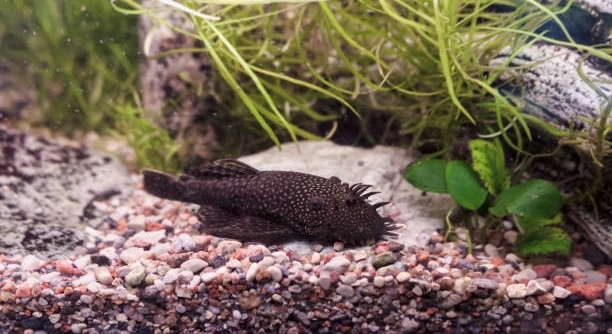
Have you ever wondered why your bristlenose plecos sometimes seem less active or avoid certain foods in your tank? These small, armored fish have distinct eating habits that can affect their overall health and appearance.
Well-fed bristlenose plecos exhibit clear signs of health, including smooth skin, vibrant coloration, regular grazing on algae, consistent weight, active movement, and responsiveness to feeding routines. Observing these behaviors can help maintain their longevity and well-being.
Recognizing these habits is essential for every aquarist aiming to ensure their plecos thrive in a home aquarium environment. Understanding their routines can make daily care more effective and rewarding.
Recognizing Healthy Feeding Patterns
Bristlenose plecos display specific behaviors when they are well-fed. Typically, they will actively graze on algae-covered surfaces or driftwood, nibbling consistently throughout the day. Their appetite remains steady, and they show interest when new food is introduced. Healthy plecos maintain a balanced body shape, avoiding signs of bloating or extreme thinness. A varied diet, including algae wafers, fresh vegetables, and occasional protein supplements, supports their growth and vitality. Observing the timing and frequency of their feeding helps identify any changes in behavior early. Overfeeding or sudden diet changes can stress the fish, leading to reduced activity or hiding. Consistent observation ensures plecos stay healthy, maintaining vibrant coloration and smooth skin. Proper water conditions, including clean, well-oxygenated water, also influence feeding habits. Water parameters such as pH, temperature, and hardness must align with species requirements to support digestion and nutrient absorption. Monitoring these factors helps prevent nutritional deficiencies and encourages natural grazing behaviors.
Well-fed plecos graze regularly, maintain consistent body weight, and respond actively to food without showing signs of stress or lethargy.
Tracking these patterns over several weeks allows for adjustments in feeding schedules or diet composition. Plecos often develop preferences for certain vegetables or wafers, and knowing these can make care more predictable. Additionally, observing social interactions can reveal dominance or competition during feeding. By noting these habits, it becomes easier to differentiate normal behavior from potential health issues.
Maintaining a Balanced Diet
Providing a balanced diet is key to keeping bristlenose plecos healthy. Supplementing algae with fresh vegetables like zucchini, cucumber, and spinach ensures they get essential nutrients for proper growth and energy.
Regularly rotating food types prevents nutritional gaps and encourages natural foraging behaviors. Algae wafers or sinking pellets offer consistent protein and fiber, complementing the vegetables. Occasional treats like bloodworms can add variety but should be limited to avoid overfeeding. Consistency in feeding times helps plecos anticipate meals, reducing stress and promoting activity. It is also important to remove uneaten food promptly to maintain water quality and prevent bacterial buildup. Observing each pleco individually ensures that shy or smaller fish are receiving enough nutrition. Balanced nutrition directly impacts coloration, fin condition, and overall vitality. Keeping a log of diet variations and their effects can highlight preferences and areas needing adjustment. By focusing on these details, aquarists can support long-term health and ensure their plecos remain active, vibrant, and thriving in their environment.
Observing Activity Levels
Well-fed bristlenose plecos are noticeably active, exploring surfaces and swimming steadily throughout the tank. They rarely hide for long periods and move confidently around their environment, signaling proper energy intake and overall health.
Active plecos exhibit grazing behaviors on driftwood, rocks, and glass, showing interest in algae and fresh vegetables. Their movements are deliberate rather than sluggish, and they interact calmly with tankmates. Inconsistent activity or sudden lethargy can indicate dietary issues or stress. Maintaining consistent feeding routines and water quality ensures that plecos stay energetic. Watching their patterns over time helps identify normal versus unusual behaviors, allowing for adjustments in care.
Monitoring activity also involves checking how plecos respond during feeding times. Healthy fish approach new food promptly and continue nibbling steadily. Changes in swimming patterns or reduced grazing may reflect minor nutritional gaps or environmental stressors. Tracking these behaviors alongside diet adjustments can improve overall well-being and maintain a thriving tank ecosystem for every pleco.
Monitoring Body Condition
A bristlenose pleco with a healthy diet maintains a well-proportioned body without signs of bloating or emaciation. Weight distribution remains even, supporting proper mobility and growth.
Regular observation helps detect subtle changes in body shape or texture. Smooth, firm skin and intact fins indicate effective nutrition and minimal stress. Plecos that appear overly thin or show sunken areas may need dietary adjustments or closer inspection of tank conditions. Comparing fish within the same tank can reveal differences in feeding success and highlight individuals requiring extra attention. Keeping track of these details ensures each pleco maintains optimal health.
Proper body condition also affects the fish’s activity, coloration, and resilience against disease. When plecos are well-nourished, their colors are richer, their fins are robust, and their grazing behavior remains consistent. Adjusting feeding methods, portion sizes, and food types can address minor imbalances. Monitoring body condition alongside activity and appetite provides a complete view of each pleco’s health. This approach allows for proactive care, ensuring plecos remain energetic, well-fed, and visually vibrant throughout their life in a home aquarium.
Consistent Appetite
Well-fed bristlenose plecos show a steady appetite, eating regularly without hesitation. They actively nibble on algae wafers, vegetables, and occasional protein supplements, maintaining balanced energy throughout the day.
A consistent appetite reflects proper nutrition and overall health. Plecos that suddenly refuse food or eat less may be stressed or experiencing minor health issues, requiring observation and adjustments in care.
Smooth Skin and Fins
Healthy plecos have smooth, intact skin and fins without tears or discoloration. Proper nutrition supports natural healing and resilience against minor injuries or abrasions in the tank environment.
Regular Grazing Habits
Plecos that are well-fed spend much of their time grazing on driftwood, rocks, and glass. This consistent behavior ensures they acquire sufficient nutrients and maintain digestive health. Observing grazing patterns can help identify early signs of diet insufficiency or stress, allowing timely intervention.
Bright Coloration
Vibrant coloration in bristlenose plecos indicates proper nutrition and overall well-being. Well-fed fish display richer tones and healthy markings, reflecting a balanced diet and a stable tank environment.
FAQ
How often should I feed my bristlenose pleco?
Bristlenose plecos should be fed once or twice daily, depending on their size and the amount of natural algae in the tank. Smaller fish may require more frequent, smaller meals, while adult plecos can thrive on one larger feeding combined with grazing throughout the day. Observing how quickly they finish food helps determine the correct portion size and prevents overfeeding, which can affect water quality and fish health.
What foods are best for a balanced diet?
A balanced diet includes algae wafers, fresh vegetables like zucchini, cucumber, spinach, and occasional protein sources such as bloodworms or shrimp pellets. Providing variety ensures that plecos receive essential nutrients, vitamins, and fiber needed for digestion and growth. Avoid feeding only one type of food, as this can cause deficiencies and affect overall health.
Can plecos eat only algae?
While bristlenose plecos do graze on algae naturally, algae alone does not provide sufficient nutrients for long-term health. Supplementing with vegetables and pellets ensures proper protein, fiber, and vitamin intake. A varied diet promotes energy, vibrant coloration, and proper body condition, helping plecos thrive in a home aquarium.
How can I tell if my pleco is overfed?
Overfed plecos may show bloating, lethargy, or leftover uneaten food in the tank. Their movements can become sluggish, and their appetite may decrease over time. Keeping a close eye on portion sizes and removing uneaten food promptly helps prevent overfeeding while maintaining water quality. Adjusting feeding routines based on observation is the safest approach.
Do plecos eat at night?
Bristlenose plecos are primarily nocturnal grazers. They often feed more actively in low-light conditions or at night. Providing food in the evening or using sinking pellets that remain available allows them to feed naturally. Observing nocturnal feeding behaviors ensures they are receiving adequate nutrition without competition from daytime tankmates.
How do I prevent picky eating?
Encouraging varied foods and consistent feeding times helps reduce picky eating. Introducing new vegetables or pellets gradually while observing preferences ensures plecos adjust to a balanced diet. Avoid changing foods abruptly, as this can stress the fish and lead to selective feeding habits. A consistent routine improves appetite and overall health.
Can I feed my pleco too much protein?
Excess protein, especially from bloodworms or meat-based pellets, can lead to digestive issues and water quality problems. Protein should be offered occasionally, with the main diet focused on vegetables and algae wafers. Monitoring how the fish digest food and adjusting protein portions helps maintain a healthy balance without overloading their system.
How important is feeding order with other fish?
Plecos may eat slower or be shy if other tankmates dominate feeding times. Placing food in separate areas and ensuring plecos have access reduces stress and guarantees they get their share. Observing interactions helps prevent nutritional deficiencies and supports harmonious tank dynamics.
Are there signs my pleco isn’t getting enough food?
Signs include thin bodies, faded coloration, reduced grazing, and lethargy. Poor growth and frayed fins may also indicate insufficient nutrition. Adjusting portion sizes, adding fresh vegetables, and monitoring feeding behavior ensures the pleco receives adequate nutrition for long-term health.
Can I use vegetables as the main diet?
Vegetables can be a significant part of the diet, but they should be combined with algae wafers and occasional protein. This approach ensures proper nutrition, including essential vitamins, minerals, and fiber. Rotating vegetables and offering varied textures encourages natural grazing behavior while keeping plecos healthy and active.
How do water conditions affect feeding?
Clean, well-oxygenated water supports digestion and appetite. Poor water quality, incorrect pH, or improper temperature can reduce feeding activity and nutrient absorption. Maintaining optimal tank conditions alongside a balanced diet ensures plecos remain energetic, vibrant, and healthy, reducing stress and promoting natural grazing patterns.
Can bristlenose plecos go without food for a day or two?
Yes, healthy adult plecos can tolerate short periods without food due to their natural grazing habits. However, consistent long-term fasting is harmful. Monitoring food intake and adjusting feeding schedules prevents nutritional deficiencies while supporting natural activity and growth.
What is the best way to introduce new foods?
Introduce new foods gradually alongside familiar items. Observing how the pleco reacts helps identify preferences and tolerance. Slowly increasing portion sizes and rotating vegetables or pellets ensures the fish accepts new nutrients without stress. Consistency and patience are key for a smooth transition.
How do I know my pleco is thriving?
Signs of a thriving pleco include steady grazing, bright coloration, smooth skin, intact fins, active movement, and a consistent appetite. Maintaining proper diet, water quality, and feeding routines ensures they remain healthy. Tracking behaviors over time provides insight into their overall well-being.
How often should I vary the diet?
Diet variation should occur weekly to provide essential nutrients while keeping plecos interested in their food. Rotating vegetables, pellets, and occasional protein ensures nutritional balance, reduces the risk of deficiencies, and encourages natural grazing behaviors throughout the tank.
This FAQ provides practical guidance for observing and maintaining healthy feeding habits in bristlenose plecos. Consistent attention to diet, activity, and environment ensures long-term well-being and vitality for each fish.
Word count: 503
Final Thoughts
Caring for bristlenose plecos requires attention to detail, especially when it comes to their diet and feeding habits. These fish may seem low-maintenance at first, but their health depends on consistent, balanced nutrition. Well-fed plecos display clear signs of vitality, including steady grazing, vibrant coloration, smooth skin, and active movement. Observing their behavior regularly allows you to notice small changes that may indicate a problem before it becomes serious. Even minor adjustments to feeding routines or diet composition can have a noticeable impact on their overall well-being. By understanding what constitutes a healthy, well-fed pleco, you can create a stable environment that encourages natural behaviors and promotes long-term health. Paying attention to their grazing patterns and appetite helps ensure each fish gets the nutrition it needs, while avoiding overfeeding protects water quality and prevents stress-related issues.
A balanced diet is key to keeping plecos healthy and thriving. Providing a mix of algae, fresh vegetables, and occasional protein supplements meets their nutritional needs and supports proper growth and energy levels. Vegetables like zucchini, cucumber, and spinach are excellent sources of fiber and essential nutrients, while algae wafers or sinking pellets provide consistent protein. Occasional treats like bloodworms can add variety, but they should not make up the main portion of the diet. Observing how plecos respond to different foods can help you determine their preferences and ensure all fish in the tank are eating enough. Maintaining this balance also impacts physical health, including fin condition, skin texture, and coloration. A consistent feeding schedule paired with proper portion control keeps plecos energetic and active, while supporting a stable tank environment for all aquatic life.
Monitoring water quality and tank conditions is equally important for maintaining healthy feeding habits. Proper oxygenation, temperature, and pH levels help support digestion and nutrient absorption, while poor water conditions can lead to reduced appetite, stress, and disease. Regular observation of each pleco’s behavior and body condition, combined with a varied diet, creates a clear picture of their overall health. By focusing on these key factors—feeding, diet balance, and water quality—you can ensure your bristlenose plecos remain well-fed, active, and vibrant for years to come. Consistency and attention to their needs make all the difference, helping you maintain a thriving aquarium where these fish can express natural behaviors and enjoy a long, healthy life.
Word count: 412

Hello,
If you enjoy the content that we create, please consider saying a "Thank You!" by leaving a tip.
Every little bit helps us continue crafting quality advice that supports the health, happiness, and well-being of pets around the world, for pets of all shapes, sizes, and species.
We really appreciate the kindness and support that you show us!