
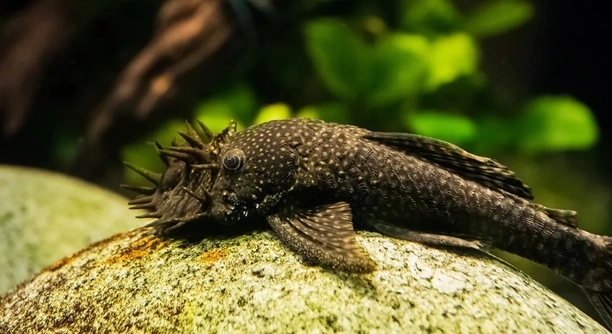
Are your plecos showing signs of sluggishness or frequent illness? Maintaining their immune health is essential for a thriving aquarium. Ensuring the right environment, diet, and care routines can significantly improve their overall well-being.
Boosting pleco immune health requires consistent attention to water quality, balanced nutrition, and environmental enrichment. Providing appropriate foods, maintaining stable tank conditions, and monitoring for early signs of stress strengthens their immune responses and reduces vulnerability to diseases.
Understanding these foundational practices will help you keep your plecos healthy. We will explore seven effective strategies to support their immune system daily.
Maintain Optimal Water Quality
Plecos are highly sensitive to their environment, and maintaining clean, stable water is crucial for their immune health. Regular water changes help remove toxins such as ammonia, nitrites, and nitrates that can weaken their immune system. Testing water parameters weekly allows you to monitor pH, hardness, and temperature, ensuring they remain within ideal ranges. Overfeeding or letting uneaten food decompose can lead to spikes in harmful compounds, which can stress your plecos and increase susceptibility to infections. Using a reliable filtration system supports consistent water quality while providing necessary aeration. Additionally, removing debris from the substrate and cleaning decorations helps prevent bacterial growth. Proper water flow and avoiding sudden temperature fluctuations contribute to a stress-free environment. A tank that mimics natural conditions, including hiding spots and gentle currents, supports both physical health and immune resilience. Simple maintenance routines, performed consistently, have a significant impact on long-term pleco health.
Regular water testing and cleaning routines are key to keeping plecos healthy and stress-free in the aquarium.
By keeping water quality high, plecos can maintain a strong immune system and thrive in their environment. A clean tank reduces stress, limits pathogen growth, and encourages natural behaviors. Stable parameters support proper metabolism, digestion, and overall vitality. Incorporating plants or smooth rocks adds shelter and reduces territorial conflicts, further lowering stress levels. Monitoring water regularly and performing partial water changes weekly creates a safe, balanced environment. Using gentle filtration and avoiding harsh chemicals prevents unnecessary stress or irritation. Even minor fluctuations in temperature or pH can compromise immunity, so consistency is essential. A well-maintained tank ensures plecos expend energy on growth and immune function rather than coping with environmental stressors. Over time, these efforts result in healthier, more active fish with a reduced risk of disease. Small, routine actions in care make a big difference in immune support.
Provide a Balanced Diet
A varied diet strengthens pleco immune health. Include algae wafers, fresh vegetables, and occasional protein sources for optimal nutrition. Avoid overfeeding, which can affect water quality and fish vitality.
Feeding a mix of vegetables, protein, and commercial foods provides essential nutrients. Variety prevents deficiencies and supports immune responses.
Ensuring a balanced diet helps plecos maintain energy, growth, and disease resistance. Leafy greens, zucchini, and cucumber offer fiber and vitamins, while small amounts of shrimp or bloodworms supply protein. Commercial wafers are fortified with minerals and trace elements needed for healthy organs and immune cells. Rotating food types encourages natural foraging behaviors and prevents boredom. Overfeeding can lead to water contamination, so portions should be controlled according to tank size and fish count. Observing feeding habits helps identify any loss of appetite or dietary issues early. Combining fresh foods with high-quality prepared options ensures plecos receive a complete nutrient profile that supports their immune system and overall vitality.
Reduce Stress in the Aquarium
Stress lowers pleco immune defenses and makes them more prone to illness. Providing hiding spots, stable water conditions, and gentle currents can reduce stress effectively. Avoid sudden changes in lighting, temperature, or tank setup.
Consistent tank conditions help plecos feel secure. Stress triggers hormonal changes that weaken immune function, making even minor infections more dangerous. Adding caves, driftwood, or plants allows plecos to retreat and establish territory, reducing competition and aggression. Observing their behavior helps identify stress signs early, such as hiding excessively or loss of appetite. Limiting loud noises or vibrations around the tank also supports a calm environment. Maintaining proper stocking levels ensures plecos are not overcrowded, which can cause chronic stress and suppress immunity.
A stress-free environment enhances pleco immune responses, encouraging normal feeding and natural behaviors. Consistency in water parameters, gentle currents, and adequate shelter reduces health risks and promotes long-term vitality.
Regular Health Monitoring
Checking plecos regularly for signs of illness helps prevent serious health issues. Look for unusual spots, fin damage, or abnormal swimming patterns.
Routine observation allows early intervention and supports overall immune health. Catching problems quickly prevents them from worsening and affecting other tank inhabitants.
Monitoring pleco health includes daily checks of physical appearance and behavior. Fin clamping, discoloration, or unusual swimming patterns may indicate infection or stress. Weighing or measuring growth periodically can also reveal nutritional or health issues. Quarantining new fish before adding them to the main tank reduces the spread of disease. Keeping a log of water parameters and feeding routines helps correlate changes in health with environmental factors. Addressing minor issues promptly, such as removing injured fish or treating early infections, prevents more serious complications. Regular attention to both behavior and physical condition supports immunity and maintains a thriving tank environment.
Maintain Proper Tank Temperature
Plecos thrive in stable water temperatures. Sudden fluctuations can weaken their immune system and increase susceptibility to illness. Monitor temperature daily and use a reliable heater or chiller if necessary.
Keeping the water within the ideal range supports metabolism and immune function. Avoid placing the tank near windows or vents where temperatures can change quickly.
Include Immune-Boosting Foods
Certain foods help strengthen pleco immunity. Vegetables like spinach, zucchini, and peas provide vitamins, while occasional protein supplements such as bloodworms support overall health.
Avoid Overcrowding
Too many fish in one tank raises stress levels and spreads disease faster. Maintaining appropriate stocking densities protects pleco health and reduces immune system strain.
FAQ
How often should I change my pleco’s water to support immune health?
Changing 20–30% of the water weekly is generally recommended. This helps remove waste, toxins, and uneaten food that can stress plecos and compromise their immune systems. Consistency is more important than large, infrequent changes, which can shock the fish.
What is the ideal temperature range for plecos?
Most plecos do well in temperatures between 74°F and 80°F (23°C–27°C). Keeping the temperature stable prevents stress, which can weaken immunity. Sudden drops or spikes make plecos more vulnerable to infections. Using a reliable heater or thermometer ensures stability.
Which vegetables are best for plecos’ diets?
Leafy greens like spinach, romaine lettuce, and kale are excellent choices. Zucchini, cucumber, and peas also provide essential nutrients. Rotate these vegetables regularly to prevent deficiencies and encourage healthy growth. Blanching hard vegetables can make them easier for plecos to eat.
Can plecos eat protein, and how much is safe?
Occasional protein is beneficial, such as bloodworms, shrimp, or specially formulated pellets. Limit protein to a few times per week to prevent water quality issues and digestive stress. Too much protein can cause ammonia spikes, negatively affecting both immunity and tank health.
How can I reduce stress in my pleco tank?
Provide hiding spots with caves, driftwood, or dense plants. Avoid overcrowding and aggressive tank mates. Keep lighting consistent and limit vibrations or loud noises. Stable water conditions and gentle currents also help plecos feel secure and maintain strong immune systems.
What signs indicate my pleco’s immune system is weak?
Signs include lethargy, loss of appetite, faded colors, fin clamping, or unusual swimming patterns. Early detection allows for quick interventions, such as adjusting water quality, improving diet, or isolating sick fish to prevent further illness.
Are water parameters important for immune health?
Yes. pH, hardness, ammonia, nitrite, and nitrate levels directly affect pleco immunity. Weekly testing ensures parameters remain within safe ranges. Proper filtration, regular water changes, and avoiding overfeeding help maintain a stable environment.
Should I quarantine new plecos before adding them to the main tank?
Quarantining for two to four weeks is recommended. This prevents introducing diseases that could overwhelm the immune system of your established fish. Monitor behavior, appetite, and physical condition during quarantine to ensure the new pleco is healthy before transfer.
Can supplements improve pleco immunity?
Vitamin and mineral supplements can be useful if the diet lacks variety. Foods fortified with essential nutrients or occasional commercial supplements support immune function. However, natural foods and consistent care usually provide most of the nutrients needed.
How does overcrowding affect immunity?
Overcrowding increases stress and aggression, which weakens the immune system. It also accelerates the spread of disease and increases ammonia buildup. Maintaining proper stocking levels keeps plecos healthy, reduces stress, and supports natural behaviors.
Is it important to observe pleco behavior daily?
Yes. Daily observation allows you to catch subtle changes in appetite, swimming, or appearance early. Prompt action can prevent minor issues from becoming serious illnesses, ensuring that the pleco’s immune system remains strong.
How often should I clean decorations and substrate?
Cleaning once every two to three weeks is usually sufficient. Remove debris, leftover food, and algae buildup to prevent bacteria proliferation. Avoid over-cleaning, which can disrupt beneficial bacteria that support water quality and fish health.
Can stress from tank mates weaken immunity?
Yes. Aggressive or territorial fish can intimidate plecos, causing stress and immune suppression. Choosing compatible tank mates and providing sufficient hiding spaces reduces conflicts and supports healthy immune function.
Are temperature fluctuations a common cause of illness?
Sudden drops or spikes in temperature can trigger stress and lower immunity. Consistent heating or cooling, along with careful monitoring, helps plecos maintain stable metabolic and immune responses.
What role does diet variety play in immune health?
A varied diet ensures plecos receive all essential nutrients, including vitamins, minerals, fiber, and protein. Lack of variety can lead to deficiencies, weakening the immune system and making them prone to infections. Rotating foods encourages natural foraging behaviors and overall vitality.
How quickly should I act if a pleco shows signs of sickness?
Immediate action is essential. Check water quality, adjust diet if needed, isolate sick fish, and monitor closely. Early intervention prevents disease from spreading and allows the immune system to recover more effectively.
Can proper tank layout support immunity?
Yes. Adequate space, hiding spots, and gentle currents reduce stress, encourage natural behaviors, and prevent aggressive interactions. A well-structured tank promotes a strong immune system and reduces the likelihood of illness.
Is overfeeding harmful to immunity?
Yes. Excess food decomposes, raising ammonia and nitrite levels, which stresses plecos. Feed small portions that they can consume within a few minutes to maintain both water quality and immune health.
How do I know if my pleco is getting enough nutrients?
Healthy plecos are active, have bright coloration, and maintain normal growth. Consistent feeding behavior and good digestion indicate nutrient intake is sufficient. Regularly rotating foods ensures they receive a complete diet that supports immunity.
Are supplements necessary for every pleco?
Not always. If you provide a balanced diet with fresh vegetables, protein, and fortified pellets, supplements are usually unnecessary. Use them only when dietary gaps are evident or under veterinary advice.
What is the best way to prevent common pleco diseases?
Maintaining clean water, reducing stress, providing a balanced diet, and monitoring behavior regularly are the most effective preventive measures. Quarantining new fish and avoiding overcrowding also minimize disease risks and strengthen immunity.
Can I improve immunity by adjusting tank lighting?
Indirectly, yes. Consistent lighting reduces stress and supports natural activity patterns. Avoid sudden changes or overly intense lighting that may disturb plecos and weaken their immune response.
How often should I check water parameters?
Weekly testing of ammonia, nitrite, nitrate, pH, and hardness is sufficient for most tanks. Frequent checks help detect changes early and allow for corrective measures before immunity is compromised.
Do algae wafers alone provide enough nutrition?
No. Algae wafers are convenient but lack full nutritional variety. Combining them with fresh vegetables and occasional protein ensures a balanced diet that supports immune health and overall growth.
How can I tell if quarantine was successful?
A healthy pleco in quarantine will eat regularly, swim normally, and show no signs of disease. Observing behavior and physical condition over several weeks confirms that the fish is safe to join the main tank.
What is the role of stress reduction in long-term immunity?
Chronic stress suppresses immune function, making plecos more vulnerable to illness. Providing hiding spots, compatible tank mates, stable water, and a calm environment supports long-term health and resilience against pathogens.
How do I balance diet and water quality?
Feed in small, controlled amounts, offering a mix of vegetables, protein, and fortified wafers. Remove uneaten food promptly to prevent water contamination while ensuring nutritional needs are met.
Can plecos recover immunity after illness?
Yes, if stress is minimized, water quality is maintained, and nutrition is adequate. Early intervention and supportive care allow the immune system to regain strength and help prevent future infections.
What are signs of overfeeding affecting immunity?
Excessive uneaten food, cloudy water, algae blooms, and increased ammonia levels indicate overfeeding. These conditions stress plecos, reduce immune function, and increase the risk of disease.
How do hiding spots impact immune health?
Hiding spots reduce stress by providing security and territory. Less stress means plecos can allocate more energy to growth, repair, and immune function, supporting overall vitality.
Are routine checkups with a vet necessary for plecos?
While not always required, consulting an aquatic veterinarian when unusual illness or behavior occurs ensures proper diagnosis and treatment, supporting immune recovery.
Can sudden tank rearrangements affect immunity?
Yes. Moving decorations, rocks, or plants abruptly can stress plecos, weaken immune responses, and make them more prone to infections. Gradual adjustments are safer.
How does overcrowding affect feeding behavior?
Competition for food increases stress and may prevent some plecos from eating enough. Ensuring adequate space and distributing food evenly supports nutrition and immunity.
Are some pleco species more sensitive to immune issues?
Yes. Smaller or more delicate species often require stricter water quality and stable conditions to maintain strong immunity. Understanding species-specific needs is essential for health.
Is it necessary to remove uneaten food immediately?
Yes. Decomposing food releases toxins that stress plecos and reduce immunity. Prompt removal helps maintain water quality and overall health.
How do I know if stress is affecting immunity?
Signs include hiding excessively, loss of appetite, faded colors, and unusual swimming patterns. Addressing stressors promptly supports immune function and recovery.
Can temperature fluctuations be subtle yet harmful?
Even small, frequent changes in temperature can stress plecos over time. Maintaining a consistent range prevents chronic stress and protects immunity.
Is it better to have a single pleco or multiple?
Depending on species, some plecos do well alone, while others thrive with compatible companions. Avoid overcrowding to reduce stress and preserve immune health.
How long does it take for a pleco’s immune system to strengthen after care adjustments?
Improvement can be noticed within days to weeks, depending on stress levels, diet, and water quality. Consistent care supports gradual recovery and long-term health.
Can introducing live plants help immunity?
Yes. Live plants improve water quality, provide shelter, and reduce stress, indirectly supporting a stronger immune system for plecos.
Is monitoring pleco behavior more important than appearance?
Both are important. Behavior often shows early signs of stress or illness before visible symptoms appear, allowing for timely intervention.
How do I prevent recurring infections?
Maintain clean water, reduce stress, provide a balanced diet, and quarantine new fish. Consistency in care prevents repeated immune challenges and supports long-term health.
What role does tank size play in immunity?
Larger tanks reduce stress from overcrowding, provide space for natural behaviors, and help maintain stable water conditions, all of which strengthen immune function.
Can frequent water changes alone ensure immunity?
No. Water changes are essential but must be combined with proper diet, stress reduction, and careful monitoring for effective immune support.
How important is observation during feeding?
Watching feeding behavior helps identify picky eaters, digestive issues, or signs of stress early, ensuring nutritional needs are met and immunity stays strong.
Should I adjust feeding during seasonal changes?
Yes. Metabolism may slow in cooler temperatures. Adjust portions and feeding frequency to match activity levels while preventing overfeeding and water quality issues.
Can plecos thrive on a vegetarian diet alone?
Many species can, but occasional protein supplements improve growth and immune strength. A varied diet ensures all nutrients are provided.
How can I tell if water quality is affecting immunity?
Cloudy water, algae blooms, elevated ammonia or nitrite levels, and unusual fish behavior indicate water stress, which compromises immune function. Regular testing helps prevent problems.
Are stress and diet equally important for immunity?
Yes. Both significantly impact immune function. Poor diet weakens defenses, while stress triggers hormonal changes that suppress immunity. Balancing both factors is key.
Can frequent handling affect immune health?
Yes. Excessive handling stresses plecos and increases vulnerability to disease. Minimize interaction and disturbances to support immune function.
Is consistency in care more important than occasional intensive treatments?
Absolutely. Daily attention to water quality, diet, and stress reduction is more effective for long-term immunity than infrequent intensive interventions.
How do I know if my tank setup supports immunity?
A well-maintained tank has stable water, hiding spots, compatible tank mates, and proper nutrition. Observing active, healthy plecos confirms the setup is effective.
Can stress from lights or noise reduce immunity?
Yes. Sudden bright lights, frequent tapping, or loud sounds increase stress levels, suppressing immune responses. Maintaining a calm environment supports health.
What is the most critical factor for pleco immune health?
Consistent care combining stable water, balanced diet, reduced stress, and regular monitoring is the foundation for strong immune function and long-term vitality.
How do I prevent future health issues?
Maintain water quality, provide a varied diet, reduce stress, monitor behavior, and quarantine new fish. Consistent practices ensure immunity remains strong.
Are supplements a replacement for proper care?
No. Supplements can support immunity but cannot replace clean water, proper diet, or low-stress conditions. They are only an addition, not a substitute.
Can small mistakes in care accumulate over time?
Yes. Minor neglect in water quality, diet, or stress management can gradually weaken immunity, making plecos more susceptible to disease. Consistency is key.
How long should quarantine last for new fish?
Two to four weeks is recommended, depending on species and observed health. This period allows early detection of illness and protects the main tank.
What’s the simplest way to support immune health daily?
Feed a balanced diet, maintain clean water, provide hiding spots, and observe behavior consistently. Small, daily actions create a strong foundation for immunity.
How can I tell if my pleco is thriving?
Active swimming, healthy appetite, vibrant colors, normal growth, and minimal stress behaviors indicate a strong immune system and overall health.
Is patience important in improving immunity?
Yes. Recovery and immune strengthening take time. Consistent care and observation are more effective than rapid or extreme interventions.
Can diet and environment fully prevent disease?
While they greatly reduce risk, no method guarantees complete prevention. Early detection and prompt care are always necessary.
Does stress from tank mates or overcrowding have long-term effects?
Chronic stress can permanently reduce immune function, slow growth, and increase disease susceptibility. Proper stocking and compatible companions are essential.
Are all pleco species equally hardy?
No. Some species tolerate minor changes better, while others are more sensitive to water quality, diet, or stress. Understanding species-specific needs ensures proper immune support.
Can poor water quality undo good diet practices?
Yes. Even a perfect diet cannot compensate for high ammonia, nitrite, or nitrate levels. Clean, stable water is crucial for immune function.
Is daily observation time-consuming?
Not necessarily. A few minutes each day to watch feeding, behavior, and appearance is sufficient to detect early problems and maintain immunity.
How do I maintain immunity during vacations or absences?
Use automated feeders, check water parameters beforehand, and arrange for someone knowledgeable to monitor the tank. Consistency prevents stress and supports immune health.
Are hiding spots more important than open swimming space?
Both are necessary. Hiding spots reduce stress, while open areas allow natural swimming and foraging. A balanced setup supports immunity.
What happens if a pleco is stressed repeatedly?
Repeated stress suppresses immune function, slows growth, and increases susceptibility to infections. Reducing stressors is essential for long-term health.
Is observation more critical than intervention?
Observation allows early detection, which is more effective than treating problems after they worsen. Consistent monitoring protects immunity.
How do I know if quarantine or tank conditions are failing?
Signs include lethargy, loss of appetite, unusual coloration, or abnormal swimming. Prompt action prevents immune suppression and disease spread.
Are immune-boosting foods necessary every day?
Variety is more important than daily supplements. Rotating vegetables, protein, and fortified wafers provides nutrients that naturally support immunity over time.
Can small tanks increase immune challenges?
Yes. Limited space can elevate stress and water contamination, which weakens immune responses. Proper stocking and filtration mitigate risks.
Do hiding spots reduce aggressive interactions?
Yes. Hiding spots allow plecos to retreat, lowering stress, preventing injuries, and supporting a strong immune system.
How quickly should I respond to water parameter changes?
Immediately. Even minor spikes in ammonia or nitrites can stress plecos and compromise immunity. Prompt adjustment prevents long-term health issues.
Can overfeeding alone weaken immunity?
Yes. Excess food decomposes, raising toxins in the water. Stress and poor water quality directly affect immune strength.
Is it possible to fully prevent stress?
No. Some stress is natural, but minimizing avoidable stressors supports immune health and overall vitality.
Can plecos’ immune health improve without supplements?
Yes. Proper diet, stable water, and low-stress conditions are usually sufficient to maintain strong immunity. Supplements are optional.
How do I know if tank mates are causing stress?
Aggressive chasing, hiding, loss of appetite, or clamped fins indicate stress from companions. Adjusting tank mates reduces immune suppression.
Are visual checks enough for health monitoring?
Visual observation is critical, but it should be combined with water testing and monitoring feeding behavior to fully assess immune health.
Can immune issues appear suddenly?
Yes. Even with good care, disease or environmental changes can trigger acute immune challenges. Early detection and response are vital.
Does cleaning too often harm immunity?
Over-cleaning can disrupt beneficial bacteria. Gentle, regular maintenance supports both water quality and immune system stability.
Are immune-boosting strategies species-specific?
Somewhat. While core principles apply to most plecos, certain species have unique dietary or environmental needs for optimal immune support.
How can I maintain immunity in multi-species tanks?
Ensure compatible tank mates, balanced feeding, stable water, and sufficient hiding spaces. Monitor behavior to prevent stress-induced immune suppression.
Can stress affect digestion and immunity simultaneously?
Yes. Stress slows metabolism, reduces appetite, and weakens immune defenses, making plecos more susceptible to illness.
Are routine water tests enough to maintain immunity?
Water tests are essential but must be combined with proper diet, stress reduction, and observation to fully support immune health.
What is the single most effective daily practice for immunity?
Feeding a balanced diet, maintaining water quality, observing behavior, and minimizing stress consistently ensures strong immune function.
How long does it take to see improvement after care adjustments?
Signs of improvement can appear within days, but full immune recovery may take weeks, depending on stress and overall health.
Is isolation necessary for sick plecos?
Yes. Separating ill plecos prevents disease spread and allows focused care to support recovery and immune restoration.
Can environmental enrichment alone boost immunity?
Yes, indirectly. Providing hiding spots, plants, and natural structures reduces stress, allowing plecos to allocate energy to immune function.
Are fortified wafers sufficient without fresh vegetables?
No. Fresh vegetables provide fiber, vitamins, and nutrients not fully present in wafers. Combining both ensures complete
Maintaining pleco immune health is all about consistency and attention to detail. A strong immune system starts with clean water, a balanced diet, and a stress-free environment. Each of these factors plays a critical role in preventing illness and promoting long-term well-being. Regular water changes remove harmful substances such as ammonia, nitrites, and nitrates, which can weaken immunity. Keeping the water temperature and pH stable ensures that plecos are not subjected to sudden stress, which could compromise their health. Even small adjustments, like monitoring water flow or adding gentle currents, can make a noticeable difference in their comfort and immune response. By staying attentive to these details, you create a foundation for healthier, more resilient fish.
Feeding a varied and nutrient-rich diet is equally important. Plecos require a mix of vegetables, protein, and fortified commercial foods to receive all the necessary vitamins, minerals, and trace elements. Fresh vegetables like zucchini, spinach, and peas provide fiber and essential nutrients, while occasional protein sources such as bloodworms or shrimp support growth and overall vitality. Commercial wafers supply additional minerals that may not be easily obtained from fresh foods alone. Rotating food types encourages natural foraging behavior and prevents nutrient deficiencies, which can weaken immunity. Overfeeding should be avoided, as uneaten food can decompose, affecting water quality and creating stress that undermines the immune system. Observing feeding habits closely helps identify any changes in appetite or digestion, allowing for quick adjustments that support overall health.
Stress reduction is another critical component of pleco care. Providing hiding spots, caves, or plants allows plecos to retreat and establish territory, reducing anxiety caused by tank mates or environmental changes. Avoiding overcrowding, loud noises, and frequent disturbances minimizes stress, helping plecos maintain normal behaviors and a strong immune system. Daily observation is essential to notice early signs of illness or stress, including changes in swimming, appetite, or coloration. Addressing minor issues promptly prevents them from escalating into more serious health problems. Over time, a consistent routine that combines proper diet, clean water, and a calm environment ensures plecos remain active, healthy, and resilient. By following these practices, you can confidently support their immune health and create a thriving aquarium that benefits both the fish and the overall tank ecosystem.

Hello,
If you enjoy the content that we create, please consider saying a "Thank You!" by leaving a tip.
Every little bit helps us continue crafting quality advice that supports the health, happiness, and well-being of pets around the world, for pets of all shapes, sizes, and species.
We really appreciate the kindness and support that you show us!