
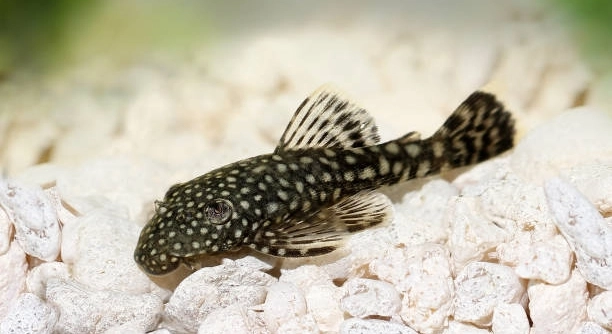
Is your pleco constantly pressed against the filter intake in your aquarium? Many fish owners notice this behavior and feel concerned. Understanding why it happens can help you provide a healthier environment for your aquatic pets.
The main reason plecos stick to the filter intake is related to oxygen flow and surface attraction. Strong water currents draw them in, and the filter area often provides more oxygen, which plecos instinctively seek for comfort and survival.
Knowing the reasons behind this behavior can help you adjust your tank setup and care routine for a safer, more comfortable environment for your pleco.
Why Plecos Stick to Filter Intakes
Plecos are naturally drawn to areas with strong water flow because it mimics the conditions of their natural river habitats. The filter intake creates a steady current, which plecos often use to rest while staying partially supported. They do not always swim actively like other fish, preferring to cling or hover near surfaces. In many cases, the filter intake also provides a higher concentration of oxygen, which can feel more comfortable for your pleco. Sometimes, this behavior is more noticeable in tanks with low oxygen levels or high temperatures. Plecos have sensitive gills and benefit from constant access to well-oxygenated water. Over time, they may repeatedly return to the same spot because it offers both security and comfort. Observing your pleco can give you insights into their preferences, allowing you to adjust the tank setup for a healthier environment.
Strong currents near the filter intake can feel safer and more comfortable for your pleco.
Adjusting the filter output or adding decorations near the intake can help redirect your pleco’s attention. Providing driftwood or smooth rocks offers resting spots that mimic natural surfaces. Monitoring water quality is also important, as poor conditions can increase dependence on the filter area. Overfeeding or leftover food can accumulate near the intake, drawing plecos closer. Some plecos are more active at night, but they still rely on strong currents during the day. Tank size plays a role too; smaller tanks may make the filter intake a more central feature. By understanding your pleco’s behavior, you can balance water flow, oxygenation, and hiding spots to create a comfortable environment. These steps ensure your pleco feels secure without constantly clinging to the filter.
How to Reduce Filter-Related Behavior
Providing alternative resting areas can help your pleco move away from the filter intake.
Introducing smooth driftwood, broad leaves, and rock formations encourages your pleco to explore other areas. Ensuring proper water flow and oxygen throughout the tank reduces the need to cling to one spot. Some tank designs allow for diffusers that distribute water more evenly. Monitoring water parameters is critical; low oxygen or high waste levels make filter areas more appealing. Changing feeding locations and feeding smaller amounts can prevent leftover food from accumulating near the intake. Over time, plecos may gradually shift to other areas as they feel more secure. Creating multiple zones with adequate hiding places gives your pleco options and helps prevent stress from constant pressure near the filter. These small adjustments can make a noticeable difference in daily behavior, leading to a calmer, healthier fish.
Signs Your Pleco Is Stressed
Clinging to the filter intake constantly can indicate stress. Other signs include rapid gill movement, fading color, or staying in one place for long periods. Recognizing these behaviors early helps prevent long-term health problems.
Stress in plecos can result from water quality issues, overcrowding, or poor tank conditions. High ammonia, nitrite, or nitrate levels make fish more likely to seek well-oxygenated areas like the filter intake. Temperature fluctuations also contribute to stress, especially if water is too warm. Even seemingly small changes, like rearranging decorations or moving the tank, can impact a pleco’s comfort. Consistently observing your pleco’s habits and water parameters helps identify the source of stress. Addressing these issues promptly improves their overall well-being and reduces the constant need to cling to the filter.
Plecos may also experience stress due to inadequate hiding spots. Without places to retreat, they feel exposed, making the filter intake a default refuge. Providing caves, driftwood, and other secure areas encourages exploration and reduces anxiety. Over time, a well-structured tank promotes more natural behaviors.
Adjusting Tank Conditions
Small changes in water flow and oxygen levels can reduce filter cling behavior.
Balancing flow throughout the tank ensures plecos don’t feel forced to remain near the intake. Adding air stones or diffusers spreads oxygen evenly, helping plecos move freely. Water temperature should be stable and within species-appropriate ranges, as fluctuations increase stress. Cleaning the tank regularly and maintaining proper filtration prevents waste buildup, which often draws plecos to filter areas. Adjusting feeding schedules or locations can also prevent leftover food near the intake, encouraging plecos to explore other areas. Observing your pleco over time allows you to fine-tune these adjustments for a calmer, healthier fish that uses the entire tank rather than relying solely on the filter intake.
Common Mistakes With Filter Placement
Placing the filter too close to hiding spots or open swimming areas can create strong currents that stress plecos. Many owners overlook the effect of flow direction and speed, which can make the intake the most comfortable place in the tank.
Overpowered filters may leave weaker areas with low oxygen, causing plecos to cling near the intake. Adjusting output and repositioning decorations can balance currents, encouraging plecos to explore other areas of the tank.
Improving Tank Oxygen Levels
Using air stones, diffusers, or surface agitation increases oxygen distribution. Proper oxygenation reduces dependence on filter areas, supporting healthier pleco behavior.
Feeding and Placement Adjustments
Leftover food near the intake attracts plecos constantly. Moving feeding spots encourages them to explore other areas and reduces stress from staying near the filter.
FAQ
Why is my pleco always stuck to the filter intake?
Plecos are naturally drawn to areas with strong currents and higher oxygen levels. The filter intake creates both, making it a comfortable resting spot. Poor water quality, high temperatures, or lack of hiding spaces can also increase this behavior.
Is it harmful for my pleco to stay near the filter?
Staying near the filter isn’t immediately harmful, but prolonged pressure against the intake or exposure to strong currents can cause stress or minor injuries. It can also indicate underlying issues like low oxygen or improper tank setup that need attention.
How can I encourage my pleco to move away from the filter?
Providing hiding spots like driftwood, smooth rocks, or caves can help. Adjusting filter output to reduce strong currents, adding diffusers or air stones for even oxygen distribution, and relocating feeding areas can encourage plecos to explore other parts of the tank.
Can water quality affect this behavior?
Yes. High ammonia, nitrite, or nitrate levels, fluctuating pH, or inconsistent temperatures increase stress. Plecos seek well-oxygenated areas like the filter intake when water conditions are poor. Regular water testing, cleaning, and partial water changes help maintain stable, healthy conditions.
Are certain pleco species more likely to cling to filters?
Some species, especially smaller or more sedentary plecos, are more prone to using the filter as a resting spot. Larger or more active plecos may explore the tank more freely but will still use strong currents for comfort or oxygen access.
Does feeding location matter?
Yes. Plecos often move to areas where food is present. Feeding near the filter intake can reinforce the behavior, while placing food in different areas encourages them to explore and reduces constant cling.
Can tank size impact this behavior?
Smaller tanks make the filter intake a more central and comfortable area for plecos. Larger tanks provide more options for resting, hiding, and feeding, reducing reliance on one spot. Proper decoration and layout in any tank size help distribute activity and comfort zones.
Is it normal for plecos to be nocturnal?
Plecos are naturally more active at night. During the day, they may cling to the filter intake for security or oxygen, especially if they feel exposed. Providing hiding places and gentle currents allows them to rest comfortably during daylight hours.
How long does it take for plecos to adjust after changes?
Adjustment depends on the fish and the severity of environmental changes. Small changes like moving decorations or adjusting flow may take a few days, while correcting water quality issues or adding hiding spots may take one to two weeks for consistent behavior changes.
Should I worry if my pleco scratches against the intake?
Scratching or rubbing can indicate irritation from strong currents, poor water quality, or parasites. Monitor behavior closely and check water parameters. Minor contact is often harmless, but repeated irritation requires adjustments to tank conditions or veterinary advice.
Can stress from other fish cause this behavior?
Yes. Aggressive tankmates or overcrowding can make plecos seek refuge near the filter intake. Ensuring peaceful companions, adequate space, and multiple hiding spots can reduce stress and encourage more natural swimming behavior.
Are there any long-term consequences if my pleco stays near the filter?
If environmental issues persist, long-term stress can weaken the immune system, stunt growth, or cause behavioral problems. Correcting tank conditions, ensuring proper oxygenation, and offering hiding spaces help prevent negative effects and support overall health.
Does water flow direction affect pleco behavior?
Strong or uneven water flow can make certain areas, like the filter intake, more attractive. Adjusting direction and intensity helps distribute currents evenly, reducing stress and encouraging your pleco to use the entire tank.
How do I know if my pleco is comfortable in the tank?
Signs of comfort include exploring the tank, resting in hiding spots, eating well, and showing normal coloring. Constant cling to the filter, rapid gill movement, or fading colors indicate adjustments are needed for a healthier environment.
Can I use decorations to redirect my pleco?
Yes. Driftwood, rocks, and plants near but not at the filter intake can give plecos alternate resting spots. Creating multiple zones with varying flow and hiding areas encourages exploration and reduces dependency on the intake area.
Do plecos prefer specific temperatures or oxygen levels?
Plecos thrive in stable, species-appropriate temperatures and well-oxygenated water. Fluctuations in temperature or low oxygen increase filter-seeking behavior. Monitoring tank conditions and making gradual adjustments helps maintain comfort and natural behavior.
How often should I check the filter and tank setup?
Weekly checks of filter output, flow, and water quality help maintain a healthy environment. Observing pleco behavior alongside these checks ensures adjustments are effective and prevents stress from building unnoticed.
Can plecos damage themselves on the filter intake?
Constant pressure against strong suction or rough edges may cause minor injuries. Using protective screens, adjusting suction, and balancing flow prevents harm while allowing plecos to enjoy comfortable resting areas.
Is it okay if my pleco ignores other areas of the tank?
Yes, as long as water quality is good and hiding spots are available. However, persistent avoidance may signal stress, poor oxygenation, or discomfort in other parts of the tank that should be addressed.
Do plecos change behavior with age?
Yes. Younger plecos may explore more, while older or larger plecos tend to be more sedentary. Changes in activity, resting spots, or feeding behavior often reflect natural aging rather than problems, though environmental factors can amplify these changes.
Will adding more plecos affect filter behavior?
Adding more plecos can increase competition for oxygen and hiding spots, sometimes making the filter intake a central refuge. Adequate tank size, decorations, and even oxygen distribution help reduce stress and maintain balance among multiple plecos.
How long does a pleco typically cling to the filter in a day?
Duration varies based on tank conditions, flow strength, and individual behavior. Some may cling intermittently, while others remain for hours. Ensuring comfort throughout the tank helps reduce prolonged filter dependence without restricting natural habits.
Is it normal for plecos to return to the same spot repeatedly?
Yes. Plecos are territorial and prefer familiar, safe areas. Consistently returning to the filter intake can indicate comfort or reliance on oxygenated water, but it may also signal the need for additional hiding spots or environmental adjustments.
What should I do if my pleco refuses to leave the intake after adjustments?
Give time for gradual adaptation. Continue monitoring water quality, oxygen levels, and temperature. Additional hiding spots or decorations may help. Some plecos are naturally drawn to strong currents, so patience combined with consistent environmental improvements is often needed for lasting changes.
How do I know if the behavior is serious?
Persistent cling, rapid gill movement, fading color, or lack of exploration are red flags. Checking water quality, tank setup, and observing interactions with other fish helps determine if the behavior is due to stress, environmental issues, or natural preference.
Can plecos become dependent on the filter area?
Yes, especially in small tanks or with poor oxygenation. Providing balanced water flow, multiple hiding spots, and distributed feeding areas reduces dependency and encourages natural movement throughout the tank.
Are there signs of illness connected to filter cling?
Cling combined with lethargy, loss of appetite, or unusual spots can indicate illness. Regular observation, water testing, and prompt treatment of disease or parasites are critical to prevent complications.
Do tank decorations influence filter behavior?
Absolutely. Lack of hiding spots or uneven placement can push plecos toward the filter. Thoughtful layout, driftwood, rocks, and plants provide options and encourage movement away from the intake.
Can adjusting lighting affect behavior?
Yes. Plecos are nocturnal and prefer dim areas during the day. Bright lighting may push them toward shaded spots like behind the filter intake. Offering low-light areas or using floating plants can help distribute activity naturally.
Should I separate my pleco if it clings too much?
Separation is usually unnecessary unless aggression or health issues occur. Focus on improving tank conditions, hiding spots, and oxygen distribution first. Most plecos adapt with environmental adjustments rather than requiring isolation.
Do plecos use the filter intake for food?
Sometimes. Food particles near the intake attract them. Moving feeding locations and avoiding leftover accumulation can redirect attention and reduce constant cling.
Can the type of filter make a difference?
Yes. Strong suction or uneven flow may draw plecos more than gentle, evenly distributed filtration. Adjusting output or adding diffusers helps create a balanced environment that plecos use without stress.
Is it normal for plecos to interact with the filter physically?
Mild contact is common, but constant rubbing or scraping may indicate irritation from suction, water quality, or parasites. Protective measures and environmental improvements reduce risk and promote safer interaction.
Do plecos prefer certain areas of the filter?
They tend to favor edges or areas with moderate suction and strong oxygen flow. Observation helps determine which spots are most comfortable and allows you to adjust placement or flow accordingly.
How can I monitor changes over time?
Track daily behavior, resting spots, feeding, and interaction with other fish. Pair this with weekly water testing and filter checks to ensure adjustments are effective and plecos remain healthy.
Can stress cause permanent behavior changes?
Long-term stress can impact growth, immunity, and activity. Early recognition and intervention with proper water quality, hiding spots, and balanced flow prevent permanent negative effects.
What else should I consider if my pleco clings constantly?
Tank size, water quality, flow, oxygen, hiding spots, diet, and tankmates all influence behavior. Regular observation and small adjustments improve comfort, reduce filter dependence, and support overall health.
How important is tank layout in preventing cling behavior?
Tank layout is critical. Multiple hiding spots, distributed feeding areas, and balanced currents encourage plecos to explore and reduce reliance on the filter intake. Thoughtful arrangement improves both behavior and well-being.
Does this behavior affect other fish?
Indirectly. Overcrowding at the filter intake can increase stress for other species. Providing space, hiding spots, and balanced flow ensures harmonious interactions for all tank inhabitants.
Are there long-term strategies to prevent cling?
Consistent water quality, appropriate tank size, well-placed hiding spots, gentle currents, and distributed feeding areas are key. Regular observation and small, gradual adjustments maintain a healthy environment and reduce filter dependence over time.
Can environmental enrichment help?
Yes. Adding driftwood, caves, plants, and gentle currents creates stimulation and comfort, encouraging natural exploration away from the filter intake.
Is filter cling more common in certain tank conditions?
Yes. Poor oxygenation, strong suction, small tanks, and limited hiding spots all increase the likelihood of cling behavior. Improving these factors helps reduce dependency.
How do I know if my pleco is happy?
A comfortable pleco explores the tank, uses hiding spots, maintains normal color, eats well, and shows natural nocturnal activity. These behaviors indicate good adaptation to the environment and minimal stress.
What’s the first step in correcting cling behavior?
Check water quality and oxygen levels. Then adjust flow, add hiding spots, redistribute feeding, and monitor behavior. Gradual, consistent changes promote healthier habits and reduce filter dependence.
Can plecos adapt to strong currents over time?
Yes. Plecos naturally cling to currents, but with balanced flow and multiple resting areas, they can adjust, exploring the tank more freely without constant reliance on the filter intake.
Do plecos ever stop using the filter intake entirely?
Some may continue to use it occasionally due to preference for oxygenated areas or gentle currents. However, improving overall tank conditions ensures they do not rely on it exclusively.
Is professional advice necessary for persistent behavior?
If cling behavior persists despite adjustments or is accompanied by signs of illness, consulting an aquatic veterinarian or experienced aquarist ensures proper diagnosis and intervention for your pleco’s health.
Does adding plants help reduce cling?
Yes. Plants create shaded, oxygen-rich areas and additional hiding spots. This encourages plecos to explore and distribute their activity across the tank rather than staying near the filter intake.
Can temperature stabilization improve behavior?
Stable, appropriate temperatures reduce stress and the need to cling near the intake for comfort. Sudden fluctuations make filter areas more appealing as plecos seek stable, oxygenated water.
How long should I wait to see results after changes?
Behavioral adjustments can take days to weeks. Consistent monitoring and gradual environmental improvements allow plecos to adopt healthier habits naturally without sudden stress.
Is this behavior more noticeable in smaller tanks?
Yes. Limited space and fewer hiding spots make the filter intake a central resting area. Enhancing tank layout and oxygen distribution helps plecos explore and reduces dependency.
What are signs the changes are working?
Plecos start using hiding spots, exploring the tank, showing normal coloring, eating well, and reducing time spent at the filter intake. Gradual improvement indicates healthier adaptation.
Can plecos become territorial around the filter?
Yes, especially if it’s a prime resting or oxygenated area. Providing multiple zones with hiding spots prevents territorial disputes and encourages peaceful behavior throughout the tank.
Does adding more filters help?
Multiple gentle filters or diffusers distribute flow and oxygen evenly, reducing stress on plecos and preventing overreliance on a single intake point. Proper placement is key for balance.
Is monitoring behavior enough to prevent problems?
Behavioral observation is crucial but must be paired with water testing, proper tank setup, and regular maintenance to fully support pleco health and prevent long-term issues.
Are there natural alternatives to reduce cling?
Yes. Driftwood, caves, smooth rocks, plants, and gentle current adjustments mimic natural environments and encourage plecos to explore other areas, reducing filter dependency while promoting natural behavior.
Do all plecos react the same way to changes?
No. Individual personality, species, and past experiences affect behavior. Patience and gradual adjustments help all plecos adapt while respecting their unique tendencies.
How can I make the tank more pleco-friendly overall?
Stable water quality, appropriate temperature, distributed hiding spots, gentle flow, careful feeding placement, and regular observation create a balanced environment that supports natural behavior and reduces filter dependence.
Is filter cling a common issue?
Yes, particularly in smaller tanks, with strong currents, or poor oxygenation. Proper tank setup, enrichment, and monitoring help manage and reduce this behavior effectively.
Can plecos adjust to human interaction near the filter?
Yes. They may remain calm or continue resting if accustomed to movement outside the tank. Avoid sudden disturbances near their resting areas to reduce stress and maintain healthy behavior.
Are there long-term health risks from constant cling?
If related to poor water quality, strong suction, or lack of hiding spots, prolonged cling can cause stress, minor injuries, or immune suppression. Correcting environmental factors minimizes these risks and promotes overall well-being.
How do I track improvements effectively?
Keep a log of behavior, resting spots, feeding, and interactions alongside water quality checks. Comparing changes over time ensures that adjustments are effective and supports long-term pleco health.
Does age affect cling behavior?
Younger plecos may explore more, while older or larger plecos may prefer resting near strong currents or oxygenated areas. Environmental adjustments remain important regardless of age to ensure comfort.
Can tankmates influence cling behavior?
Yes. Aggressive or overly active tankmates may push plecos toward the filter intake for safety. Providing adequate space, hiding spots, and peaceful companions reduces stress and encourages natural movement.
Are there signs of permanent stress from cling behavior?
Persistent stress can lead to reduced appetite, faded coloration, or weakened immunity. Early intervention through environmental adjustments helps prevent long-term consequences and supports healthy, natural behavior.
Can flow rate be too low for plecos?
Low flow can make the tank less stimulating, but extremely high flow near the intake may also draw them constantly. Balanced, moderate currents encourage exploration without forcing cling behavior.
Is filter cling a sign of adaptation or problem?
It can be both. Occasional resting is normal, but constant cling often signals stress, oxygen imbalance, or lack of hiding spots. Observing behavior alongside tank conditions determines whether intervention is needed.
How do I maintain improvements long-term?
Regular water testing, filter maintenance, flow adjustments, enrichment, feeding management, and consistent observation ensure plecos remain comfortable and reduce filter-dependent behavior over time.
Can enrichment alone fix cling behavior?
Enrichment helps, but must be paired with stable water quality, balanced flow, proper oxygenation, and adequate hiding spots for full effectiveness. Holistic care is key to lasting behavioral improvement.
What if cling persists despite all adjustments?
Some plecos have strong preferences for currents and oxygenated areas. Continued monitoring, gentle adjustments, and ensuring overall tank health support well-being even if they occasionally return to the intake.
Is it okay if my pleco returns to the intake occasionally?
Yes. Periodic use is natural for oxygen access or comfort. The goal is balanced behavior and reduced stress rather than complete avoidance of the intake.
Does the material of the filter affect cling?
Rough or sharp edges can irritate plecos, while smooth surfaces are safer. Proper installation and maintenance prevent minor injuries while allowing safe resting spots.
Can plecos learn to use new hiding spots?
Yes. Gradual introduction of driftwood, caves, or rocks near but not at the filter encourages exploration. Patience and consistency help plecos adapt over time.
How often should I review tank setup?
Monthly observation of layout, flow, oxygenation, and hiding spots ensures ongoing comfort and reduces return to filter-dependent behavior. Adjustments can be small but consistent for best results.
Does tank lighting influence cling at night?
Plecos are nocturnal and prefer dim areas during the day. Bright lights may encourage resting in shaded zones like the filter intake. Floating plants or low-intensity lighting can help distribute activity naturally.
Are some plecos more active than others?
Yes. Individual personality, species, and age affect activity levels. More active plecos explore widely, while sedentary ones rely on strong currents and hiding spots like the filter intake.
Can multiple small adjustments be more effective than one big change?
Absolutely. Gradual improvements in water quality, flow, hiding spots, feeding, and oxygenation reduce stress and encourage long-term behavior adaptation without overwhelming the pleco.
What’s the role of observation in managing cling behavior?
Observation is critical. Noticing subtle changes in resting spots, color, or gill movement allows timely adjustments to water quality, tank setup, or enrichment, preventing long-term stress and promoting healthier habits.
Do plecos need constant oxygen monitoring?
Yes. Plecos are sensitive to low oxygen levels. Using air stones, diffusers, and gentle currents ensures consistent oxygenation, reducing the need to cling near the filter intake.
**Can temperature swings increase cling
Final Thoughts
Plecos clinging to the filter intake is a common behavior that can be explained by a few straightforward factors. They are naturally drawn to areas with strong currents and higher oxygen levels, which often occur near the filter. While this behavior is not immediately dangerous, it can sometimes indicate stress, discomfort, or an imbalance in the tank environment. Paying attention to your pleco’s habits can help you identify whether this is just normal behavior or a sign that adjustments are needed. Over time, you may notice that your pleco prefers certain spots in the tank, returning to them regularly for comfort and security. Understanding these patterns allows you to make small, manageable changes to the tank setup that improve your fish’s overall health and reduce constant reliance on the filter.
Adjustments to the tank can have a significant impact on your pleco’s behavior. Simple changes like adding driftwood, smooth rocks, or caves provide alternative resting spots that make the tank feel more comfortable. Balanced water flow, the use of diffusers, or additional air stones ensures oxygen is distributed evenly, so the filter intake is not the only attractive spot. Monitoring water quality is essential, as high levels of ammonia, nitrite, or nitrate, as well as temperature fluctuations, can drive plecos to cling near the intake more often. Feeding location also matters; placing food away from the intake encourages exploration and reduces the habit of staying in one spot for long periods. When combined, these adjustments help create a calmer, healthier environment, allowing your pleco to use the entire tank rather than being confined to one area.
It is important to remember that plecos have their own natural tendencies, and some may prefer resting in areas with stronger currents or higher oxygen levels. This behavior is not necessarily a sign of poor health, but it should be observed carefully. Changes should be introduced gradually, allowing your pleco to adapt at its own pace. Over time, with consistent water quality maintenance, thoughtful tank decoration, and balanced flow, your pleco can thrive in a more comfortable and stimulating environment. By understanding and addressing the reasons behind filter cling, you not only improve your pleco’s well-being but also gain a better sense of how to maintain a healthy, balanced aquarium. Regular observation, patience, and small adjustments are the keys to ensuring your pleco is both comfortable and active, making the aquarium a more enjoyable and harmonious space for all its inhabitants.

Hello,
If you enjoy the content that we create, please consider saying a "Thank You!" by leaving a tip.
Every little bit helps us continue crafting quality advice that supports the health, happiness, and well-being of pets around the world, for pets of all shapes, sizes, and species.
We really appreciate the kindness and support that you show us!