
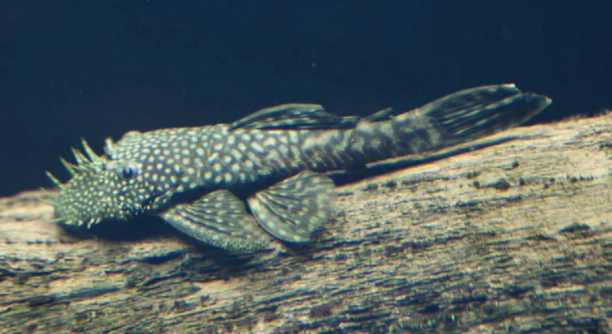
Have you ever noticed your pleco behaving strangely or staying in one spot for too long? Watching them in their tank can be relaxing, but subtle changes in behavior might signal something is wrong.
Plecos are sensitive to water temperature, and overheating can cause stress, illness, and even death. Common signs include lethargy, rapid gill movement, and unusual swimming patterns. Monitoring temperature and tank conditions is essential for maintaining their health.
Knowing the warning signs can help prevent serious issues and keep your pleco comfortable and thriving in its environment.
Signs of Lethargy and Reduced Movement
When a pleco is overheating, one of the first things you may notice is that it becomes unusually still. Normally active at night, plecos that are too warm might rest near the surface or hide more than usual. You may see them lying in one spot for hours without moving, even when food is offered. Their energy levels drop because high temperatures stress their metabolism. Over time, prolonged inactivity can weaken their immune system, making them more vulnerable to infections. Observing your pleco’s daily habits is important. Changes in movement patterns are often subtle, but consistent monitoring will help you notice when something is off. Sometimes, they may move slowly or struggle to maintain their usual posture. Adjusting the tank temperature gradually and ensuring proper aeration can help your pleco regain its normal activity and prevent long-term health problems.
Lethargy in plecos is a clear indicator that water temperature may be too high.
Monitoring activity and adjusting conditions early ensures your pleco remains healthy and avoids severe stress or illness.
Rapid Gill Movement and Labored Breathing
Fast gill movement is a noticeable sign that your pleco is struggling with heat.
Overheated plecos often breathe quickly or gulp air at the water surface. When the tank temperature rises, oxygen levels drop, forcing plecos to work harder to breathe. This can lead to labored gill movement and frequent visits to the surface for air. You might also notice their gill covers moving rapidly, even when they are resting. Stress from heat can reduce feeding and make them less active, increasing vulnerability to infections. Keeping the water temperature within their ideal range and ensuring proper aeration can reduce stress and prevent breathing issues. A small adjustment in heater settings or adding a bubbler can make a big difference. Regularly checking water temperature and oxygen levels is essential. Over time, stable conditions help plecos maintain normal respiration and overall health, reducing the risk of heat-related complications.
Loss of Appetite
Overheating can cause plecos to eat less or refuse food entirely. A sudden drop in feeding is a strong signal that the water is too warm.
Plecos rely on stable temperatures to digest food properly. When the water becomes too hot, their metabolism accelerates, causing stress and reducing appetite. You may notice uneaten food accumulating at the bottom of the tank. Over time, reduced feeding can lead to weight loss, weakened immunity, and slower recovery from minor illnesses. Some plecos may hide more and avoid feeding areas entirely, making it harder to monitor their health. Ensuring the water stays within the proper temperature range and providing shaded or cooler areas in the tank can help restore normal feeding habits and reduce stress.
If your pleco consistently ignores food, check the water temperature immediately and adjust it slowly. Recovery is possible when the environment is stabilized, and normal feeding resumes within days.
Unusual Swimming Patterns
Overheating often affects how plecos swim, making their movements irregular or erratic.
Plecos may swim in circles, float near the surface, or struggle to maintain balance. These unusual patterns indicate stress caused by high temperatures, which disrupt normal metabolism and muscle coordination. You might see them darting quickly then suddenly stopping, or they may drift along the tank walls without control. Such behavior can also be a response to low oxygen levels in warmer water. Observing how your pleco navigates the tank can reveal important clues about its comfort and health. Maintaining proper water circulation and aeration, along with monitoring temperature, can reduce stress and help your pleco regain normal swimming habits.
Erratic swimming not only signals heat stress but can also lead to injuries if plecos collide with tank decorations. Adjusting temperature gradually and ensuring plenty of oxygen helps them recover safely and prevents long-term behavioral problems.
Hiding More Than Usual
Plecos often hide when stressed by high temperatures. They may stay in caves or under decorations for longer periods than normal.
This behavior helps them avoid the warmer water near the surface, but prolonged hiding can make it harder to monitor their health and feeding habits.
Clamped Fins
Clamped fins are a common sign of heat stress in plecos. Their fins stay close to the body instead of spreading naturally. This posture indicates discomfort and weakened immunity, making plecos more vulnerable to disease. Maintaining proper water temperature and quality encourages normal fin movement and overall well-being.
Color Fading
Overheating can cause plecos to lose their vibrant coloration.
Stress from high temperatures affects pigment cells, making colors appear dull or washed out. A pleco that normally shows rich patterns may look pale or uneven. This fading is reversible if the environment is stabilized. Monitoring tank conditions and keeping water temperatures consistent can help restore their natural color over time.
Restless Behavior
Restlessness often shows as constant movement or pacing along the tank walls.
This behavior reflects discomfort and stress caused by elevated water temperatures. It may include rapid swimming, frequent darting, or repeated changes in position. Correcting temperature and improving aeration reduces restlessness and allows the pleco to return to normal, calm behavior.
FAQ
How can I tell if my pleco is overheating?
Signs of overheating include lethargy, reduced appetite, unusual swimming patterns, rapid gill movement, clamped fins, hiding more than usual, and color fading. Observing your pleco daily helps identify subtle changes. Temperature monitoring is essential to confirm if the water is too warm.
What is the ideal temperature range for plecos?
Most plecos thrive between 74°F and 80°F (23°C–27°C). Slight variations are tolerable, but prolonged exposure above 82°F (28°C) can cause stress and health issues. Using a reliable aquarium thermometer ensures the temperature remains stable and within the safe range.
How quickly should I adjust the temperature?
Temperature changes should be gradual, about 1–2°F per hour. Rapid cooling can shock the pleco, leading to further stress or illness. Adjusting slowly ensures the fish can adapt without compromising its health or behavior.
Can adding aeration help an overheated pleco?
Yes. Warmer water holds less oxygen, so increasing aeration with a bubbler or filter can improve oxygen levels. This helps reduce stress and supports normal breathing, especially if the pleco shows rapid gill movement or surface gasping.
Should I change the water if my pleco is too warm?
Partial water changes with cooler, dechlorinated water can help lower the tank temperature slightly. Avoid replacing all water at once, as drastic changes can shock the pleco. Combining water changes with aeration and temperature adjustments improves comfort safely.
What foods are best if my pleco loses appetite due to heat?
Offer soft, easy-to-digest foods like algae wafers or blanched vegetables. Avoid overfeeding, as leftover food can worsen water quality. Feeding small amounts more frequently can encourage eating while reducing stress on the digestive system.
How long does it take for a pleco to recover from overheating?
Recovery depends on the severity of stress. Mild heat exposure may show improvement within a few days once conditions are stable. Severe stress or illness could take weeks. Consistent monitoring of behavior, feeding, and water quality is key for full recovery.
Can plecos survive high temperatures long-term?
Prolonged exposure to high temperatures can weaken their immune system, cause organ damage, and increase susceptibility to disease. Maintaining stable, appropriate water temperatures is crucial for long-term survival and overall health.
Are some pleco species more sensitive to heat than others?
Yes. Tropical plecos like common plecos or bristlenose plecos tolerate warmth better than certain rare species. Always check species-specific care requirements to avoid stress from inappropriate water conditions.
How can I prevent overheating in the future?
Regularly monitor tank temperature, provide proper filtration and aeration, and avoid placing the tank in direct sunlight. Use reliable heaters and thermometers, and ensure the tank size is adequate for your pleco. Preventive care minimizes stress and keeps your pleco healthy year-round.
Is it safe to combine water cooling methods?
Combining gentle methods like partial water changes, fans, and increased aeration is safe if done gradually. Avoid sudden temperature drops or using ice directly in the tank, as extreme changes can harm your pleco. Controlled adjustments are more effective and safer for long-term health.
What other stress signs should I watch for besides overheating?
Signs include rapid or erratic swimming, fin damage, excessive hiding, pale coloration, and unusual behavior. Monitoring these indicators along with temperature helps distinguish heat stress from other illnesses or environmental issues.
Can plecos recover their natural color after fading from heat stress?
Yes, if the temperature is corrected and maintained within the ideal range, most plecos gradually regain their natural coloration. Recovery may take days to weeks, depending on the severity of the stress and overall health.
How often should I check the water temperature?
Daily checks are recommended, especially during hot weather or if the tank is near heat sources. Frequent monitoring allows you to catch rising temperatures early and prevent stress before it becomes severe.
Are there any quick fixes if my pleco shows severe heat stress?
Immediate steps include increasing aeration, performing a partial water change with slightly cooler water, and reducing direct heat sources. Avoid rapid cooling and monitor the pleco closely. Quick action combined with gradual stabilization can improve outcomes significantly.
Can plecos adapt to warmer water over time?
Plecos can tolerate small, consistent temperature changes, but they do not adapt well to prolonged high temperatures outside their safe range. Long-term exposure to heat increases the risk of illness and shortens lifespan. Stable, ideal conditions are essential for healthy plecos.
Is it normal for plecos to breathe at the surface occasionally?
Occasional surface breathing can be normal, especially if oxygen levels are slightly lower. Frequent or rapid surface breathing, combined with other stress signs, indicates overheating or insufficient oxygen and should be addressed immediately.
What equipment helps maintain proper temperature in a pleco tank?
Reliable aquarium heaters, digital thermometers, fans, and air pumps help maintain stable temperatures. Proper tank size, shading, and good water circulation also support consistent conditions and reduce the risk of overheating.
Can overcrowding contribute to heat stress?
Yes. Too many fish in a tank increases water temperature and reduces oxygen levels, which can exacerbate heat stress. Keeping the tank within its capacity helps prevent temperature spikes and ensures plecos have enough space to stay comfortable.
How important is tank placement in preventing overheating?
Tank placement is very important. Avoid direct sunlight, heaters, or areas near radiators. Indirect lighting and a stable environment help maintain proper temperatures and reduce stress on plecos. Proper placement can prevent many heat-related problems before they start.
Can medications help if my pleco is stressed from heat?
Medications are generally not recommended for heat stress alone. Focus on correcting the environment first. Only use medications if a secondary illness develops due to stress, and always follow species-specific guidance for treatment.
Are plecos more active at night affected differently by heat?
Yes. Since plecos are nocturnal, overheating during the day can disrupt their sleep patterns, increase stress, and reduce nighttime activity. Providing shaded or cooler areas helps them stay comfortable during their resting hours and maintain normal behavior patterns.
Does substrate type affect heat levels in the tank?
Dark or dense substrates can absorb more heat and slightly raise water temperature. Choosing lighter or reflective substrate and monitoring temperature can help maintain stable conditions and prevent overheating.
How do I know if my pleco’s stress is severe?
Severe stress is indicated by a combination of lethargy, refusal to eat, rapid gill movement, faded color, clamped fins, and unusual swimming. Immediate attention to temperature, oxygen, and water quality is required to prevent long-term damage or death.
Are plecos sensitive to sudden seasonal temperature changes?
Yes. Sudden increases during summer or drops in winter can stress plecos. Gradual adjustments and stable indoor environments minimize risks. Monitoring and controlling seasonal changes is essential for consistent care.
Can I use a fan to cool my tank safely?
A fan blowing across the water surface can help slightly reduce temperature and increase oxygenation. It should be used with caution and combined with aeration and careful monitoring to avoid shocking the pleco.
How does water quality interact with temperature stress?
Poor water quality amplifies heat stress. Ammonia, nitrite, and nitrate levels can rise faster in warm water, adding chemical stress. Regular testing, cleaning, and proper filtration help reduce additional strain and keep plecos healthy.
Is it normal for plecos to hide more after a heat spike?
Yes, hiding is a natural response to stress. Providing caves, decorations, and shaded areas helps them feel safe and recover faster after temperature fluctuations. Monitoring behavior ensures they are adjusting appropriately.
How long should I monitor my pleco after correcting temperature?
Continue observing daily for at least one to two weeks. Look for normal feeding, swimming, breathing, and color. Gradual improvement indicates successful recovery, while persistent issues may require further environmental adjustments or veterinary advice.
Can multiple small changes be safer than one big adjustment?
Yes. Gradual, incremental adjustments to temperature, aeration, and water quality reduce shock and stress. Plecos respond better to small, steady corrections than sudden large changes.
What is the first step if I suspect overheating?
Check the water temperature immediately, increase aeration, and create shaded or cooler areas. Partial water changes with slightly cooler water help stabilize the environment safely. Quick action prevents stress from becoming dangerous.
How do I prevent overheating during summer?
Keep the tank out of direct sunlight, monitor temperature daily, use fans or air conditioning if necessary, and ensure good water circulation. Maintaining these habits prevents heat stress before it starts.
Can plecos recover from repeated heat stress?
Repeated stress weakens immunity and may permanently affect health and coloration. Prevention is far more effective than recovery, making consistent temperature management essential.
Is there a risk of disease after heat stress?
Yes. Heat stress weakens the immune system, making plecos more susceptible to bacterial, fungal, or parasitic infections. Maintaining stable conditions and monitoring for symptoms ensures quick response if illness occurs.
How do I balance temperature and oxygen in the tank?
Warm water reduces oxygen levels. Use aeration, proper filtration, and partial water changes to maintain oxygen while keeping temperature stable. Monitoring both parameters regularly prevents stress and supports healthy plecos.
Are plecos more sensitive to heat than other fish?
Plecos can tolerate moderate warmth but are sensitive to prolonged high temperatures, especially tropical species. Compared to some hardy fish, they require careful monitoring to avoid stress and health problems.
Can substrate and decorations help reduce heat stress?
Yes. Providing caves, plants, and shaded areas allows plecos to escape warmer water near the surface. These areas give them comfort and reduce behavioral stress.
How often should I check for signs of overheating?
Daily observation is ideal. Look for behavior, breathing, fin position, and color changes. Early detection prevents prolonged stress and helps maintain pleco health.
Are there long-term effects of overheating on plecos?
Yes. Chronic heat stress can lead to weakened immunity, slower growth, organ damage, and shortened lifespan. Maintaining stable, safe temperatures ensures long-term health and normal behavior.
Can plecos recover fully from mild heat stress?
Mild stress is usually reversible with proper temperature control, aeration, and monitoring. Most plecos regain normal behavior, feeding, and color within days to weeks.
Is it normal for plecos to breathe rapidly after minor temperature fluctuations?
Brief rapid breathing may occur after slight temperature changes. Persistent rapid gill movement or surface gasping signals a problem that requires attention to temperature and oxygen levels.
What is the safest way to cool an overheated tank quickly?
Partial water changes with slightly cooler water, combined with fans or air pumps, reduce temperature safely. Avoid adding ice or very cold water, as sudden shocks can harm the pleco.
Can tank size affect overheating risk?
Yes. Smaller tanks heat up faster and are more prone to temperature fluctuations. Larger tanks are more stable but still require monitoring, aeration, and careful temperature management to prevent stress.
How important is consistent monitoring for long-term pleco health?
Consistent monitoring of temperature, behavior, and water quality is essential. Early detection of stress or temperature spikes prevents long-term damage and keeps plecos healthy and comfortable in their environment.
Overheating can be a serious issue for plecos, and recognizing the signs early is key to keeping them healthy. Plecos are sensitive to temperature changes, and even small increases above their ideal range can cause stress. Common signs like lethargy, reduced appetite, clamped fins, and unusual swimming patterns are often easy to notice if you watch your pleco regularly. Observing your fish’s behavior each day is the simplest way to ensure it is comfortable and thriving. When plecos show signs of heat stress, prompt action is necessary to prevent more serious health problems, such as weakened immunity, disease, or long-term organ damage. By keeping track of both water temperature and behavior, you create a safer environment for your pleco, which supports overall well-being.
Maintaining the proper temperature in the tank is one of the most effective ways to prevent overheating. Most plecos do best in water ranging from 74°F to 80°F (23°C–27°C), and keeping them within this range ensures their metabolism and behavior remain normal. Small, gradual adjustments in temperature are safer than sudden changes, which can shock the fish and worsen stress. Aeration and proper filtration also play an important role, as warmer water holds less oxygen, making breathing harder for your pleco. Adding shaded areas or hiding spots can help plecos avoid warmer areas near the surface, giving them comfort and reducing behavioral stress. Consistent monitoring with a reliable thermometer and ensuring the tank is placed in a stable environment away from direct sunlight can prevent sudden heat spikes. These simple steps can make a big difference in preventing stress and keeping your pleco active and healthy.
Recovery from heat stress is possible if the right steps are taken quickly and consistently. Partial water changes with slightly cooler, dechlorinated water can help gradually reduce the temperature, while increasing aeration supports normal breathing. Feeding soft, easily digestible foods can encourage appetite if your pleco has temporarily stopped eating. Over time, normal swimming, coloration, and feeding habits can return once the environment stabilizes. Regular observation after temperature adjustments ensures that any lingering issues are caught early and addressed. By being proactive and attentive, you can prevent overheating before it becomes a serious problem. A consistent routine of monitoring, proper temperature control, and attention to behavior will support your pleco’s long-term health and happiness, allowing it to thrive in a safe, comfortable aquarium.

Hello,
If you enjoy the content that we create, please consider saying a "Thank You!" by leaving a tip.
Every little bit helps us continue crafting quality advice that supports the health, happiness, and well-being of pets around the world, for pets of all shapes, sizes, and species.
We really appreciate the kindness and support that you show us!