
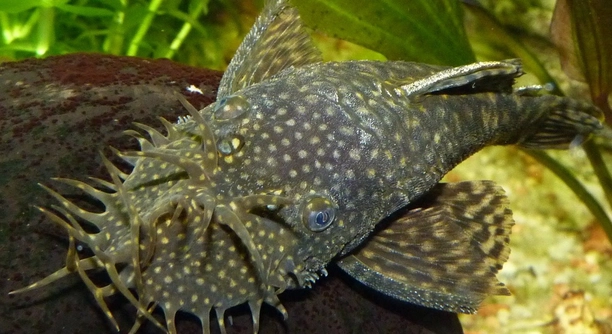
Do you ever notice your pleco gliding around the tank instead of resting in one spot? Even when the environment seems perfect, these fish can be surprisingly active, moving from one place to another throughout the day.
Plecos often move frequently due to a combination of environmental, dietary, and behavioral factors. Water quality, tank size, hiding spaces, social interactions, and feeding schedules significantly influence their tendency to not remain stationary. Addressing these variables can stabilize their behavior.
Understanding why plecos shift positions helps improve their comfort and overall health. Exploring these reasons will give you practical insights for maintaining a balanced aquarium environment.
Water Quality Issues
Poor water conditions are one of the main reasons plecos refuse to stay in one spot. High ammonia or nitrite levels can stress fish, making them restless and constantly on the move. Low oxygen levels may also force them to swim more actively, searching for areas with better aeration. Temperature fluctuations can further unsettle them, as plecos prefer stable, slightly warm water. Frequent partial water changes, regular testing of pH, ammonia, nitrite, and nitrate levels, and proper filtration can create a calmer environment. If your pleco keeps moving, checking water quality is a crucial first step. Even small adjustments can significantly improve their comfort and encourage them to settle in a preferred location. Overcrowded tanks amplify stress, so ensure your aquarium has enough space for all inhabitants. Observing behavior alongside water parameters will help identify issues and promote a more stable, healthy habitat.
Maintaining ideal water conditions can greatly reduce pleco movement and stress. Regular testing is key.
A clean and stable environment not only keeps plecos calmer but also prevents disease. By providing proper filtration, aeration, and water changes, the fish can feel secure. Plecos are sensitive to chemical imbalances, and even minor changes can trigger constant swimming. Adding hiding spots and maintaining appropriate tank density further encourages stationary behavior, promoting overall health and longevity.
Lack of Hiding Spots
Plecos need plenty of places to hide, like caves, driftwood, or dense plants. Without these, they may roam constantly in search of shelter.
Providing multiple hiding areas allows plecos to feel secure. Driftwood and rock formations can make them settle and reduce stress.
When hiding spots are limited, plecos feel exposed and may swim around seeking cover. Incorporating a variety of shelters, positioned in different areas of the tank, gives them choice and comfort. Some plecos prefer darker, secluded spots, while others enjoy partially open areas. Observing their preferences helps in arranging the tank effectively. Secure hiding spaces also reduce territorial disputes with other fish, minimizing stress-driven movement. Over time, plecos will begin to settle near their favorite hideouts, creating a natural resting rhythm and more predictable behavior patterns within the aquarium.
Do you want me to continue with the remaining reasons in the same format?
Feeding Schedule
Plecos move frequently when they are hungry or anticipating food. Inconsistent feeding times can make them restless and active throughout the day, searching for leftovers or nearby food sources.
A predictable feeding schedule helps regulate pleco activity. Feeding at the same time each day trains them to associate certain periods with food, reducing constant wandering. Overfeeding can also cause movement, as uneaten food pollutes the tank and encourages plecos to explore for cleaner areas. High-quality sinking pellets and occasional vegetables like zucchini or cucumber provide proper nutrition while minimizing foraging stress. Observing their eating habits can help fine-tune timing and portion sizes, promoting calmer behavior.
If food is not consistently available, plecos may continue roaming even after feeding. Ensuring a proper diet and balanced portions supports their health and encourages them to stay in one spot. A routine feeding strategy combined with occasional live or frozen foods can satisfy their natural scavenging instincts, reducing unnecessary movement.
Tank Size and Layout
A cramped tank can force plecos to swim continuously due to limited space. A tank that is too small also increases stress and territorial behavior, prompting frequent movement.
Larger tanks with thoughtfully arranged decorations give plecos enough room to explore while still offering safe zones. Driftwood, rocks, and plants should be spread out to allow natural hiding and resting spots. Open swimming areas combined with secluded spaces balance their need for activity and security. Crowded aquariums with multiple plecos can heighten competition for hiding spots, resulting in constant relocation. Proper tank dimensions according to species size are essential.
Plecos respond positively to a well-planned layout. Providing enough territory reduces stress and unnecessary swimming, making them more likely to stay in one location. Adequate space also supports healthier social interactions, decreases aggression, and encourages natural behaviors. Observing pleco movement in relation to tank features helps determine whether additional decor or rearrangement is needed. Consistent monitoring ensures both comfort and stability in their environment, improving overall well-being.
Light and Noise
Plecos are sensitive to bright lights and loud sounds. Excessive lighting or constant vibrations can make them uncomfortable, causing them to move frequently.
Reducing light intensity and minimizing noise helps plecos feel secure. Dimmer lighting or shaded areas allow them to rest and reduce constant roaming.
Tank Mates
Aggressive or overly active tank mates can disturb plecos. Constant chasing or competition for food forces plecos to swim more than usual, preventing them from staying in one spot.
Water Flow
Strong currents can make it difficult for plecos to remain stationary. They may constantly adjust their position to maintain balance and avoid being swept around.
Why does my pleco keep swimming even after I feed it?
Plecos often continue swimming after feeding because they are naturally active scavengers. They may be searching for leftover food or exploring areas where they expect to find more. Overfeeding or irregular feeding schedules can make this behavior more noticeable. Ensuring a consistent feeding routine with balanced portions helps reduce unnecessary movement. Providing sinking pellets or vegetables like zucchini allows them to eat at the bottom, which can encourage them to settle. Observing their habits over a week can reveal if movement is due to hunger or environmental factors, helping you adjust care effectively.
Is it normal for plecos to move at night?
Yes, plecos are mostly nocturnal and naturally more active during low-light conditions. Even in well-lit tanks, they may roam at night, searching for food or exploring hiding spots. Providing dimmed lights or shaded areas during the day can encourage daytime rest. Placing caves and driftwood in accessible locations helps them feel secure when they are active at night. Some species may remain active at irregular hours, so occasional movement during the day is not necessarily a problem. Monitoring their activity patterns can indicate whether their environment is suitable or needs adjustment.
Can water temperature affect pleco activity?
Water temperature has a direct impact on pleco behavior. Plecos prefer slightly warm, stable water, usually between 74°F and 80°F (23°C–27°C), depending on the species. Fluctuations outside this range can stress them, making them restless or forcing them to move frequently. Consistent heating and proper monitoring of water conditions are important to maintain calm behavior. Sudden temperature drops may trigger exploration in search of comfortable areas. Even small, gradual adjustments in temperature can help plecos settle into one spot and maintain normal swimming patterns.
Do plecos need hiding spots to stay still?
Yes, hiding spots are essential for pleco comfort. Without caves, driftwood, or dense plants, plecos may feel exposed and continuously move around seeking shelter. Multiple hideouts positioned in different areas of the tank give them choice and security. Observing which areas they prefer can guide tank arrangement. Hiding spots also reduce territorial conflicts with other fish, lowering stress. Over time, plecos will settle near their favorite hideouts, allowing more predictable and calmer behavior. Providing appropriate shelters improves overall health and encourages them to stay in one spot for longer periods.
Could strong water flow make my pleco constantly swim?
Strong currents can prevent plecos from remaining stationary. They must work to maintain balance and avoid being swept away, which increases swimming activity. Adjusting flow rates or providing areas with gentler currents allows them to rest. Driftwood, rocks, or plants can create calm pockets for relaxation. Observing where plecos settle in the tank shows if current is too strong. Reducing flow near preferred hiding spots can encourage longer periods of stillness, while still maintaining sufficient circulation for water quality.
Are certain tank mates causing my pleco to move more?
Yes, aggressive or active tank mates can disturb plecos, forcing them to relocate frequently. Constant chasing or competition for food prevents them from staying in one spot. Providing enough space and hiding spots reduces these conflicts. Observing interactions between fish can identify problematic species. Separating aggressive tank mates or increasing territory options helps plecos feel secure. Peaceful companions allow them to establish preferred areas and maintain calmer behavior, improving overall tank harmony.
Does diet influence pleco activity levels?
Diet plays a significant role in pleco movement. Insufficient nutrition can lead them to roam in search of food, while overfeeding can pollute the tank, prompting extra movement to avoid waste. Balanced meals with sinking pellets and vegetables like cucumber or zucchini satisfy their natural scavenging instincts. Monitoring food intake and adjusting portions ensures they receive enough without encouraging unnecessary swimming. A consistent, appropriate diet helps plecos feel comfortable and more likely to stay in one area, reducing stress-driven activity.
How can I encourage my pleco to settle in one spot?
Providing stable water conditions, proper hiding spots, and a consistent feeding schedule encourages plecos to remain in one area. Adjusting tank flow, lighting, and selecting compatible tank mates further supports calm behavior. Observing preferences over time allows you to fine-tune the environment. Driftwood, caves, and gentle water currents provide resting zones while maintaining natural exploration areas. Combined with proper nutrition and predictable routines, these adjustments help plecos feel secure, reducing constant movement and promoting healthy, settled behavior.
Plecos are fascinating fish, and their constant movement can sometimes feel confusing or frustrating. Understanding why they do not stay in one spot helps improve how we care for them. Factors like water quality, hiding spots, tank size, and feeding routines all play a role in their behavior. Stress, poor environmental conditions, or lack of security can make plecos restless. Observing their habits closely can reveal patterns that indicate what changes are needed. Adjustments to the tank setup and daily care routines often make a noticeable difference in how calm they become. Creating a stable and comfortable environment is essential for their well-being and encourages them to settle in preferred areas.
Maintaining proper water conditions is crucial for pleco health. Temperature, oxygen levels, pH, and chemical balance all affect their comfort and activity. Regular water testing and consistent maintenance help ensure these conditions remain stable. Providing multiple hiding spots with driftwood, plants, and rocks allows plecos to feel secure. These shelters reduce stress and give them options for resting or retreating from more active tank mates. Tank size and layout also influence movement. Overcrowded tanks or strong currents can cause plecos to swim constantly. By adjusting the environment thoughtfully, we can create areas where plecos feel safe and are more likely to remain in one spot for longer periods.
Diet, lighting, and social dynamics further affect pleco behavior. A consistent feeding schedule with appropriate portions prevents unnecessary wandering in search of food. Dimmed lighting and quiet surroundings allow them to rest, while compatible tank mates reduce stress-driven movement. Observing plecos over time helps identify which factors are influencing their activity. By addressing these areas—water quality, tank layout, diet, and environmental stability—we can support healthier, calmer plecos. Paying attention to their needs and making small adjustments can result in a more balanced aquarium, where plecos feel comfortable and confident in settling down, providing a more peaceful and manageable environment for both the fish and their caretaker.

Hello,
If you enjoy the content that we create, please consider saying a "Thank You!" by leaving a tip.
Every little bit helps us continue crafting quality advice that supports the health, happiness, and well-being of pets around the world, for pets of all shapes, sizes, and species.
We really appreciate the kindness and support that you show us!