
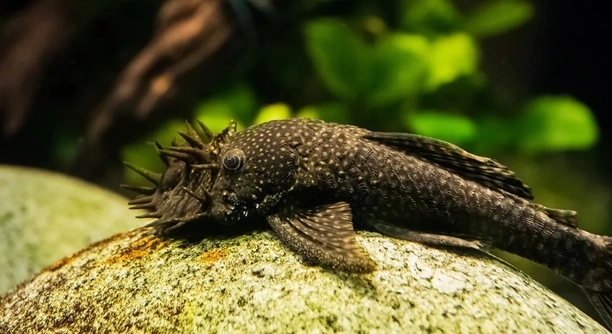
Plecos are fascinating fish that often surprise aquarists with their behavior. They seem to prefer hiding in caves rather than swimming openly in tanks. Observing them reveals patterns that help us understand their natural instincts better.
Plecos favor caves over open areas primarily due to their need for shelter and security. These environments mimic natural hiding spaces, reducing stress and predation risks. Additionally, caves provide stable water conditions and surfaces for feeding, essential for their well-being.
Learning why plecos choose caves helps aquarists create healthier and more comfortable habitats. Proper tank design can significantly improve their overall behavior and happiness.
Natural Instincts and Shelter
Plecos are naturally drawn to spaces that offer safety. In the wild, they inhabit rivers and streams with plenty of rocks, roots, and submerged logs. These structures provide cover from predators and strong currents, allowing plecos to rest without expending too much energy. Even in home aquariums, they replicate this instinct by seeking dark corners and caves. Over time, you may notice that they spend long periods tucked away, coming out mainly to feed or explore briefly. Their preference is not just about hiding; it also helps them regulate stress and maintain normal behaviors. A secure environment supports better health and reduces signs of anxiety, such as erratic swimming or aggression toward tankmates. Observing these patterns provides insight into how plecos interpret their surroundings and choose spaces that meet both comfort and safety needs. Recognizing these behaviors allows aquarists to offer better-designed habitats for long-term well-being.
Providing appropriate hiding spots directly affects plecos’ comfort and reduces stress significantly.
By understanding these instincts, aquarists can arrange caves, driftwood, and rock formations to mimic natural conditions. This setup encourages healthy activity, feeding behavior, and even breeding. A tank with varied hiding spots allows plecos to establish territories and feel secure, leading to calmer interactions with other fish. Not all plecos are identical, and some may prefer deeper caves while others enjoy shallow crevices. Water flow, light intensity, and substrate also influence their choices. Observing individual preferences helps in fine-tuning the aquarium layout to match each pleco’s needs. Regular monitoring ensures that these areas remain clean and accessible, preventing stress and health issues. Providing such an environment demonstrates respect for their natural tendencies, creating a habitat where plecos thrive rather than merely survive. These small adjustments make a significant difference in their overall behavior, vitality, and long-term satisfaction in captivity.
Feeding Behavior and Cave Preferences
Plecos often graze near or inside caves because these areas provide protection while they eat.
Caves offer surfaces for algae and biofilm to grow, which plecos naturally consume. In open areas, feeding exposes them to potential threats and stress. Inside a cave, plecos can feed undisturbed, scrape surfaces safely, and conserve energy. This behavior reflects their instinct to combine safety with daily survival needs. Providing caves with accessible surfaces for grazing not only encourages natural feeding habits but also keeps the tank cleaner by containing activity to specific areas. Observing this can help you time feeding and arrange foods efficiently, promoting health and reducing territorial disputes. Well-placed caves improve both nutrition and psychological comfort, making plecos more active and content in their environment.
Light and Activity Levels
Plecos avoid bright, open areas because they feel exposed. They prefer dim or shaded spots, which allow them to rest safely and observe their surroundings without stress.
Low light conditions in caves or under driftwood mimic natural environments. Plecos are nocturnal or crepuscular, so they are naturally more active during dawn or dusk. Bright tank lights can discourage movement and feeding, making them hide for extended periods. Positioning caves away from direct light helps plecos feel secure and encourages normal behavior. Providing adjustable lighting or shaded areas allows them to control their exposure and reduces stress. Observing their activity cycles helps tailor care routines, feeding schedules, and tank layout.
Some plecos become more confident and explore when light is moderated. Dim areas encourage interaction, feeding, and natural movement. This setup enhances both physical and mental well-being. Consistent light control fosters healthier, calmer fish that display their natural behaviors more regularly.
Territorial Behavior
Plecos establish territories inside caves or hidden spots to feel safe. These spaces act as their personal zones for resting and feeding.
Territorial behavior varies by species and size. Larger plecos may dominate multiple hiding spaces, while smaller ones focus on a single cave. When new tankmates are introduced, conflicts can occur if hiding areas are limited. Providing multiple caves reduces competition and stress. Each pleco needs a secure area to retreat from others, especially during feeding. Territoriality is tied to their instinct to protect resources and ensure survival. Observing interactions between plecos helps in adjusting cave placement and tank arrangement. Adequate space and hiding spots promote harmony, lower aggression, and allow plecos to exhibit natural behavior patterns.
A well-planned tank with sufficient caves allows plecos to coexist peacefully. Monitoring their territories and adjusting locations can prevent conflicts and improve overall tank health. Maintaining clean, spacious hiding spots ensures long-term comfort, encouraging stable social behavior and consistent feeding routines. Proper territorial management reflects understanding of plecos’ instincts and supports their overall well-being.
Stress Reduction
Caves reduce stress by giving plecos a secure place to rest. They feel safer away from open spaces and potential threats.
Hiding spots allow plecos to regulate their environment. Reduced exposure to bright lights and active tankmates helps maintain calm behavior and prevents anxiety-related issues.
Breeding and Reproduction
Caves serve as essential breeding sites for many pleco species. Males often guard eggs inside enclosed spaces, protecting them from other fish and environmental disturbances. Providing suitable caves encourages natural reproductive behavior and increases the chances of successful spawning. The secure environment ensures eggs remain intact, and fry can develop safely. Observing this behavior highlights how critical hidden, stable spaces are for their life cycle. Proper cave placement supports mating rituals and allows plecos to exhibit instincts that may not appear in open areas, promoting healthier populations within the tank.
Choosing the Right Cave
The size and shape of the cave should match the pleco’s size. It must allow easy entry, hiding, and comfortable resting.
Why do plecos hide all the time?
Plecos are naturally cautious fish. Hiding frequently is part of their instinct to stay safe from predators. In a tank environment, hiding reduces stress, conserves energy, and mimics the sheltered spaces they would use in the wild. Even if they seem inactive, it is a sign that they feel secure.
Can plecos survive without caves?
Technically, plecos can survive without caves, but their overall health and behavior may suffer. Lack of hiding spaces can increase stress levels, leading to weaker immune systems, irregular feeding patterns, and higher susceptibility to disease. Providing caves improves their comfort, activity levels, and natural behavior expression.
How many caves should I provide?
The number of caves depends on the size and number of plecos. A single pleco may need at least one primary hiding spot, while multiple plecos require several caves to reduce territorial disputes. Adequate caves prevent aggression, allow personal space, and promote peaceful coexistence in the tank.
What types of caves are best for plecos?
Plecos prefer caves that are dark, secure, and spacious enough to enter and turn around. Natural materials like driftwood, rocks, or ceramic structures work well. Avoid sharp edges that can injure them. Caves with wide openings provide easy access, while enclosed spaces make plecos feel protected.
Do plecos need caves to breed?
Yes, caves are essential for most breeding pleco species. Males guard eggs in secluded spaces, ensuring protection from other fish. Providing multiple caves increases the chances of successful spawning and allows females to lay eggs safely. Without caves, breeding behavior may not occur naturally.
Can I use artificial caves?
Artificial caves made from resin, ceramic, or plastic are safe as long as they have smooth edges and proper dimensions. Some plecos prefer natural textures like driftwood for grazing, but artificial caves still provide shelter, reduce stress, and support territorial needs. Cleaning and stability are important to prevent damage.
How big should a cave be for my pleco?
Caves should be slightly larger than your pleco’s body to allow easy entry, hiding, and comfortable rest. Too small can cause stress or injury, while excessively large caves may feel exposed. Observing the fish’s behavior helps determine if the cave is appropriately sized.
Should caves be placed in certain parts of the tank?
Placement matters. Position caves in quieter areas away from strong currents, bright light, and frequent activity. Corners, under driftwood, or near decorations provide shade and protection. Multiple locations allow plecos to choose where they feel safest and reduce conflicts among tankmates.
How do I maintain pleco caves?
Regular cleaning is essential. Remove algae, debris, and excess food to prevent water quality issues. Use gentle brushes or soft sponges to avoid damaging the cave or disturbing plecos excessively. Maintaining clean caves ensures a healthy environment and encourages natural hiding and feeding behavior.
Do all pleco species prefer caves?
Most pleco species have a natural preference for sheltered spaces, but the degree varies. Some species are more active in open areas, while others rarely leave their caves. Researching your specific pleco species helps provide the right type and number of hiding spots.
Can plecos share caves?
Sharing is possible but depends on size, species, and temperament. Larger or territorial plecos may guard caves aggressively, while smaller or more peaceful species may coexist. Providing multiple caves ensures each fish has access to shelter, reducing stress and conflict.
How can I tell if my pleco is stressed?
Signs of stress include hiding excessively, irregular swimming, loss of appetite, and aggression toward tankmates. Insufficient or poorly placed caves can contribute to these behaviors. Observing and adjusting the environment with more secure hiding spots can restore normal activity and feeding patterns.
Do plecos use caves for anything other than hiding?
Yes, caves serve multiple purposes: resting, feeding, breeding, and establishing territories. Plecos may scrape algae inside caves, guard eggs, or retreat during tank disturbances. Each function highlights the importance of providing appropriate caves to support natural behavior and overall well-being.
Can plecos get stuck in caves?
Improperly sized caves or narrow openings can pose a risk. Ensure caves are wide enough for your pleco to enter, turn around, and exit safely. Observing them initially can confirm the cave is a secure and functional shelter without causing injury or stress.
How often should I replace or adjust caves?
Caves do not need frequent replacement, but monitoring their condition is important. Driftwood may degrade, and artificial caves can accumulate debris. Adjusting placement occasionally can improve comfort, reduce stress, and maintain natural behaviors. Changes should be gradual to avoid startling the fish.
Are there alternatives to caves for plecos?
Yes, dense plants, driftwood, or rock formations can act as alternative hiding spots. However, caves remain the most effective because they offer enclosed, secure spaces. Combining multiple types of shelter enriches the environment, giving plecos options for hiding, feeding, and resting.
Can plecos become territorial over caves?
Yes, territorial behavior is common. Dominant plecos may claim certain caves and defend them from others. Providing multiple caves and spacing them apart helps reduce disputes and ensures all plecos have safe areas to retreat and feed.
How do I know if a cave is too exposed?
A cave is too exposed if plecos avoid it, spend little time inside, or exhibit stress near its entrance. Look for shaded, enclosed areas with minimal traffic. Adjusting placement and adding natural barriers encourages plecos to use the cave confidently.
Do plecos interact with each other inside caves?
Interactions depend on species and social structure. Some may share space briefly, while others guard caves aggressively. Providing multiple hiding spots reduces stress and allows natural behaviors like resting, feeding, and occasional social interactions without conflict.
How many caves per pleco are ideal?
A good rule is one cave per pleco plus a few extra. Extra caves reduce competition, allow for personal choice, and accommodate natural territorial behaviors. Adequate numbers prevent stress, aggression, and unhealthy behavior patterns.
Can plecos feel comfortable without hiding options at night?
No, even nocturnal activity requires safe spaces. Darkness alone is not enough; caves or shaded areas provide security and comfort. Without them, plecos may experience stress, avoid feeding, or hide in less suitable locations, negatively affecting their health.
What should I avoid when choosing pleco caves?
Avoid sharp edges, small openings, unstable structures, or materials that leach chemicals. Properly sized, smooth, and stable caves made of natural or safe artificial materials ensure comfort and safety. Stability prevents accidents and allows plecos to feel secure while inside.
How do caves affect water quality?
Caves can accumulate debris or food waste if not cleaned regularly. This may impact water quality and promote algae overgrowth. Regular maintenance, gentle scrubbing, and monitoring ensure caves remain a safe, healthy environment without compromising tank conditions.
Can plecos modify caves themselves?
Some pleco species scrape surfaces, move small pebbles, or interact with driftwood. While they do not significantly alter structures, minor changes occur naturally and provide stimulation. Ensuring caves are robust and appropriately sized prevents damage while supporting these natural behaviors.
Do plecos ever leave caves during the day?
Yes, but only briefly for feeding, exploring, or moving between territories. Most daytime activity remains close to shaded or sheltered areas. This behavior reflects their preference for safety and comfort while allowing essential activities to continue without stress.
How important is cave variety for plecos?
Variety is important to cater to different sizes, species, and behaviors. Offering multiple cave shapes, sizes, and materials allows plecos to choose spaces suited to individual needs, promoting well-being, reducing conflict, and supporting natural instincts.
Can plecos become attached to a specific cave?
Yes, they often prefer familiar spaces for security. Sudden removal or relocation may cause stress. Gradual changes or additional caves help them adjust while maintaining a sense of comfort and stability in the tank.
Are caves more important than tank size?
Both matter, but caves address psychological needs that tank size alone cannot. Even in large tanks, lack of shelter increases stress and reduces natural behaviors. Combining adequate space with hiding spots creates a balanced environment for healthy, content plecos.
Do caves affect feeding schedules?
Caves influence when and where plecos eat. Feeding near caves encourages natural grazing behaviors, reduces exposure, and allows fish to feed confidently. Observation of these patterns helps plan feeding times and placement of food for optimal health.
How can I encourage plecos to use new caves?
Place caves in quiet areas, partially shaded, and near preferred swimming paths. Adding algae, driftwood, or slight modifications can make them more inviting. Gradual introduction helps plecos feel safe and encourages exploration without stress.
Is it okay for plecos to share caves with other species?
Sharing with peaceful tankmates is usually fine, but aggressive species may cause stress. Observing interactions ensures all fish remain safe, and providing multiple hiding options prevents conflict and maintains natural behaviors.
Can plecos overuse caves?
Extended hiding is normal, but excessive seclusion may indicate stress, illness, or environmental issues. Regular observation helps determine if behavior is natural or a response to problems, allowing timely intervention.
Do plecos leave traces inside caves?
Yes, plecos may leave algae marks, feeding traces, or minor debris. This is normal and indicates frequent use. Cleaning caves periodically ensures hygiene while allowing natural behaviors to continue without interruption.
How long do plecos typically stay in caves?
Duration varies by species, tank setup, and light conditions. Some remain most of the day, while others emerge for feeding or exploration. Observing individual habits helps adjust cave placement, tank design, and care routines.
Can plecos feel insecure without caves?
Yes, lack of hiding spots increases stress, reduces activity, and may lead to aggression or illness. Providing adequate shelter ensures comfort, confidence, and encourages natural behaviors essential for overall health.
Do caves impact pleco growth?
Indirectly, yes. Safe and stress-free environments promote regular feeding and activity, which supports growth and development. Caves provide security that encourages normal routines, helping plecos reach their full potential.
What is the best material for pleco caves?
Driftwood, ceramic, resin, or smooth rocks are ideal. Materials must be non-toxic, durable, and easy to clean. Natural textures provide grazing surfaces, while stable structures prevent injuries and create secure spaces. Choosing safe materials ensures long-term comfort and well-being.
Do plecos rearrange their caves?
While they may move small debris or scrape surfaces, major rearrangement is uncommon. They rely on stable, secure caves for safety. Occasional adjustments by the aquarist can improve comfort and encourage exploration without disrupting established territory.
How do I know if my pleco likes a cave?
Frequent use, resting, feeding, and territorial behavior inside the cave indicate preference. Avoided or ignored caves may be too exposed, small, or uncomfortable. Observation ensures the environment meets the pleco’s natural instincts.
Can multiple plecos share one cave?
It depends on species, size, and temperament. Some tolerate sharing, while others display aggression. Multiple caves reduce conflict and allow each pleco access to safe spaces. Adequate options support peaceful coexistence and natural behavior patterns.
Do plecos prefer horizontal or vertical caves?
Horizontal caves are generally preferred for resting and feeding, offering easy entry and maneuverability. Vertical spaces may be used occasionally but are less common. Matching cave orientation to species behavior encourages natural use and comfort.
Can plecos adapt to new caves quickly?
Yes, if caves are appropriately sized, stable, and placed in quiet areas. Gradual introduction helps them explore safely. Proper setup encourages natural hiding, feeding, and territorial behaviors, reducing stress during transitions.
Do plecos interact with objects inside caves?
Yes, they scrape surfaces, feed, or rest against walls. Interaction is part of natural behavior and enrichment. Ensuring smooth, safe surfaces allows exploration without risk of injury while maintaining engagement.
How often should caves be inspected?
Regular checks for stability, cleanliness, and suitability are important. Observing wear, debris, or algae buildup helps maintain a safe environment. Inspections support long-term health and continued natural behavior of plecos.
Can plecos feel safe in partially open caves?
Some species may accept partially open caves if shaded and low-traffic. Fully enclosed spaces are usually preferred for maximum security, but partial options can supplement hiding spots while encouraging exploration.
Do plecos prefer single or multiple cave setups?
Multiple caves are ideal, especially with more than one pleco. Variety allows personal space, reduces aggression, and provides options for feeding, resting, and territorial behavior. Single caves may suffice for solitary plecos but limit behavioral expression.
How does water flow affect cave use?
Plecos prefer low to moderate flow near caves. Strong currents can deter hiding and resting. Positioning caves in calmer areas supports natural behavior, reduces stress, and allows feeding without unnecessary effort.
Do plecos rearrange gravel inside caves?
Some species move small substrate pieces while exploring or feeding. This behavior is normal and reflects natural instincts. Ensuring stable cave structures prevents accidents while allowing minor interaction with the environment.
Can plecos feel stressed by too many caves?
Excessive caves rarely cause stress, but overcrowding or blocking swimming space can create problems. Balance between hiding options and open swimming areas ensures comfort, freedom of movement, and healthy behavior patterns.
Are caves necessary for all pleco species?
Most species benefit from caves, though some are more flexible with hiding. Understanding specific species behavior helps determine the number, size, and type of caves needed for optimal well-being.
Do plecos groom caves?
Yes, they scrape algae and biofilm from surfaces. Grooming is part of feeding behavior and environmental interaction. Maintaining clean surfaces supports this instinct and encourages natural, healthy activity.
Can caves prevent illness?
Indirectly, yes. Reduced stress and secure resting spaces strengthen immunity. Proper shelter minimizes injury and exposure to aggression, helping plecos stay healthier and exhibit natural behaviors.
Do plecos fight over caves?
Fights can occur if caves are limited or improperly spaced. Providing multiple secure hiding spots reduces aggression, ensures personal space, and promotes peaceful coexistence in multi-pleco tanks.
How important is cave texture for plecos?
Texture matters for scraping, resting, and comfort. Natural surfaces like driftwood support feeding instincts, while smooth surfaces prevent injury. Variety can enrich the environment and encourage natural behaviors.
Can plecos share caves with different species?
Some peaceful species coexist without issues. Monitoring behavior ensures no aggression or stress occurs. Multiple hiding options help all fish feel secure and maintain harmony.
Do plecos need caves at all times?
Yes, caves provide safety, feeding, and breeding areas. Even during active periods, they retreat to shelter when stressed or resting. Consistent access ensures comfort and supports natural behavior.
Can plecos adapt if a cave is removed?
They can adjust gradually, but sudden removal causes stress. Providing alternative hiding spots or repositioning existing caves helps them acclimate without impacting health or behavior.
Are caves more important than tank decorations?
Caves serve functional purposes like hiding, breeding, and feeding. Decorations may add enrichment, but caves directly impact safety, stress reduction, and natural behavior, making them essential for pleco well-being.
Do plecos prefer single entrances or multiple openings?
Single entrances offer more security, while multiple openings may be tolerated depending on species. Preference is influenced by their need to feel enclosed and protected while inside.
How do I know if my pleco cave is successful?
Frequent use, resting, feeding, and territorial behavior indicate success. Observing the pleco’s comfort and interaction with the cave helps determine if it meets their needs.
Can plecos use caves for hiding from tankmates?
Yes, caves provide refuge from more active or aggressive fish. This reduces stress, prevents injury, and allows plecos to maintain normal behavior patterns without conflict.
Do plecos rearrange tank items near caves?
They may move small items while exploring or feeding, but larger rearrangements are rare. Properly secured caves prevent hazards while allowing minor natural interaction.
Can plecos be stressed by moving caves?
Yes, sudden changes can cause temporary stress. Gradual repositioning helps them adapt, maintain comfort, and continue using caves for hiding, feeding, and resting.
Do plecos prefer shallow or deep caves?
Depth preference depends on species and tank setup. Some favor deeper caves for security, while others use shallower spaces. Observing behavior ensures caves meet their safety and comfort needs.
How do caves impact pleco activity?
Caves encourage natural behavior like grazing, resting, and territorial defense. Providing suitable shelters reduces stress, promotes regular movement, and supports healthy feeding and social interactions.
Can plecos use caves for nocturnal activity?
Yes, caves offer protection and comfort during low-light periods. They provide safe resting areas while allowing plecos to emerge for feeding and exploration during nighttime activity.
Are caves necessary in planted tanks?
Even in heavily planted tanks, caves are essential for security, feeding, and breeding. Plants alone may not provide the same enclosed, stable shelter needed for pleco well-being.
Do plecos prefer caves with openings facing a certain direction?
Orientation can affect use. Openings facing quiet, low-traffic areas are preferred. Observing their behavior helps optimize cave placement for comfort and security.
How long should plecos stay in a cave each day?
Duration varies by species, activity level, and tank conditions. Many stay most of the day, emerging primarily to feed, explore, or defend territory. Observing habits ensures a suitable environment.
Can plecos feel stressed by cage-like or enclosed caves?
No, fully enclosed caves typically reduce stress. Plecos feel safer in confined spaces that mimic natural hiding spots, encouraging natural behavior and comfort.
Do caves improve pleco feeding efficiency?
Yes, feeding near caves allows plecos to graze safely, conserve energy, and feel secure, which supports regular feeding patterns and overall health.
Can plecos share caves with bottom-dwelling fish?
Peaceful bottom-dwellers may share space, but careful observation is needed. Multiple caves prevent conflicts and maintain comfort for all species.
Do plecos ever leave caves permanently?
They rarely leave preferred caves permanently unless environmental conditions change. Caves provide ongoing safety, feeding access, and resting areas that are essential for daily routines.
Are caves important for juvenile plecos?
Yes, juveniles rely on caves for protection and stress reduction. Adequate shelter supports growth, learning of feeding habits, and the development of territorial instincts.
Can plecos use caves to escape poor water conditions?
Caves provide temporary refuge but do not replace proper water quality. Poor conditions must be corrected, as
Plecos are unique fish with behaviors that are strongly shaped by their natural instincts. One of the most noticeable traits is their preference for caves over open areas. This preference is not simply a matter of comfort but is deeply connected to their need for safety, security, and stress reduction. In the wild, plecos naturally inhabit rivers and streams with plenty of rocks, submerged roots, and other hiding spots. These structures offer protection from predators, strong currents, and environmental stressors. Even in home aquariums, plecos exhibit the same instincts by spending significant time in caves, corners, or shaded areas. Providing them with proper hiding spaces allows them to feel secure and maintain normal, healthy behaviors. Without access to adequate shelter, plecos may become stressed, less active, and more prone to health issues, which highlights how essential caves are to their well-being.
The benefits of providing caves go beyond simple hiding. Caves also serve as important areas for feeding, resting, and territorial behavior. Plecos often graze on algae or biofilm inside or near their caves, which allows them to feed safely without exposure to potential stressors. They may also use these spaces for breeding, with males guarding eggs inside enclosed areas. Properly sized caves that fit their bodies comfortably allow plecos to rest and move without difficulty. The number, type, and placement of caves in a tank should match the number of plecos and their individual preferences. Multiple caves help reduce competition and aggression among tankmates, while shaded or dimly lit locations encourage natural activity cycles. Observing plecos in these environments shows how they use caves in various ways, demonstrating their instincts for security, feeding, and reproduction simultaneously. Ensuring these needs are met can lead to healthier, more content fish that behave in ways similar to their wild counterparts.
Creating a well-designed aquarium environment that includes caves benefits both plecos and aquarists. By understanding and respecting their natural behaviors, it is possible to reduce stress, promote natural activity, and support proper feeding and breeding. Caves provide essential security that open areas cannot replicate, offering plecos a sense of control over their surroundings. Choosing the right caves—whether natural driftwood, ceramic, or other safe materials—and placing them strategically allows plecos to select spaces that match their comfort and preferences. Regular maintenance of these hiding spots, such as cleaning debris and monitoring placement, helps maintain water quality and ensures the caves remain inviting and safe. Ultimately, recognizing the importance of caves is central to keeping plecos healthy, calm, and active. When their instinctual needs are met, plecos thrive in captivity, displaying natural behaviors that enhance both their welfare and the enjoyment of maintaining a well-planned aquarium.

Hello,
If you enjoy the content that we create, please consider saying a "Thank You!" by leaving a tip.
Every little bit helps us continue crafting quality advice that supports the health, happiness, and well-being of pets around the world, for pets of all shapes, sizes, and species.
We really appreciate the kindness and support that you show us!