
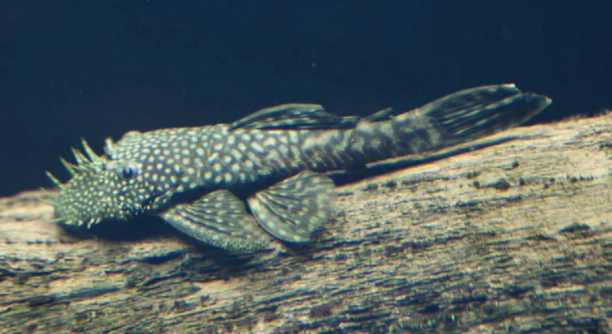
Breeding plecos requires careful attention to their tank environment, especially water temperature. Many aquarists struggle to find the right balance, as slight changes can affect their health and spawning behavior. Proper temperature management is essential for success.
Plecos breed most successfully within a narrow temperature range. Maintaining water between 78°F and 86°F ensures optimal metabolic activity, encourages natural reproductive behavior, and supports fry survival. Consistent temperature control reduces stress and creates a stable environment conducive to breeding.
Knowing which temperatures encourage breeding will improve your success and help your plecos thrive in a healthy, balanced tank environment.
Ideal Temperature Range for Breeding Plecos
Breeding plecos generally thrive in warmer water conditions. A range of 78°F to 86°F is ideal for most species. Within this range, their metabolism increases, encouraging active feeding and natural reproductive behaviors. Maintaining stable temperatures reduces stress, which is crucial because sudden fluctuations can lead to illness or a lack of interest in breeding. Many breeders report that keeping the water at the lower end initially, around 78°F to 80°F, helps acclimate the fish before gradually raising it to peak breeding levels. This mimics seasonal changes they would experience in their natural habitat. Using reliable aquarium heaters and thermometers ensures consistency. In addition, the temperature should be monitored daily, especially during seasonal shifts or when adding new equipment, to prevent sudden changes. Proper filtration and water circulation complement temperature stability, creating an environment that plecos feel safe in. Following these guidelines significantly increases the likelihood of successful spawning and healthy fry development.
Keeping water steady within this range prevents stress and supports active breeding behavior in plecos.
A stable tank with appropriate heating allows plecos to exhibit natural reproductive behaviors. Gradual temperature increases stimulate spawning, while avoiding sharp shifts prevents stress. Combining steady heat with regular water changes and good filtration maintains water quality. Providing hiding spaces and caves further encourages breeding by giving plecos secure areas to lay eggs. Observing their activity patterns during warmer periods helps predict when spawning will occur. In a well-maintained environment, both adults and fry remain healthier, which improves survival rates. Regular monitoring ensures the temperature does not drop or spike, which could disrupt the process. Paying attention to these details creates the conditions plecos naturally seek for breeding.
Monitoring Temperature Fluctuations
Temperature swings can significantly affect pleco breeding success. Even minor changes may cause stress, reducing reproductive activity.
Tracking daily water temperatures with reliable thermometers is essential. Avoid placing the tank near windows or heating vents, as these areas can create inconsistent temperatures.
Regular checks and adjustments help maintain consistent conditions. Automatic heaters with built-in thermostats can prevent sudden drops or spikes. If you notice fluctuations, take corrective action immediately, such as adjusting heater settings or relocating the tank. Consistent temperature promotes feeding, reduces stress, and supports egg development. Documenting temperature patterns over time helps anticipate seasonal changes that may impact breeding. Combined with proper water quality management, monitoring fluctuations ensures plecos remain healthy and more likely to spawn successfully. A controlled and stable environment provides the confidence needed to manage multiple tanks or species without risking reproductive setbacks.
Gradual Temperature Adjustments
Sudden temperature changes can shock plecos, reducing their activity and willingness to breed. Adjusting the water slowly, about 1–2°F per day, allows their bodies to adapt and keeps stress levels low, which supports healthy reproductive behavior.
Gradually increasing or decreasing tank temperature mimics natural seasonal shifts. When preparing for breeding, start at the lower end of the ideal range and raise the temperature steadily. This encourages metabolic changes without overwhelming the fish. Sudden spikes can trigger illness, lethargy, or aggression. Consistent adjustments also allow you to monitor behavior and feeding responses, which indicate comfort and readiness for spawning. Using a high-quality heater with precise controls ensures smoother changes. Observation is key; if plecos hide excessively or stop eating, slow the adjustment rate to reduce stress. Patience during this process pays off with better breeding outcomes.
Temperature changes should always be deliberate and controlled. Monitoring water daily ensures adjustments remain gradual. Unexpected drops or increases can disrupt breeding patterns. Keeping logs of temperatures and pleco behavior helps track their response over time. A careful, steady approach reduces stress-related issues and encourages natural spawning activity. Creating a calm environment through slow adjustments improves fry survival and adult health, supporting overall tank stability.
Seasonal Temperature Influence
Plecos respond strongly to seasonal temperature patterns. Replicating gradual warming and cooling cycles can trigger spawning behaviors naturally.
Simulating seasonal changes involves lowering temperatures slightly during “winter” periods, then slowly increasing them to “spring” levels. This method encourages plecos to follow their natural reproductive instincts. Seasonal adjustments also help manage tank chemistry and oxygen levels, as warmer water holds less oxygen. Pairing temperature shifts with slight changes in feeding and light cycles strengthens the effect. Observing how plecos react to these cycles helps predict the best time for breeding, improving the likelihood of successful egg laying and fry development. Maintaining patience is essential during this controlled environmental manipulation.
Maintaining Stable Heat
Consistent water temperature is essential for pleco breeding. Fluctuations, even minor, can stress fish and prevent spawning. Using a reliable heater with a thermostat helps keep conditions steady, ensuring the plecos remain active and healthy.
Regularly checking the thermometer and adjusting the heater as needed maintains stability. Avoid placing the tank near windows or vents, which can create uneven temperatures and stress the fish.
Temperature for Fry Survival
Fry are sensitive to temperature changes. Keeping the water between 80°F and 84°F improves survival rates and supports healthy growth during the early stages. Proper heat ensures metabolism remains steady and encourages feeding.
Avoiding Overheating
Water above 86°F can harm plecos, causing stress or illness. Monitoring heat levels and using reliable equipment prevents dangerous spikes and keeps the tank safe.
FAQ
What is the best temperature to start breeding plecos?
The ideal starting temperature for most plecos is around 78°F to 80°F. This allows them to acclimate to warmer water gradually, reducing stress and encouraging natural feeding behavior. Slowly raising the temperature over several days prepares them for spawning without causing shock.
How fast should I increase the temperature?
Temperature should be increased slowly, about 1–2°F per day. Gradual adjustments allow plecos to adapt without stress. Sudden changes can lead to hiding, reduced feeding, or illness. Observation during this process helps determine if adjustments need to be slowed.
Can plecos breed in cooler water?
Breeding in water below 78°F is uncommon. Lower temperatures slow metabolism and reduce reproductive activity. Some species may tolerate slightly cooler conditions, but success is more likely when the tank is kept in the recommended range.
Is it safe to keep the temperature above 86°F?
Temperatures above 86°F can be harmful. Overheating stresses plecos, potentially causing illness or even death. If the tank becomes too warm, immediately lower the temperature gradually and ensure water oxygen levels remain stable.
How do temperature fluctuations affect breeding?
Even small fluctuations can stress plecos, suppressing reproductive behaviors. Consistent temperatures are crucial for spawning. Fluctuations can also affect egg development and fry survival, making stability a top priority for successful breeding.
Do all pleco species require the same temperature?
No. While many species thrive between 78°F and 86°F, some may prefer slightly higher or lower ranges. Researching the specific species helps ensure the tank is kept at the temperature that maximizes breeding success.
How does seasonal temperature change affect spawning?
Plecos respond to seasonal cues. Mimicking natural seasonal shifts, with cooler “winter” periods followed by gradual warming, encourages reproductive behavior. Combining this with slight adjustments in feeding and light cycles strengthens the effect.
What equipment helps maintain stable temperature?
Reliable aquarium heaters with built-in thermostats are essential. Using a thermometer to monitor daily ensures accuracy. Avoid placing the tank near drafts or heating vents. Automatic heaters prevent sudden spikes, while regular observation ensures the water remains within the ideal range.
Can fry survive if the temperature fluctuates?
Fry are very sensitive. Even minor fluctuations can reduce survival rates. Maintaining steady temperatures between 80°F and 84°F supports growth and feeding. Small changes may be tolerated briefly, but long-term stability is critical for healthy fry development.
How do I know if my plecos are comfortable with the temperature?
Active feeding, normal swimming, and interest in hiding spaces indicate comfort. Lethargy, reduced appetite, or hiding excessively suggest the temperature may be off. Monitoring behavior alongside temperature ensures optimal conditions for breeding.
Is it necessary to adjust temperature for multiple tanks?
Yes. Each tank may respond differently to room conditions or equipment. Adjusting heaters individually ensures stable conditions for all plecos, reducing stress and improving breeding success across tanks.
How often should I monitor the temperature?
Daily monitoring is best. Checking in the morning and evening helps catch any changes due to room temperature shifts or equipment issues. Keeping a log can reveal patterns and help anticipate seasonal adjustments.
What role does water oxygen play with temperature?
Warmer water holds less oxygen. Maintaining proper circulation and aeration is important when increasing temperatures. Adequate oxygen reduces stress and supports metabolism, feeding, and egg development, which all affect breeding success.
Can temperature alone trigger breeding?
Temperature is a strong trigger but not the only factor. Hiding spaces, water quality, and nutrition also play important roles. A combination of proper heat, clean water, and balanced diet maximizes the chances of successful spawning.
How long should I maintain breeding temperatures?
Once plecos are ready to spawn, keep temperatures stable until eggs are laid and fry are free-swimming. Sudden drops or increases can disrupt development. Maintaining consistent warmth supports metabolism, feeding, and reproductive activity throughout the process.
What signs indicate spawning is likely soon?
Increased activity, chasing, cleaning caves, and pairing behavior suggest spawning is near. Observing these behaviors while keeping temperature stable helps predict timing. Fry development improves when these behaviors coincide with ideal water conditions.
Does water hardness interact with temperature?
Yes. Hardness and temperature together influence metabolism and egg development. Some plecos prefer slightly softer water in warmer conditions. Monitoring both parameters ensures the tank mimics natural conditions for successful breeding.
How do I safely adjust temperature if the tank is too cold?
Use a reliable heater and raise the temperature gradually, 1–2°F per day. Avoid sudden spikes, which can shock plecos. Monitor behavior and feeding to ensure they adapt well to the warmer conditions.
What if my plecos refuse to breed despite proper temperatures?
Other factors may be limiting reproduction, including stress, insufficient hiding spots, poor diet, or water quality issues. Ensuring all conditions are optimal alongside proper temperature increases the likelihood of successful spawning.
Can I use multiple heaters to stabilize large tanks?
Yes. Large tanks benefit from multiple heaters to maintain even heat distribution. This prevents hot or cold spots, ensuring plecos experience consistent conditions throughout the tank for breeding and fry survival.
Final Thoughts
Breeding plecos successfully relies heavily on maintaining proper water temperature. The right temperature range supports metabolism, encourages feeding, and triggers natural reproductive behaviors. Keeping the water between 78°F and 86°F creates an environment where plecos feel safe and comfortable. Small fluctuations can cause stress, reducing the likelihood of spawning, so consistency is just as important as hitting the right target range. Gradual changes, mimicking seasonal shifts, are more effective than sudden increases or decreases. Using reliable equipment like heaters with thermostats and monitoring the water regularly ensures the environment remains stable. Observing plecos for signs of stress or discomfort, such as hiding or reduced appetite, allows adjustments before issues become serious. Overall, temperature management is the foundation of successful breeding and healthy fry development.
It’s also important to remember that temperature alone does not guarantee breeding success. Other factors, such as water quality, diet, and habitat structure, play critical roles. Providing hiding spaces, caves, and suitable substrates encourages natural behaviors, giving plecos confidence to spawn. A balanced diet rich in nutrients ensures that adults are healthy and capable of producing viable eggs. Seasonal temperature changes combined with these environmental and nutritional considerations closely mimic the conditions plecos experience in the wild. Paying attention to their responses and behaviors helps predict when spawning is likely to occur. When these elements are aligned with proper temperature control, plecos are more likely to breed successfully, and fry have higher survival rates. Regular monitoring and patience during this process are essential.
Finally, maintaining an appropriate and stable temperature benefits not only breeding but also overall pleco health. Adults thrive, feeding remains consistent, and stress levels stay low. Fry develop properly, establishing a strong start for growth and long-term survival. Consistent temperature management, combined with proper tank care, provides a balanced environment for plecos to flourish. It is a step-by-step process, but the effort pays off when the fish exhibit natural behaviors and successful spawning occurs. Focusing on both environmental stability and gradual, controlled adjustments allows for predictable outcomes and healthier fish. Over time, observing and learning from each breeding cycle improves techniques and builds confidence in maintaining optimal conditions. Proper temperature management is not just about breeding—it’s about creating a sustainable, safe, and healthy habitat for plecos at every stage of life.

Hello,
If you enjoy the content that we create, please consider saying a "Thank You!" by leaving a tip.
Every little bit helps us continue crafting quality advice that supports the health, happiness, and well-being of pets around the world, for pets of all shapes, sizes, and species.
We really appreciate the kindness and support that you show us!