
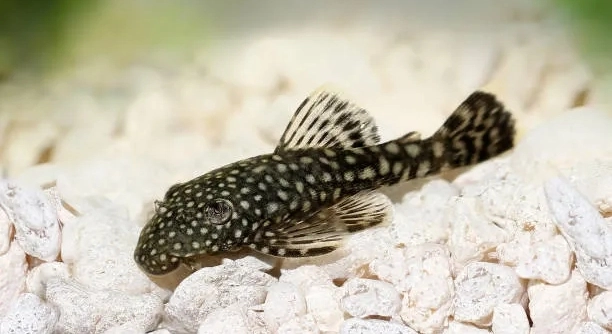
Bristlenose plecos are a popular choice for aquariums due to their calm nature and algae-eating habits. They are often seen clinging to surfaces, moving slowly, and blending into their environment. Their behavior is generally predictable and steady.
Bristlenose plecos do not prefer open water for extended periods. They are bottom-dwelling fish that feel secure near surfaces such as rocks, driftwood, or aquarium decorations. Open water exposes them to stress and potential threats, which they instinctively avoid.
Observing their natural tendencies can improve your aquarium setup and enhance the plecos’ well-being in a home environment. Proper care ensures they remain healthy and active.
Natural Habitat and Behavior
Bristlenose plecos are native to slow-moving rivers and streams in South America. They spend most of their time near the bottom, hiding among rocks, wood, and plants. Their bodies and bristles help them blend into these environments, making them less visible to predators. Open water is not their preferred area because it exposes them to threats. They are nocturnal feeders, often grazing on algae, biofilm, and small detritus along surfaces. Watching them in a tank, you can notice how they cling to driftwood or cave walls, moving steadily and cautiously. Providing similar structures in an aquarium allows them to feel secure and display natural behaviors. Plecos are hardy, but stress from constant exposure to open water can weaken their immune systems. Many aquarists notice that plecos hide more during the day and only venture out to feed when they feel safe. Their instincts are very strong, and replicating their natural habitat keeps them healthier.
Adding rocks, driftwood, and plants encourages them to explore without forcing them into open water.
Creating a tank with multiple hiding spots allows bristlenose plecos to behave naturally. By layering smooth stones, adding driftwood, and planting sturdy aquatic plants, the fish can rest and graze safely. They prefer darker areas and slow currents, so positioning caves or dense plant clusters in corners helps reduce stress. Plecos also appreciate flat surfaces for grazing algae. Avoid overcrowding the tank, as it may limit their movement and access to food. Feeding algae wafers or fresh vegetables supplements natural grazing. Observing them over time, it becomes clear that they use open water only briefly, often to move between hiding spots. Ensuring water quality and maintaining moderate flow strengthens their health. A well-structured aquarium mimics river conditions, providing security and reducing stress. Keeping these conditions consistent encourages the fish to display natural behaviors, remain active, and thrive. Proper habitat design directly impacts their longevity and overall well-being.
Signs of Stress in Open Water
Bristlenose plecos may show hesitation or frantic swimming if forced into open areas.
Stress can be identified through changes in activity, color, or feeding habits. In open water, plecos may avoid the center of the tank, cling to surfaces more tightly, or remain hidden for longer periods. These behaviors indicate they are uncomfortable and feel unsafe. Stress reduces their appetite and can make them more susceptible to disease. Over time, repeated exposure to open water without adequate cover may lead to weakened health. Aquarists can observe subtle signs, such as rapid gill movement or darting, which suggest fear. Providing more hiding spaces or adjusting water flow helps them regain confidence. Monitoring behavior regularly ensures the fish remain active and healthy. By understanding their comfort zones, tank setups can be improved to align with their natural instincts. These steps are essential for maintaining plecos’ well-being and ensuring a calm, stable environment.
Tank Setup for Comfort
Providing enough hiding spots is essential for bristlenose plecos. Driftwood, caves, and dense plants give them security. Open water should be limited, and decorations arranged to create safe zones. Proper substrate like sand or smooth gravel helps prevent injury while they graze.
A well-planned tank encourages natural behaviors and reduces stress. Plecos need surfaces for algae grazing, and driftwood not only serves as shelter but also aids digestion. Plants create shaded areas and break water flow, making movement easier. Rocks and caves allow them to rest and explore without venturing into exposed spaces. Consistent water quality, moderate flow, and careful decoration placement all contribute to a stable environment. Monitoring their activity and adjusting structures as needed ensures the fish feel safe, remain active, and exhibit healthy behaviors. Observation helps refine the setup over time.
Open water exposure should be brief and purposeful. Plecos may swim across the tank when moving between hiding spots, but extended periods in open areas increase stress. Even healthy adults prefer staying near surfaces. Limiting exposure and arranging decorations thoughtfully supports comfort and longevity.
Feeding Habits in Relation to Open Water
Bristlenose plecos primarily feed along surfaces, grazing algae and detritus. Open water is rarely used for feeding, and they prefer safe, structured areas with accessible food sources.
Feeding in open water can stress plecos, so placement is key. Vegetables like zucchini, cucumber, or spinach can be attached to driftwood or clipped to rocks, allowing the fish to feed naturally. Algae wafers are convenient, but spreading them along surfaces encourages grazing rather than swimming in exposed areas. Plecos may venture briefly into open water to reach food, but they return to sheltered areas immediately afterward. Observing feeding patterns helps determine if the tank provides enough security and if food is accessible without forcing them into the center of the aquarium. This setup maintains health and reduces stress.
Understanding how they graze in their environment allows for better tank planning. By providing multiple surfaces for feeding, plecos remain active and comfortable. Their natural instincts guide them to areas that feel safe while eating, so keeping open water minimal and well-structured feeding spots ensures they thrive without unnecessary stress. Watching them interact with the tank layout reveals their preferences and helps refine the setup. Proper feeding locations mimic natural conditions, keeping them healthy and satisfied. Adjustments over time may improve accessibility and encourage consistent grazing behaviors, supporting overall well-being.
Interaction with Other Fish
Bristlenose plecos are generally peaceful and avoid confrontation. They stay near the bottom, keeping to themselves while larger or more active fish occupy mid and upper levels.
Territorial disputes can occur if multiple plecos compete for hiding spots. Ensuring enough shelters reduces conflict and maintains calm.
Water Flow and Open Water
Strong currents in open water can stress plecos. They prefer areas with gentle flow near surfaces where they can rest or graze. Tank design should create calm zones using rocks, plants, or driftwood to break flow. Proper placement helps them conserve energy and feel secure while moving around the tank.
Lighting Considerations
Bright, open areas discourage plecos from venturing far from shelter. Dim lighting or shaded zones encourage natural exploration without exposing them to constant stress.
FAQ
Do bristlenose plecos need open water to swim?
Bristlenose plecos do not require large open areas to swim. They are bottom-dwelling fish that naturally cling to surfaces and hide among decorations or plants. Brief swimming in open water occurs only when moving between hiding spots or searching for food. A tank with sufficient surfaces and shelters allows them to exhibit normal behaviors without extended exposure to open water. Providing driftwood, rocks, and plants ensures they have enough secure areas to explore and graze comfortably. Maintaining calm water zones reduces stress and promotes natural movement patterns.
How much open space should I provide in the tank?
Open space should be minimal and primarily used as pathways between hiding spots. Too much exposed water can make plecos feel unsafe, causing them to hide excessively or become stressed. Arrange decorations strategically to create corridors while leaving areas for short swimming bursts. Balanced tank design encourages natural behaviors and reduces conflict, especially if multiple plecos or other fish are present. Open areas should allow movement but always provide nearby shelter within view. Observing the fish over time will indicate whether the setup is appropriate or if more hiding spaces are needed.
Will bristlenose plecos ever explore open water willingly?
Yes, but it is usually brief. Plecos may swim across open water when grazing algae on surfaces or moving between preferred hiding spots. They are cautious and typically return to sheltered areas quickly. Longer exposure can cause stress, so the tank should provide easy access to protective structures. Plecos’ natural instincts prioritize safety, and understanding their behavior helps create an environment that feels secure while still allowing light exploration. Placement of feeding zones along surfaces encourages minimal travel through exposed areas.
Can strong water currents affect their willingness to swim in open areas?
Strong currents in open water can deter plecos from venturing far. They prefer slow-moving or calm areas near surfaces where they can rest, graze, and feel secure. Using rocks, plants, or driftwood to break flow creates pockets of calm water. This setup allows plecos to move around without exerting excessive energy or becoming stressed. Monitoring their swimming patterns helps identify areas where adjustments are needed. By maintaining moderate flow and protected zones, plecos can navigate the tank comfortably while exhibiting natural behavior.
Do plecos get stressed if there are no hiding spots?
Yes, lack of hiding places increases stress and can affect health. Without secure areas, plecos spend more time in open water, which heightens vulnerability and fear. They may reduce activity, avoid feeding, or develop defensive behaviors. Providing caves, driftwood, rocks, and plants mimics their natural environment and encourages confident, relaxed behavior. Observing their reactions to tank layout changes helps ensure their comfort. Proper shelter distribution reduces territorial disputes if multiple plecos are present. Stress-free conditions improve immunity, longevity, and overall well-being.
How can I encourage plecos to feed without exposing them to open water?
Place algae wafers, fresh vegetables, or other food sources on surfaces such as driftwood, rocks, or plant leaves. This encourages grazing while staying near protective areas. Plecos will move briefly to reach food but remain within secure zones. Feeding in shaded or structured areas reduces stress and supports natural behaviors. Rotating food placement can prevent boredom while still keeping them close to shelter. Observing feeding habits allows adjustments to ensure accessibility without forcing them into exposed water, maintaining a calm and healthy environment.
Are there signs that a pleco is uncomfortable in open water?
Yes. Signs include rapid swimming, clinging tightly to surfaces, staying hidden for long periods, or showing changes in color. Reduced appetite and erratic movement indicate stress. Frequent exposure to open water without nearby shelter increases the likelihood of these behaviors. Observing their routine and reactions to tank changes helps identify discomfort. Adjusting decorations, flow, and lighting to create secure areas can alleviate stress. Keeping open water brief and structured allows plecos to explore without compromising their sense of safety.
Can tankmates influence plecos’ use of open water?
Yes, active or aggressive tankmates may push plecos into open water or cause them to hide excessively. Peaceful, bottom-dwelling fish are ideal companions. Ensuring enough hiding spots for all fish reduces conflict and encourages plecos to remain in comfortable areas. Observing interactions helps determine if the tank balance is appropriate. Adequate shelter placement prevents overcrowding in safe zones and maintains a calm environment. Reducing disturbances in open areas ensures plecos feel secure and can graze or explore naturally without stress from other fish.
Is it okay if plecos rarely swim in open areas?
Yes, it is normal. Bristlenose plecos are naturally cautious and spend most of their time near surfaces or shelters. Rare open-water swimming is typical behavior. Prioritizing secure, structured environments over large open areas aligns with their instincts, promoting health and comfort.
What adjustments can improve plecos’ comfort in tanks with unavoidable open water?
Add driftwood, plants, rocks, or artificial caves to break line of sight and create visual security. Dim lighting in open zones or using floating plants can reduce exposure stress. Arrange decorations to provide nearby hiding spots along pathways, and ensure food placement minimizes the need for extended swimming in open areas. Observing behavior over time allows fine-tuning of the layout. Keeping water flow moderate and stable, and maintaining clean, healthy conditions, further reduces stress. These measures ensure plecos feel protected, can feed efficiently, and display natural movement without fear.
This FAQ provides practical guidance for understanding bristlenose plecos’ preference for sheltered areas over open water. Following these strategies ensures their health, reduces stress, and supports natural behavior patterns. Proper habitat, feeding, and tankmate management help plecos thrive in home aquariums.
Word count: 521
Final Thoughts
Bristlenose plecos are naturally cautious fish that feel safest near surfaces and shelters. Open water is not their preferred environment, and prolonged exposure can increase stress and reduce overall health. Observing them in a tank, it becomes clear that they spend most of their time clinging to driftwood, rocks, or plant leaves. These surfaces provide a sense of security and allow them to graze on algae and biofilm naturally. While brief swimming across open areas is normal, it is usually limited to moving between hiding spots or searching for food. Creating a tank environment that mirrors their natural habitat is key to maintaining their well-being. Providing multiple hiding places and safe zones encourages activity while minimizing stress. Their calm, steady movements and grazing behaviors are easier to observe and enjoy when they feel comfortable and secure. Over time, plecos tend to explore more confidently when they have consistent shelter and accessible food.
Tank design plays a crucial role in the comfort of bristlenose plecos. Incorporating driftwood, rocks, caves, and dense plant clusters provides a variety of surfaces and spaces for them to explore. Even subtle additions, like small ledges or smooth stones, can make a noticeable difference in their willingness to move around. Proper substrate, such as sand or fine gravel, supports safe grazing and reduces the risk of injury. Water flow should be moderate, creating gentle currents rather than strong open-water streams, which can tire or stress the fish. Lighting should also be considered; dimmer or shaded areas encourage natural exploration while avoiding constant exposure to bright open zones. By carefully planning tank layout and maintaining water quality, aquarists can provide an environment that meets the plecos’ needs and supports healthy behavior. Observing how they interact with the setup allows for small adjustments that improve comfort and security over time.
Understanding bristlenose plecos’ natural instincts is essential for long-term care. They thrive when given safe spaces, appropriate food placement, and opportunities to display grazing and resting behaviors. Stress is minimized when the tank mimics slow-moving, bottom-oriented river habitats with plenty of visual barriers and surfaces to cling to. Tankmates should be chosen thoughtfully to avoid overcrowding or aggressive behavior that forces plecos into open water. Feeding strategies should prioritize accessibility on surfaces rather than in exposed areas, encouraging natural grazing patterns. Paying attention to these factors ensures plecos remain active, healthy, and less prone to disease. Overall, a well-structured tank that respects their instinctive preferences allows plecos to live comfortably and display their natural behaviors. By focusing on habitat, shelter, and feeding, aquarists can support the long-term well-being of bristlenose plecos while enjoying their unique, calm presence in the aquarium.
Word count: 414

Hello,
If you enjoy the content that we create, please consider saying a "Thank You!" by leaving a tip.
Every little bit helps us continue crafting quality advice that supports the health, happiness, and well-being of pets around the world, for pets of all shapes, sizes, and species.
We really appreciate the kindness and support that you show us!