
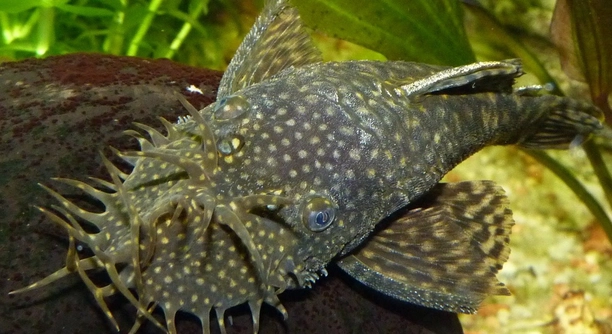
Many aquarists enjoy keeping plecos but notice that these fish sometimes struggle to adapt to new tanks. Their unique behaviors and sensitivity to water conditions can make the first few days particularly challenging for both owner and pet.
Providing the right environment is essential for plecos to settle quickly. Ensuring stable water parameters, adequate hiding spots, proper diet, and minimal disturbances allows them to feel secure, reduces stress, and promotes healthy acclimation to their new habitat.
Following these basic guidelines will make caring for plecos easier and more rewarding. Small adjustments can have a noticeable impact on their comfort and overall health.
Stable Water Conditions
Plecos are highly sensitive to changes in water quality. Maintaining consistent temperature, pH, and hardness is key to helping them feel secure. Sudden fluctuations can stress them, causing hiding, loss of appetite, or illness. Regular testing and gradual adjustments ensure the water remains within safe ranges. Filtration and proper aeration are essential to keep oxygen levels stable and remove harmful toxins. Clean water not only supports their health but also encourages normal behavior, including grazing and exploring. Monitoring nitrate, ammonia, and nitrite levels can prevent long-term health issues. For new tanks, a proper cycling period before introducing plecos reduces the risk of shock. Consistent maintenance routines, such as weekly partial water changes, help create an environment where plecos can acclimate quickly. Observation during the first few days is critical to detect any signs of distress early. Providing stable conditions builds trust with the fish and reduces stress.
Stable water ensures plecos feel secure and start eating promptly. They respond well to steady, predictable environments.
Gradual water changes are the safest method for maintaining stable conditions. Sudden shifts in temperature or pH can cause immediate stress, making plecos retreat to hiding spots for long periods. Using a thermometer and water test kits helps monitor key parameters. In addition, adjusting lighting cycles and avoiding sudden exposure to strong light prevents startling the fish. A reliable filter system that provides both mechanical and biological filtration supports water clarity and reduces harmful compounds. Consistency in feeding schedules also complements water stability, creating a routine plecos recognize. Over time, these practices reduce stress-related behaviors such as fin clamping or excessive hiding. When combined with adequate decorations and hiding spaces, stable water conditions allow plecos to feel comfortable exploring their tank and engaging in natural grazing behavior. This approach not only helps them settle quickly but also supports long-term health and longevity. Observing their activity and appetite gives immediate feedback on how well they are adjusting to their new environment.
Adequate Hiding Spots
Plecos naturally seek shelter during the day. Providing caves, driftwood, or plants allows them to feel safe. Hiding spaces reduce stress and encourage exploration at night.
Hiding spots are essential for plecos to express natural behaviors and feel secure in their tank.
Offering a variety of shelters supports their nocturnal activity. Driftwood not only provides cover but also contributes to their diet by encouraging grazing on biofilm. Plants create shaded areas and improve water quality through natural filtration. Caves or PVC tubes give plecos places to rest during daylight hours. Arranging hides in multiple areas allows fish to choose preferred spots, reducing competition and stress. Observing which areas they use most can guide future tank setups. Avoid overcrowding the tank with decorations, which can limit swimming space. Balanced placement ensures they feel secure while still having room to explore. Over time, plecos will spend more time grazing and less time hiding, signaling that they have adjusted well. Consistent care and attention to tank layout foster a healthy, stress-free environment for these fish.
Proper Diet
Feeding plecos a balanced diet supports health and reduces stress. Including algae wafers, vegetables, and occasional protein sources ensures they get necessary nutrients. Consistent feeding schedules help them adapt faster.
A varied diet is crucial for plecos’ growth and well-being. Vegetables such as zucchini, cucumber, and spinach provide fiber and vitamins, while algae wafers supply essential nutrients they naturally graze on. Occasionally offering protein sources like shrimp pellets or bloodworms can boost their energy, especially for larger species. Avoid overfeeding, as leftover food can pollute the tank, affecting water quality. Observing their eating habits helps determine if they are adjusting well. Plecos often explore different food options, and variety encourages natural grazing behavior. Proper diet reduces stress and supports overall health, helping them feel more comfortable in a new environment.
Regular feeding routines create a sense of predictability. Plecos learn when to expect food, which reduces anxiety and encourages active behavior.
Gentle Acclimation
Slow acclimation minimizes stress when introducing plecos to a new tank. Gradually adjusting water parameters allows their bodies to adapt without shock.
Using a drip method or floating the bag in the tank helps plecos adjust to temperature and pH slowly. Sudden changes can cause shock, stress, or illness. Monitoring them closely during the first few hours ensures they are responding well. Introducing one fish at a time is safer than adding multiple plecos simultaneously, as overcrowding can increase stress. Patience during acclimation results in a calmer fish that begins exploring sooner. This careful approach lays the foundation for healthy eating, proper grazing, and settling into their hiding spots.
Observing plecos during acclimation provides valuable insights into their stress levels. Adjustments to temperature, pH, or placement of hides can be made immediately. A calm, gradual introduction reduces risk of illness and ensures long-term comfort. Taking the time to acclimate them properly allows the fish to thrive, supporting natural behaviors and reducing aggressive tendencies. Over the following days, they will gradually become more active and confident, signaling successful adaptation.
Minimal Disturbance
Limiting activity around the tank helps plecos feel secure. Frequent tapping or sudden movements can stress them and delay settling.
Keeping the tank area calm allows plecos to explore and feed naturally. They respond better when the environment is predictable and quiet.
Proper Tank Size
A sufficiently large tank gives plecos room to swim, graze, and hide. Crowded conditions can cause stress and aggression, slowing acclimation. Providing enough space supports natural behaviors and long-term health.
Lighting Control
Adjusting lighting to a softer schedule helps plecos adapt. Bright lights can make them hide excessively and increase stress.
FAQ
How often should I feed my pleco?
Plecos should be fed once or twice daily, depending on their size and species. Smaller species need less food, while larger plecos may require more substantial portions. Include vegetables, algae wafers, and occasional protein treats to provide balanced nutrition. Remove uneaten food to prevent water quality issues.
What is the ideal water temperature for plecos?
Most plecos thrive in water temperatures between 74°F and 80°F (23°C–27°C). Keeping the temperature stable helps reduce stress. Sudden changes can cause hiding, loss of appetite, or illness. Using a reliable heater and thermometer ensures consistency.
How can I tell if my pleco is stressed?
Signs of stress include hiding excessively, clamped fins, loss of appetite, rapid breathing, or unusual swimming patterns. Observing behavior daily helps detect early stress. Addressing water quality, diet, and hiding spots usually improves their comfort.
Do plecos need hiding places?
Yes, hiding spots are essential. Plecos are nocturnal and naturally seek shelter during the day. Driftwood, caves, and dense plants allow them to feel secure, reducing stress and encouraging normal behaviors like grazing at night.
Can plecos live with other fish?
Plecos are generally peaceful but can be territorial with their own species, especially larger ones. They usually coexist with community fish that are not aggressive. Ensure enough space and hiding spots to reduce conflicts.
How much space does a pleco need?
Tank size depends on the species. Small plecos can live comfortably in 30–40 gallons, while larger species may require 75 gallons or more. Adequate space prevents stress, promotes healthy growth, and allows natural swimming and grazing behaviors.
What should I do if my pleco refuses to eat?
Refusal to eat can result from stress, poor water quality, or improper diet. Check water parameters and provide hiding spots. Offer a variety of foods like vegetables or algae wafers. Sometimes, plecos need a few days to adjust to a new tank.
How often should I change the water?
Perform weekly partial water changes of 20–30%. Regular changes remove waste, maintain stable water parameters, and prevent the buildup of toxins. Consistency supports healthy plecos and reduces stress.
Is driftwood necessary in a pleco tank?
Driftwood is highly beneficial. Many plecos rasp on it for fiber and natural nutrition. It also provides hiding places and contributes to a natural tank environment, making plecos feel more secure and encouraging natural behaviors.
Can plecos survive in a cold-water tank?
Most plecos are tropical fish and do not tolerate cold water well. Temperatures below 70°F (21°C) can cause stress, illness, or death. Maintaining proper tropical conditions is essential for their health and adaptation.
Do plecos need a strong filter?
Yes, a strong filter is important. Plecos produce a lot of waste, so filtration helps maintain water quality. Biological, mechanical, and chemical filtration ensures clean water, which supports their health and reduces stress.
How can I encourage my pleco to explore the tank?
Providing hiding spots, varied foods, and gentle lighting encourages plecos to explore. Avoid sudden movements around the tank, and keep water parameters stable. Gradual acclimation also helps them become more confident and active.
What is the best lighting schedule for plecos?
Plecos are nocturnal and prefer subdued lighting. A 10–12 hour light cycle mimics natural conditions. Bright lights can stress them, causing excessive hiding, while gentle lighting allows grazing and exploration during the night.
How long does it take for plecos to settle in?
Most plecos begin adjusting within a week, but full acclimation can take several weeks. Consistent water conditions, adequate hiding spots, proper diet, and minimal disturbances help them settle more quickly. Patience is essential for a stress-free transition.
Are plecos nocturnal or diurnal?
Plecos are primarily nocturnal. They rest or hide during the day and become more active at night. Providing hiding places and subdued lighting allows them to follow natural activity patterns, which reduces stress and supports overall health.
Can plecos eat live plants?
Some pleco species may nibble on soft plants, but most prefer algae and vegetables. Using hardy plants like Java fern or Anubias ensures they remain intact while still allowing natural grazing behaviors. This also reduces stress caused by a bare tank environment.
How do I prevent my pleco from getting sick?
Maintaining clean water, a balanced diet, hiding spots, and stable water parameters is key. Avoid overcrowding, and observe them regularly for changes in behavior or appearance. Early detection and care prevent most common health issues.
Do plecos need a substrate?
A soft substrate like sand or smooth gravel is recommended. It protects their delicate fins and encourages natural grazing behavior. Avoid sharp substrates that could injure them or trap waste, which can harm water quality.
How can I introduce a new pleco to an established tank?
Acclimate the new pleco slowly using a drip method or floating the bag to adjust temperature and pH. Introduce them one at a time, provide hiding spots, and monitor behavior to reduce stress and aggression.
Is it normal for plecos to hide most of the day?
Yes, hiding during daylight is normal. Plecos are nocturnal and feel safest in shelters. Over time, as they acclimate, they may become more active at night and during dimly lit periods, showing natural grazing and swimming behavior.
Final Thoughts
Taking care of plecos can seem challenging at first, but understanding their basic needs makes the process much easier. These fish are sensitive to water quality, temperature, and diet, so keeping these factors consistent is essential. Maintaining stable water conditions ensures that plecos feel secure and reduces stress. Regular testing for pH, ammonia, nitrites, and nitrates, combined with consistent partial water changes, helps create an environment where they can thrive. A clean and balanced tank encourages natural behaviors like grazing and exploring, while reducing the risk of illness. Over time, maintaining these routines becomes second nature, and the plecos begin to settle more quickly, showing their true, active behavior.
Hiding spots and proper tank setup also play a crucial role in helping plecos adjust. They are naturally nocturnal and enjoy resting in caves, among driftwood, or behind plants during the day. Providing a variety of shelters allows them to choose a safe spot, which reduces stress and supports natural habits. Tank size matters as well—larger species need more room to swim and explore. Crowded conditions can cause tension and aggression, making it harder for plecos to settle. Even small adjustments, such as adding more hiding spaces or rearranging decorations, can make a noticeable difference in their comfort level. With patience and attention to their environment, plecos gradually become more confident and active, which is a sign of successful acclimation.
Diet and acclimation routines are equally important for long-term success. Offering a balanced mix of vegetables, algae wafers, and occasional protein sources ensures they receive all necessary nutrients. Observing their feeding behavior helps identify whether they are adjusting well. Gradual acclimation, using slow methods to introduce them to new tanks, helps prevent stress from sudden changes in water temperature or chemistry. Minimizing disturbances around the tank, maintaining a gentle lighting schedule, and keeping a consistent feeding routine all contribute to a calm, predictable environment. When combined, these practices create a habitat where plecos feel safe, eat properly, and express natural behaviors. Caring for plecos may require attention and patience, but the reward is a healthy, active, and well-settled fish that enhances the overall aquarium experience. By understanding and addressing their needs, plecos can quickly adapt and remain healthy for years to come.

Hello,
If you enjoy the content that we create, please consider saying a "Thank You!" by leaving a tip.
Every little bit helps us continue crafting quality advice that supports the health, happiness, and well-being of pets around the world, for pets of all shapes, sizes, and species.
We really appreciate the kindness and support that you show us!