
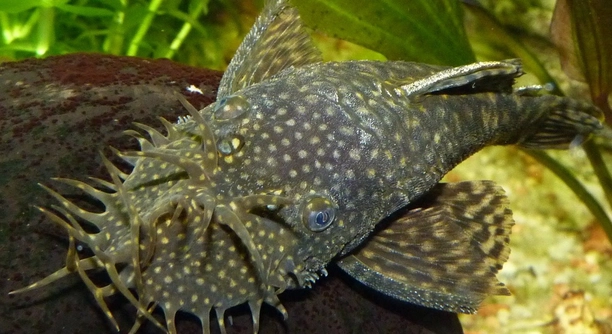
Are your Bristlenose Plecos showing unusual spots or patches on their skin lately? Many fish owners notice these changes and start thinking about their pet’s overall health and environment. Understanding these signs early is important for care.
Bristlenose Plecos are susceptible to skin infections caused by bacteria, fungi, and parasites. Poor water quality, injuries, or stress can compromise their protective mucus layer, leading to infections that require prompt attention and appropriate treatment.
Proper care and attention to water conditions, diet, and tank hygiene can prevent many common skin problems in these fish. Maintaining a healthy environment ensures your Pleco thrives over time.
Common Signs of Skin Infections in Bristlenose Plecos
Bristlenose Plecos often show subtle signs when they develop skin infections. Look for white or red patches, frayed fins, or unusual slime on their bodies. Some may scratch against decorations or rocks more than usual. Changes in behavior, like reduced activity or hiding, can also indicate stress or infection. These signs are easy to miss at first, but regular observation helps catch problems early. Early detection allows treatment to be more effective, preventing the infection from worsening. Consistent tank maintenance, including water changes and monitoring water parameters, plays a critical role in keeping these fish healthy. Providing a balanced diet and avoiding overcrowding further supports their immune system. By paying attention to these visual and behavioral cues, you can intervene promptly and protect your Pleco from long-term harm.
Observing your Pleco daily is the best way to notice early symptoms and act quickly to prevent serious infections.
Maintaining a clean tank and a stress-free environment is essential. Using a water test kit ensures proper pH, ammonia, nitrite, and nitrate levels. Decorations should be smooth to prevent injuries, and crowded tanks increase infection risk. When symptoms appear, isolating the affected Pleco can prevent the infection from spreading to other fish. Adding antibacterial or antifungal treatments as needed, following package instructions, can support recovery. Regular feeding of high-quality foods and occasional supplements can strengthen their immunity. Monitoring water temperature is also important, as fluctuations can stress the fish and make them more vulnerable. Consistency in care reduces the chances of recurring infections and helps your Pleco maintain healthy skin and fins.
Preventing Skin Infections in Bristlenose Plecos
Preventing skin infections starts with maintaining optimal water quality and stable tank conditions. Regular cleaning and monitoring water parameters help keep infections at bay.
Balanced nutrition supports immune health and aids recovery if minor infections occur. Offering fresh vegetables, algae wafers, and occasional protein treats strengthens their resilience against disease. Avoid overfeeding and remove uneaten food promptly to prevent harmful bacteria growth. Decorations and substrates should be smooth, without sharp edges that can damage the skin. Quarantining new fish before introducing them to the main tank reduces the risk of bringing infections into the aquarium. Consistent water temperature, proper filtration, and appropriate stocking levels further protect Plecos. By combining these preventive measures, you can significantly reduce the likelihood of skin infections and ensure your Bristlenose Pleco remains healthy, active, and visually vibrant.
Regular observation and proactive tank management can save your fish from serious health issues. Maintaining consistent water quality and hygiene, avoiding sudden temperature changes, and keeping stress levels low are key to long-term prevention. Incorporating these steps into your routine not only protects your Pleco’s skin but also supports overall well-being. Monitoring for early signs and responding quickly reduces treatment time and improves recovery. Selecting high-quality food, avoiding overcrowding, and isolating sick fish are practical ways to minimize infection risks. Attention to detail in tank setup, including smooth surfaces and secure filtration, prevents injuries that could allow bacteria or fungi to enter. Keeping a log of water parameters and fish behavior can help detect changes before they become serious. Consistency, vigilance, and proper care create an environment where Bristlenose Plecos thrive without frequent skin infections.
Treating Skin Infections in Bristlenose Plecos
Treatment should begin as soon as symptoms are noticed. Isolate the infected Pleco to prevent the spread of bacteria or fungi. Adjust water quality immediately and ensure the temperature is stable.
Using antibacterial or antifungal medications specifically designed for freshwater fish can help clear infections. Follow the instructions carefully to avoid overdosing, and monitor your Pleco’s behavior and appearance daily. Baths with medicated solutions may be necessary for severe infections, as they target affected areas directly. Removing uneaten food and maintaining a clean tank during treatment speeds recovery. Consistency and patience are key because skin infections can take several days to heal fully. Observing improvement in skin color, fin condition, and activity levels indicates treatment is working.
Alongside medication, supporting the Pleco’s immune system is crucial. Provide a balanced diet with high-quality algae wafers and fresh vegetables. Avoid stress by keeping the tank environment stable and minimizing disturbances. Regular water tests help ensure parameters stay optimal. Proper care during recovery prevents reinfection and helps the Pleco regain its normal activity levels.
Long-Term Care After Skin Infections
Once the infection clears, maintaining good water quality is essential to prevent recurrence. Regular water changes and monitoring parameters keep the environment stable.
Post-infection care involves keeping the Pleco stress-free and maintaining a consistent feeding schedule. Avoid overcrowding and sharp decorations that could cause injuries. Keep an eye on fins and skin for any early signs of damage. Adjusting diet to include immune-boosting foods helps strengthen the Pleco’s resistance. Continue monitoring water temperature and filtration efficiency. Observing your Pleco daily ensures minor issues are caught before they worsen.
Ensuring long-term health requires ongoing attention to tank hygiene and the fish’s overall environment. Regularly clean filters, remove uneaten food, and check for algae buildup. Keep decorations smooth and remove anything that could injure the fish. Balanced nutrition is a critical factor; providing variety supports immune function and overall vitality. Monitor interactions if the tank houses multiple species to prevent bullying or stress. Gradually introduce any new fish after proper quarantine procedures. Documenting water conditions and fish behavior over time helps detect patterns or changes early, allowing for prompt corrective measures. With consistent care, your Bristlenose Pleco can remain healthy, active, and visually vibrant for years.
Causes of Skin Infections in Bristlenose Plecos
Poor water quality is one of the most common causes of skin infections. High ammonia or nitrite levels, sudden pH changes, and unclean tanks can weaken a Pleco’s protective mucus layer, making them vulnerable to bacteria and fungi.
Physical injuries from sharp decorations or rough handling can also trigger infections. Even minor scratches or abrasions create entry points for pathogens. Stress from overcrowding, incompatible tank mates, or sudden environmental changes further reduces their immune response. Combining these factors increases the likelihood of skin issues, emphasizing the importance of careful tank management and observation.
Role of Diet in Preventing Infections
A balanced diet plays a significant role in maintaining a Pleco’s immune system. Regular feeding of algae wafers, fresh vegetables, and occasional protein supplements keeps them healthy. Poor nutrition can lower resistance to infections, making diet a key preventive measure.
When to Seek Professional Help
If symptoms worsen or persist despite treatment, consulting a veterinarian experienced with fish is recommended. Early intervention prevents serious complications and ensures proper care.
FAQ
Can Bristlenose Plecos recover fully from skin infections?
Yes, most Bristlenose Plecos can fully recover if the infection is detected early and treated properly. Isolating the fish, improving water quality, and using appropriate medications are crucial steps. Recovery also depends on minimizing stress and maintaining a consistent feeding routine to support their immune system.
How long does it take for a Pleco to heal?
The healing process varies depending on the severity of the infection. Mild infections may clear within a week, while more severe cases can take two to four weeks. During recovery, continue monitoring water parameters and behavior. Improvement in skin appearance and activity levels indicates progress.
Can skin infections spread to other fish?
Yes, bacterial and fungal infections can spread to other tank inhabitants. Isolating the infected Pleco reduces the risk of contamination. Maintaining proper filtration, regular water changes, and removing uneaten food further prevent infections from affecting other fish.
Are certain tank conditions more likely to cause infections?
Poor water quality, overcrowding, and fluctuating temperatures make Plecos more prone to skin infections. Sharp or rough decorations can cause injuries that allow bacteria or fungi to enter. Stable, clean water and smooth surfaces reduce the risk significantly.
What are the best treatments for bacterial infections?
Medicated baths and antibacterial treatments formulated for freshwater fish are most effective. Follow the product instructions closely to avoid harming the fish. Supporting the Pleco’s immune system with proper nutrition and a stress-free environment is equally important for recovery.
Can fungi affect Bristlenose Plecos?
Yes, fungal infections are common, especially in tanks with poor water quality or injured fish. White or fuzzy patches are typical symptoms. Antifungal treatments, along with isolation and clean water, are necessary to control the infection and prevent spread.
How can I prevent future infections?
Preventive measures include maintaining excellent water quality, performing regular tank maintenance, and feeding a balanced diet. Avoid overcrowding and sharp decorations, and quarantine new fish before introducing them. Keeping stress levels low and monitoring fish daily helps prevent infections before they start.
Do stress and diet really make a difference?
Absolutely. Stress weakens the immune system, making fish more susceptible to infections. A nutritious diet with algae wafers, fresh vegetables, and occasional protein supplements strengthens immunity. Consistent feeding routines and minimizing environmental stressors greatly reduce infection risks.
Is it necessary to see a vet for every infection?
Not every infection requires a veterinarian, but severe or persistent infections do. If the Pleco isn’t responding to treatment, shows lethargy, or develops spreading lesions, a professional can provide targeted treatment and advice to prevent complications.
Can skin infections cause long-term damage?
If caught early and treated properly, most skin infections do not cause lasting damage. However, untreated or severe infections can result in permanent fin damage, slower growth, or weakened immunity. Monitoring for early signs is essential to prevent long-term problems.
Are there natural remedies for skin infections?
Some aquarists use salt baths or herbal treatments, but effectiveness varies. Salt baths can help minor infections, but they are not a substitute for proper water maintenance or medicated treatments. Always research dosages and observe the fish carefully to avoid stress.
How often should I check my Pleco during treatment?
Daily observation is recommended. Monitor skin color, fin condition, and behavior. Changes can indicate whether the treatment is effective or if adjustments are needed. Recording observations helps track recovery progress and identify early signs of relapse.
Can other fish help indicate a Pleco’s health?
Yes, the behavior of other tank mates can sometimes reveal issues. Aggression or avoidance may signal environmental stress affecting the Pleco. Consistently observing all fish helps maintain a healthy tank ecosystem and prevent infections from spreading unnoticed.
Do skin infections come back often?
Recurring infections usually indicate underlying problems like poor water quality, stress, or injuries. Addressing these root causes, maintaining a balanced diet, and ensuring a stable environment reduce the likelihood of reinfection over time.
Is quarantine necessary for infected Plecos?
Quarantining infected Plecos is highly recommended. It prevents the spread of bacteria and fungi, allows focused treatment, and reduces stress from other tank mates. Quarantine tanks should have clean water, gentle filtration, and smooth surfaces to support recovery.
Can temperature fluctuations worsen infections?
Yes, sudden changes in water temperature can stress Plecos and weaken their immune system. Keeping the tank at a stable temperature suited to their needs helps them resist infections and recover more quickly if problems arise.
Should I use medications preventively?
Preventive use of medications is not advised, as it can harm the fish or disrupt beneficial bacteria in the tank. Focus on proper tank care, water quality, and nutrition. Medications should only be used when an infection is confirmed or suspected under guidance.
How do I know if the infection is gone?
Signs of recovery include restored skin color, smooth fins, reduced slime or patches, and a return to normal activity levels. Continuing observation and proper care for a few weeks after treatment ensures the infection does not return.
Are certain Pleco ages more vulnerable?
Younger Plecos or newly introduced fish are generally more susceptible because their immune systems are not fully developed. Extra care with water quality, diet, and minimal stress helps protect juvenile Plecos from infections and supports healthy growth.
Can injuries alone cause skin infections?
Yes, even small scratches or abrasions can become entry points for bacteria or fungi. Ensuring smooth decorations, careful handling, and avoiding overcrowding reduces the risk of injury-related infections in your Pleco.
Does tank size affect infection risk?
Smaller or overcrowded tanks increase stress and reduce water quality, making infections more likely. Providing enough space for your Pleco and maintaining optimal water conditions lowers the risk and promotes overall health.
What role does filtration play in preventing infections?
Effective filtration removes waste, uneaten food, and harmful chemicals, maintaining water quality. A clean and well-functioning filter reduces stress and exposure to pathogens, supporting skin health and overall immunity.
Is it safe to mix infected and healthy fish?
Mixing infected and healthy fish increases the risk of spreading disease. Isolation during treatment is safer and helps the infected Pleco recover without putting others at risk.
Can stress alone trigger infections without injuries?
Yes, chronic stress weakens the immune system even without physical injuries. Overcrowding, incompatible tank mates, or sudden environmental changes can make Plecos more vulnerable to bacterial or fungal infections.
How can I support a Pleco’s immune system naturally?
Provide a consistent diet rich in nutrients, maintain stable water conditions, reduce stress, and avoid overcrowding. Small vegetables like zucchini or cucumber and high-quality algae wafers boost immunity naturally and support long-term health.
Are some Plecos genetically more prone to infections?
There is limited evidence that genetics may influence susceptibility. Some Plecos may have stronger immune responses, but environmental factors, diet, and tank care are far more significant in determining infection risk.
What’s the first step when noticing skin issues?
Immediately isolate the affected Pleco, test and correct water parameters, and observe symptoms. Early intervention with proper care and treatment prevents the infection from worsening and spreading to other fish.
Can stress from handling worsen infections?
Yes, excessive handling or sudden movement can increase stress, weaken the immune system, and slow recovery. Minimize disturbances and provide a calm environment to support healing.
Is it necessary to change all water during treatment?
Partial water changes are preferred over complete changes. They remove toxins and maintain cleanliness without causing additional stress from sudden environmental shifts. Regular monitoring ensures water quality remains optimal.
Do skin infections affect feeding behavior?
Infected Plecos may eat less or become picky. Observing changes in appetite helps track severity. Providing soft, easily digestible food can encourage feeding and support recovery.
Can algae in the tank help prevent infections?
Algae provide a natural food source, supporting nutrition and immune health. While not a complete preventive measure, consistent access to algae helps maintain overall well-being.
Are store-bought medications always safe?
Most are safe if used as directed, but overuse or incorrect dosing can harm fish or beneficial bacteria. Always follow instructions and monitor the Pleco closely during treatment.
How do I balance treatment and daily care?
Maintain consistent water quality, feeding, and observation while applying treatments. Avoid drastic changes and provide a stable, clean environment to support recovery without adding stress.
Can water hardness affect infection risk?
Yes, extreme hardness or sudden shifts in mineral content can stress Plecos. Maintaining consistent water hardness suitable for the species helps reduce susceptibility to infections.
Are there long-term effects after repeated infections?
Repeated infections can weaken immunity, cause fin or skin damage, and increase stress. Addressing underlying causes and maintaining excellent care prevents long-term complications.
How often should I monitor water parameters during treatment?
Daily testing of ammonia, nitrite, nitrate, pH, and temperature is ideal. Keeping conditions stable supports recovery and prevents further infection or stress.
Can tankmates spread infection indirectly?
Yes, contaminated surfaces, uneaten food, or shared water can spread bacteria or fungi. Isolation and proper hygiene reduce indirect transmission risk.
Do infections cause visible changes immediately?
Not always. Early infections may appear as subtle patches or behavioral changes. Regular observation is critical to detect issues before they worsen.
Is quarantine for new fish always necessary?
Quarantining new arrivals for at least two weeks helps prevent introducing infections to the main tank. It allows observation and treatment if needed.
Can overfeeding increase infection risk?
Yes, uneaten food decays, raising bacteria levels and reducing water quality. Feeding the correct amount prevents excess waste and lowers infection risk.
Are infections seasonal?
Infections are not strictly seasonal but may increase if temperature fluctuations or stressors are more common. Consistent care reduces seasonal risk variations.
Does tank lighting affect skin health?
Indirectly, yes. Proper lighting supports algae growth for nutrition, while excessive lighting may stress fish. Maintaining a balanced light schedule helps overall health.
What are the most critical steps during treatment?
Isolation, water quality, appropriate medication, stress reduction, and consistent feeding are the most important. Combining these ensures faster recovery and reduces chances of recurrence.
Can Plecos survive without treatment?
Mild infections sometimes resolve if conditions improve, but untreated infections often worsen. Early treatment significantly increases survival and reduces long-term damage.
How do I know if I used the correct medication?
Improvement in skin condition, reduced patches, restored fin health, and normal activity indicate correct treatment. Lack of progress may require reevaluation.
Is there a risk of reinfection after recovery?
Yes, if environmental conditions remain poor or stressors persist. Continued attention to water quality, diet, and stress reduction is necessary to prevent recurrence.
Can water changes alone cure infections?
Water changes help reduce stress and harmful bacteria but rarely cure established infections alone. They must be combined with treatment and supportive care for full recovery.
Are juvenile Plecos more prone to reinfections?
Younger Plecos have less developed immune systems, making them more vulnerable. Extra care with water, diet, and tank conditions helps prevent reinfections.
How do I track treatment progress?
Take notes on skin appearance, fin condition, behavior, and feeding habits daily. Photos can help compare changes and ensure the Pleco is recovering as expected.
Is stress from tank relocation dangerous during treatment?
Yes, moving the tank or Pleco during treatment increases stress, slowing recovery. Keep the environment stable and avoid unnecessary disturbances.
Can infected Plecos transmit infections through water changes?
Yes, contaminated water can spread pathogens. Use clean equipment and consider partial water changes or quarantine procedures to reduce risk.
Do skin infections affect growth?
Severe or prolonged infections can slow growth due to stress, reduced feeding, or energy diverted to fighting infection. Timely treatment minimizes impact on development.
Are there signs that indicate a Pleco is not responding to treatment?
Persistent patches, frayed fins, lethargy, or reduced appetite suggest the infection is not responding. Reassessing treatment and consulting a veterinarian may be necessary.
Can environmental enrichment prevent infections?
Indirectly, yes. Hiding places and smooth surfaces reduce stress and injuries, supporting overall health and lowering infection risk.
Do medications affect water chemistry?
Some treatments can alter pH or harm beneficial bacteria. Monitor water parameters during medication use and perform partial water changes if needed.
Can multiple Plecos in one tank increase infection risk?
Yes, overcrowding increases stress and waste buildup, creating ideal conditions for infections. Maintain appropriate stocking levels and provide hiding spaces to reduce risk.
How often should I clean the tank during treatment?
Clean the tank weekly or as needed to remove waste and uneaten food. Avoid deep cleaning that disturbs the Pleco excessively or removes beneficial bacteria.
Is it necessary to remove substrate during treatment?
Usually, no. Only remove visibly contaminated debris. Substrate often hosts beneficial bacteria that help maintain water quality during recovery.
Can infections affect breeding?
Yes, stressed or unhealthy Plecos may reduce spawning activity. Ensuring proper health, water quality, and diet supports breeding potential after recovery.
Do all Plecos show the same symptoms?
No, symptoms vary by severity and type of infection. Some may show subtle patches, while others develop frayed fins, color changes, or abnormal behavior. Observation is key.
Can stress from tank maintenance trigger infections?
Excessive or rough maintenance can stress fish, weakening their immune system. Gentle cleaning and consistent routines minimize this risk.
How do I differentiate between fungal and bacterial infections?
Fungal infections often appear as white or fuzzy patches, while bacterial infections may cause redness, ulcers, or slime buildup. Treatment differs, so careful observation is important.
Can medications harm other tank inhabitants?
Yes, some treatments may affect sensitive fish, invertebrates, or beneficial bacteria. Use caution, follow instructions, and isolate affected Plecos when necessary.
Are skin infections painful for Plecos?
While fish may not experience pain like mammals, infections cause stress, discomfort, and behavioral changes. Prompt treatment reduces suffering and promotes recovery.
Do tank size and filtration type matter?
Yes, larger tanks with strong filtration reduce stress and maintain water quality, lowering infection risks. Properly sized filters support healthy living conditions.
Can infections recur in the same spot?
Yes, if environmental factors remain unfavorable or the Pleco has scar tissue. Continued care and observation help prevent recurrence.
How can I maintain consistent water parameters?
Use a reliable test kit, perform regular water changes, and monitor temperature, pH, and hardness. Stability reduces stress and infection likelihood.
Is it normal for Plecos to hide when infected?
Yes, hiding is a common stress response. Providing safe spaces helps them recover and reduces additional stress from other fish or activity.
Do medications need to be removed after treatment?
Some require removal to avoid harming beneficial bacteria. Always follow product instructions to ensure safety for the Pleco and the tank ecosystem.
Can infections affect other organs?
Severe untreated infections can spread internally, affecting gills or other organs. Early detection and treatment prevent complications and promote overall health.
Are home remedies reliable?
Some may help minor cases, like salt baths, but they are not a replacement for proper water care or medicated treatments. Monitoring is essential.
How do I balance treatment with regular tank care?
Maintain feeding, water quality, and cleaning routines while minimizing stress. Gentle observation and partial water changes support both recovery and tank health.
Can poor diet alone cause infections?
Yes, a lack of nutrients weakens the immune system, making Plecos more susceptible. Balanced feeding is essential for prevention.
How often should I inspect my Pleco?
Daily observation is ideal. Look for changes in skin, fins, behavior, and feeding patterns to catch infections early.
Are skin infections more common in older Plecos?
Older Plecos may have weaker immune systems, but poor water quality or stress affects all ages. Proper care remains the most important factor.
Can medications stress the Pleco?
Some treatments can cause mild stress. Minimize disturbances and monitor closely to ensure the fish tolerates the medication well.
Do infections affect breathing?
Severe infections can stress Plecos, leading to rapid or labored breathing. Prompt treatment and water quality management alleviate this issue.
Can skin infections heal without medication?
Minor infections may improve with optimal water conditions and diet, but most require targeted treatment for complete recovery.
Is there a risk of reinfection from decorations?
Yes, contaminated surfaces can harbor bacteria or fungi. Clean or replace decorations as needed to reduce recurrence.
Can sudden water changes trigger infections?
Rapid changes can stress Plecos, making them more vulnerable. Gradual adjustments maintain stability and prevent opportunistic infections.
Do infections affect activity levels?
Yes, infected Plecos may hide, reduce movement, or eat less. Observing activity changes helps identify problems early.
Can tankmates help detect infections?
Aggressive behavior, avoidance, or changes in activity of other fish may indicate an environmental issue affecting your Pleco.
Are there visual cues for internal infections?
Internal infections may show as bloating, unusual swimming, or pale coloration. Monitoring behavior and appearance is essential.
Can stress from shipping or relocation cause infections?
Yes, these situations weaken immunity. Quarantine and careful acclimation reduce infection risks after moving or introducing new Plecos.
Do infections affect coloration?
Yes, patches, fading, or unusual coloration often accompany infections. Observing these changes helps identify problems early.
Can inadequate lighting cause infections?
Indirectly, yes. Poor lighting affects algae growth for nutrition and can increase stress, which weakens the immune system.
Are infections always visible?
No, some infections begin internally or subtly. Regular observation and water monitoring are key to early detection.
Do Plecos need special care during winter?
Temperature fluctuations in colder months can stress Plecos. Maintaining stable water temperature helps prevent infection and supports recovery.
Can water flow affect infection risk?
Yes, strong currents may stress fish, while stagnant water allows bacteria to thrive. Balanced flow promotes a healthy environment.
Is tank cleanliness more important than diet?
Both are essential. Clean water reduces pathogens, while proper diet strengthens immunity. Neglecting either increases infection risk.
How can I monitor recovery effectively?
Track skin condition, fin health, behavior, and feeding daily. Photos or notes help evaluate progress and guide adjustments in care.
Are infections more common in community tanks?
Yes, more fish can mean higher stress, waste buildup, and pathogen exposure. Good hygiene and monitoring reduce risks.
Do Plecos groom themselves?
Yes, they scrape algae and debris from their bodies. Overactive or abnormal scraping may indicate irritation or infection.
**
Maintaining the health of a Bristlenose Pleco requires careful attention to both the tank environment and the fish’s overall well-being. Skin infections are common in Plecos, but they can often be prevented with consistent care. Clean water, appropriate temperature, and a stable pH create a strong foundation for a healthy fish. Regular water testing and partial water changes help maintain the proper chemical balance while removing harmful waste that could trigger infections. Overcrowding and aggressive tank mates increase stress, which weakens the immune system and makes infections more likely. Smooth decorations and substrates reduce the risk of injury, preventing bacteria or fungi from gaining access through damaged skin. Paying attention to these details daily ensures that the Pleco is living in conditions that support its natural defenses. Even small improvements in water quality or tank setup can have a significant effect on the fish’s ability to resist infection and recover quickly if problems arise.
Proper diet is also a crucial factor in preventing and treating skin infections. A balanced diet of algae wafers, fresh vegetables, and occasional protein supplements provides essential nutrients that strengthen the immune system. Inadequate nutrition can lead to weakened defenses, making the Pleco more vulnerable to bacteria and fungi. Feeding schedules should be consistent, and uneaten food should be removed promptly to prevent bacterial buildup in the tank. During treatment for infections, diet plays an even more critical role, supporting recovery and helping the Pleco regain energy lost during illness. Offering a variety of foods ensures that the Pleco receives all the necessary vitamins and minerals, promoting healthy skin, strong fins, and improved resistance to future infections. Observation of feeding habits can also serve as an early indicator of health problems. If a Pleco reduces its intake or becomes picky, it may signal an underlying issue, prompting prompt action to prevent further complications.
Early detection and prompt treatment make a significant difference when dealing with skin infections. Isolating infected Plecos in a quarantine tank, using appropriate medications, and maintaining clean water are essential steps for recovery. Daily observation of the fish’s skin, fins, and behavior helps track progress and ensures that treatment is effective. Even after recovery, long-term care is necessary to prevent recurrence. Consistently maintaining water quality, minimizing stress, providing a balanced diet, and monitoring for injuries or signs of illness create an environment where Bristlenose Plecos can thrive. With careful attention to these factors, skin infections can be managed successfully, allowing the fish to remain healthy, active, and visually vibrant over time. A proactive approach to tank management and fish care reduces the likelihood of infections, ensuring that Plecos live longer and healthier lives while maintaining their natural behaviors and appearance.

Hello,
If you enjoy the content that we create, please consider saying a "Thank You!" by leaving a tip.
Every little bit helps us continue crafting quality advice that supports the health, happiness, and well-being of pets around the world, for pets of all shapes, sizes, and species.
We really appreciate the kindness and support that you show us!