
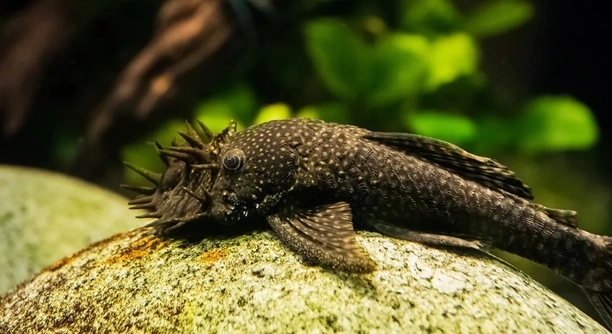
Have you ever found yourself wondering if your Bristlenose Pleco can peacefully share a tank with much larger fish species? Many aquarium keepers face this situation when balancing size differences and tank harmony among their aquatic pets.
Bristlenose Plecos can handle living with large fish under proper conditions, mainly due to their calm temperament, armored bodies, and preference for bottom areas. However, tank size, hiding spaces, and fish aggression levels play crucial roles in ensuring their safety.
Understanding how these factors interact can help you create a peaceful environment where both your Pleco and larger fish thrive comfortably together.
Understanding Bristlenose Plecos and Their Nature
Bristlenose Plecos are peaceful bottom-dwellers known for their unique appearance and ability to keep tanks clean by eating algae. They are hardy fish that can adapt to various water conditions, making them a favorite among aquarists. Their calm behavior allows them to coexist with many tank mates, but they do best in spacious aquariums where they can claim their own hiding spots. While they may seem small compared to large fish, their tough, armored bodies help protect them from minor nips or rough encounters. Still, they are not invincible, and constant bullying or stress can affect their health.
Plecos also prefer dim lighting and plenty of driftwood or caves, where they can rest undisturbed. This setup reduces tension and keeps them feeling secure in a community tank.
When given proper space and conditions, Bristlenose Plecos remain calm and active, showing their best natural behavior without fear of larger tank mates.
Choosing the Right Tank Companions
Tank mates play a huge role in how well your Pleco adjusts to larger fish.
It’s best to keep them with calm species like angelfish, discus, or gouramis. Avoid highly aggressive or territorial fish such as cichlids that might harass or injure your Pleco. Always consider both size and temperament when pairing species. A large tank helps reduce competition and aggression, especially if each fish has enough room to establish its own territory. Adding plants, rocks, and caves gives Plecos more hiding spaces, promoting a peaceful setup. Regular feeding also prevents conflicts over food.
Before introducing new fish, observe your current tank’s balance and behavior. A slow introduction process works best, giving all fish time to adapt. With careful planning, your Bristlenose Pleco can thrive alongside bigger fish without unnecessary stress or harm.
Tank Setup and Environment
A well-planned tank setup makes a big difference in how your Bristlenose Pleco handles large fish. Focus on providing enough space, stable water conditions, and several hiding areas to reduce stress and prevent territorial conflicts.
Keep the tank at least 30 gallons or more, depending on the size and number of fish. Use smooth gravel or sand as the substrate and add driftwood, as Plecos like to graze on its surface. Include multiple caves or decorations where your Pleco can hide if larger fish become too active. Ensure good filtration and regular water changes to maintain cleanliness, as Plecos produce waste. Balanced lighting and gentle water flow will help create a calm environment that encourages natural behavior.
When your Pleco feels secure, it will stay more active during feeding times and less likely to hide constantly. A stable environment keeps all your fish healthier overall.
Feeding and Compatibility
Feeding time can cause tension in mixed tanks if food is not properly distributed. Bristlenose Plecos mostly feed on algae and plant matter, but they also need sinking pellets and vegetables like zucchini or cucumber slices. Providing food near their hiding spots helps them eat peacefully.
Avoid relying only on algae growth, as it doesn’t offer complete nutrition. Offer a mix of foods rich in fiber and minerals to support healthy growth. Large fish can outcompete Plecos for food, so using sinking wafers ensures your Pleco gets its share. Feed at night when Plecos are more active, especially if tank mates are aggressive eaters. Maintaining a consistent feeding routine promotes balance and reduces stress, allowing your Bristlenose Pleco to live comfortably even with larger tank companions.
Signs of Stress or Aggression
Watch for signs of stress such as hiding all the time, refusing food, or fading colors. These may indicate your Pleco feels unsafe or threatened by larger tank mates. Adjusting the setup often helps calm their behavior.
Aggressive fish may chase or nip at your Pleco, causing visible injuries or damaged fins. Separating the fish or adding more hiding spaces usually reduces conflict. Observing your tank daily helps you spot issues early and keep peace among all your fish.
Maintaining Water Quality
Clean water is vital for a healthy Pleco, especially in a shared tank. Perform regular water changes and use a strong filter to handle the waste load. Monitor ammonia, nitrite, and nitrate levels weekly to prevent sudden spikes.
Breeding Considerations
Breeding in a tank with large fish can be difficult since eggs or fry may be eaten. If breeding is your goal, use a separate breeding tank to protect them from harm.
FAQ
Can Bristlenose Plecos live with aggressive large fish?
Bristlenose Plecos can survive with aggressive large fish, but their safety depends on tank size, hiding spots, and constant observation. Aggressive species can stress or injure Plecos, even if they are armored. If aggressive behavior is noticed, separating the fish or redesigning the tank is necessary.
How much space does a Pleco need with larger fish?
A minimum of 30 gallons is recommended, but larger tanks are better when housing bigger fish. Extra space allows the Pleco to claim its own territory and avoid frequent encounters with larger, potentially dominant tank mates. Decorations, caves, and driftwood further create safe zones.
What is the best diet for a Pleco in a mixed tank?
Bristlenose Plecos primarily eat algae, but this is not enough for proper nutrition. Supplement with sinking pellets, zucchini, cucumber, and occasional protein sources like shrimp pellets. Feeding near hiding spots ensures Plecos get their share without competing with larger, faster fish.
Do Plecos get stressed around large fish?
Yes, stress is common if large fish are overly active or aggressive. Stress signs include hiding, faded colors, fin damage, and refusal to eat. Providing multiple hiding spots, maintaining calm water flow, and keeping compatible species helps minimize stress.
Can Plecos defend themselves from bigger fish?
Bristlenose Plecos have tough, armored bodies that protect against minor nips, but they cannot defend against continuous attacks. If larger fish repeatedly harass them, intervention is needed. Stress and injury can lead to illness or stunted growth.
How do I know if my Pleco is happy with its tank mates?
A happy Pleco shows normal behavior: grazing, exploring the tank, and resting in hiding spots. Eating regularly and maintaining bright colors are good signs. Constant hiding, poor appetite, or damaged fins indicate that adjustments to the tank or companions may be required.
Can Plecos breed in a tank with large fish?
Breeding in a community tank with large fish is risky. Eggs and fry are often eaten. Using a separate breeding tank with caves and controlled conditions ensures higher survival rates for young Plecos.
How can I introduce a Pleco to a tank with large fish?
Introduce your Pleco slowly, preferably during low activity periods for other fish. Adding extra hiding spots and driftwood before introduction reduces stress. Monitor interactions closely, especially in the first few days, to ensure the Pleco is not harassed or chased.
Is water quality important for Plecos with big fish?
Absolutely. Larger fish produce more waste, which can quickly degrade water quality. Frequent water changes, strong filtration, and testing for ammonia, nitrites, and nitrates keep the environment safe. Clean water reduces stress and supports healthy growth and immunity.
Can tank decorations help Plecos coexist with larger fish?
Yes, caves, driftwood, and dense plants create safe spaces. These areas allow Plecos to hide or retreat when larger fish become active. Strategic placement of decorations can reduce conflicts, help Plecos feel secure, and maintain a peaceful tank environment.
What are the signs that tank conditions need improvement?
Signs include increased hiding, aggression from other fish, poor appetite, faded colors, or damaged fins. Sudden behavioral changes usually indicate issues with water quality, space, or compatibility. Early adjustments prevent serious health problems and help maintain a stable community.
How often should I feed a Pleco in a mixed tank?
Feeding once or twice daily is sufficient. Provide sinking food near hiding spots to prevent competition. Include vegetables, algae wafers, and occasional protein treats. Overfeeding can foul the water, while underfeeding may stress the Pleco and affect growth.
Can lighting affect Pleco behavior with large fish?
Yes, bright lighting can stress Plecos, especially if large fish are active. Dim or moderate lighting helps Plecos feel secure and reduces hiding. Adjust lighting to mimic natural cycles, giving Plecos time to feed and explore safely during darker periods.
Are there large fish that Plecos handle best?
Peaceful large fish like angelfish, gouramis, or discus are usually compatible. Avoid highly aggressive or territorial species, as they can harm the Pleco. Compatibility depends on temperament, tank size, and available hiding spots, not just the fish’s size.
How do I prevent bullying in a mixed tank?
Use a spacious tank with multiple hiding areas, provide consistent feeding, and monitor interactions. Remove or separate overly aggressive fish if necessary. Balanced tank design and compatible species selection reduce bullying and create a calmer environment for your Pleco.
What happens if a Pleco is constantly stressed by large fish?
Chronic stress leads to weakened immunity, slower growth, and increased vulnerability to disease. Stress can also cause behavioral changes like constant hiding or refusing to eat. Immediate intervention, such as improving hiding spaces or separating fish, is crucial for their survival.
Can Plecos coexist with multiple large fish species?
Yes, if the tank is large enough and hiding spaces are abundant. Careful selection of calm species and regular observation are key. Overcrowding or aggressive combinations can lead to constant stress, injuries, and health issues for your Pleco.
Do Plecos ever initiate conflict with large fish?
Generally, no. Plecos are peaceful and avoid confrontation. Most issues arise from larger fish harassing them. Ensuring adequate space, feeding, and hiding spots reduces conflicts and allows Plecos to thrive quietly in a mixed tank.
What is the best way to monitor Pleco health in a mixed tank?
Observe behavior, appetite, and coloration daily. Check for damaged fins, unusual hiding patterns, or signs of stress. Regular water testing and maintenance help maintain a healthy environment, preventing stress-related health issues for both Plecos and larger fish.
How can I make my Pleco feel secure at night?
Provide dark hiding spots and caves, as Plecos are nocturnal. Keep lights low or use timers to mimic natural day-night cycles. Nighttime feeding with sinking food near hiding areas helps them eat without stress from active tank mates.
Are Plecos affected by overpopulation in mixed tanks?
Yes, overpopulation increases stress, competition for food, and poor water quality. Each fish needs enough space to establish territory. Avoid overcrowding to ensure Plecos remain healthy and stress-free while coexisting with larger fish.
Can changing tank decorations help reduce stress?
Yes, rearranging hiding spots and adding new caves or driftwood can give Plecos fresh spaces and reduce encounters with aggressive fish. It refreshes the environment and encourages natural behavior, helping them feel safer in a community tank.
Do Plecos prefer certain water temperatures when living with large fish?
Bristlenose Plecos do best in 72–78°F water. Matching temperatures to compatible tank mates ensures everyone is comfortable. Sudden fluctuations can stress the Pleco and affect its health, especially when housed with larger, sensitive fish.
How long does it take for a Pleco to adjust to large fish?
Adjustment varies by tank and species. Most Plecos settle within a few days to a week, especially with ample hiding spots. Continuous observation is important, as some individuals may need more time to feel secure.
Can Plecos be kept with goldfish?
Yes, they can coexist, but goldfish produce high waste, requiring strong filtration and frequent water changes. Goldfish may compete for food, so provide sinking pellets and vegetables to ensure the Pleco eats properly.
Are there warning signs of illness caused by tank stress?
Symptoms include faded colors, lethargy, loss of appetite, fin rot, or unusual swimming patterns. Stress from aggressive tank mates or poor water conditions often triggers these issues. Early detection and tank adjustments improve recovery chances.
Is it safe to keep multiple Plecos with large fish?
Yes, if the tank is spacious and has enough hiding spots. Multiple Plecos need separate areas to avoid competition. Crowded tanks increase stress for all fish, so careful planning is essential.
Can Plecos get along with bottom-dwelling large fish?
They may tolerate other bottom dwellers if space is adequate. Competition for territory or food can cause stress, so monitor interactions closely. Providing separate feeding areas and multiple hiding spots reduces conflict and helps maintain harmony.
Do Plecos require extra care in community tanks?
Yes, regular water changes, proper feeding, and monitoring behavior are essential. Attention to hiding spaces and tank layout helps reduce stress. Careful observation ensures that Plecos coexist peacefully with larger, more active fish without health issues.
What is the role of driftwood in Pleco health?
Driftwood serves as a hiding place and grazing surface. Plecos scrape algae and biofilm off it and sometimes nibble the wood for fiber. Including driftwood reduces stress, provides enrichment, and promotes natural feeding behavior in a mixed tank.
How do I handle conflicts between Plecos and large fish?
Observe carefully and identify aggressive behavior. Add more hiding spots, separate fish if needed, and ensure even food distribution. Intervening early prevents injury and stress, keeping the tank environment balanced and safe for all species.
Are Plecos territorial with large fish?
They are minimally territorial but do claim certain areas like caves or driftwood. Large fish may inadvertently invade these spaces, causing stress. Providing multiple hiding spots and sufficient space minimizes territorial conflicts and promotes peaceful coexistence.
Can Plecos thrive in tanks with boisterous fish?
They can, if the tank is spacious and has plenty of hiding areas. Boisterous fish may chase or compete for food, so adequate preparation and monitoring are key to keeping the Pleco healthy and stress-free.
Do Plecos benefit from night feeding in mixed tanks?
Yes, night feeding ensures they can access food without competition from larger, diurnal fish. Sinking pellets or vegetables near hiding spots allow Plecos to feed safely and maintain proper nutrition.
How important is observation for Plecos in mixed tanks?
Daily observation is crucial. It helps detect stress, aggression, illness, or feeding issues early. Regular checks allow timely adjustments to tank setup, companions, or diet, ensuring the Pleco’s long-term health in a community environment.
Can Plecos survive with large, fast-moving fish?
They can survive if the tank is large and hiding spots are plentiful. Fast-moving fish may cause stress, so careful planning, feeding strategies, and tank design are essential to protect the Pleco.
Do Plecos need specialized care when living with large fish?
Yes, extra attention to diet, tank layout, hiding spaces, and water quality is necessary. Monitoring for stress, injury, or disease helps ensure the Pleco thrives alongside larger, more active species.
How do I prevent Pleco injuries in a mixed tank?
Provide ample hiding spaces, avoid aggressive tank mates, and maintain calm water flow. Distribute food properly to reduce competition, and separate fish if necessary to prevent physical harm.
Can Plecos adjust to aggressive tank mates over time?
Some may adapt if space and hiding options are sufficient, but persistent aggression can cause chronic stress. Early observation and intervention are important to protect the Pleco’s health and well-being.
Is it better to keep a Pleco alone with large fish?
Not necessarily. A Pleco can thrive in a community tank with compatible large fish if the environment is properly set up. Adequate space, hiding areas, and careful monitoring are key to peaceful coexistence.
Can Plecos live long with large fish?
Yes, if stress is minimized, food is sufficient, and water quality is maintained. Proper tank management allows Plecos to live healthy lives even alongside bigger tank mates.
Do Plecos need extra enrichment in mixed tanks?
Yes, caves, driftwood, and plants provide hiding spaces, grazing surfaces, and stimulation. Enrichment reduces stress, encourages natural behavior, and helps them coexist peacefully with larger, active fish.
What is the main factor for Pleco survival with large fish?
Tank setup, hiding spots, compatible species, and water quality are the most important. Ensuring these elements are balanced helps prevent stress, injury, and health issues. Proper planning and observation are crucial for successful mixed tanks.
How often should I check on Pleco behavior?
Daily observation is ideal. Watch feeding habits, activity levels, and interactions with other fish. Regular monitoring allows early detection of stress, aggression, or illness, helping maintain a safe and balanced tank environment.
Do Plecos ever chase large fish?
Rarely. They are peaceful and avoid confrontation. Any chasing is usually defensive, triggered by intrusion into hiding areas. Providing enough space and hiding spots prevents these encounters.
Can Plecos live with schooling large fish?
Yes, as long as there is enough space and hiding areas. Schooling fish may be fast or active, but Plecos’ armored bodies and bottom-dwelling habits allow them to coexist with minimal conflict.
Are there special considerations for Pleco health in large tanks?
Yes, larger tanks require careful water monitoring, consistent feeding, and observation of interactions. Adequate hiding spots and balanced tank mates ensure Plecos remain healthy and stress-free in a bigger community setup.
What is the best way to introduce multiple Plecos with large fish?
Introduce Plecos gradually, add hiding spots, and monitor interactions. Ensure enough food is available for each Pleco to prevent competition. This approach reduces stress and allows peaceful coexistence.
Do Plecos ever show aggression toward larger fish?
They are mostly non-aggressive. Occasional defensive behavior may occur if their space is invaded, but they generally avoid confrontation. Proper tank layout minimizes these incidents.
How do I keep Plecos healthy in mixed tanks long-term?
Maintain water quality, provide a balanced diet, ensure ample hiding spots, and monitor interactions. Regular tank maintenance, observation, and proper companion selection help Plecos thrive alongside larger fish for years.
Can Plecos adapt to changes in tank population?
Yes, if adjustments like adding hiding spaces and monitoring water quality are made. Sudden overcrowding or aggressive additions may stress them, so gradual changes are better.
Do Plecos need different water parameters than large fish?
Generally, Plecos adapt to a range of tropical fish parameters. Ensure temperature, pH, and hardness are compatible with other tank mates. Sudden fluctuations can cause stress and affect their health.
Are Plecos more active at certain times with large fish?
Yes, they are primarily nocturnal. Activity peaks at night when larger, diurnal fish are less active. Night feeding and dim lighting support natural behavior and reduce stress.
Can Plecos coexist with bottom-feeding large fish?
Yes, but competition for territory and food must be managed. Provide multiple feeding areas and hiding spots to reduce stress and ensure all fish can thrive peacefully.
Do Plecos need routine health checks in community tanks?
Yes, observing for signs of stress, illness, or injury is important. Early detection of problems allows timely intervention, ensuring the Pleco remains healthy in a mixed-species environment.
How does tank layout impact Pleco survival with large fish?
Strategic placement of caves, driftwood, and plants reduces encounters with aggressive fish. Proper layout ensures Plecos can establish secure spaces, promoting calm behavior and long-term well-being.
Are Plecos safe with fast-moving or boisterous fish?
They can coexist if the tank is large and hiding areas are abundant. Fast-moving fish may increase stress, so careful planning, feeding strategies, and monitoring are necessary to protect the Pleco.
Can Plecos adapt to multiple large fish species?
Yes, if the environment is spacious, hiding spots are sufficient, and species are compatible. Observing behavior regularly ensures conflicts are minimized and all fish remain healthy.
Do Plecos require specific lighting when housed with large fish?
Dim or moderate lighting helps Plecos feel secure and reduces stress from more active fish. Mimicking natural day-night cycles supports healthy behavior and feeding habits.
Can Plecos live peacefully in a community tank?
Yes, with proper planning, feeding, and tank layout. Monitoring behavior and providing ample hiding spots allow them to coexist safely with larger, calmer fish.
How important is tank size for Plecos with big fish?
Tank size is critical. Larger tanks reduce competition, stress, and aggressive encounters. Each fish needs enough space to establish territory and feed properly. Proper sizing ensures long-term harmony and health.
Can Plecos thrive without hiding spots in mixed tanks?
No, hiding spots are essential for security. Without them, stress increases, and health can decline. Providing caves, driftwood, or plants is necessary for comfort and survival.
Do Plecos compete for food with large fish?
Yes, especially with fast or aggressive feeders. Sinking pellets and vegetables near hiding spots ensure Plecos get enough nutrition without conflict. Proper feeding strategy prevents stress and malnutrition.
Are Plecos sensitive to changes in tank mates?
Yes, sudden additions or aggressive fish can cause stress. Gradual introductions and adequate space help them adapt and maintain calm behavior.
Can Plecos coexist with territorial large fish?
It is risky. Territorial fish may chase or injure Plecos. Providing multiple hiding spots and sufficient space reduces conflicts, but careful monitoring is required to prevent stress or injury.
Do Plecos need special care during breeding in community tanks?
Yes, eggs and fry are vulnerable to larger fish. A separate breeding tank with caves and controlled conditions ensures higher survival rates and reduces risk to adult Plecos.
Can Plecos adapt to changes in lighting and feeding schedules?
Yes, but sudden changes can stress them. Gradual adjustments to light cycles and feeding routines help them maintain normal behavior and reduce anxiety in a mixed tank.
How do I balance Pleco needs with larger fish in the same tank?
Provide sufficient space, hiding spots, compatible species, and proper feeding. Regular water testing and observation ensure a stable environment where both Plecos and larger fish thrive without stress.
What is the most common problem for Plecos with large fish?
Stress from aggressive or overly active fish is the main issue. It can lead to hiding, poor appetite, faded colors, and health problems. Adequate tank size, hiding spaces, and compatible companions help prevent this.
Can Plecos survive in tanks with large predatory fish?
Only in very large tanks with plenty of hiding spaces. Predatory fish can injure or eat Plecos. Constant monitoring and protective measures are necessary to ensure safety.
How do I know if a Pleco is stressed long-term?
Signs include constant hiding, slow growth, poor appetite, faded colors, and frequent illness. Long-term stress requires immediate intervention, such as improving tank layout or separating aggressive fish.
Do Plecos benefit from regular water changes with large fish?
Yes, large fish produce more waste, so consistent water changes are essential. Clean water reduces stress, prevents disease, and supports overall health for both Plecos and tank mates.
Can Plecos adapt to overcrowded tanks?
They can tolerate mild crowding if hiding spots and food are sufficient, but overcrowding increases stress
Bristlenose Plecos are peaceful and hardy fish that can coexist with larger fish when the tank environment is properly set up. Their calm nature and armored bodies make them more resilient to minor stress or nips from larger tank mates. However, their survival and comfort depend on a few key factors, including tank size, hiding spaces, water quality, and the temperament of other fish. A Pleco’s armored body protects it from small incidents, but it is not a guarantee against constant aggression or overcrowding. Providing a tank with enough space for each fish to establish territory reduces the risk of stress and injury. Driftwood, caves, and dense plants are essential for hiding and resting areas. Plecos are bottom dwellers, so positioning these shelters near the substrate allows them to feel secure and avoid unnecessary conflict with more active or larger fish swimming above.
Feeding is another crucial aspect that affects how well Plecos coexist with larger species. Bristlenose Plecos feed mainly on algae, but a diet limited to algae is not enough to keep them healthy. Sinking pellets, vegetables like zucchini or cucumber, and occasional protein treats provide the necessary nutrients for growth and immunity. In a tank with larger or faster fish, food placement becomes even more important. Feeding near hiding spots or in multiple locations helps ensure that Plecos get their share without competing aggressively. Night feeding can be beneficial because Plecos are more active during dim or dark conditions, while many larger fish are less active. Consistent feeding schedules, proper nutrition, and careful observation of how Plecos and other fish interact during mealtime all contribute to a peaceful coexistence.
Long-term success with Plecos in a community tank requires ongoing observation and care. Monitoring water quality, fish behavior, and health helps prevent stress-related issues and ensures that all fish thrive. Stress in Plecos can show as hiding, faded colors, slow growth, or refusal to eat, and it can result from aggressive tank mates, overcrowding, or poor water conditions. Adjusting tank layout, adding new hiding spots, or even separating fish when necessary can resolve these problems. Plecos adapt well when their needs are met, and they can thrive alongside compatible large fish for many years. Maintaining a calm, clean, and properly organized tank is the best way to keep your Pleco safe, healthy, and comfortable, allowing both it and its tank mates to live together successfully.

Hello,
If you enjoy the content that we create, please consider saying a "Thank You!" by leaving a tip.
Every little bit helps us continue crafting quality advice that supports the health, happiness, and well-being of pets around the world, for pets of all shapes, sizes, and species.
We really appreciate the kindness and support that you show us!