
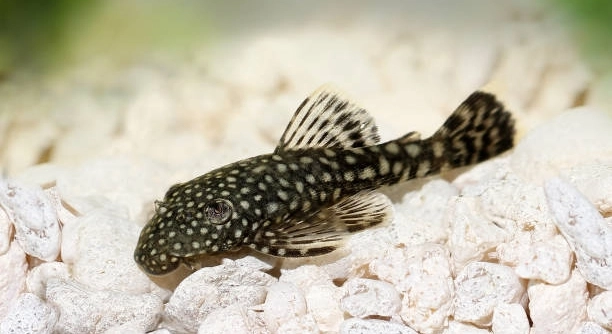
Have you ever noticed your pleco spending most of its time hiding behind decorations or under rocks in the tank? These shy, nocturnal fish rely on safe hiding spots to feel comfortable and secure in their environment.
Providing hiding spots in a pleco tank is essential for their well-being. These areas reduce stress, encourage natural behavior, and create a balanced ecosystem. Without proper shelters, plecos can become anxious, territorial, or even unhealthy due to constant exposure and lack of rest.
From natural caves to creative DIY options, each hiding spot serves a special purpose in keeping your pleco calm and content.
1. Driftwood Caves
Driftwood caves are one of the best hiding spots for plecos. They not only give your fish a safe retreat but also release tannins that help mimic their natural habitat. These tannins slightly lower the pH, making the water more comfortable for most pleco species. When choosing driftwood, make sure it is aquarium-safe and properly soaked before placing it in the tank. Driftwood also provides a surface for algae growth, which plecos love to graze on. Its natural appearance blends beautifully with aquatic plants, stones, and other décor, creating a calm and shaded environment for your pleco to rest in.
Smaller plecos often spend hours attached to driftwood, resting or hiding during daylight hours. The texture and crevices offer security and privacy while still allowing water to flow through easily, keeping the tank environment healthy and stable for your fish.
To create an ideal driftwood hideout, position the wood in a shaded area of the tank and anchor it with rocks if needed. You can also place it near plants or other decorations to form small tunnels or enclosed corners. These structures imitate riverbanks and submerged roots, helping your pleco feel safe and less exposed. Adding more than one piece can help reduce territorial behavior, especially if you keep multiple plecos together.
2. Clay and Ceramic Hides
Clay and ceramic hides are perfect for plecos that prefer enclosed, cave-like shelters. They are durable, easy to clean, and available in many shapes and sizes, making them suitable for both small and large tanks.
A well-placed clay or ceramic hide can help your pleco feel secure and reduce stress from bright lights or other tank mates. These hides mimic natural rock caves, offering a private space where plecos can rest or breed safely. Many aquarists prefer clay tubes because they are breathable and allow good water circulation inside. You can stack or arrange them creatively to form small cave networks. For breeding plecos, clay hides provide an ideal location for egg-laying and guarding behavior. The smooth surface prevents injuries, while the sturdy material ensures the hide stays in place. Over time, algae may grow on the surface, adding a natural touch that makes the shelter even more appealing to your pleco.
3. Rock Formations
Rock formations give plecos natural hiding areas similar to riverbeds. Smooth river rocks or stacked slate pieces create strong, stable shelters. Always secure the rocks to avoid collapses, especially if you have large or active plecos that may move things around.
When building rock formations, leave enough gaps for your pleco to pass through easily. Combine different rock sizes to form tunnels and shaded corners. It’s important to rinse all rocks before adding them to the tank to remove dust or debris. Avoid sharp edges that could harm your pleco’s skin or fins. Rocks can also help maintain stable water conditions and act as anchors for plants or driftwood, creating a balanced, natural look.
Adding rock formations encourages your pleco to explore and settle comfortably. These structures also create areas of privacy, especially if you have multiple fish. Plecos often claim a certain cave or crevice as their territory, and well-designed rock formations prevent conflicts by giving each fish its own space. This setup also helps maintain a natural feeding pattern since plecos enjoy grazing on algae that naturally forms on rock surfaces.
4. PVC Pipe Shelters
PVC pipe shelters are simple and practical hiding options for plecos. They are inexpensive, easy to clean, and available in different diameters to fit your pleco’s size. Their smooth surface helps prevent scratches and makes maintenance stress-free.
To make the shelter look more natural, you can disguise PVC pipes with plants, rocks, or gravel. Cut them into short sections and arrange them horizontally to mimic small caves. Ensure the pipe ends are smooth and sanded to avoid sharp edges. Many pleco keepers prefer PVC shelters for breeding setups because they are easy to move, clean, and replace if needed. The material doesn’t affect water quality, and it allows good water flow inside. With a few pipes of varying sizes, your plecos can choose their preferred spot for resting, hiding, or spawning comfortably within their tank.
5. Coconut Shell Hides
Coconut shells are an affordable and natural hiding spot that plecos love. They provide a cozy shelter with a smooth interior and can be easily prepared by removing the husk and boiling to eliminate any residue before placing in the tank.
You can decorate coconut shells with moss or small plants to blend them into the aquarium’s landscape. Their rounded shape and dark interior make them a perfect refuge for plecos seeking shade or privacy during the day. These hides also encourage natural resting and breeding behaviors.
6. Plant-Covered Areas
Live plants create soft, shaded areas that plecos often use as hiding spots. Large-leaf plants like Anubias or Amazon swords provide excellent cover, while floating plants can help reduce light and stress levels for your pleco.
The roots and stems of live plants form small spaces for your pleco to rest in while improving water quality. Plant-covered areas also support algae growth, offering a natural food source. Adding plants enhances both the look and comfort of your tank.
7. Tank Decorations
Artificial decorations like sunken ships, caves, or tunnels can be great hiding spots when chosen carefully. Always check that they’re aquarium-safe and have smooth surfaces. They not only provide shelter but also make the tank visually appealing and stimulating for your pleco.
FAQ
Do plecos really need hiding spots in their tanks?
Yes, plecos absolutely need hiding spots to feel safe and secure. In the wild, plecos spend most of their time under rocks, roots, or in shaded areas of rivers. They are nocturnal by nature, meaning they prefer dark, quiet spaces during the day. Without enough hiding places, plecos can become stressed, which may lead to poor eating habits and weakened immunity. Providing multiple shelters ensures your pleco can retreat whenever it needs to, especially if other tank mates are active or territorial.
How many hiding spots should I have for my pleco?
It’s best to have at least two or three hiding spots for each pleco in your tank. If you have multiple plecos, make sure there are enough shelters so that each one can claim its own space. Territorial behavior can occur if they are forced to compete for hiding places. Try to vary the types—some enclosed, some open—so your pleco can choose according to its comfort. Even small tanks benefit from multiple hiding areas, as this helps maintain peace and reduces stress.
What materials are safe to use for pleco hides?
Safe materials include driftwood, aquarium-safe rocks, clay, ceramic, PVC, and coconut shells. Avoid untreated wood, painted objects, or metal items, as they can release harmful substances into the water. Always rinse or boil natural materials like wood or shells before placing them in the aquarium. Aquarium-safe decorations from pet stores are usually tested for safety and can be a reliable option. The main priority is to ensure no sharp edges or toxic coatings that could harm your pleco’s skin or fins.
Can hiding spots help with pleco breeding?
Yes, hiding spots are essential for breeding plecos. Most species prefer to spawn in enclosed caves where they can lay and guard their eggs safely. Males typically select and clean the inside of a cave before attracting a female. Once the eggs are laid, the male guards them until they hatch. Clay tubes, PVC pipes, or coconut shells work particularly well for breeding since they provide the ideal enclosed space. Without proper shelters, breeding may not occur, as plecos need to feel secure to reproduce.
What size should the hiding spots be?
The size depends on your pleco’s species and age. A hiding spot should be large enough for your pleco to enter and turn around comfortably but snug enough to make it feel secure. For small plecos, smaller openings work better, while larger species need wider entrances. If the hide is too large, your pleco may not feel safe inside; if it’s too small, it could get stuck. Always match the shelter size to your pleco’s body length and girth.
Can plecos share hiding spots with other fish?
Plecos generally prefer to have their own space. While peaceful species might occasionally share a large hide, most plecos like privacy, especially during the day or breeding periods. Other bottom-dwelling fish, such as corydoras or loaches, might also compete for the same spots. To prevent stress or aggression, it’s best to provide separate shelters for each fish type. This ensures every tank inhabitant has a safe retreat without confrontation.
Do artificial decorations work as well as natural ones?
Artificial decorations can work just as well, provided they are safe and have smooth edges. Many aquarium ornaments are designed to mimic natural caves or tunnels. You can even combine artificial pieces with natural materials like driftwood or plants to create a balanced look. Artificial hides require less maintenance and won’t alter water chemistry. However, plecos often prefer natural textures like wood or stone, as they more closely resemble their wild environment. A mix of both types often works best.
How can I make the hides blend into the tank’s design?
You can blend hides naturally by surrounding them with plants, gravel, or rocks that match your tank’s layout. Adding moss or small ferns to driftwood or coconut shells helps them look like part of the aquascape. Try arranging different shelters at varying depths, with some hidden among plants and others under rocks. This not only creates a natural appearance but also encourages your pleco to explore different areas of the tank. A balanced setup keeps the aquarium beautiful while meeting your pleco’s needs.
Should I clean or replace hiding spots regularly?
Yes, cleaning hides occasionally is important to prevent algae buildup and trapped debris. During water changes, check inside caves or pipes for waste or leftover food. Rinse them with tank water rather than tap water to preserve beneficial bacteria. Ceramic and PVC hides are easy to clean, while driftwood and rocks may just need gentle brushing. You don’t need to replace hides often unless they become damaged or unsafe. Keeping them clean ensures a healthy, stable environment for your pleco.
What happens if my pleco doesn’t use the hiding spots?
If your pleco isn’t using the hides, check their placement and size. Some plecos prefer low-light areas or shelters near water flow, while others like calm, shaded spots. It might take time for a new pleco to adjust to its surroundings. Make sure the tank lighting isn’t too bright, and avoid overcrowding. Once your pleco feels comfortable and the tank environment is stable, it will naturally start using the hiding spots more frequently. Patience and small adjustments usually solve the problem.
Final Thoughts
Creating a tank that keeps your pleco happy and comfortable takes a little effort, but it’s worth it. These peaceful bottom dwellers thrive in environments that feel natural, shaded, and secure. Without enough hiding spots, even the calmest pleco can become uneasy or stressed. Whether you use driftwood, rocks, clay hides, or PVC pipes, the goal is to provide spaces that allow your pleco to rest and retreat. Each type of shelter offers unique benefits, and combining a few of them can make your aquarium both functional and visually appealing. When your pleco feels safe, it becomes more active during feeding time, displays its colors beautifully, and generally lives a healthier life.
A well-decorated tank with proper hiding spots also helps create balance among all your fish. Many plecos share tanks with other bottom-dwellers, and without enough shelters, competition for space can lead to stress or aggression. By arranging different hiding areas—some enclosed, some open—you give every fish a place to call its own. It’s not just about looks; it’s about building a space that mimics nature. Plecos instinctively seek dark places to hide during the day, and offering that comfort helps maintain their natural rhythm. Over time, you may even notice your pleco exploring new areas of the tank with more confidence, showing that it feels safe in its environment.
Adding hiding spots is one of the simplest and most rewarding ways to care for your pleco. It encourages natural behaviors, supports breeding for certain species, and contributes to overall tank harmony. Each shelter you add tells your pleco that this tank is its home, a safe space to rest, eat, and explore. Even small changes—like placing a new cave or rearranging plants—can make a big difference. Taking the time to observe your pleco’s behavior can help you learn which hiding spots it prefers and how it interacts with the environment. This small attention to detail not only improves your pleco’s well-being but also makes your aquarium more interesting to watch. In the end, providing good hiding spots isn’t just a decoration choice—it’s a sign of thoughtful fishkeeping that creates a peaceful, thriving space for your pleco to live happily for years to come.

Hello,
If you enjoy the content that we create, please consider saying a "Thank You!" by leaving a tip.
Every little bit helps us continue crafting quality advice that supports the health, happiness, and well-being of pets around the world, for pets of all shapes, sizes, and species.
We really appreciate the kindness and support that you show us!