
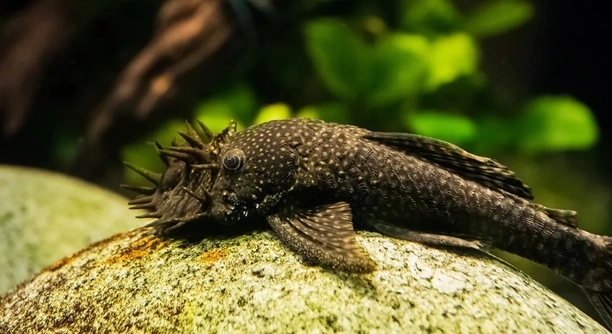
Having plecos in your aquarium can be a rewarding experience, but their territorial nature sometimes leads to conflicts. Observing these fish interact shows that even peaceful tanks can experience unexpected aggression and stress among tankmates.
The most effective approach to prevent territorial fights among plecos is to provide sufficient space, hiding spots, and resources. Proper tank layout and careful monitoring of fish behavior significantly reduce aggression and ensure that each pleco can establish its own territory safely.
By understanding pleco behavior and implementing small changes, you can maintain a calmer aquarium environment and reduce stress for all your fish companions.
Understanding Pleco Territory
Plecos are naturally territorial fish that mark their area with body language and substrate scraping. Each fish claims a section of the tank, often around hiding spots or food sources. Without clear boundaries, these fish may chase or nip at each other. Recognizing the signs early can prevent stress and injuries. Providing caves, driftwood, and plants gives them defined spaces to call their own. Observing your plecos daily helps you notice which areas are causing conflicts. Adjusting tank decorations and rearranging objects occasionally can reduce tension. Territorial behavior varies by species; some plecos are more aggressive than others. Younger fish often squabble more until they settle, while adults tend to have established zones. Keeping a proper population density is essential. Too many plecos in a small tank increases aggression. Monitoring water quality and temperature also helps maintain a calm environment. Healthy plecos are less likely to be irritable and territorial.
Territorial fights usually decrease when each pleco has enough personal space and hiding places.
Spacing hides and resources correctly helps reduce stress and ensures plecos coexist peacefully without constant confrontation.
Choosing the Right Tank Size
Tank size directly impacts pleco behavior. Small tanks lead to overcrowding, which intensifies territorial disputes and stress. Plecos need room to swim, forage, and explore. A larger tank provides multiple zones for hiding and feeding, reducing the likelihood of conflict. Adding rocks, driftwood, and plants creates natural separations. Avoid placing all hiding spots in one corner, as this can concentrate disputes in that area. Regularly observing your tank allows adjustments if fights persist. Over time, fish may claim permanent territories, so planning your tank layout in advance is helpful. Species-specific needs matter: larger plecos need more space, while smaller types tolerate cohabitation better. Providing a balanced environment with appropriate tankmates also lowers tension. Monitoring behavior daily ensures that aggression doesn’t escalate unnoticed. A calm, spacious tank encourages natural behavior and promotes long-term health.
Proper tank planning and layout help plecos coexist, giving them room to establish territory without constant conflict.
Providing Plenty of Hiding Spots
Hiding spots reduce stress and prevent fights. Caves, driftwood, and dense plants allow plecos to retreat and feel safe.
Adding multiple hiding places gives each pleco a personal area. If one fish occupies a cave, others can use different shelters without confrontation. Using a mix of natural materials like driftwood and rocks along with artificial caves ensures there are enough options. Plants also create visual barriers, which helps reduce direct lines of sight between fish. Rearranging hiding spots occasionally prevents one fish from dominating a favored area. Providing secure spots near food zones can further minimize disputes, as plecos feel less need to guard resources aggressively.
Spacing hiding spots evenly across the tank is key. Avoid clustering shelters together, as this can create hotspots for territorial disputes. Each pleco should have a nearby retreat accessible from swimming areas. This setup supports natural behavior while lowering aggression, making your tank more peaceful and enjoyable to maintain.
Feeding Strategies to Reduce Aggression
Feed plecos in multiple locations to prevent competition. Scattering food helps each fish access nutrition without fighting.
Using slow-sinking pellets, wafers, or vegetables placed in different spots ensures that plecos don’t crowd a single feeding area. Observing how your fish feed helps identify dominant individuals who might block others. Feeding at consistent times each day also reduces anxiety and aggression. Offering a variety of foods encourages natural foraging behavior, which distracts them from focusing on territory disputes. Overfeeding slightly is better than allowing competition to escalate, but remove uneaten food to maintain water quality.
Creating separate feeding zones and offering varied food types reduces conflict while supporting plecos’ health. This method prevents dominant fish from monopolizing resources and keeps the tank calmer overall. Monitoring feeding behavior allows adjustments to ensure all fish are eating adequately. Over time, fish learn to respect each other’s space during feeding, and aggression decreases naturally, especially when hiding spots are available nearby. Maintaining consistent routines reinforces a peaceful environment and helps avoid unnecessary stress.
Monitoring Fish Behavior
Watch plecos closely to identify early signs of aggression. Quick action can prevent serious injuries.
Noticing chasing, nipping, or constant guarding of a spot helps you intervene before fights escalate.
Separating Aggressive Individuals
Aggressive plecos may need temporary separation. Quarantine tanks or dividers can calm tensions and protect others.
Maintaining Water Quality
Clean, stable water reduces stress and aggression. Regular testing and partial water changes keep plecos healthy and less likely to fight.
Choosing Compatible Tankmates
Select peaceful fish that won’t provoke plecos. Avoid overly active or territorial species that increase stress.
FAQ
How can I tell if my plecos are stressed or aggressive?
Signs of stress or aggression include constant chasing, nipping at fins, and guarding specific areas of the tank. Fish may hide more than usual or show rapid breathing. Uneaten food or sudden changes in behavior can also indicate tension. Observing daily interactions helps catch problems early and adjust tank conditions or layout.
What is the best way to arrange hiding spots?
Place caves, driftwood, and dense plants evenly across the tank. Avoid clustering shelters together, as this can create conflict hotspots. Each pleco should have at least one nearby retreat that allows it to feel safe while still accessing swimming and feeding areas. Rearranging hiding spots occasionally can prevent a dominant fish from claiming the same area continuously.
How often should I feed plecos to reduce fights?
Feed plecos once or twice daily using multiple feeding zones. Scattering food prevents competition at a single location. Providing a mix of slow-sinking pellets, wafers, and vegetables encourages natural foraging and reduces aggression. Remove uneaten food after a few hours to maintain water quality and prevent stress. Observing feeding behavior ensures each fish receives adequate nutrition.
Can tank size really affect territorial fights?
Yes. Small tanks increase stress and overcrowding, which intensifies disputes. Larger tanks allow plecos to establish separate zones, swim freely, and access food without interference. For larger species, tanks over 75 gallons are recommended, while smaller species may manage in 50 gallons if hiding spots and resources are sufficient. Proper planning is essential for a calm environment.
What should I do if one pleco is overly aggressive?
Temporarily separate aggressive plecos using a divider or quarantine tank. Reducing access to prime hiding spots can sometimes help balance territorial behavior. Monitoring interactions after separation allows you to reintroduce the fish safely. Consistent feeding and providing additional hiding spots also reduce dominance-related aggression over time.
Are certain pleco species more prone to fights?
Yes. Some species, like common plecos, may be more territorial, especially as adults. Smaller or more peaceful species, such as bristlenose plecos, usually tolerate cohabitation better. Researching species behavior before introducing new fish helps prevent conflicts and ensures a more stable tank environment.
How can water quality influence pleco aggression?
Poor water quality increases stress, making plecos more likely to fight. Regular water changes, filtration, and monitoring temperature, pH, and ammonia levels keep fish healthy and calm. A stable environment supports natural behavior and reduces aggression caused by discomfort or stress.
Is it necessary to separate plecos by size or age?
Sometimes. Larger plecos may dominate smaller or younger fish, leading to injuries or constant chasing. Providing plenty of space, hiding spots, and feeding zones can help, but in some cases, separating size classes ensures safety and reduces stress for all fish.
Can tank decorations reduce territorial disputes?
Yes. Rocks, caves, driftwood, and plants create visual barriers and multiple territories. Proper placement ensures that no single fish can claim all prime areas. Rearranging decorations periodically prevents domination and encourages a calmer, more balanced tank dynamic.
How do I know if my plecos have established territories?
Plecos often patrol a specific area, return to the same hiding spot, and display consistent behaviors around their zone. Once territories are established, chasing and nipping usually decrease. Observing these patterns helps you maintain an environment that respects each fish’s personal space.
What is the impact of overcrowding on pleco fights?
Overcrowding increases competition for food, space, and hiding spots. This often results in constant chasing, stress, and injuries. Ensuring an appropriate number of plecos for the tank size, along with sufficient shelters and resources, is essential to maintain harmony and prevent territorial aggression.
Are there ways to prevent fights when introducing new plecos?
Yes. Rearrange the tank before adding new fish to disrupt existing territories. Introduce newcomers gradually and provide extra hiding spots. Feeding in multiple locations from the start helps reduce competition. Monitoring interactions closely during the first days ensures a smooth adjustment period and minimizes conflicts.
Does lighting or tank environment affect pleco behavior?
Plecos are sensitive to light and environmental changes. Too bright lighting or sudden changes can increase stress and trigger aggression. Providing shaded areas, dim lighting options, and consistent water conditions supports calm behavior and helps reduce territorial disputes.
Can consistent routines help reduce aggression?
Absolutely. Regular feeding times, water maintenance, and predictable care reduce stress and create a stable environment. Consistency helps plecos feel secure in their territories and minimizes the likelihood of fights caused by unexpected disturbances or competition.
Is it necessary to monitor pleco interactions daily?
Yes. Daily observation allows early detection of aggression, illness, or stress. Adjustments to hiding spots, feeding routines, or tank layout can prevent small issues from escalating. Monitoring ensures a healthier, calmer tank and supports the well-being of all fish.
What are the signs that separation or intervention is needed?
Continuous chasing, injuries, constant hiding, or loss of appetite indicates intervention is necessary. Using dividers, adding hiding spots, or temporarily separating aggressive individuals prevents long-term harm and reduces overall stress in the tank.
How important is variety in hiding spots and feeding locations?
Providing variety ensures plecos can establish personal zones and access food without confrontation. Different caves, driftwood, plants, and multiple feeding areas reduce competition, encourage natural behavior, and keep the tank environment balanced and calm.
What role do tankmates play in pleco aggression?
Peaceful, non-territorial tankmates reduce stress and avoid provoking fights. Active or territorial species may trigger competition and heighten aggression. Choosing compatible companions helps maintain harmony and prevents constant tension in the aquarium.
Can rearranging the tank help resolve ongoing conflicts?
Yes. Rearranging hiding spots and decorations disrupts established territories, giving aggressive plecos a chance to reset their behavior. It encourages fish to explore new areas, reduces dominance, and fosters a calmer tank environment overall.
Are juvenile plecos more aggressive than adults?
Juveniles may fight more as they establish territories. Adults usually settle into stable zones. Providing enough space, hiding spots, and monitoring interactions helps reduce early aggression and ensures smooth development into calm adult behavior.
How do I balance multiple plecos in one tank?
Provide adequate space, multiple hiding spots, varied feeding zones, and compatible tankmates. Monitor interactions closely, separate aggressive individuals when necessary, and maintain consistent routines. A carefully planned tank layout and attentive care allow multiple plecos to coexist peacefully without frequent territorial fights.
This FAQ addresses the most common concerns and provides practical steps to reduce aggression, improve tank harmony, and ensure the health and well-being of your plecos.
Final Thoughts
Keeping plecos in an aquarium can be a rewarding experience, but their territorial nature requires careful attention. These fish naturally claim spaces and defend them, which can sometimes lead to conflicts. Observing their behavior daily is essential for understanding how each pleco interacts with others. Small signs like chasing, nipping, or guarding a cave can indicate tension before it escalates. By noticing these behaviors early, you can make adjustments to reduce stress and prevent injuries. Simple changes, like adding hiding spots or rearranging decorations, often have a significant impact on the overall peace of the tank.
Providing enough space and resources is one of the most important steps in managing territorial plecos. Each fish should have access to its own hiding spot and feeding area. Multiple caves, driftwood, and dense plants give plecos safe zones and reduce direct competition. Feeding in several locations also prevents fights over food, which is a common trigger for aggression. Even small tanks can be arranged thoughtfully to provide enough personal space for each fish. Additionally, maintaining clean, stable water conditions and proper temperature helps keep plecos healthy, which in turn lowers irritability and aggressive behavior. Regular tank maintenance, careful observation, and consistent routines create a stable environment that allows plecos to coexist peacefully.
Understanding the specific needs of your pleco species is also essential. Some species are naturally more territorial than others, and knowing this can help in planning the tank layout and population size. Juvenile plecos may squabble more as they establish territories, while adults tend to have settled zones. Providing compatible tankmates and avoiding aggressive or overly active fish reduces stress and prevents conflicts. When aggression does occur, temporary separation or adjustments in hiding spots can restore balance. Overall, a calm and well-organized tank encourages natural behavior, reduces territorial fights, and supports long-term health. Careful planning, attention to detail, and patience are key to creating an environment where plecos feel secure, allowing you to enjoy their unique presence without constant stress or worry.
This approach not only ensures a peaceful tank but also enhances the well-being of all your aquatic inhabitants. By prioritizing hiding spots, feeding strategies, tank size, and water quality, you can significantly reduce territorial disputes. Observing behavior, adapting the environment, and maintaining a consistent routine creates a harmonious setting. Over time, plecos establish territories naturally, and aggression decreases as each fish feels secure. The balance between space, resources, and careful monitoring is what makes a pleco tank successful. With thoughtful planning and attention, territorial disputes become manageable, and your plecos can thrive in a calm and stable habitat, creating a pleasant and enjoyable aquarium for both the fish and the aquarist.

Hello,
If you enjoy the content that we create, please consider saying a "Thank You!" by leaving a tip.
Every little bit helps us continue crafting quality advice that supports the health, happiness, and well-being of pets around the world, for pets of all shapes, sizes, and species.
We really appreciate the kindness and support that you show us!