
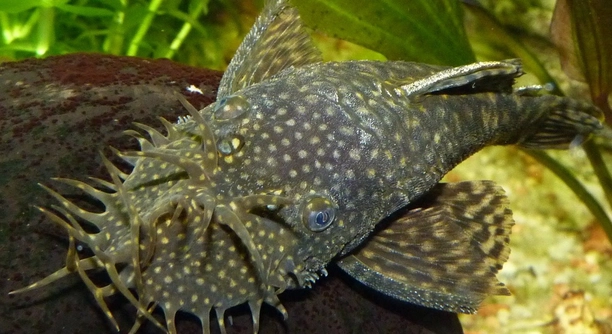
Do you ever notice your bristlenose plecos moving around the tank and wonder what they are thinking? These small, armored fish have unique behaviors that often catch the attention of hobbyists. Observing them can be surprisingly engaging.
Bristlenose plecos do communicate visually through body postures, fin movements, and subtle color changes. These visual signals help establish territory, convey aggression or submission, and facilitate mating interactions within their aquatic environment.
Understanding these visual behaviors can improve how you care for them. Observing closely reveals patterns that are often overlooked but highly informative.
How Bristlenose Plecos Use Body Language
Bristlenose plecos often use body language to show how they feel. When a pleco flares its fins or changes its posture, it is usually sending a message to other fish. For instance, a fish that spreads its fins wide is often showing dominance or claiming a space. Smaller plecos may flatten themselves or hide to show submission. These behaviors are subtle but important to notice. Watching them closely in a planted tank or near decorations can reveal patterns. Plecos also use movement to communicate. Slow, deliberate swimming might indicate contentment or neutrality, while sudden darting movements can signal stress or alertness. Observing these movements helps you understand their social structure. Over time, you can tell which fish are more territorial and which are more relaxed. This understanding helps maintain a peaceful tank and prevents unnecessary conflicts. Plecos are not loud, so their body language is their primary way of interacting.
Learning these signals helps maintain harmony. Observing plecos reduces stress in your tank.
Visual cues also play a role during feeding. When a pleco approaches food, its movements can show dominance or hesitation, and other fish respond accordingly. Recognizing these cues allows better management of feeding times, ensuring all plecos get access without aggressive encounters. Tank layout and hiding spots influence how they display these behaviors. Open spaces may encourage displays of dominance, while dense decorations can provide retreats and reduce stress. Plecos may also display colors more vividly when interacting or signaling. Keeping track of these changes gives insight into their moods and health. Over time, observing body language becomes intuitive.
Color Changes and Signaling
Color changes in plecos are subtle but meaningful. A darker shade often indicates stress or aggression, while brighter tones can indicate comfort or readiness to breed.
Color shifts are affected by lighting, water quality, and tank companions. When plecos feel safe, they often display natural patterns vividly. Stressful situations, like overcrowding or aggressive neighbors, can cause their colors to fade. Seasonal changes or diet variations may also influence pigmentation. Breeding plecos sometimes show more intense colors to attract mates. These visual signals are essential for their interactions. Observing and noting these changes provides insight into their health and social dynamics, helping maintain a calm and healthy environment for all tank residents. Recognizing these signals early allows for adjustments in care or tank setup, ensuring plecos thrive without unnecessary tension. By paying attention to these details, you create a balanced and responsive environment tailored to their needs.
Territorial Displays
Bristlenose plecos show territory through fin flaring and body posturing. They often pick a cave, driftwood, or corner and defend it from intruders. Other fish recognize these signals and usually avoid conflict. Watching these interactions helps maintain balance in your tank.
Territorial behavior is strongest among males. A male pleco will circle its chosen area, flare fins, and sometimes bump intruders to assert dominance. These actions prevent overcrowding and reduce stress when observed carefully. Providing multiple hiding spots and visual barriers helps reduce aggression. Understanding which plecos are dominant allows you to adjust feeding and space allocation accordingly, creating a more peaceful environment.
Territorial behavior also affects mating. A male will defend an area near a preferred hiding spot where females may lay eggs. Subtle changes in posture or fin movement can indicate readiness to breed. Observing these displays helps you identify compatible pairs while avoiding unnecessary disputes. Over time, plecos learn the boundaries of their territory, reducing stress and creating predictable interactions.
Social Interactions
Plecos interact through gentle nudges, following, or synchronized swimming. These behaviors show recognition and comfort with other tank mates. Subtle movements are often overlooked but are important signals.
Social interactions help reduce stress and establish hierarchies. Plecos observe each other closely, reacting to movements, colors, and postures. Young plecos may mimic older fish, learning proper behavior and boundaries. Some plecos form temporary associations, staying near each other while feeding or resting. Recognizing these patterns allows you to provide appropriate space and resources. Social dynamics are influenced by tank size, décor, and population density. By watching these interactions, you can better manage aggression and ensure a harmonious tank. Understanding how plecos communicate socially also provides insight into their moods, health, and overall well-being.
Feeding Signals
Bristlenose plecos use body movements to show interest in food. Rapid swimming toward a feeding spot or nudging others often signals hunger. Recognizing these behaviors helps ensure all fish get their share without conflict.
They also display subtle gestures when asserting feeding order. A dominant pleco may block access or hover near food first, while smaller plecos wait or retreat. Watching these patterns can guide feeding times and portion distribution.
Breeding Behavior
During breeding, males intensify visual signals to attract females. They darken in color, flare fins, and guard preferred caves or hiding spots. Females respond with body language, entering and exiting the area to signal readiness. Observing these interactions helps identify mating pairs and ensures safe breeding conditions.
Stress Indicators
A pleco that frequently hides, loses color, or swims erratically is likely stressed. Identifying these signs early can prevent health issues and promote a calmer tank environment.
FAQ
How do I know if my bristlenose pleco is communicating visually?
You can tell by observing their fins, body posture, and color changes. Wide fins often indicate dominance or alertness. Flattened bodies or retreating into hiding show submission or stress. Subtle color changes, like darkening or brightening, also signal mood or readiness to breed.
Do plecos communicate with other species in the tank?
Yes, plecos can send visual signals to other fish, especially regarding territory or feeding. While they primarily communicate with their own kind, other species may respond to dominant postures or movements, avoiding confrontations and understanding boundaries without direct interaction.
Why does my pleco change color suddenly?
Color changes often reflect mood, stress, or environmental conditions. Sudden darkening may indicate stress from water quality, overcrowding, or aggressive neighbors. Brightening colors can signal comfort, health, or breeding readiness. Regular observation helps you spot changes and address potential issues.
Do plecos use movement to communicate?
Absolutely. Swimming patterns can indicate mood or intent. Slow, steady movement usually shows calmness, while rapid or erratic swimming signals alertness or agitation. Repeated circling of a space often indicates territorial behavior, while following another fish can indicate social interest.
Can plecos recognize individual tank mates visually?
Yes, plecos can distinguish familiar fish from newcomers using visual cues like body shape, movement, and coloration. Recognizing individuals helps establish social hierarchies and reduces conflict once the plecos settle into their tank environment.
Do male and female plecos communicate differently?
Males tend to display more pronounced visual signals, especially during breeding. They flare fins, darken in color, and guard territories. Females respond with subtler cues, such as body positioning and approach behavior, signaling readiness to mate or avoiding aggression.
How can I encourage healthy visual communication in my tank?
Provide plenty of hiding spots, caves, and driftwood to create territories. Maintain stable water conditions, proper lighting, and adequate space to reduce stress. Feeding evenly and observing behaviors daily helps ensure all plecos can express natural visual signals without conflict.
Are visual signals more important than other forms of communication?
For bristlenose plecos, visual cues are the primary method of communication. They use body language, color changes, and movement to express mood, establish territories, and indicate reproductive readiness. While they may also use touch or chemical signals, visual communication dominates in their interactions.
How often should I observe plecos to understand their communication?
Daily observation is ideal. Short, consistent sessions let you track subtle changes in posture, movement, and color. Over time, you will notice patterns in feeding, territorial disputes, and breeding behavior, allowing you to respond appropriately to their needs.
Can stress affect a pleco’s ability to communicate visually?
Yes. Stressed plecos may hide excessively, lose color, or stop signaling. This can lead to missed social cues and increased aggression or conflict. Maintaining proper tank conditions and minimizing disturbances helps ensure plecos communicate naturally and remain healthy.
Do juvenile plecos communicate differently than adults?
Juveniles show less pronounced visual signals but still use body posture and movement to indicate submission or curiosity. They often mimic adults to learn proper territorial and social behavior. As they mature, their displays become stronger and more consistent.
How do I know if my plecos are breeding successfully?
Males guard caves, darken in color, and flare fins more frequently. Females enter and leave breeding sites, laying eggs when ready. Close observation of these behaviors, along with monitoring egg development and hatching, confirms successful breeding activity.
Can plecos misinterpret visual signals from other fish?
Yes, especially with different species or during high stress. Aggressive movements from one fish may be misunderstood, leading to unnecessary conflict. Providing visual barriers and ample space helps reduce these misunderstandings and maintains a peaceful tank environment.
Do plecos communicate more at certain times of day?
They are generally more active during dawn and dusk, displaying territorial and feeding behaviors. Increased activity at these times enhances visual communication, allowing plecos to interact while minimizing stress from constant light or disturbance.
How important is tank setup for visual communication?
A well-structured tank is critical. Adequate hiding spots, caves, and visual barriers allow plecos to express dominance or submission safely. Poorly arranged tanks can increase stress, miscommunication, and aggression, disrupting natural behavior patterns.
Can visual signals indicate illness?
Yes. Lethargy, faded color, or unusual postures can indicate health problems. Observing these signals alongside other signs, like appetite loss or abnormal swimming, helps detect illness early, allowing for timely care and treatment.
Do plecos ever communicate visually with humans?
While they do not interact the same way as other pets, plecos may respond to your presence by swimming closer, flaring fins, or observing quietly. These behaviors show awareness and can help you gauge comfort levels in the tank.
What should I do if plecos display aggression constantly?
Assess tank size, hiding spots, and population density. Ensure adequate space and visual barriers. Observe which plecos are dominant and consider separating overly aggressive individuals. Reducing stress and giving each fish a clear territory often restores balance.
How long does it take to learn pleco visual cues?
Consistent observation over several weeks allows you to recognize patterns in posture, color changes, and movement. The more time spent watching, the more intuitive it becomes to understand their communication, improving tank management and fish welfare.
Are there differences in visual communication between bristlenose pleco varieties?
Yes, some varieties show subtle differences in color intensity, fin size, or territorial behavior. Observing these distinctions helps tailor tank setup and care to each type, ensuring natural communication is maintained and stress is minimized.
Can visual communication prevent conflicts in a tank?
Properly expressed visual signals allow plecos to establish boundaries without physical fights. Observing and supporting these behaviors with enough space, hiding spots, and resources reduces aggression and fosters a more peaceful tank environment.
Do plecos use visual communication during feeding and mating at the same time?
Yes. During feeding, dominant plecos assert priority, while during breeding, males display more intensely to attract females. These signals are situation-specific, showing their ability to adapt communication based on context and environment.
Is there a way to encourage shy plecos to communicate more?
Providing multiple hiding spots, gentle introduction to tank mates, and low-stress conditions encourages shy plecos to come out. Over time, they will display normal body language, flaring, and movement, integrating with other fish while feeling secure.
How does lighting affect visual communication?
Lighting impacts color visibility and activity levels. Moderate lighting enhances color displays and allows clear observation of postures. Too bright or too dim light can stress fish or obscure signals, reducing effective communication in the tank.
Can visual signals be misleading?
Sometimes. Stress, illness, or environmental factors can alter behavior and color, making signals appear aggressive or submissive incorrectly. Observing consistently and considering context ensures accurate interpretation of pleco communication.
How do I differentiate between playful and aggressive signals?
Playful or exploratory movements are usually slow, smooth, and repeated, while aggressive signals include fin flaring, chasing, or blocking. Context, frequency, and response of other fish help determine intent, ensuring proper management of interactions.
Do plecos communicate visually when alone?
Alone, plecos may still display occasional postures or color changes, often in response to reflections or environmental cues. These behaviors maintain natural instincts, even without direct interaction with other fish.
Can tank mates mimic pleco visual signals?
Some species may respond to or mimic pleco movements to avoid conflict or interact socially. Understanding these interactions helps manage a diverse community tank, ensuring all fish recognize and respect visual cues.
Is it necessary to document visual communication patterns?
Not strictly, but noting behaviors, color changes, and interactions helps track social hierarchies, health, and breeding patterns. Documentation can guide adjustments in tank setup, feeding, and care routines for optimal pleco well-being.
Do plecos ever miscommunicate with each other?
Yes, especially in crowded or stressful conditions. Misread signals can cause unnecessary fights or stress. Providing adequate space, hiding spots, and monitoring social dynamics minimizes misunderstandings and promotes peaceful interactions.
How can I tell if my pleco is stressed versus naturally quiet?
Signs of stress include hiding constantly, faded color, erratic swimming, or refusal to eat. Naturally quiet plecos remain alert, display normal colors, and interact occasionally. Observing over time helps differentiate between stress and personality.
Can visual communication change with age?
Yes. Juveniles use simpler cues and mimic adults, while mature plecos show more confident displays, intense color, and stronger territorial signals. Age influences social hierarchy, mating behavior, and interactions with tank mates.
What should I do if I notice a pleco ignoring others’ signals?
Check for illness, stress, or overcrowding. A pleco ignoring cues may be dominant, unwell, or stressed. Adjusting tank conditions, providing more hiding spots, or separating individuals can restore normal interactions and reduce conflicts.
Do environmental changes affect communication?
Yes. Changes in water temperature, lighting, tank décor, or population can alter body language and color displays. Stability and gradual adjustments support consistent visual communication and reduce stress in plecos.
How important is observation in understanding pleco behavior?
Observation is critical. Visual communication is subtle, and only careful watching reveals patterns in territory, feeding, social interactions, and breeding. Spending time monitoring plecos ensures their health, safety, and natural behavior expression.
Can visual communication improve over time?
Yes. Plecos become more confident in signaling as they establish territories, social hierarchies, and familiarity with tank mates. Consistent care, proper tank setup, and low-stress conditions enhance effective communication, benefiting overall well-being.
Do plecos have favorite spots for signaling?
Typically, caves, driftwood, or secluded corners are preferred. These areas allow safe displays of dominance, breeding readiness, or comfort. Recognizing these spots helps manage space, reduce conflict, and support natural behavior.
Can color intensity predict breeding readiness?
Yes. Males often darken and females show subtle changes when ready to breed. Observing these color cues helps identify suitable conditions for mating and prevents unnecessary stress from disturbances.
Do plecos use signals differently in community tanks?
They adjust displays based on neighbors. In mixed tanks, signals may be subtler to avoid conflict, while in single-species tanks, displays are more pronounced. Understanding context ensures proper care and reduces stress for all fish.
Is visual communication more noticeable in larger tanks?
Yes. Larger tanks provide space for displays, territorial separation, and reduced conflict. Ample room allows plecos to show natural behaviors fully, improving their health and social interactions.
Can visual communication indicate hierarchy?
Absolutely. Dominant plecos display flaring, color changes, and territorial postures, while submissive fish retreat or hide. Recognizing these patterns ensures peaceful tank management and helps identify potential breeding pairs.
How do I support plecos in expressing natural signals?
Provide proper tank size, décor, hiding spots, and stable water conditions. Observe daily, minimize stress, and feed evenly. Supporting natural behaviors improves health, reduces conflict, and allows plecos to communicate effectively.
Are visual cues consistent across all plecos?
While general patterns exist, individual personalities and environmental factors create variations. Observing each pleco individually helps accurately interpret their signals and respond to their needs.
How long does it take to recognize patterns?
With regular observation, patterns can be recognized within a few weeks. Attention to color, posture, movement, and interactions allows you to understand hierarchy, health, and breeding readiness over time.
Do plecos communicate differently at night?
They are less active but may still signal through subtle movements, resting postures, or fin adjustments. Nighttime behavior is generally calmer, with reduced territorial displays.
Can plecos communicate visually while hiding?
Yes. Even partially hidden, fin movements, body posture, and occasional color flashes can convey submission, alertness, or presence to other fish. Hiding doesn’t stop communication entirely.
Is it normal for plecos to ignore signals sometimes?
Yes. Fatigue, stress, or distraction may lead a pleco to temporarily ignore others. Occasional lapses are normal and usually resolve once conditions are stable.
Do plecos communicate visually differently when feeding versus resting?
Feeding prompts active displays like chasing, hovering, and nudging. Resting shows minimal movement, subtle color changes, and postures indicating comfort or alertness. Context determines the intensity and frequency of signals.
Can plecos communicate visually in small tanks?
Yes, but limited space can increase stress and misinterpretation. Providing visual barriers, hiding spots, and proper population density helps maintain natural communication even in smaller environments.
Do plecos respond to human presence visually?
They may observe, follow movements, or flare fins when you approach. While not social in the traditional sense, these reactions indicate awareness and can help gauge comfort levels.
Are visual signals hereditary?
Some behaviors and tendencies, like fin displays and color intensity, may have genetic components. Observing multiple generations shows consistent patterns, though environmental factors remain influential.
Can visual communication prevent breeding problems?
Recognizing courtship signals, territorial displays, and stress cues allows you to provide optimal conditions, increasing breeding success and reducing conflicts. Observing visual signals is crucial for monitoring reproductive behavior effectively.
Do plecos signal differently with reflections?
Reflections can trigger responses, such as flaring or aggression, as the fish may mistake it for a rival. Minimizing reflective surfaces helps prevent unnecessary stress or miscommunication.
How do I track visual communication effectively?
Keep notes on posture, color, interactions, and feeding behavior. Video recording or daily observation helps detect changes, track health, and manage social dynamics. Over time, patterns become clear and predictable.
Can visual signals indicate age or maturity?
Yes. Juveniles display simpler cues, while adults show intense color, pronounced fin flaring, and confident territorial behavior. Age and maturity influence communication style and frequency.
Do plecos communicate visually in planted tanks differently than bare tanks?
Planted tanks offer more hiding spots and visual barriers, reducing stress and allowing safer displays. Bare tanks may lead to more direct confrontations, making visual communication more frequent but riskier.
Can environmental enrichment improve communication?
Yes. Driftwood, caves, and varied décor provide spaces for safe displays, reduce stress, and encourage natural behavior. Enrichment supports effective visual communication and overall well-being.
Do plecos use visual cues to avoid danger?
Yes. Rapid movements, color changes, or hiding signal alertness to threats. Other fish recognize these cues and respond, improving overall tank safety.
Is visual communication affected by water quality?
Poor water conditions can stress plecos, dull colors, and reduce normal displays. Stable, clean water allows them to communicate effectively and maintain natural behaviors.
Do plecos communicate visually during feeding frenzy?
During high activity, dominant fish assert priority, while others display submission or retreat. Visual cues regulate interactions and prevent excessive conflict even in competitive feeding scenarios.
Can plecos be trained to recognize visual cues?
While not trainable in a traditional sense, consistent patterns in feeding, handling, or tank adjustments can help plecos anticipate outcomes, responding predictably to familiar visual stimuli.
Do all plecos in a tank communicate equally?
No. Dominant individuals communicate more visibly, while shy or submissive plecos signal less. Understanding these differences helps manage social balance and reduces stress.
Can visual communication indicate happiness?
Bright coloration, relaxed postures, slow swimming, and exploration suggest contentment. Observing these signals alongside activity and feeding patterns indicates overall well-being.
Do plecos change communication style with new tank mates?
Yes. They may display more cautiously or assertively depending on the behavior of newcomers. Gradual introductions and adequate space support smoother social adaptation.
Are there tools to help observe visual communication?
Cameras, mirrors, and careful note-taking allow better observation without disturbing the tank. Regular monitoring ensures you capture subtle signals and track patterns accurately.
Can visual communication reduce the need for physical aggression?
Yes. Clear signaling allows plecos to establish boundaries, hierarchy, and territory without constant fighting, promoting a more stable and peaceful tank environment.
Does diet influence visual signaling?
A healthy diet maintains bright coloration and energy for displays. Nutritional deficiencies may dull colors or reduce movement, affecting communication effectiveness.
Do plecos signal differently when sick?
Yes. Ill fish may hide, lose color, or display sluggish or abnormal postures. Recognizing these deviations helps detect health issues early.
Is visual communication stronger in single-species tanks?
Yes. With fewer distractions, plecos display more pronounced behaviors. Mixed-species tanks may reduce signal intensity to avoid conflict, making observation slightly more challenging.
Do plecos communicate visually while resting in caves?
Even while resting, subtle fin movements or color shifts signal presence or alertness. These minimal cues maintain social awareness without full activity.
Can visual communication indicate hierarchy in breeding groups?
Dominant males display more intensely, while subordinate fish show submission. Recognizing these patterns helps identify potential breeders and ensures safe, structured mating environments.
Do plecos recognize humans by sight?
They can respond to movements, reflections, and shadows, showing awareness. While not affectionate, this recognition allows you to monitor reactions and comfort levels in the tank.
How do plecos adapt communication in crowded tanks?
They may reduce display intensity, rely on hiding, or use subtle signals to avoid conflict. Understanding these adaptations helps manage space and prevent stress.
Are visual signals reliable for monitoring health?
Yes. Consistent posture, color, and activity patterns indicate stability. Sudden changes often point to stress, illness, or environmental issues, providing an early warning system.
Can visual communication be used to teach feeding order?
Dominant-submissive interactions naturally establish feeding hierarchy. Observing these cues ensures equitable access to food and reduces aggression, allowing smoother meal times.
Do plecos communicate differently in aquascaped tanks?
Dense layouts offer more hiding spots, reducing direct confrontation. Visual signals may be subtler, as fish navigate complex spaces while maintaining boundaries and social structure.
Is visual communication affected by tank mates’ behavior?
Yes. Aggressive or passive neighbors influence pleco displays. Understanding these dynamics allows adjustments in tank setup to maintain peace and encourage natural signaling.
Do plecos signal more during certain seasons?
Breeding cycles or temperature changes can increase activity and displays. Seasonal variations influence color intensity, territorial behavior, and social interactions.
Can lighting color affect communication?
Certain lighting can enhance or mute color signals. Natural or neutral lighting typically provides the clearest visibility, supporting accurate observation of pleco behaviors.
Final Thoughts
Bristlenose plecos are fascinating fish, and understanding their visual communication can make caring for them much easier. They rely heavily on body posture, fin movements, and subtle color changes to interact with each other and their environment. These visual signals help them establish territories, show submission or dominance, indicate readiness to breed, and even communicate stress or comfort levels. Observing these behaviors over time gives insight into their moods, social structure, and overall health. When you pay attention, it becomes clear that each pleco has its own personality and way of interacting. Even small gestures, like a slight flare of fins or a brief change in color, carry meaning and can help you anticipate their needs. Recognizing these cues allows you to adjust feeding routines, provide adequate space, and prevent conflicts before they escalate.
Creating the right environment is key to supporting natural communication. Adequate hiding spots, caves, driftwood, and visual barriers give plecos spaces to display dominance or retreat when necessary. Stable water conditions, proper lighting, and appropriate tank mates reduce stress, allowing plecos to show their natural behaviors. Overcrowding or poorly arranged tanks can hinder communication, increasing aggression and hiding behavior. By carefully observing and adjusting the tank setup, you ensure that plecos have room to express themselves safely. Even the smallest details, like a few well-placed plants or the choice of substrate, can affect how freely plecos communicate. When they feel secure, their displays are more vivid, and their interactions are calmer and more predictable.
Understanding visual communication also helps in recognizing health issues. Changes in color, posture, or activity levels can indicate stress, illness, or environmental problems. Early detection allows timely intervention, whether adjusting water conditions, separating aggressive fish, or providing more hiding spots. Observing feeding patterns and social interactions gives additional clues about well-being. In addition, understanding their communication helps with breeding, as males and females show distinct visual cues when ready to mate. Overall, watching plecos closely and learning to read their signals improves their quality of life and enhances your enjoyment of the tank. Over time, this careful observation becomes intuitive, making it easier to maintain a peaceful, healthy, and engaging aquarium where plecos can thrive.
The more time you spend noticing how plecos interact visually, the more you appreciate their complexity. They are not silent or simple creatures; they communicate constantly through subtle signs that are easy to miss if you’re not paying attention. By giving them the right environment and understanding their signals, you encourage natural behaviors and reduce stress. This knowledge strengthens the connection between caretaker and fish and helps maintain a harmonious tank. Visual communication is a central part of pleco life, and taking the time to learn and respond to it benefits both the fish and the overall tank environment. With patience and observation, you can provide a space where plecos can express themselves fully and live healthily.

Hello,
If you enjoy the content that we create, please consider saying a "Thank You!" by leaving a tip.
Every little bit helps us continue crafting quality advice that supports the health, happiness, and well-being of pets around the world, for pets of all shapes, sizes, and species.
We really appreciate the kindness and support that you show us!