
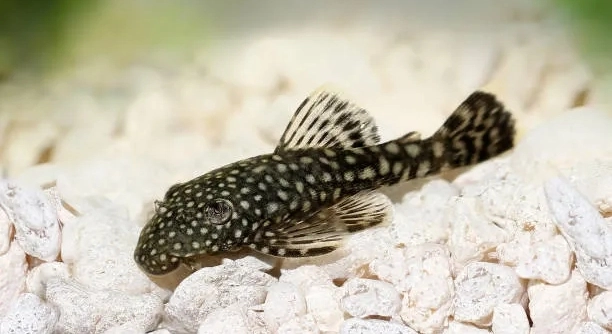
Do you ever notice your plecos gliding over rocks and decorations in your aquarium and wonder if they could get hurt? Many hobbyists enjoy adding tank decor but may overlook potential risks to their fish.
Plecos can sustain injuries from sharp or rough tank decorations. Objects with jagged edges, abrasive surfaces, or unstable positioning can cause cuts, scrapes, or stress, negatively impacting their overall health and making proper tank setup essential.
Knowing how to choose safer decorations will help protect your plecos and keep them comfortable in their environment.
Common Tank Decorations That May Harm Plecos
Many aquarium owners love adding driftwood, rocks, and artificial ornaments to create a natural feel. While these pieces look attractive, they can sometimes be risky for plecos. Sharp edges on rocks or poorly smoothed driftwood can scrape fins or bodies. Artificial decorations made from resin or cheap plastics might have rough spots or break easily, leaving small shards that can injure fish. Even decorations that seem safe at first may shift unexpectedly in the tank, especially if plecos push against them while moving or feeding. Plecos are nocturnal and often explore their environment at night, increasing the chances of accidents if hazards exist. Some decorations are coated with paint or chemicals that can irritate the skin or slime coat. Observing your plecos and noting any scratches or unusual behavior can help identify risky items before they cause serious harm. Regular inspection and careful placement are key to reducing injuries.
Decorations with rough textures or sharp edges are the main sources of harm, while smooth, rounded items are safer options for plecos.
Proper selection and placement of tank decor can prevent injuries and stress. Driftwood should be sanded smooth, and rocks should be stable. Avoid resin or painted ornaments with rough edges. Watching how plecos interact with each decoration can reveal potential hazards. Small shifts in placement can make a big difference, especially for heavier or taller pieces. Natural items like smooth stones, carefully selected branches, and dense plants provide safe surfaces for plecos to graze on. By removing or adjusting risky decorations, you create a safer environment, reduce the chance of scratches or fin damage, and maintain healthy fish. Observing plecos’ behavior during feeding or exploration helps you spot problems early. Overall, combining safe materials, thoughtful placement, and regular monitoring keeps plecos comfortable, healthy, and injury-free, allowing them to thrive while maintaining a visually appealing tank.
Preventing Injuries Through Proper Tank Setup
Keeping plecos safe starts with the right layout and careful planning. Avoid overcrowding and place heavier items low.
Monitoring your plecos’ behavior, inspecting decorations, and making small adjustments can prevent accidents. Smooth, rounded items and secure placement reduce scratches and stress, helping maintain healthy and active fish in your tank environment.
Selecting the right decorations is essential for preventing injuries. Start by examining each item before placing it in the tank, checking for rough edges, cracks, or points that could scrape fins or skin. Driftwood should be fully soaked and sanded if necessary to remove splinters. Rocks should be stable and heavy enough to stay in place, especially if plecos climb over them. Artificial ornaments should be non-toxic and free of sharp points. Space decorations to allow easy navigation, giving plecos enough room to swim and hide without bumping into hard surfaces. Plants and mosses provide soft surfaces for grazing and resting. Observing plecos during the day and night reveals how they interact with the setup, letting you spot potential risks. Regular maintenance, such as cleaning and adjusting decorations, also reduces hazards. Taking these precautions ensures plecos can explore freely, minimizing injuries while keeping the aquarium safe and enjoyable for both fish and caretaker.
Signs Your Pleco May Be Injured
Scratches, torn fins, or unusual swimming patterns often indicate injuries. Cloudy or red marks on the body and lethargy are also common signs of damage from tank decorations.
Plecos with injuries may hide more than usual or show reluctance to graze on surfaces. They might rub against decorations repeatedly, attempting to soothe discomfort. Fins may appear frayed, split, or faded, while body scratches can become infected if untreated. Changes in behavior, such as reduced activity during feeding times or staying in corners, can indicate stress caused by injury. Observing these subtle shifts helps identify problems early, preventing more serious complications. Regular monitoring and gentle handling when checking the tank can reduce stress and aid recovery.
Injured plecos may also exhibit changes in appetite, eating less or avoiding preferred surfaces. Tankmates may react differently to a hurt fish, either ignoring it or showing aggression. Consistent observation of behavior and physical appearance is crucial. Even minor scrapes can worsen if unnoticed, leading to infection or slowed healing. Quick action, such as removing sharp objects or adjusting tank layout, helps protect plecos. Maintaining water quality and a stress-free environment supports recovery.
How to Make Your Tank Safer
Reorganizing decorations and ensuring smooth surfaces reduces the risk of injury. Avoid unstable or sharp items that could cause harm.
Using soft plants, rounded rocks, and sand instead of rough gravel helps create a safer environment. Spacing decorations properly gives plecos room to move freely and reduces collisions. Observing how plecos interact with new items ensures they are safe. Removing problematic objects promptly prevents repeated injuries and promotes overall well-being.
Small changes in tank setup can make a big difference for pleco safety. Inspect every decoration for rough edges, cracks, or unstable placement before introducing it. Driftwood should be sanded and soaked thoroughly, while rocks need to be heavy and secure. Artificial ornaments should be free of sharp points and non-toxic. Allow enough swimming space, creating natural hiding spots without overcrowding. Plants like mosses and soft-leaved varieties provide gentle surfaces for grazing. Monitoring plecos’ interaction with the setup helps catch hazards early. Adjusting layout gradually ensures plecos adapt safely, minimizing stress. Regular maintenance, cleaning, and rearranging when necessary keeps the tank injury-free, allowing plecos to thrive while exploring freely.
Choosing Safe Materials
Wood, smooth rocks, and soft plants are generally safe for plecos. Avoid sharp plastics, painted decorations, or anything with jagged edges that could cause cuts or scratches.
Natural materials like driftwood or rounded stones allow plecos to graze and hide safely. Carefully inspecting every item before adding it reduces the risk of injury and keeps the tank comfortable for your fish.
Inspecting Decorations Regularly
Regular inspection prevents hidden hazards. Check for cracks, sharp edges, or broken pieces after cleaning or rearranging. Keeping an eye on decorations helps catch potential problems before plecos get hurt.
Treating Minor Injuries
Small scratches or torn fins can heal with proper care. Isolate the pleco if necessary and maintain clean water to prevent infection.
Monitoring Behavior
Behavioral changes often indicate injury. Reduced activity, hiding more than usual, or rubbing against surfaces signals that plecos may need attention. Observing these signs ensures prompt care and recovery.
FAQ
Can plecos get hurt on driftwood?
Yes, plecos can get small scratches or abrasions from rough or splintered driftwood. To prevent injuries, soak driftwood thoroughly and sand any sharp edges before adding it to the tank. Choosing pieces with smooth surfaces reduces the risk of cuts and helps plecos graze safely.
Are rocks safe for plecos?
Rocks can be safe if they are smooth and heavy enough to remain stable. Avoid jagged rocks or thin stones that could tip over. Rounded stones and natural river rocks are ideal. Placing rocks carefully ensures plecos can climb and hide without risking scrapes or stress.
Do artificial decorations harm plecos?
Artificial ornaments can harm plecos if they have rough edges, sharp points, or toxic coatings. Always inspect plastics, resin, or painted decorations before adding them. Smooth, non-toxic decorations are safer. Avoid cheap items that might break or chip, as they can injure fish.
How do I know if my pleco is injured?
Look for frayed fins, scratches, or red marks on the body. Behavioral changes like hiding more than usual, rubbing against surfaces, or reduced feeding also indicate injury. Observing plecos during both day and night helps detect problems early.
Can tank substrate cause injuries?
Yes, rough gravel or sharp sand can scrape plecos’ undersides, especially if they like to rest on or dig in the substrate. Fine sand or smooth, rounded gravel is safer. Avoid large, jagged gravel pieces that can damage fins or bodies.
How can I prevent injuries from decorations?
Inspect every decoration before placing it in the tank. Smooth rough edges, soak wood, and stabilize rocks. Leave enough swimming space and arrange items so plecos can navigate without bumping into hard surfaces. Regular monitoring helps catch hazards early.
What should I do if my pleco gets hurt?
Minor scratches often heal on their own in clean water. Keep water quality high to prevent infection. For more serious injuries, consider isolating the pleco in a quarantine tank and using appropriate treatments. Remove or adjust decorations that may have caused the injury.
Do plecos hurt themselves at night?
Plecos are nocturnal and may explore or graze in low light. This increases the risk of minor scrapes against sharp objects or unstable decorations. Ensuring smooth, stable surfaces and safe layout helps protect them even when active at night.
Are live plants safer than artificial ones?
Generally, yes. Soft-leaved live plants provide gentle surfaces for grazing and resting. They also reduce the risk of cuts or scrapes compared to rough or brittle artificial plants. Dense plants can double as hiding spots and soft barriers between plecos and hard decorations.
How often should I check tank decorations?
Regular checks are important. Inspect decorations weekly or after rearranging or cleaning. Look for cracks, rough edges, or shifts that could pose risks. Early detection of hazards prevents injuries and keeps plecos healthy.
Can tankmates cause injuries related to decorations?
Yes. Aggressive or territorial fish may push plecos into decorations, causing scratches or stress. Observing interactions and providing enough hiding spots reduces accidental injuries. Rearranging decorations to avoid tight corners also helps maintain peace.
Is water quality important for healing?
Absolutely. Clean water prevents infections in injured plecos. Regular water changes, proper filtration, and monitoring of ammonia, nitrite, and nitrate levels support recovery. Even minor injuries can worsen in poor water conditions.
Do plecos recover quickly from minor scratches?
Minor scratches usually heal within a few days if water quality is maintained and the tank is safe. Avoid stressing the fish further by keeping tankmates and decorations stable. Observing the healing process ensures no infections develop.
Should I remove decorations if a pleco is injured?
Yes, temporarily removing or adjusting risky decorations helps prevent repeated injuries. After the pleco recovers, decorations can be reintroduced gradually, ensuring smooth surfaces and safe placement to reduce future risks.
Can plecos injure themselves on aquarium equipment?
Yes. Filters, heaters, and other equipment with exposed edges can cause cuts if placed too close to swimming areas. Use guards or secure positioning to minimize risk. Smooth and unobstructed areas allow plecos to move safely around the tank.
How can I make decorations pleco-friendly?
Choose natural, smooth materials, sand rough edges, soak wood, stabilize rocks, and leave enough swimming space. Observing plecos’ behavior with each new decoration ensures safety. Gradual changes and careful layout adjustments reduce the chance of injury and stress.
What signs indicate a serious injury?
Deep cuts, bleeding, torn fins, or infection are serious. Lethargy, refusal to eat, or swelling also signal urgent attention is needed. Immediate care, clean water, and possibly quarantine help prevent complications.
Can plecos reinjure themselves?
Yes. If decorations remain sharp, unstable, or poorly placed, plecos may scrape themselves repeatedly. Adjusting the layout, smoothing surfaces, and monitoring behavior prevents recurring injuries and promotes faster healing.
Do baby plecos get injured more easily?
Juvenile plecos are smaller and more fragile. Sharp edges, unstable decorations, or rough substrate pose higher risks. Extra care in selecting soft, smooth surfaces and ensuring safe hiding spots is important for their protection.
How do I maintain a safe environment long-term?
Regular inspection, safe decoration choices, proper placement, and monitoring plecos’ behavior ensure long-term safety. Keeping water clean, stabilizing decorations, and providing soft surfaces allow plecos to thrive while minimizing injury risks.
This FAQ section offers practical steps to keep plecos safe, from decoration choice to behavior monitoring, ensuring their health and comfort in the aquarium.
Final Thoughts
Keeping plecos safe in your aquarium starts with careful attention to tank decorations and layout. While it is tempting to fill the tank with colorful ornaments, driftwood, and rocks, these items can pose risks if not chosen carefully. Sharp edges, rough surfaces, and unstable pieces can scratch fins, tear skin, or even stress your fish. Observing how your plecos move around the tank and interact with each item is essential. By selecting smooth rocks, well-soaked driftwood, and soft plants, you create a more comfortable environment that reduces the chance of injury. Small adjustments, such as moving heavy decorations lower in the tank or spacing items to allow for easy swimming, can make a noticeable difference in pleco safety. Paying attention to details like this may seem minor, but it plays a major role in maintaining healthy and happy fish.
Monitoring your plecos regularly helps detect injuries before they become serious. Look for signs like frayed fins, scratches, or unusual behavior such as hiding more than usual or rubbing against surfaces. These subtle changes often indicate stress or minor injuries caused by decorations. Prompt action, like adjusting or removing risky items, cleaning the tank, and ensuring water quality, supports faster recovery and prevents complications such as infections. Even small scratches can become a problem if left unchecked, so observing your plecos daily is a good habit. Consistent monitoring not only protects your fish physically but also provides insight into how they interact with their environment, helping you make smarter decisions about tank setup. Over time, this practice becomes routine and ensures that plecos remain comfortable, healthy, and active in their aquatic space.
Creating a safe tank environment also involves long-term planning and maintenance. Decorations should be chosen with both aesthetics and safety in mind, favoring natural, smooth materials over sharp or brittle items. Regular inspections are important to catch cracks, splinters, or shifted items that could harm plecos. Maintaining clean water and proper filtration reduces stress and supports the healing of minor injuries. Providing adequate swimming space, soft surfaces, and hiding spots encourages natural behaviors while minimizing risk. By combining thoughtful decoration choices, careful placement, and ongoing observation, you can maintain a safe and stable environment for plecos. These small, consistent steps lead to long-term benefits, keeping plecos healthy, reducing stress, and allowing them to explore and graze safely in their tank. Ultimately, attention to detail in decoration, layout, and monitoring creates a harmonious and secure habitat that supports the overall well-being of your plecos.

Hello,
If you enjoy the content that we create, please consider saying a "Thank You!" by leaving a tip.
Every little bit helps us continue crafting quality advice that supports the health, happiness, and well-being of pets around the world, for pets of all shapes, sizes, and species.
We really appreciate the kindness and support that you show us!