
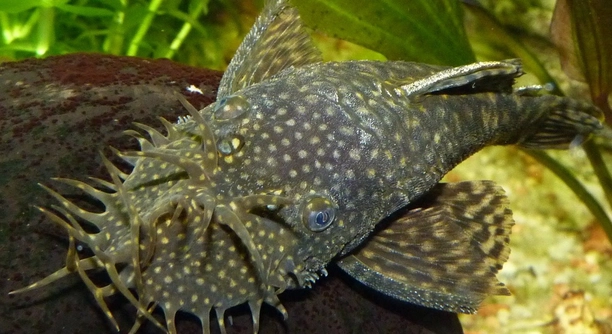
Do your plecos seem to have lost their bristles, leaving them looking uneven or worn? This common issue can worry aquarium owners who want their fish to stay healthy and maintain their natural appearance.
Plecos can regrow lost bristles through proper care, a balanced diet, and maintaining optimal water conditions. Providing stress-free environments, adequate nutrition, and gentle handling supports natural regrowth and overall health of these freshwater fish.
Following these tips will help restore your plecos’ bristles while supporting their general well-being and ensuring they remain active and vibrant in your aquarium.
Keep Water Clean and Stable
Maintaining clean and stable water is essential for plecos to regrow lost bristles. Dirty or fluctuating water conditions can stress fish and slow healing. Regular water changes help remove harmful substances like ammonia and nitrates, creating an environment that supports recovery. Using a reliable water test kit ensures parameters remain consistent. Plecos thrive in slightly acidic to neutral water with moderate hardness, so checking pH and hardness levels regularly is beneficial. Avoid sudden changes, as they can shock your fish and inhibit natural regeneration. Filters should be cleaned carefully to maintain efficiency without removing beneficial bacteria. Additionally, removing uneaten food and debris from the tank helps prevent contamination. Observing your plecos during changes can alert you to any stress signs. Water temperature should remain steady within the species’ preferred range to encourage proper metabolic function. Overall, consistent and careful water management directly influences bristle regrowth.
Regular water checks prevent stress, allowing plecos to focus energy on healing and regrowth rather than coping with poor conditions.
Keeping a clean and stable tank benefits not only bristle recovery but overall fish health. Consistent water parameters reduce disease risk and create a supportive environment. By observing behavior and responding to subtle changes, you can adjust cleaning routines and filtration as needed. Stable water ensures plecos expend energy on feeding and repairing tissue, rather than battling fluctuating conditions. Regular testing and maintenance become routine, allowing for early detection of problems. Maintaining a balance between effective filtration and preserving beneficial bacteria strengthens the aquarium ecosystem. This stability also reduces aggression and competition among tank mates, which can indirectly affect bristle regrowth. Over time, a well-maintained environment supports consistent health improvements, making bristles gradually return to their natural state. Supporting this with proper diet and minimal stress creates the ideal scenario for plecos to recover efficiently.
Provide a Balanced Diet
A balanced diet is key for plecos to regrow bristles. Include high-quality algae wafers, fresh vegetables, and occasional protein sources to meet nutritional needs.
Providing a variety of foods rich in vitamins and minerals ensures your plecos have the resources to regenerate lost tissue. Vegetables such as zucchini, cucumber, and spinach are excellent for daily feeding. Protein sources like shrimp or fish can be offered sparingly to boost growth and recovery. Supplements may be used if dietary deficiencies are suspected, but it is important to avoid overfeeding. Monitoring how much your plecos eat prevents water pollution while ensuring adequate nutrition. Rotating foods helps prevent dietary monotony, encouraging consistent feeding and nutrient absorption. Consistent feeding schedules also reduce stress, which indirectly supports bristle regrowth. Always wash vegetables thoroughly to remove pesticides or chemicals. Over time, proper nutrition will contribute to stronger bristles, healthier skin, and overall vitality in your plecos.
A well-balanced diet not only aids regrowth but strengthens immune response, making fish more resilient to environmental stressors and potential infections.
Reduce Stress in the Tank
Stress slows bristle regrowth and affects overall pleco health. Avoid overcrowding, aggressive tank mates, and sudden changes in light or temperature to keep fish calm.
Plecos respond negatively to stress, which can stunt tissue repair and make them more vulnerable to disease. Providing ample hiding spots such as driftwood, caves, or plants gives them security. Limiting loud noises near the tank and maintaining a consistent light cycle also reduces stress. Monitor behavior to identify signs of agitation, such as hiding excessively or reduced feeding. Adjusting the tank environment when needed ensures plecos stay comfortable and focused on recovery. Stress reduction directly contributes to faster bristle regrowth and improved health.
A calm environment promotes natural behaviors, encouraging feeding and activity while preventing aggression. Regular observation allows early intervention if stress increases, keeping plecos healthy. Proper tank setup and routine care are essential for long-term stability.
Regular Tank Maintenance
Consistent tank maintenance supports bristle regrowth and prevents complications from poor water quality.
Cleaning the tank regularly, including substrate vacuuming, partial water changes, and filter upkeep, helps maintain stable conditions. Remove uneaten food and decaying plant matter to prevent toxins. Monitoring water parameters ensures pH, hardness, and temperature remain optimal. Avoid over-cleaning beneficial bacteria while maintaining effective filtration. Maintenance routines create a healthier environment, reducing stress and allowing plecos to focus on regrowth. Regular checks for damaged equipment or algae buildup also prevent minor issues from becoming major problems.
Neglecting maintenance can lead to slow bristle recovery or illness. A structured schedule keeps the tank stable, minimizes risks, and supports long-term fish health. Observing the tank during maintenance provides insight into pleco behavior, feeding patterns, and general well-being. Consistency and attention to detail are key for sustaining a thriving aquarium environment. Over time, these practices strengthen fish resilience, allowing natural regeneration to occur efficiently while keeping the entire tank ecosystem balanced and healthy.
Avoid Overhandling
Excessive handling can damage pleco bristles and cause stress. Limit physical contact to necessary maintenance or health checks only.
Use gentle tools when moving decorations or cleaning the tank. Handling should always be calm and slow to prevent injury or shock to the fish.
Provide Hiding Spots
Plecos feel safer with plenty of hiding spots. Driftwood, caves, and dense plants create security, reducing stress. Proper shelter allows them to rest and recover naturally.
Monitor for Illness
Keep a close eye on plecos for signs of disease or infection. Early detection prevents further bristle damage and ensures prompt treatment.
Maintain Proper Lighting
Consistent, moderate lighting supports pleco health without causing stress. Avoid intense or fluctuating light, which can disrupt natural behaviors and recovery.
FAQ
How long does it take for plecos to regrow lost bristles?
The regrowth process depends on water quality, diet, and stress levels. Healthy plecos in optimal conditions may start showing new bristle growth in a few weeks, but full restoration can take several months. Consistency in care directly influences the speed of recovery.
Can plecos fully regrow bristles if they are completely gone?
Yes, plecos can fully regrow bristles if the underlying tissue is healthy. Damage to skin or severe infections may slow or prevent complete regrowth. Maintaining clean water, proper nutrition, and minimal stress is essential for natural regeneration.
Does diet really affect bristle regrowth?
Diet plays a crucial role. Vitamins, minerals, and protein help rebuild tissue and strengthen bristles. Vegetables like zucchini and spinach, along with algae wafers and occasional protein sources, provide the nutrients necessary for healthy growth. Supplements can be used if needed.
Is tank size important for bristle recovery?
Yes, tank size influences stress levels. Crowded conditions can lead to aggression or reduced feeding, both of which slow regrowth. Providing sufficient space and hiding spots allows plecos to feel secure and encourages natural behaviors that support recovery.
Can overhandling prevent bristles from growing back?
Excessive handling can damage delicate tissue and increase stress, which directly affects bristle regrowth. Limit contact to necessary tasks and use gentle tools to move or check plecos. Reducing stress allows energy to focus on recovery rather than coping with disturbances.
Should I treat plecos with medication to speed up bristle growth?
Medication is generally unnecessary unless there is an infection or disease. Overusing medications can harm beneficial bacteria and stress fish. Focus on clean water, proper diet, and calm conditions, reserving treatment only for confirmed health issues.
Do water changes affect bristle regrowth?
Regular water changes are critical. They maintain stable conditions, remove toxins, and reduce stress. Sudden large changes should be avoided, but consistent partial changes create an environment conducive to natural tissue repair and bristle regeneration.
Are plecos more likely to lose bristles during breeding?
Yes, breeding can temporarily stress plecos, leading to minor bristle loss. Providing extra hiding spots, monitoring diet, and maintaining stable water conditions can minimize damage and support regrowth after spawning.
Can tank mates cause bristle damage?
Aggressive or overly active tank mates can harm plecos, especially on delicate bristles. Observing interactions and providing sufficient hiding spots reduces risk and ensures plecos have space to recover safely.
How do I know if bristle loss is serious?
Mild bristle wear is normal, but severe or sudden loss may indicate poor water quality, disease, or stress. Monitor feeding, behavior, and overall appearance to identify when intervention is needed. Consistent care is key to preventing long-term issues.
Does lighting affect bristle regrowth?
Moderate, consistent lighting helps maintain normal behaviors and reduces stress. Intense or irregular light can disturb feeding patterns and rest periods, slowing recovery. Using a timer ensures a stable light cycle, supporting overall fish health.
Can plecos recover bristles in a community tank?
Yes, if stress is managed and hiding spots are available. Observing interactions and ensuring proper nutrition for all fish is essential. Community setups can support recovery if conditions are stable and aggression is minimized.
Is it normal for bristles to look uneven during regrowth?
Yes, uneven bristle growth is common during regeneration. New bristles may appear thinner or shorter initially. With proper care, they gradually thicken and return to a uniform appearance over time.
Should I separate plecos with severe bristle loss?
Separation is only necessary if aggression or stress is present. Providing hiding spots and reducing tank disturbances often allows recovery without isolation. Overcrowding or competition may require temporary separation to protect delicate tissue.
Can supplements help bristle growth?
Supplements containing vitamins, minerals, and protein can support tissue repair if dietary intake is insufficient. They should not replace a balanced diet but can be useful in supporting overall recovery. Over-supplementing should be avoided to prevent water quality issues.
What is the role of driftwood in bristle recovery?
Driftwood offers both hiding spaces and surfaces for natural scraping behavior, which can reduce stress. It also provides mild tannins that support skin and tissue health. Including driftwood in the tank creates a more natural and supportive environment for bristle regrowth.
Are there signs of permanent bristle damage?
Permanent damage may occur if underlying skin is infected or severely injured. Signs include discolored tissue, lesions, or persistent bald areas despite proper care. Prompt attention to health issues improves the chances of recovery, but severe damage may remain visible.
Can stress from frequent cleaning affect bristle regrowth?
Yes, overcleaning can disturb beneficial bacteria and stress plecos, slowing regeneration. Cleaning should be thorough but gentle, maintaining stability in water conditions while removing debris and waste. Consistency helps fish remain healthy and focused on tissue repair.
How often should I check on bristle regrowth?
Weekly observation is sufficient. Look for gradual improvement in bristle length, thickness, and uniformity. Avoid overhandling or stressing the fish during inspections. Monitoring progress allows adjustments in care without causing setbacks in recovery.
Is bristle regrowth faster in younger plecos?
Younger plecos generally regenerate bristles more quickly due to higher metabolic rates and tissue repair capacity. Older fish may take longer, but consistent care, nutrition, and low-stress conditions still allow gradual regrowth and recovery.
Can bristle loss indicate poor overall health?
Yes, bristle loss often reflects stress, inadequate diet, or water issues. Addressing these factors not only supports regrowth but also improves general health, immune response, and longevity. Regular maintenance and observation prevent recurring problems.
Do bristles affect feeding or behavior?
Bristles play a role in sensory functions and mating displays. Temporary loss rarely affects feeding but may influence interactions with other plecos. Proper care ensures bristles regenerate without impacting normal behaviors or diet.
Is it safe to introduce new plecos during bristle recovery?
Introducing new fish should be done cautiously. Stress from competition or aggression can slow regrowth. Quarantine and gradual introduction minimize risks, allowing the recovering plecos to remain comfortable and focused on regeneration.
Can bristle regrowth be accelerated naturally?
Natural acceleration relies on stable water conditions, a balanced diet, minimal stress, and hiding spots. No artificial methods are necessary. Patience and consistent care yield the best results, supporting healthy and gradual regeneration.
Should I adjust feeding frequency during regrowth?
Feeding small, regular portions supports steady nutrition without polluting water. Consistent meals help maintain energy for tissue repair while reducing stress from hunger or competition in the tank.
Do bristles have a protective role?
Yes, bristles help plecos sense their surroundings and participate in mating displays. Maintaining their health protects these functions and contributes to overall fish well-being. Supporting regrowth ensures plecos retain both form and function.
Can environmental enrichment affect bristle recovery?
Enrichment, like hiding spots and natural decorations, reduces stress and encourages normal activity. Active, confident plecos are better able to feed, repair tissue, and regenerate bristles efficiently in a supportive tank environment.
What is the average time for full bristle restoration?
Full restoration usually occurs within several months under optimal conditions. Factors like age, diet, stress, and overall health influence the timeline. Consistent care ensures the process is steady, minimizing setbacks and supporting long-term recovery.
Are there any signs that bristles are growing back correctly?
Healthy regrowth appears as small, uniform bristles emerging along previously damaged areas. Gradual thickening and color matching the rest of the body indicate proper recovery. Uneven growth or discoloration may signal stress or dietary deficiencies that need correction.
Can plecos injure their own bristles?
Yes, scraping against rough surfaces or competing with tank mates can cause minor damage. Providing smooth surfaces and adequate hiding spots reduces self-inflicted injuries, allowing natural regeneration to occur without interference.
How important is patience in bristle recovery?
Patience is key. Bristle regrowth is gradual, and consistent care yields better long-term results than attempting rapid interventions. Monitoring progress while maintaining optimal conditions ensures plecos recover fully and healthily.
Does water temperature influence regrowth speed?
Yes, stable temperatures within the species’ preferred range support metabolic function and tissue repair. Sudden fluctuations can stress plecos, slowing bristle regrowth. Maintaining consistent temperature encourages steady recovery.
Can bristle loss return if conditions worsen?
Yes, poor water quality, stress, or inadequate diet can cause recurring loss. Maintaining stable conditions, proper nutrition, and minimal stress prevents future damage and supports ongoing bristle health.
Are all pleco species able to regrow bristles equally?
Most common pleco species can regenerate bristles, though growth rate and thickness may vary. Care requirements differ slightly between species, but consistent water quality, diet, and stress management remain the primary factors for regrowth.
Is bristle care different for juvenile plecos?
Juveniles generally require smaller portions of food and gentler handling. Hiding spots are still essential. Proper care ensures their bristles develop correctly and supports healthy growth throughout their early life stages.
Can bristle regrowth indicate overall tank health?
Yes, consistent regrowth reflects stable water parameters, balanced diet, and low stress. Monitoring bristles provides insight into both fish health and the effectiveness of tank maintenance practices. Healthy bristles often signify a thriving aquarium environment.
Should I remove decorations during bristle recovery?
Removing decorations is unnecessary unless they pose a risk of injury. Smooth, safe surfaces encourage natural behaviors while preventing self-inflicted damage. Adequate hiding spots should remain to minimize stress.
Does age affect bristle thickness or appearance?
Older plecos may have thinner or slower-growing bristles. Proper care still allows recovery, though the final appearance may vary slightly compared to younger fish. Consistent maintenance and nutrition remain essential regardless of age.
Can tank lighting cycles impact stress levels?
Yes, irregular lighting can disrupt sleep and activity patterns, increasing stress. Consistent day-night cycles support normal behavior, feeding, and tissue repair, indirectly promoting bristle regrowth.
Is bristle damage reversible after injury?
Minor injuries are reversible with proper care. Severe tissue damage may limit full recovery. Maintaining clean water, balanced nutrition, and low stress maximizes the chance of regeneration.
How can I track bristle recovery effectively?
Photographs and weekly observations help monitor progress. Comparing growth over time allows adjustments to diet, water conditions, or tank environment to optimize recovery. Regular tracking ensures plecos remain on a healthy path.
Are bristles more important for male plecos?
Yes, bristles play a role in mating displays, especially for males. Healthy bristles support natural behavior, social interactions, and reproductive health. Proper care ensures males maintain full function and appearance.
Can bristles grow back differently than before?
Regrown bristles may initially differ in length or thickness but usually normalize over time with consistent care. Variations are often temporary, and full recovery generally restores natural appearance and function.
Do stress and diet interact in affecting regrowth?
Yes, poor diet increases vulnerability to stress, slowing tissue repair. Together, proper nutrition and a low-stress environment maximize recovery speed and bristle quality.
Are bristles necessary for sensory functions?
Bristles help plecos sense their surroundings and navigate tight spaces. Loss may slightly reduce sensitivity, but regrowth restores this important function, maintaining normal behavior and feeding efficiency.
Can multiple factors delay bristle regrowth?
Yes, stress, poor water quality, inadequate diet, and disease all interact to slow recovery. Addressing each factor ensures steady regrowth and prevents setbacks. Consistency is critical for success.
Is bristle loss always visible immediately?
Not always. Subtle thinning or breakage may occur before noticeable loss. Regular observation helps catch early signs and allows adjustments to care before major damage occurs.
Should tank mates be monitored during regrowth?
Yes, interactions may cause stress or minor damage. Ensuring peaceful cohabitants and sufficient hiding spots reduces risks and promotes a stable recovery environment.
Can environmental enrichment speed up recovery?
Enrichment encourages natural behavior, reduces stress, and improves feeding activity. All these factors indirectly support tissue repair and bristle regrowth without direct intervention.
Is it normal for bristles to appear thinner at first?
Yes, initial regrowth often appears finer and shorter. Over time, bristles thicken and match surrounding areas with proper care and nutrition.
Can bristle regrowth be a sign of overall healing?
Yes, regrowth often indicates that the pleco is healthy, stress levels are low, and environmental conditions are supportive. It reflects overall resilience and recovery from past stressors.
Does water hardness impact bristle recovery?
Moderate hardness supports pleco health and tissue repair. Extreme softness or hardness may stress the fish and slow bristle regeneration. Consistent parameters are important for recovery.
Are bristles more vulnerable in community tanks?
Community tanks may increase risk if aggression or competition occurs. Monitoring interactions and providing sufficient hiding spaces reduces stress and prevents further damage, supporting recovery.
Can repeated minor injuries affect regrowth quality?
Yes, repeated damage can slow regeneration and result in uneven bristle growth. Protecting plecos from rough surfaces or aggressive tank mates ensures smoother, more consistent regrowth.
Do bristles affect mating behavior?
Yes, they are used in displays and competition. Healthy bristles allow males to exhibit natural behavior, while regrowth ensures ongoing reproductive success. Proper care maintains both appearance and function.
Is gradual improvement normal during regrowth?
Yes, bristles rarely return all at once. Gradual, consistent growth is expected and indicates proper healing. Patience and continued care are essential throughout the process.
How do I know when full recovery is complete?
Full recovery is indicated when bristles are uniform, match surrounding areas in length and thickness, and plecos exhibit normal behavior. Consistency in care ensures lasting results.
Can bristle damage recur if conditions worsen?
Yes, poor water quality, stress, or inadequate nutrition can lead to future damage. Maintaining optimal conditions prevents recurrence and supports long-term bristle health.
Are there specific foods that accelerate regrowth?
Vegetables rich in vitamins, algae wafers, and occasional protein sources provide the nutrients necessary for tissue repair. Balanced, varied diets are the most effective natural support.
Can adult plecos regrow bristles as well as juveniles?
Yes, though adults may take longer to regenerate fully. With proper care, stress management, and nutrition, bristles can regrow and restore both function and appearance.
Is it necessary to track water parameters during regrowth?
Yes, monitoring pH, temperature, and hardness ensures conditions remain optimal. Stable water quality directly supports tissue repair and reduces stress, facilitating bristle regrowth.
Can stress from frequent tank visits affect recovery?
Yes, excessive disturbance can slow regrowth. Minimal interaction and gentle observation support a calm environment, allowing plecos to focus energy on healing naturally.
Are supplements always needed for regrowth?
Supplements are only helpful if diet lacks nutrients. Natural foods usually provide adequate nutrition. Over-supplementing can harm water quality and should be avoided.
Can bristles grow back differently in color?
Slight differences in color may appear initially but usually normalize over time with proper care. Consistent nutrition and stable conditions support natural coloration.
Is full bristle recovery possible after disease?
Yes, if the underlying infection is treated promptly and tissue is healthy. Clean water, diet, and low stress allow plecos to rebuild bristles successfully.
Do hiding spots affect regrowth speed?
Yes, secure shelters reduce stress, allowing plecos to rest, feed, and repair tissue. Hiding spots indirectly promote faster and healthier bristle regrowth.
Can overfeeding harm recovery?
Overfeeding can pollute water and increase stress, slowing tissue repair. Balanced portions ensure plecos receive necessary nutrients without compromising water quality or recovery.
Are bristles more important in males than females?
Bristles have reproductive significance in males but still serve sensory functions in females. Maintaining healthy bristles benefits all plecos for overall well-being.
Does tank size influence stress during regrowth?
Larger tanks with adequate space reduce competition and aggression. More space allows plecos to rest, feed, and regenerate bristles efficiently.
Is patience key in observing regrowth?
Yes, bristle regeneration is gradual. Consistency in care, diet, and stress management is more effective than attempting rapid interventions, ensuring full recovery.
Can environmental changes disrupt regrowth?
Yes, sudden alterations in water, lighting, or tank mates can stress plecos and slow recovery. Gradual adjustments prevent setbacks.
Are bristles necessary for social interactions?
Yes, they play a role in communication and mating displays. Healthy bristles maintain normal social behavior and overall fish confidence.
Does partial bristle loss require special care?
Minor loss still benefits from stable conditions, proper diet, and low stress. Preventing further damage ensures complete regeneration and maintains fish health.
Can bristles regrow after physical injury from tank decorations?
Yes, if tissue underneath remains healthy. Smooth surfaces and gentle maintenance prevent further damage and support gradual recovery.
How do I know if diet is sufficient for regrowth?
Plecos should remain active, feed consistently, and gradually show new bristle growth. Lack of improvement may indicate dietary gaps requiring adjustment.
Can poor water circulation affect recovery?
Yes, stagnant or uneven flow may increase stress and reduce oxygenation, slowing tissue repair. Proper circulation ensures healthier conditions for regeneration.
Are all tank maintenance practices equally important?
Yes, cleaning, water changes, monitoring, and equipment checks all contribute to a stable environment. Neglecting any aspect can hinder bristle regrowth.
Does bristle length vary naturally between plecos?
Yes, species and age affect length and thickness. Observing normal variations prevents unnecessary concern while supporting consistent care for recovery.
Can bristle damage indicate hidden health issues?
Yes, consistent loss may reveal stress, poor nutrition, or disease. Addressing underlying factors ensures overall health and successful regeneration.
Is long-term monitoring necessary after recovery?
Yes, tracking water quality, diet, and tank conditions prevents recurrence. Ongoing observation ensures plecos maintain healthy bristles and overall well-being.
Can bristle regrowth be uneven across the body?
Yes, some areas may heal faster than others. Consistent care, low stress, and proper nutrition help achieve uniform recovery over time.
Does tank cleaning frequency matter for bristle recovery?
Yes, balanced cleaning maintains water quality without stressing fish. Over- or under-cleaning can disrupt recovery. Consistency is key.
**
Final Thoughts
Caring for plecos and supporting bristle regrowth requires attention to multiple aspects of their environment and daily care. Maintaining stable water conditions is essential, as fluctuating parameters or poor water quality can stress fish and slow tissue regeneration. Regular water testing, partial water changes, and careful cleaning of filters help keep the aquarium healthy. It is important to avoid sudden changes in temperature, pH, or hardness, since plecos are sensitive to abrupt shifts. A stable environment allows them to focus energy on repairing tissue and growing new bristles. Observing the fish during routine maintenance can help detect early signs of stress, illness, or other issues, giving an opportunity to adjust care before serious problems arise. Over time, consistent attention to water quality fosters a healthy aquarium ecosystem and supports overall fish well-being.
Diet plays a central role in bristle regrowth. Providing a balanced variety of foods ensures plecos receive the necessary vitamins, minerals, and protein for tissue repair. Fresh vegetables like zucchini, cucumber, and spinach, combined with high-quality algae wafers and occasional protein sources, create a well-rounded diet. Supplements may be helpful if dietary gaps exist, but overuse should be avoided to maintain water quality. Feeding in small, consistent portions encourages natural growth and prevents excess waste from polluting the tank. Diet is closely connected to stress management, as well-fed plecos are more resilient and able to recover more efficiently. Additionally, providing hiding spots and minimizing disturbances helps reduce stress, allowing fish to rest and feed properly. Over time, proper nutrition combined with a calm environment encourages bristle regrowth while improving overall health and vitality.
Patience is key when supporting pleco bristle recovery. Growth is gradual, and it can take several weeks or months to fully restore bristles depending on factors like age, health, diet, and environmental stability. Stressful situations, aggressive tank mates, or sudden changes in conditions can slow progress, so maintaining a calm and consistent environment is essential. Observing plecos for changes in bristle length, thickness, and behavior provides insight into their health and recovery progress. Even minor improvements indicate that care routines are effective. While bristle loss may seem concerning at first, following proper water management, diet, and stress reduction practices supports natural regeneration. Over time, these measures allow plecos to regain their bristles, improve their overall health, and continue thriving in the aquarium. Consistent care and attention create an environment where recovery is possible and long-lasting, ensuring that plecos remain vibrant and active.

Hello,
If you enjoy the content that we create, please consider saying a "Thank You!" by leaving a tip.
Every little bit helps us continue crafting quality advice that supports the health, happiness, and well-being of pets around the world, for pets of all shapes, sizes, and species.
We really appreciate the kindness and support that you show us!