
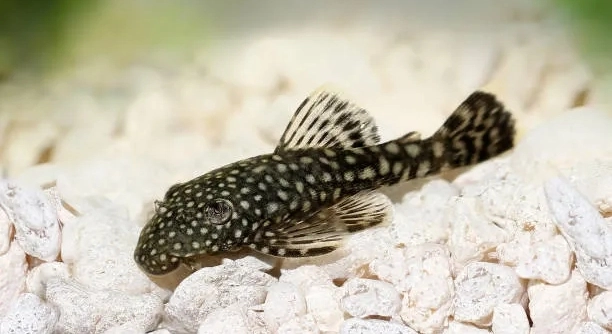
Do your plecos seem shy or inactive in their tank, spending most of their time hiding? Many aquarists notice this behavior and wonder how to help their fish feel more comfortable and natural. Plecos thrive in environments that mimic their natural habitats, which encourages their unique behaviors. Observing and understanding these fish can improve their overall health, activity, and interactions in the aquarium. Creating conditions that allow plecos to express their natural instincts is essential for a happy and balanced tank environment.
Encouraging natural pleco behavior involves providing appropriate hiding spaces, varied diets, water conditions that match their natural habitat, and environmental enrichment. Proper lighting, tank mates, and substrate choices also contribute to promoting natural feeding, resting, and exploratory behaviors.
By adjusting these factors, you can observe more of your pleco’s natural behaviors and enhance its overall wellbeing in your aquarium environment.
Provide Hiding Spaces
Plecos feel safest when they have multiple hiding spaces in the tank. Driftwood, caves, and plants create areas where they can retreat and rest during the day. These spaces reduce stress and mimic their natural environment, which often includes crevices, submerged roots, and dense vegetation. Hiding spots also encourage natural nocturnal activity. When plecos feel secure, they are more likely to explore, feed, and interact with their surroundings. Offering variety in hiding options is important, as some plecos prefer tight spaces while others enjoy open areas near cover. Regularly checking and rearranging the tank slightly can help maintain interest and prevent territorial conflicts. Make sure the materials used are safe for aquarium use and will not alter water chemistry negatively. Overcrowding with decorations should be avoided, as too many obstacles can limit swimming space. Observing pleco behavior can guide adjustments to improve their comfort. Proper shelter contributes to longevity, healthy growth, and reduced stress-related illnesses.
Providing hiding spots allows plecos to feel secure, explore freely, and display natural behavior more consistently in the tank environment.
By arranging multiple caves, driftwood pieces, and plant clusters, the tank can simulate the complex habitats plecos encounter in rivers. Driftwood not only offers shelter but also serves as a natural surface for algae growth, which plecos graze on. Live plants add shade, oxygenation, and foraging opportunities. Positioning caves near soft substrate encourages resting and feeding. Rotating decor occasionally prevents boredom and stimulates natural exploratory behavior. Observing which spots plecos favor helps identify preferred areas and adjust tank layout accordingly. It is also important to consider the size and species of pleco when designing hiding spaces. Larger plecos need spacious retreats, while smaller species benefit from tight crevices. Properly maintained hiding spaces reduce aggression, stress, and competition for territory, promoting peaceful interactions among tank mates. A well-structured environment supports overall health, encourages activity, and allows plecos to exhibit feeding, resting, and social behaviors naturally.
Maintain Proper Diet
A varied diet is key to encouraging natural pleco behavior. Fresh vegetables, algae wafers, and occasional protein sources keep them healthy and active.
Feeding plecos a balanced diet that mimics their natural intake stimulates grazing, foraging, and other instinctive behaviors. Offering seasonal vegetables and treating them with occasional protein supports digestive health and vibrant coloration. Proper nutrition directly impacts activity levels, promoting natural exploration and tank interaction. Regularly monitoring intake helps prevent overfeeding and maintains water quality. Adjusting portion size and variety ensures plecos are stimulated mentally and physically. Different species may prefer different types of food, so noting preferences is useful. Rotating food types encourages natural grazing behavior and prevents boredom. This dietary approach also supports growth and strengthens the immune system. Observing how plecos interact with various foods reveals insights into their preferences, feeding times, and social dynamics. Pairing food with environmental enrichment, such as hiding it in driftwood or plants, can further mimic natural foraging. Over time, a consistent and appropriate diet enhances both health and behavior expression. A well-fed pleco is more active, curious, and likely to display species-specific behaviors, contributing to a balanced and lively aquarium.
Keep Water Conditions Stable
Stable water conditions reduce stress and support natural pleco behavior. Monitoring temperature, pH, and ammonia levels ensures a healthy environment for exploration and feeding.
Maintaining clean, stable water is essential for pleco health and natural activity. Sudden changes in temperature or pH can cause hiding, reduced feeding, and lethargy. Regular water testing and partial water changes help maintain optimal conditions. Plecos thrive in slightly acidic to neutral water, typically between 6.5 and 7.5 pH, with temperatures around 72–82°F. Filtration should be sufficient to remove debris but not create overly strong currents that stress plecos. Consistent water quality prevents illness, supports digestion, and allows plecos to display normal nocturnal and grazing behaviors. Observing how plecos react to water changes can guide adjustments. Adding driftwood or leaf litter can naturally buffer water and encourage foraging. Keeping water conditions stable over time ensures a healthier, more active, and stress-free pleco population.
Even small fluctuations in water quality can affect behavior. Maintaining routine testing, adjusting parameters gradually, and performing partial water changes creates a stable environment. Clean water encourages natural feeding, resting, and swimming patterns.
Introduce Environmental Enrichment
Environmental enrichment keeps plecos active and engaged. Adding driftwood, rocks, or floating plants promotes exploration, grazing, and territorial behavior.
Plecos benefit from varied textures and structures in the tank, such as caves, driftwood, and plants. Hiding food in these areas encourages natural foraging and grazing behaviors. Rotating decorations or rearranging them occasionally prevents boredom and stimulates curiosity. Floating plants provide shaded areas, while rocks and driftwood offer surfaces for algae growth and resting spots. Plecos interact with the environment through scraping, grazing, and exploring, which supports both mental and physical health. Enrichment should balance hiding space with open swimming areas to prevent territorial disputes. Observing how plecos use these features can guide adjustments to enhance activity levels and behavioral expression.
Structured enrichment mimics natural habitats and encourages instinctive behaviors. Proper placement of objects and rotation of elements maintains engagement, reduces stress, and allows plecos to remain active and healthy in the tank.
Offer Appropriate Tank Mates
Choosing compatible tank mates reduces stress and encourages natural pleco behavior. Peaceful fish that do not compete aggressively for food or territory work best.
Avoid overly aggressive or fast-moving species that may intimidate plecos. Small schooling fish or calm community species help plecos feel secure and active without constant hiding or defensive behavior.
Provide Adequate Lighting
Balanced lighting supports day-night cycles and natural activity patterns. Too bright or constant light can stress plecos and reduce grazing behavior.
Plecos are generally nocturnal, so dim lighting or shaded areas allow them to explore comfortably. Using a timer for consistent light cycles maintains natural rhythms, encouraging feeding, resting, and interaction.
Monitor Health Regularly
Regular observation of physical condition and behavior ensures plecos remain healthy and active. Early detection of illness prevents stress and behavioral decline.
FAQ
How often should I provide new hiding spaces for my pleco?
Adding or rearranging hiding spaces occasionally helps maintain interest and reduce stress. Plecos enjoy exploring and discovering new areas, so rotating caves, driftwood, or plants every few weeks keeps the environment stimulating without causing confusion or territorial stress.
Can plecos share a tank with other bottom dwellers?
Yes, but compatibility depends on species and tank size. Avoid aggressive or highly territorial bottom dwellers. Calm, medium-sized fish that do not compete for food allow plecos to maintain natural grazing and resting behaviors without conflict.
What types of vegetables should I feed plecos?
Plecos enjoy zucchini, cucumber, spinach, and peas. Offering a variety ensures proper nutrition and encourages natural grazing. Vegetables should be blanched to make them easier to eat and rotated to prevent boredom and dietary deficiencies.
Are algae wafers enough for my pleco’s diet?
Algae wafers are a convenient supplement but should not be the sole diet. Plecos require vegetables, occasional protein sources, and natural algae for balanced nutrition. Feeding a varied diet promotes growth, health, and natural foraging behaviors.
How do I know if my pleco is stressed?
Signs of stress include hiding excessively, reduced feeding, rapid gill movement, or unusual swimming patterns. Maintaining stable water conditions, proper diet, and adequate hiding spots helps reduce stress and supports normal behavior.
Is it necessary to use driftwood in a pleco tank?
Driftwood provides a natural surface for grazing, hiding, and territorial marking. Many plecos also digest it slightly, which aids in digestion. Including driftwood enhances the tank’s structure and supports natural behaviors like scraping and resting.
How much light do plecos need?
Plecos are nocturnal and prefer dim or shaded lighting. Using a timer to maintain consistent day-night cycles encourages normal activity, feeding, and resting patterns, while preventing stress from constant or overly bright light.
How often should I perform water changes?
Partial water changes of 20–30% every 1–2 weeks help maintain stable water quality. This routine reduces ammonia, nitrates, and other stressors that can impact health and natural behaviors, keeping plecos active and comfortable.
Can plecos coexist with aggressive fish?
Aggressive fish may stress plecos, causing hiding or reduced feeding. For natural behavior to emerge, it’s best to keep plecos with peaceful tank mates that respect their space and feeding habits.
How can I encourage natural foraging behavior?
Hiding food in driftwood, caves, or among plants mimics natural feeding conditions. Offering fresh vegetables, algae, and occasional protein encourages grazing, exploration, and mental stimulation, supporting healthy, instinct-driven activity patterns.
What water parameters are ideal for plecos?
Plecos generally prefer slightly acidic to neutral water (pH 6.5–7.5) and temperatures between 72–82°F. Stable parameters, moderate flow, and adequate filtration support health, activity, and natural behaviors without causing stress.
How can I tell if my pleco is getting enough food?
Monitor feeding behavior and body condition. A healthy pleco will graze regularly, maintain a consistent body shape, and show normal activity levels. Overfeeding can lead to poor water quality, while underfeeding reduces energy and natural behaviors.
Do plecos need plants in the tank?
Live plants provide shade, grazing surfaces, and foraging opportunities. They create a more natural environment, allowing plecos to explore, hide, and interact with the tank while improving overall water quality.
How do I prevent boredom in my pleco?
Rotate decorations, offer varied food, and provide new hiding spots periodically. Environmental enrichment encourages natural behaviors like grazing, exploring, and resting in a more stimulating, less stressful environment.
How long can plecos live in a home aquarium?
With proper care, plecos can live 10–15 years or more. Stable water conditions, a balanced diet, and a stimulating environment are key factors for longevity and continued expression of natural behaviors.
This FAQ covers common questions about maintaining a healthy environment, diet, and enrichment for plecos to encourage natural behavior while ensuring long-term wellbeing. Proper care, observation, and adjustments based on species preferences keep plecos active, healthy, and stress-free.
Final Thoughts
Caring for plecos requires more than just filling the tank with water and food. These fish have specific needs that, when met, allow them to display their natural behaviors and maintain good health. Providing hiding spaces, like caves, driftwood, and plants, helps plecos feel secure and reduces stress. These areas mimic their natural habitats, giving them places to rest during the day and explore at night. A well-structured tank layout encourages activity, grazing, and interaction with the environment, which are essential for their mental and physical wellbeing. Observing how plecos use these spaces can help adjust the setup to better match their preferences and habits.
Diet plays a significant role in keeping plecos active and healthy. A varied diet that includes fresh vegetables, algae wafers, and occasional protein sources ensures they get the nutrients needed for growth, energy, and proper digestion. Feeding strategies that mimic natural foraging, such as hiding food in driftwood or among plants, encourage grazing behavior and prevent boredom. Overfeeding or underfeeding can negatively affect water quality and stress the fish, so portion control and regular monitoring are important. Proper nutrition not only supports physical health but also promotes natural behaviors, making plecos more engaging and easier to care for in the long term.
Maintaining water quality and stable environmental conditions is equally important. Plecos thrive in slightly acidic to neutral water with temperatures that match their natural habitat. Regular water testing, partial water changes, and appropriate filtration help keep the tank clean and safe. Lighting should reflect day and night cycles to support their nocturnal habits. Introducing compatible tank mates reduces stress and prevents aggressive interactions that may interfere with natural behaviors. Environmental enrichment, such as rotating decorations, adding plants, and providing varied surfaces, keeps plecos engaged and active. When these factors are combined, plecos are more likely to exhibit their unique behaviors, remain healthy, and live longer in captivity. Attention to these details ensures a balanced, stimulating, and safe environment for plecos, allowing them to thrive naturally in the home aquarium.

Hello,
If you enjoy the content that we create, please consider saying a "Thank You!" by leaving a tip.
Every little bit helps us continue crafting quality advice that supports the health, happiness, and well-being of pets around the world, for pets of all shapes, sizes, and species.
We really appreciate the kindness and support that you show us!