
Do you ever wonder how to create a peaceful community tank for your fish while keeping their personalities in mind? Many aquarists consider combining different species but worry about compatibility and stress in the aquarium environment.
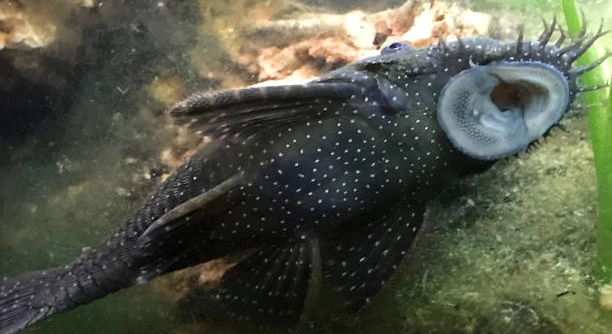
Bristlenose plecos can live with bettas under the right conditions. They are generally peaceful bottom-dwellers, while bettas occupy upper and middle water levels. Proper tank size, hiding spots, and monitoring aggression are essential for maintaining a harmonious environment.
Understanding the behaviors and needs of both species helps prevent conflicts and ensures a healthy, balanced tank setup for your aquatic companions.
Tank Setup for Bristlenose Plecos and Bettas
Creating a tank that accommodates both bristlenose plecos and bettas requires careful planning. A minimum tank size of 20 gallons is recommended to provide enough space for each fish to establish its territory. Plecos prefer hiding spots such as caves, driftwood, or dense plants, while bettas need open swimming areas and resting places near the surface. Proper filtration is important, as plecos produce a significant amount of waste, and water quality must be maintained to avoid stress. Lighting should mimic natural conditions, giving plecos dim areas to retreat to and bettas gentle light to reduce aggression. Substrate choice also matters; sand or smooth gravel works well for plecos, preventing injury to their delicate undersides. Regular maintenance, including water changes and monitoring for uneaten food, helps both species thrive. Monitoring their interactions is crucial, especially in the early weeks of introducing them together.
A well-planned tank prevents stress and encourages natural behaviors in both species, allowing them to coexist peacefully.
Proper tank setup provides both plecos and bettas with space, hiding spots, and clean water, ensuring a balanced aquatic environment.
Feeding and Diet Considerations
Bristlenose plecos are primarily herbivores, while bettas are carnivorous, so dietary needs must be managed carefully.
Plecos thrive on algae wafers, blanched vegetables, and occasional protein sources like shrimp pellets. Bettas require high-protein pellets or frozen foods like brine shrimp or bloodworms. Feeding schedules should avoid overfeeding, which can pollute the tank and stress both species. Offering food in different areas helps prevent competition; place pleco food near the bottom and betta food at the surface. Observing feeding behavior ensures both fish receive adequate nutrition without conflict. Uneaten food should be removed promptly to maintain water quality. Supplementing with fresh vegetables supports pleco health, while protein-rich foods maintain betta energy and vibrant colors. Adjusting portion sizes according to activity levels helps maintain their weight and prevents obesity. A balanced feeding routine reduces the chance of aggression and supports the overall well-being of the tank inhabitants. Proper attention to diet ensures that both plecos and bettas remain healthy and active.
Managing the diet carefully allows each species to get proper nutrition without creating stress or aggression in the tank.
A thoughtful feeding routine prevents competition, maintains water quality, and supports growth for both bristlenose plecos and bettas, ensuring a harmonious environment.
Behavior and Compatibility
Bristlenose plecos are calm bottom dwellers, rarely disturbing other fish. Bettas can be territorial, especially males, but they usually stay near the top. Careful observation is needed when introducing them to avoid stress or aggression in the tank.
Plecos are nocturnal and mostly focus on algae or detritus, which keeps them out of the betta’s swimming path. Bettas may flare occasionally, but plecos are armored enough to avoid harm. Providing plants, driftwood, and hiding spots allows plecos to retreat and reduces tension. Tank size and layout play a significant role in maintaining peace between these species, especially during the first few weeks of cohabitation. Monitoring their interactions ensures any minor aggression is managed before it becomes a serious issue.
Both species exhibit unique behaviors that generally do not clash if the tank is well-structured. Plecos graze silently while bettas patrol, creating a balanced environment. Observation and patience during acclimation are key to long-term compatibility.
Water Conditions and Maintenance
Bristlenose plecos and bettas thrive in similar water conditions, but stability is crucial.
Temperature should be maintained between 75–80°F to accommodate both species. pH levels around 6.5–7.5 work well, with moderate hardness preferred. Regular water changes prevent ammonia and nitrate buildup, which can stress both fish. Filtration should be strong enough to maintain clarity but gentle to avoid disturbing the betta’s delicate fins. Monitoring water parameters ensures a stable environment, reducing illness and promoting healthy growth. Both species are sensitive to sudden changes, so gradual adjustments are necessary.
Weekly partial water changes of 25–30% help remove waste and maintain optimal water quality. Plecos contribute significant bio-load, so removing uneaten food and detritus is essential. Using a gentle sponge filter or adding additional hiding spots reduces stress during maintenance. Proper care and consistent monitoring prevent aggression, disease, and health issues, ensuring both plecos and bettas thrive together. Maintaining stable conditions supports natural behaviors, feeding, and overall activity levels. Keeping water quality high is critical to coexistence, especially in smaller tanks.
Tank Decorations and Hiding Spots
Plecos need caves, driftwood, and dense plants to feel secure. Bettas enjoy open swimming areas but also appreciate floating plants or broad leaves for resting. Proper decoration prevents stress and minimizes potential conflicts between the two species.
Arranging hiding spots at different levels ensures each fish has its own space. Plecos can retreat to the bottom, while bettas claim upper areas. This separation reduces territorial disputes and encourages natural behaviors for both fish.
Monitoring Aggression
Observe interactions closely during the first weeks. Minor flaring is normal, but persistent chasing or nipping requires intervention.
Breeding Considerations
Bristlenose plecos may breed in a shared tank, often using caves for egg-laying. Male plecos guard eggs, which can affect tank dynamics if bettas become curious. Planning for breeding spaces helps maintain harmony and prevents accidental stress or aggression between the species.
Cleaning and Maintenance Routine
Regular cleaning prevents waste buildup and maintains water quality. Removing uneaten food and vacuuming substrate supports both plecos and bettas.
FAQ
Can bristlenose plecos and bettas live together peacefully?
Yes, they can coexist if the tank is properly set up. Plecos are bottom dwellers and generally peaceful, while bettas patrol the upper levels. Providing enough space, hiding spots, and plants reduces stress and minimizes aggressive interactions. Observation during the first few weeks is important to ensure compatibility.
What is the ideal tank size for keeping them together?
A minimum of 20 gallons is recommended. This allows plecos to graze and hide at the bottom while giving bettas open swimming areas at the top. A larger tank is even better, especially if multiple plecos or more than one betta are included, as it further reduces territorial stress.
Do bristlenose plecos bother bettas?
No, plecos are generally non-aggressive and focus on algae and detritus. They rarely interact with bettas in a way that causes harm. However, bettas may flare occasionally, which is usually harmless if plecos have hiding spots to retreat.
Do bettas attack plecos?
Bettas may show temporary aggression, especially during early introduction, but most plecos have armored bodies that protect them from minor nipping. Persistent aggression should be monitored, and separating the fish may be necessary if the betta is highly territorial.
What feeding routine works best for both species?
Feed plecos algae wafers, vegetables, and occasional protein at the bottom. Bettas need high-protein pellets or frozen foods at the surface. Feeding in separate zones ensures each species gets enough nutrition without competing or stressing each other. Remove uneaten food to maintain water quality.
Can bristlenose plecos and bettas share the same water conditions?
Yes, both species thrive in similar conditions. Temperature should be around 75–80°F with a pH of 6.5–7.5. Moderate hardness is preferred. Regular water changes and monitoring parameters help prevent stress and disease. Sudden changes should be avoided to maintain stability.
Do plecos need hiding spots?
Absolutely. Plecos need caves, driftwood, or dense plants to feel secure. Hiding spots reduce stress and encourage natural behavior. Providing multiple hiding places at the bottom ensures plecos can retreat if a betta becomes territorial, preventing aggression and supporting overall well-being.
How often should I clean the tank?
Weekly partial water changes of 25–30% are ideal. Remove uneaten food, vacuum the substrate, and maintain filters to reduce waste buildup. Plecos produce significant bio-load, so consistent maintenance is essential to keep water quality high and prevent stress or illness.
Can bristlenose plecos breed with bettas in the same tank?
Yes, plecos can breed in a community tank. Males guard eggs in caves, which can create tension if bettas are curious. Providing multiple caves and monitoring interactions helps maintain peace and ensures successful breeding without causing stress to either species.
What signs indicate stress or aggression?
Look for flaring, chasing, hiding excessively, or loss of appetite. Plecos may retreat to hiding spots, while bettas may flare or attack. Consistent observation and tank adjustments, such as adding plants or rearranging decorations, help reduce tension and keep both species comfortable.
Is it safe to keep more than one pleco with a betta?
Yes, multiple plecos can coexist with a betta if the tank is large enough and there are plenty of hiding spaces. Overcrowding can increase stress and aggression, so ensure each fish has sufficient space and territory to maintain harmony.
Can lighting affect their compatibility?
Yes, plecos prefer dimmer areas, while bettas enjoy gentle lighting. Floating plants or shaded sections help plecos feel secure. Proper lighting balance prevents stress and encourages natural behavior, supporting coexistence without conflict.
Do plecos clean the tank naturally?
Plecos eat algae and some detritus, but they do not replace regular tank maintenance. Overreliance on plecos for cleaning can lead to poor water quality. Regular cleaning, substrate vacuuming, and water changes are still necessary to maintain a healthy environment for both species.
How do I know if the tank layout is working?
If both species are active, eating well, and not showing excessive aggression, the layout is effective. Plecos should have access to hiding spots, and bettas should have open swimming areas. Minor adjustments may be needed, but a balanced setup allows both species to thrive together.
Can I introduce other species with plecos and bettas?
Yes, but carefully. Avoid aggressive or fin-nipping fish that may stress bettas or compete with plecos. Peaceful community fish that occupy different water levels, such as small tetras or rasboras, are generally suitable. Introduce new fish gradually and monitor interactions closely.
What should I do if the betta is too aggressive?
If aggression persists, consider separating the betta temporarily or rearranging tank decorations to disrupt territory. Adding more hiding spots for plecos reduces stress. In some cases, using a tank divider or moving one species to a larger tank may be necessary to maintain harmony.
Can plecos survive with bettas long-term?
Yes, with proper tank setup, stable water conditions, and careful observation, plecos and bettas can coexist for years. Consistent maintenance, attention to diet, and respecting each species’ natural behaviors are key to long-term compatibility and a peaceful tank environment.
How do I introduce them safely?
Introduce plecos first, allowing them to establish territory. Add the betta afterward, monitoring closely for flaring or chasing. Providing plenty of plants and decorations helps minimize conflict, ensuring both species adapt comfortably to their shared environment.
What are common mistakes to avoid?
Overcrowding, insufficient hiding spots, poor water quality, and feeding in the same area can cause stress and aggression. Avoid sudden changes in temperature, pH, or tank layout. Monitoring behavior and maintaining a structured routine helps both species coexist successfully.
Can bettas and plecos get along in a small tank?
Smaller tanks increase stress and territorial disputes. A minimum of 20 gallons is recommended, but larger tanks are preferable. Proper decoration, hiding spots, and careful feeding routines are essential in small spaces to prevent conflict and maintain a peaceful environment.
How can I make sure both species are happy?
Provide sufficient space, hiding spots, and proper nutrition for each species. Maintain water quality, observe interactions, and adjust tank setup as needed. Respecting their natural behaviors ensures both plecos and bettas remain healthy, active, and stress-free in a shared tank.
This FAQ provides detailed guidance for keeping bristlenose plecos and bettas together, covering behavior, tank setup, diet, maintenance, and compatibility considerations. Following these points helps ensure a peaceful, healthy aquarium environment.
Word count: 505
Bristlenose plecos and bettas can live together peacefully if their environment is carefully planned and maintained. Both species have different natural behaviors, with plecos staying mostly at the bottom and bettas preferring the upper levels. This natural separation helps reduce conflicts and allows each fish to carry out their typical activities without disturbing the other. Providing adequate space, such as a minimum 20-gallon tank, is essential. Plecos need hiding spots like caves, driftwood, and dense plants, while bettas require open swimming areas and resting spaces near the surface. Proper tank layout is one of the most important factors in ensuring that these two species can coexist without stress. Paying attention to their behaviors during the initial introduction period can prevent potential problems and allow you to make adjustments before conflicts escalate. Observing both fish regularly helps you notice early signs of aggression or stress, which can be addressed quickly.
Water quality is another crucial factor in maintaining a healthy tank for both species. Bettas and plecos thrive in similar temperature and pH ranges, but stability is key. The water should be kept between 75–80°F with a pH of 6.5–7.5, and regular partial water changes are necessary to keep ammonia and nitrate levels low. Plecos produce a significant amount of waste, so it is important to remove uneaten food and vacuum the substrate consistently. Adequate filtration is required to maintain clear water, but the flow should be gentle to avoid disturbing the betta’s delicate fins. Maintaining clean and stable water conditions reduces stress, prevents illness, and supports the natural behaviors of both fish. Even with plecos helping by eating algae, regular cleaning is still needed to maintain a balanced and healthy environment for all tank inhabitants.
Feeding routines and diet management also play an important role in ensuring harmony. Plecos are mainly herbivores and enjoy algae wafers, blanched vegetables, and occasional protein supplements, while bettas require a high-protein diet with pellets or frozen foods. Feeding them in separate areas of the tank prevents competition and ensures that each species gets the proper nutrition. Monitoring feeding behaviors helps identify any issues, such as aggression or overfeeding, that could affect water quality. When their dietary needs are met and the tank is maintained with attention to space, hiding spots, and water conditions, plecos and bettas can live together for years without problems. By following these guidelines, you can create a peaceful and healthy environment where both species thrive, displaying their natural behaviors while minimizing stress and conflict.
Word count: 415

Hello,
If you enjoy the content that we create, please consider saying a "Thank You!" by leaving a tip.
Every little bit helps us continue crafting quality advice that supports the health, happiness, and well-being of pets around the world, for pets of all shapes, sizes, and species.
We really appreciate the kindness and support that you show us!