
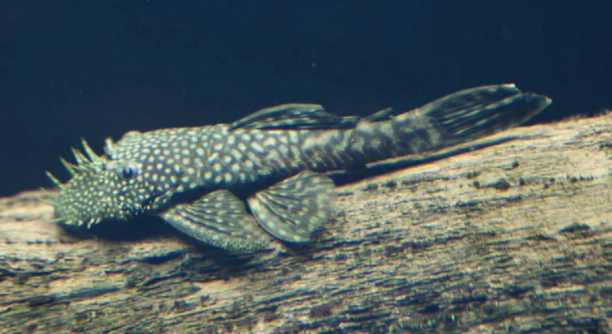
Do you ever wonder why your plecos seem hesitant to breed despite providing plenty of hiding spaces and food? Many aquarists face this challenge, often without realizing that water conditions play a critical role in encouraging reproduction.
The seven ideal water parameters for breeding plecos include maintaining stable temperature, pH levels, hardness, ammonia, nitrite, nitrate, and oxygen saturation. These factors directly influence their reproductive behavior, egg development, and overall health in captivity.
Properly monitoring and adjusting these conditions can significantly improve breeding success. Understanding each parameter ensures your plecos thrive and reproduce in a healthy environment.
Temperature
Plecos are sensitive to water temperature, and keeping it stable is essential for breeding. Most species thrive in temperatures between 78°F and 86°F (25°C–30°C). Sudden fluctuations can stress the fish and reduce their willingness to spawn. Using a reliable heater with a thermostat ensures consistent warmth. Monitoring the temperature daily is important, especially during seasonal changes, as even a few degrees can affect their metabolism and activity levels. Warmer water generally stimulates breeding behavior, while cooler water can slow it down. During breeding, it is often recommended to mimic natural seasonal changes gradually. This can include small, controlled increases or decreases in temperature to signal the fish that conditions are right for spawning. Maintaining stable temperature alongside other water parameters creates an environment where plecos feel safe and ready to reproduce, reducing stress and supporting their overall health.
Stable temperature encourages consistent activity and helps plecos feel secure, which is key for successful breeding.
By keeping the water in the recommended range, you are not only supporting spawning but also improving the immune system and digestion of your plecos. A heater combined with a thermometer is the easiest way to manage this. Avoid placing the tank near windows, vents, or drafts, as these can cause sudden shifts. If multiple plecos share a tank, ensure the heater is powerful enough to maintain uniform warmth throughout. Gradual adjustments over a few days are better than sudden changes, which can shock the fish. Some breeders also slightly increase temperature to trigger spawning, simulating natural seasonal shifts. Observing their behavior, such as increased activity or pairing, can indicate readiness. Stable temperature, paired with proper hiding places and nutrition, provides a balanced environment where plecos can breed successfully, increasing your chances of healthy fry.
pH Levels
Maintaining the correct pH is essential for plecos to breed. Most prefer slightly acidic to neutral water, around 6.5 to 7.5.
pH affects reproduction and egg development, as extreme levels can prevent spawning or harm eggs.
Regular testing with accurate kits is important, and gradual adjustments using natural methods like driftwood or peat can help maintain stability. Avoid sudden changes, as plecos are sensitive to fluctuations. Consistency in pH reduces stress and encourages breeding behavior. Balancing pH with other water parameters ensures a supportive environment for both adults and fry. Over time, stable pH levels help maintain tank health and improve overall fish vitality.
Water Hardness
Plecos prefer moderately soft to slightly hard water, usually between 4 and 12 dGH. Hardness affects their metabolism and breeding behavior. Maintaining stable hardness ensures proper egg development and overall health, avoiding stress from sudden changes.
Testing water hardness regularly is important. You can adjust it naturally with driftwood to soften water or crushed coral to increase hardness. Stability is key, as sudden changes can harm both adults and eggs. Hardness interacts with pH, so balancing both is necessary for optimal breeding conditions. Keep a consistent routine to monitor these parameters and adjust gradually.
Using stable water hardness promotes healthier plecos and better spawning results. When eggs are laid, the right hardness supports hatching and fry development. Combined with proper temperature and pH, controlling hardness ensures a supportive environment. Gradual adjustments and careful observation of fish behavior help maintain conditions where plecos feel secure and ready to breed, improving the success rate of fry survival.
Ammonia Levels
Ammonia must always remain at zero in a breeding tank, as even low levels can be toxic to plecos and eggs. Frequent testing helps detect any buildup early.
High ammonia affects gill function, stress levels, and immune response. Even small amounts can cause fry mortality and reduce adult activity, lowering chances of breeding. Using a well-cycled tank and regular partial water changes prevents dangerous spikes. Biological filtration also plays a key role in breaking down waste and maintaining a safe environment.
Preventing ammonia buildup is critical for maintaining healthy plecos and ensuring successful reproduction. Uneaten food and waste contribute to ammonia accumulation, so frequent cleaning is essential. Combining mechanical filtration with beneficial bacteria helps keep the water safe. Observing the fish for signs of stress, like rapid gill movement or lethargy, indicates water quality issues. Keeping ammonia at zero, alongside stable temperature, pH, and hardness, creates a reliable breeding environment and promotes fry survival, reducing the risk of disease or developmental problems.
Nitrite Levels
Nitrite should always remain at zero, as even low amounts can stress plecos and harm fry. Regular testing ensures early detection and safe water conditions.
Biological filtration helps convert nitrite into less harmful compounds. Frequent partial water changes prevent accumulation and maintain a healthy environment for breeding.
Nitrate Levels
Keeping nitrate levels below 20 ppm is essential for breeding plecos. High nitrate can inhibit spawning and reduce fry survival. Regular water changes and avoiding overfeeding help control nitrate accumulation. Plants and live filtration media can also absorb excess nitrate, supporting a balanced tank environment. Maintaining low nitrate levels ensures healthier adults and more viable eggs, promoting consistent breeding activity. Proper tank maintenance, combined with monitoring, creates conditions where plecos feel safe and ready to reproduce, improving fry development and reducing stress-related issues.
Oxygen Saturation
High oxygen levels improve pleco health and support egg development. Aeration and water movement maintain proper oxygenation.
FAQ
What is the best temperature for breeding plecos?
Plecos generally breed best between 78°F and 86°F (25°C–30°C). Keeping the temperature stable is more important than hitting an exact number. Sudden fluctuations can stress the fish and reduce spawning activity. Using a reliable heater with a thermostat ensures consistency, and monitoring daily helps maintain ideal conditions. Slight, gradual adjustments can simulate natural seasonal changes, which sometimes encourages breeding behavior.
How do I maintain proper pH for plecos?
Most plecos prefer slightly acidic to neutral water, around 6.5 to 7.5. Testing the water regularly is essential, and using natural methods like driftwood or peat can help adjust pH gradually. Sudden shifts can stress plecos, affecting both adults and eggs. Stable pH encourages normal behavior and successful spawning. Combining pH management with other water parameters ensures a balanced environment for breeding.
Why is water hardness important?
Water hardness affects pleco metabolism, egg development, and overall health. Moderately soft to slightly hard water, usually 4–12 dGH, is ideal. Driftwood can soften water, while crushed coral can increase hardness. Keeping hardness stable is crucial because sudden changes can harm both adults and fry. Monitoring regularly and adjusting gradually helps maintain breeding-friendly conditions.
How do I control ammonia levels?
Ammonia must always stay at zero. Even small amounts are toxic to plecos and eggs. Regular water testing, partial water changes, and proper tank cycling prevent dangerous accumulation. Biological filtration supports the breakdown of waste, keeping ammonia at safe levels. Observing fish for signs of stress, like rapid gill movement or lethargy, can indicate rising ammonia. Maintaining zero ammonia is essential for healthy adults and viable fry.
What are safe nitrite levels?
Nitrite should remain at zero at all times. Biological filtration converts nitrite to less harmful compounds, and frequent water changes prevent buildup. High nitrite stresses plecos and can reduce spawning success. Maintaining consistent water quality ensures a safer environment for breeding, supporting both adult health and fry survival.
How do I manage nitrate levels?
Nitrate should stay below 20 ppm. Excess nitrate can inhibit spawning and harm fry development. Frequent partial water changes, avoiding overfeeding, and using plants or live filtration media help reduce nitrate. Low nitrate promotes healthier adults and encourages reproductive activity. Maintaining balanced water chemistry, including nitrate control, increases the likelihood of successful breeding.
Why is oxygen saturation important?
High oxygen levels improve pleco health and support egg development. Aeration, water movement, and avoiding overcrowding ensure sufficient oxygen. Oxygen-rich water reduces stress and allows plecos to feed and reproduce efficiently. Proper oxygenation, combined with stable temperature, pH, and hardness, creates an environment that supports breeding and fry growth.
Can I breed plecos in a community tank?
Breeding plecos in a community tank is possible but challenging. Other fish may stress adults or eat eggs. Providing hiding spaces, caves, and monitoring water quality carefully is essential. Many breeders prefer separate breeding tanks to control parameters and protect fry. Controlled environments increase the chances of successful reproduction and reduce losses.
How do I know when plecos are ready to breed?
Mature males often develop broader heads, while females appear rounder when full of eggs. Increased activity, pairing, and hiding behaviors signal readiness. Observing these signs, along with proper water conditions, helps predict spawning. Maintaining stability in temperature, pH, and hardness encourages natural reproductive behavior, improving success.
What should I do after eggs are laid?
Once eggs are laid, parents may guard them, but some species need the eggs moved to a separate tank for safety. Maintaining clean water, stable parameters, and moderate oxygen levels supports hatching. Avoid disturbing the eggs, and monitor for fungal growth or water quality issues. Healthy conditions increase fry survival and overall breeding success.
This FAQ addresses common concerns and ensures plecos have a safe, supportive environment for breeding. Proper care, monitoring, and attention to water parameters are key to successful reproduction and fry development.
Final Thoughts
Breeding plecos can feel overwhelming at first, but understanding their water requirements makes the process more manageable. Maintaining stable temperature, pH, hardness, ammonia, nitrite, nitrate, and oxygen levels creates an environment where plecos feel secure and ready to reproduce. Each of these parameters affects their health and behavior in different ways. Temperature influences activity and metabolic rate, pH affects egg development, and water hardness plays a role in overall physiological balance. Ammonia and nitrite are highly toxic, even in small amounts, and nitrate must be kept low to prevent stress. Proper oxygenation supports normal feeding and reproductive activity. Monitoring these factors consistently, making gradual adjustments when needed, and combining them with good tank maintenance ensures the fish remain healthy and more likely to breed successfully.
Regular observation of your plecos is just as important as testing the water. Behavior often indicates whether conditions are ideal or need adjustment. Signs such as increased activity, pairing, and use of hiding spots may indicate readiness to spawn. On the other hand, lethargy, hiding, or irregular feeding can suggest stress or water parameter issues. Providing natural elements like driftwood or caves encourages natural behavior and mimics their preferred environment. Over time, you will learn how subtle changes in water conditions and tank setup affect your plecos’ willingness to breed. Keeping detailed notes on water readings and behaviors can also help you refine the conditions that work best for your particular pleco species.
Consistency and patience are key to successful breeding. Plecos are sensitive to sudden changes, so gradual adjustments in temperature, pH, or hardness are always better than abrupt shifts. Maintaining a clean tank with proper filtration and regular water changes helps prevent harmful buildup of ammonia, nitrite, or nitrate. By providing stable conditions and paying attention to their behavior, you increase the likelihood of producing healthy eggs and fry. Breeding plecos requires a combination of knowledge, care, and attention, but the effort results in thriving fish and a rewarding experience. Understanding and respecting their specific needs will ensure long-term success and a healthy aquarium environment for both adults and young plecos.

Hello,
If you enjoy the content that we create, please consider saying a "Thank You!" by leaving a tip.
Every little bit helps us continue crafting quality advice that supports the health, happiness, and well-being of pets around the world, for pets of all shapes, sizes, and species.
We really appreciate the kindness and support that you show us!