
Do you ever find yourself setting up a peaceful community tank but worry about how different fish species will interact? Bristlenose Plecos and tetras each have unique behaviors that can influence life in your aquarium.
Bristlenose Plecos are generally peaceful bottom dwellers and can coexist with tetras without conflict. Their dietary habits, territorial nature, and swimming levels differ, minimizing competition and stress, making them suitable companions in a shared freshwater tank environment.
Managing tank space, decorations, and feeding routines properly will help maintain harmony and ensure both Bristlenose Plecos and tetras thrive together.
Understanding Bristlenose Plecos’ Behavior
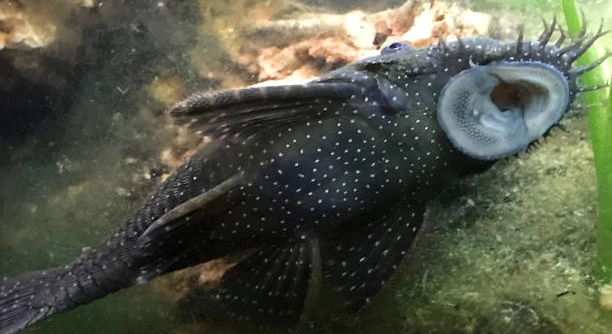
Bristlenose Plecos are calm, nocturnal fish that spend most of their time at the bottom of the tank. They are primarily algae eaters, scraping surfaces for food while avoiding confrontation with mid- or top-level swimmers like tetras. These fish develop territories around hiding spots such as caves or driftwood, which they rarely leave. Observing them during feeding time reveals a peaceful and deliberate approach to eating, rarely causing disruption. Plecos produce minimal waste if fed properly, keeping the tank cleaner. While they are generally passive, they may chase other bottom-dwellers if space is limited or food is scarce. Understanding their natural habits helps maintain balance in a community aquarium. Their nocturnal activity means tetras, which are active during the day, will rarely interact aggressively, reducing stress. With proper hiding places, plecos can comfortably share the tank without affecting tetras’ swimming patterns or feeding routines. They thrive in stable water conditions with moderate current and plenty of surfaces to graze on.
Providing sufficient hiding spots ensures that Bristlenose Plecos remain calm and do not disrupt other tank inhabitants.
Plecos’ territorial tendencies are manageable with enough space. Driftwood, caves, and broad-leaf plants allow them to claim areas without encroaching on tetras. Properly spaced hiding spots reduce stress, while ensuring food is accessible prevents competition. Plecos can coexist with small schooling fish because their activity zones rarely overlap.
Feeding Habits and Tank Harmony
Bristlenose Plecos eat primarily algae and vegetables, which does not compete with tetras’ diet of flakes or micro-pellets.
Ensuring both species have access to appropriate food types maintains harmony. Plecos need algae wafers, zucchini, or cucumber slices, while tetras benefit from smaller floating or sinking pellets. Feeding schedules should account for each species’ activity patterns. Tetras feed during the day, while plecos are more active at night, so placing supplemental foods at different times helps avoid competition. Monitoring tank behavior after introducing plecos ensures they are not stressed or bullying tetras. Observing interactions, adjusting feeding spots, and rotating vegetables help maintain peace. Proper water quality is essential; plecos produce more waste than tetras, so regular filtration and partial water changes keep ammonia and nitrate levels safe for all fish. Balancing diets, activity levels, and territory is the key to a healthy mixed tank. With attention to feeding habits and habitat, Bristlenose Plecos and tetras can live together peacefully for years.
Tank Setup Considerations
Spacing is crucial when keeping Bristlenose Plecos with tetras. A larger tank reduces territorial disputes and allows both species to move freely.
Providing multiple hiding spots, driftwood, and plants creates distinct areas for plecos to claim. Tetras, being mid- to top-level swimmers, will not compete for these spaces, minimizing stress. Regular water testing ensures stable conditions, as plecos are sensitive to poor water quality. Filtration and moderate flow keep the tank clean, while decorations help create natural boundaries. Positioning food strategically supports peaceful coexistence, allowing each species to feed in comfort. Observing tank behavior in the first weeks allows adjustments before issues arise.
Adjusting lighting to mimic natural cycles benefits both species. Plecos prefer dimmer areas, while tetras remain active in brighter conditions. This separation of activity zones promotes harmony.
Maintaining temperature and pH consistency is vital. Bristlenose Plecos thrive in 73–81°F and pH 6.5–7.5. Tetras tolerate similar conditions, making it easier to maintain a stable environment. Sudden changes in water chemistry can stress fish, leading to illness or aggression. Substrate choice matters; fine gravel or sand is ideal for plecos to forage without harming their fins. Regular water changes reduce nitrate buildup and prevent algae overgrowth, ensuring both species enjoy a healthy, balanced habitat.
Monitoring Social Interaction
Early observation of interactions prevents long-term stress. Watching for chasing or hiding indicates whether adjustments are needed.
Bristlenose Plecos are mostly non-aggressive, but stress can arise from overcrowding or limited hiding spots. Tetras may school tightly if nervous, signaling discomfort. Providing extra caves or driftwood can diffuse tension and allow plecos to retreat safely. Feeding should be monitored to ensure plecos get enough vegetables without disturbing tetras, and vice versa. Documenting behavior over the first month helps establish routines. Checking water quality and tank layout frequently prevents conflicts from escalating. Understanding social cues ensures both species remain healthy and comfortable.
Tetras’ schooling instincts offer reassurance to each other, reducing stress from pleco activity. This natural behavior stabilizes the tank atmosphere.
Introducing new plecos gradually helps tetras adjust without sudden disruptions. Quarantine periods prevent disease transfer, while slow acclimation allows both species to recognize shared territories. Watching feeding, swimming patterns, and shelter use over the first few weeks provides insight into social compatibility. Minor adjustments to tank layout, decorations, and feeding areas can resolve potential conflicts early. Ensuring adequate space, proper hiding spots, and food separation reduces stress and supports natural behavior. Consistent monitoring fosters a balanced, peaceful environment for both plecos and tetras, promoting long-term coexistence and overall tank health.
Compatibility with Other Species
Bristlenose Plecos are peaceful and generally compatible with small schooling fish like tetras. Their calm nature and bottom-dwelling habits reduce the risk of aggressive encounters.
They do not compete for food with tetras, as their diets differ. Plecos focus on algae and vegetables, while tetras eat flakes or micro-pellets.
Maintaining Water Quality
Regular water changes and proper filtration are essential. Plecos produce more waste than tetras, so monitoring ammonia, nitrite, and nitrate levels keeps the tank safe. Maintaining a stable pH and temperature supports both species’ health and encourages natural behavior.
Managing Tank Space
Providing driftwood, caves, and plants creates territories for plecos. This separation minimizes stress and ensures tetras have open swimming areas.
FAQ
Can Bristlenose Plecos and tetras share the same tank?
Yes, Bristlenose Plecos and tetras can coexist peacefully in the same aquarium. Plecos are bottom dwellers and tetras swim in the middle and top levels, which naturally reduces conflict. Providing enough space, hiding spots, and feeding areas helps both species live comfortably together.
How much space do I need for both species?
A minimum of 20 gallons is recommended for a small group of tetras with a single pleco. Larger tanks are better, especially if you have multiple plecos or more active tetra species. Space reduces territorial disputes and ensures that both fish have room to swim and hide.
What should I feed Bristlenose Plecos?
Plecos mainly eat algae and vegetables. Supplement their diet with zucchini, cucumber slices, or algae wafers. They rarely compete with tetras for food since tetras eat flakes or micro-pellets. Feeding plecos at night or when tetras are less active ensures they get enough nutrition.
Do plecos bother tetras at night?
Bristlenose Plecos are nocturnal and mostly inactive during the day. At night, they become more active but rarely disturb tetras, who usually rest in schools. Ensuring the tank has enough hiding spots allows plecos to explore without stressing other fish.
How can I prevent stress between plecos and tetras?
Stress can be minimized by maintaining proper water conditions, providing sufficient hiding spaces, and feeding each species appropriately. Regular water testing, partial water changes, and careful tank decoration placement reduce territorial disputes and support a peaceful tank environment.
Can tetras and plecos share food?
Not entirely. Tetras and plecos have different diets, so while some overlap may occur, each species should have access to its specific food. Plecos need vegetables or algae wafers, and tetras need flakes or small pellets. Feeding at different times helps prevent competition.
Do Bristlenose Plecos damage plants?
Plecos are generally safe with live plants if they are healthy and well-fed. They mostly scrape algae from surfaces and driftwood rather than uprooting plants. Using sturdy plant species reduces the chance of accidental damage.
Will plecos grow too big for a community tank?
Bristlenose Plecos remain relatively small, usually 4–6 inches, making them suitable for most community tanks. Unlike larger pleco species, they do not outgrow typical home aquariums and can coexist comfortably with tetras.
How do I introduce a pleco to a tank with tetras?
Acclimate the pleco slowly by floating its bag in the tank to match temperature. Gradually mix tank water into the bag over an hour. Place the pleco near a hiding spot to reduce stress and allow it to explore without disturbing tetras.
What signs indicate conflict between plecos and tetras?
Signs include tetras schooling tightly, hiding excessively, or showing signs of stress. Plecos may become territorial or chase bottom-dwelling fish. Adjusting tank layout, adding more hiding spaces, and monitoring feeding areas typically resolves these issues.
Can I keep more than one pleco with tetras?
Yes, but make sure there is enough space and hiding spots. Multiple plecos require careful management of territory and food distribution. Overcrowding can lead to stress and competition, so a larger tank is recommended for multiple plecos and a healthy tetra school.
How often should I feed plecos and tetras?
Tetras usually eat once or twice daily, while plecos benefit from supplemental vegetables or algae wafers every other day. Feeding at different times allows both species to get proper nutrition without competition or stress.
Do plecos affect water quality for tetras?
Plecos produce more waste than tetras, so maintaining filtration and performing regular water changes is essential. Monitoring ammonia, nitrite, and nitrate levels keeps the tank safe for both species and supports long-term health.
Are plecos aggressive toward other bottom dwellers?
Bristlenose Plecos are generally non-aggressive but may chase other bottom dwellers if space or hiding spots are limited. Providing multiple caves and decorations ensures each fish has its own territory, preventing conflict and promoting peaceful coexistence.
Can plecos live with all types of tetras?
Most small, peaceful tetras are compatible. Avoid aggressive or large tetra species that may stress plecos or compete for territory. Proper tank management ensures both species thrive without disruption to each other’s behavior.
How do I maintain harmony during feeding times?
Feed tetras first during the day and plecos in the evening or near the bottom. Using separate feeding zones or sinking foods for plecos ensures both species receive adequate nutrition without causing competition or stress.
Do plecos need special care compared to tetras?
Plecos require specific attention to diet, hiding spots, and water conditions. They thrive in stable temperatures and pH levels, need algae or vegetable supplements, and benefit from driftwood or caves. Tetras are less demanding but still need clean water and proper nutrition.
How long can plecos live in a community tank?
With proper care, Bristlenose Plecos can live 5–10 years. Maintaining stable water conditions, a balanced diet, and peaceful tankmates ensures long-term health and compatibility with tetras.
Can plecos reproduce in a tank with tetras?
Yes, Bristlenose Plecos may breed if conditions are ideal, usually in caves. Tetras generally do not interfere, but breeding plecos need private spaces for eggs and fry. Monitoring the tank and separating eggs if necessary protects young fish.
What is the best way to observe plecos and tetras together?
Watch their daily activity and feeding behavior. Plecos will graze along the bottom while tetras swim mid- and top-level. Observing interactions helps identify stress, territorial issues, or feeding problems early, allowing quick adjustments to tank conditions.
This FAQ provides practical tips for managing a community tank with Bristlenose Plecos and tetras, ensuring both species live harmoniously and thrive over time.
Bristlenose Plecos and tetras can coexist in the same tank when proper care is taken. Understanding their natural behaviors is key to creating a peaceful environment. Plecos are calm bottom dwellers that mostly feed on algae and vegetables, while tetras are active mid- and top-level swimmers that eat flakes or small pellets. Because their activity zones and diets differ, there is little direct competition between the two species. Providing a tank that respects these natural habits helps minimize stress and ensures both types of fish can thrive together. A larger tank is always beneficial, as it gives each species space to explore, establish territories, and feed comfortably. This reduces the chances of conflict and promotes harmony within the aquarium.
Creating the right environment involves more than just space. Hiding spots such as caves, driftwood, and plants are essential for plecos, as they give them areas to claim as territory and retreat when needed. Tetras, being schooling fish, benefit from open swimming areas where they can move freely without feeling cornered or threatened. Maintaining clean water is also crucial, since plecos produce more waste than tetras. Regular water testing, partial water changes, and proper filtration help keep ammonia, nitrite, and nitrate levels safe for all fish. Balanced feeding routines ensure that plecos and tetras receive the nutrition they need without competing for the same food. Observing fish behavior regularly allows for adjustments to tank layout, feeding schedules, and hiding spots, which helps maintain a stable and healthy environment.
Long-term care of a community tank with Bristlenose Plecos and tetras requires attention and consistency. Monitoring social interactions, water quality, and diet prevents common issues such as stress, territorial disputes, and poor health. Plecos are relatively low-maintenance compared to other pleco species, but they still need proper conditions to thrive. Tetras are generally hardy, but sudden changes in water chemistry or tank dynamics can cause stress. Understanding the differences in activity patterns and dietary needs makes managing a community tank much easier. With proper planning, attention, and care, both Bristlenose Plecos and tetras can coexist peacefully for years, creating a balanced and visually pleasing aquarium. Observing their behavior and providing the right environment ensures that all species remain healthy, active, and comfortable in their shared space.

Hello,
If you enjoy the content that we create, please consider saying a "Thank You!" by leaving a tip.
Every little bit helps us continue crafting quality advice that supports the health, happiness, and well-being of pets around the world, for pets of all shapes, sizes, and species.
We really appreciate the kindness and support that you show us!