
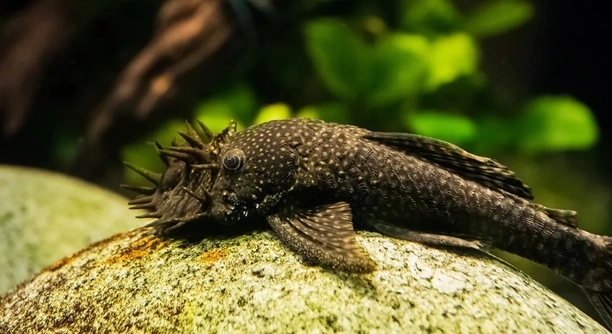
Keeping a bristlenose pleco in your aquarium can be rewarding, but their aggressive behavior sometimes surprises even experienced fish keepers. Understanding their temperament and knowing how to respond is important for maintaining a peaceful tank environment.
The most effective way to handle an aggressive bristlenose is to provide ample hiding spaces, maintain proper tank size, and monitor feeding routines. Consistent care and observation reduce stress and territorial disputes, promoting a calmer and healthier environment for all tank inhabitants.
Learning a few simple strategies can make your aquarium experience more enjoyable and prevent ongoing conflicts between your fish.
Recognizing Aggressive Behavior
Aggressive behavior in bristlenose plecos can show in several ways. They may chase other fish, flare their fins, or ram into tank mates. Often, aggression peaks during feeding times or when they feel their territory is threatened. Understanding the signs early helps prevent stress for all your fish. Observing your pleco’s patterns over time will reveal triggers. Some fish become more dominant as they grow, and aggression may increase if the tank is crowded or hiding spots are limited. Noticing subtle signs, like minor nudges or short bursts of chasing, is just as important as reacting to overt attacks. Aggression can sometimes be seasonal, tied to breeding cycles. By being mindful of these behaviors, you can intervene before disputes escalate. A calm environment, consistent feeding, and attention to tank layout often reduce aggressive tendencies. Early recognition allows you to create strategies that keep both your pleco and other fish safe.
Maintaining multiple hiding spots helps reduce conflicts. Natural decorations and caves give your pleco a secure territory.
Being aware of aggression patterns and adjusting the tank setup accordingly allows for a healthier aquarium dynamic. Over time, your pleco may become less hostile when it feels safe and unthreatened by its surroundings, improving overall tank harmony.
Adjusting the Tank Environment
Adding hiding places can significantly reduce aggressive incidents. Plecos like caves, driftwood, and dense plants for privacy.
Rearranging the tank periodically can also help. When your pleco establishes a territory, sudden changes might provoke temporary aggression. Start by observing which areas it prefers, then gradually introduce new decorations or additional hiding spots. Ensuring each fish has its own space minimizes competition. Tank size plays a critical role; smaller tanks increase stress and trigger dominance disputes. Overcrowding amplifies aggressive tendencies, so spacing is essential. Feeding routines also affect behavior—scattering food across the tank reduces competition. Maintaining clean water is equally important, as poor conditions stress plecos and exacerbate aggression. Monitoring interactions and making small adjustments fosters a balanced environment. Consistency and patience are key. By creating secure areas, managing population density, and supporting a stable routine, you reduce the likelihood of conflict. A well-structured tank benefits both your pleco and other fish, ensuring a calmer, healthier habitat for everyone involved.
Feeding Strategies
Feeding at consistent times helps reduce aggression. Offering a variety of foods ensures your pleco doesn’t compete with tank mates for the same resources.
Distributing food across multiple locations prevents territorial fights. Bristlenose plecos enjoy algae wafers, fresh vegetables, and occasional protein treats. By spreading food, you allow shy or smaller fish to eat safely. Observing how your pleco reacts during feeding helps you adjust portions and locations. Some plecos can be possessive of their favorite feeding spots, so rotating where food is placed encourages calmer behavior. Feeding in smaller amounts multiple times a day can also reduce tension and keep all fish satisfied.
Avoid overfeeding, as leftover food can cause water quality issues and increase stress. Maintaining clean water and a balanced diet keeps your pleco healthy and less likely to act out aggressively. Feeding strategies directly influence peace in your aquarium.
Handling Conflicts
Separate fish temporarily if aggression escalates. This prevents injuries and allows recovery.
Watching interactions carefully helps identify triggers. Aggression often occurs near favored hiding spots, during feeding, or when a new fish is introduced. By isolating the pleco or rearranging decorations, you can break established dominance patterns. Introducing additional hiding spaces or barriers helps reduce tension. In some cases, adding more tank mates of similar size can diffuse attention and prevent a single fish from dominating. Consistent monitoring is key; intervene when chasing turns into harm. Patience and observation ensure a calmer tank over time, reducing stress for all your fish.
Creating Safe Spaces
Hiding spots reduce stress and aggression. Driftwood, caves, and dense plants give your pleco private areas to retreat and feel secure.
Separate territories help prevent conflicts. Giving each fish a defined area lowers competition and promotes a calmer environment, especially in smaller tanks.
Monitoring Tank Conditions
Regular water testing is essential. Ammonia, nitrite, and nitrate levels should stay within safe limits. Stable temperature and pH reduce stress, which in turn minimizes aggressive behavior. Watching water quality consistently helps you intervene before problems trigger conflicts.
Choosing Compatible Tank Mates
Pick fish that are peaceful and can handle occasional chasing. Avoid highly aggressive or territorial species that may provoke your pleco. Compatibility ensures all fish share the tank without constant disputes.
FAQ
How do I know if my bristlenose is truly aggressive or just active?
Bristlenose plecos can be active without being aggressive. True aggression shows as chasing, ramming, or constant territorial displays. Observing how your pleco interacts with other fish during feeding and in hiding areas helps you determine whether behavior is normal or needs intervention.
Can aggression be reduced without separating fish?
Yes, providing hiding spots, proper tank size, and evenly distributed food can reduce aggression. Rearranging decorations or adding caves allows each fish its own territory. Small changes often calm dominant behavior and prevent disputes without separating fish.
Does tank size affect aggression?
Absolutely. Smaller tanks increase stress and competition for territory, making plecos more aggressive. Larger tanks with ample space for hiding and swimming reduce disputes. Maintaining a tank that suits your pleco’s adult size is essential for peaceful interactions.
Are bristlenose more aggressive during breeding?
Yes, males become territorial when breeding. They guard caves and may chase other fish. Providing multiple hiding spots and observing breeding behavior helps minimize conflicts. Aggression usually decreases after eggs are laid and fry are less vulnerable.
What foods can help reduce aggression?
Offering a variety of foods like algae wafers, blanched vegetables, and occasional protein treats prevents competition. Scattering food in multiple locations ensures all fish eat safely and lowers territorial disputes over feeding spots.
How often should I monitor water conditions?
Daily observation of fish behavior and weekly water testing for ammonia, nitrites, and nitrates is recommended. Stable water conditions reduce stress, which directly affects aggressive tendencies. Sudden changes in temperature or chemistry can trigger fights.
Is it safe to introduce new fish with an aggressive pleco?
Introducing new fish requires caution. Quarantine new additions and observe interactions closely. Rearrange decorations to reduce territorial dominance and provide hiding spaces. Gradually introducing fish prevents escalation of aggression and gives everyone space to adapt.
Do bristlenose show aggression toward all fish equally?
Not always. They often target bottom-dwellers or fish that invade their hiding spots. Mid- and top-level swimmers are usually less affected. Understanding your pleco’s preferred territory helps manage interactions and reduce stress for other tank inhabitants.
Can frequent tank rearrangement help with aggression?
Yes, occasionally moving decorations can disrupt established territories and reduce dominance fights. However, sudden changes can stress fish, so adjustments should be gradual. Observing reactions after each change ensures aggression decreases rather than worsens.
What signs indicate aggression is harming other fish?
Look for visible injuries, torn fins, or constant hiding of other fish. These signs suggest your pleco is too aggressive, and interventions such as adding hiding spaces, separating fish, or adjusting tank setup are needed immediately.
How long does it take for aggression to improve?
Improvement varies. With proper hiding spots, feeding strategies, and tank management, behavior may calm within days to weeks. Patience and consistent observation are crucial to ensure long-term harmony in the tank.
Can multiple plecos live together peacefully?
Yes, if the tank is large enough and multiple hiding spots are available. Conflicts are more likely in smaller spaces. Observing their interactions and providing clear territories ensures they coexist without continuous aggression.
Do stress factors make aggression worse?
Definitely. Poor water quality, sudden temperature changes, overcrowding, or inconsistent feeding can trigger aggressive behavior. Reducing stress through stable conditions helps your pleco act calmer and interact more peacefully with tank mates.
Should I ever separate an aggressive pleco permanently?
Permanent separation may be necessary if repeated interventions fail. Safety of other fish is the priority. Using a divider or separate tank allows everyone to thrive while minimizing stress and potential injuries.
Are male bristlenose more aggressive than females?
Typically, yes. Males defend territories, especially during breeding. Females are usually less territorial. Identifying gender and understanding breeding behavior helps predict aggression patterns and manage tank dynamics effectively.
Can aggression be prevented entirely?
Complete prevention is unlikely, as plecos are naturally territorial. However, thoughtful tank setup, hiding spots, proper feeding, and careful selection of tank mates minimize aggressive incidents and maintain a balanced aquarium environment.
Is it normal for aggression to fluctuate over time?
Yes, aggression often changes with growth, breeding cycles, or seasonal stress. Monitoring behavior and adjusting care accordingly keeps the tank peaceful and ensures all fish remain healthy.
How can I safely break up fights?
Use a gentle method like turning off lights or distracting fish with food. Avoid physically touching them, as this can stress both plecos and other fish. Intervening calmly reduces harm and prevents escalation.
Does aggression affect pleco health?
Prolonged stress from fighting can weaken the immune system and lead to illness. Ensuring a calm environment with adequate space and hiding places supports both physical and mental well-being.
Are there signs my pleco is happy and calm?
A calm pleco rests in hiding spots, eats regularly, and interacts minimally aggressively with other fish. Healthy skin, smooth fins, and steady swimming indicate comfort and reduced stress in its environment.
Can breeding increase overall aggression temporarily?
Yes, aggression spikes during breeding, primarily in males protecting eggs or fry. This is usually short-term, and aggression decreases once fry are independent or eggs hatch, provided the tank remains well-managed.
How important is observation in managing aggression?
Observation is essential. Noticing early signs, triggers, and preferred territories helps you intervene before conflicts escalate. Regular monitoring allows adjustments to feeding, tank setup, or fish placement, ensuring a harmonious environment for all inhabitants.
Can adding decorations alone solve aggression?
Decorations help but are rarely a complete solution. Combined with proper tank size, feeding strategies, and compatible tank mates, they reduce fights. Alone, decorations may only shift aggression temporarily without addressing underlying territorial behavior.
Is aggression more common in certain tank setups?
Yes, overcrowded tanks, bare-bottom setups, or poor water conditions increase aggression. Providing space, hiding spots, and stable water parameters reduces stress and limits territorial disputes. Proper planning prevents frequent conflicts.
What’s the best long-term approach to managing aggression?
The best approach combines tank size management, hiding spots, compatible fish, stable water conditions, and consistent feeding. Patience, observation, and gradual adjustments help maintain a calm, healthy tank over time while reducing pleco aggression.
Final Thoughts
Managing an aggressive bristlenose pleco requires patience and careful observation. These fish are naturally territorial, and understanding their behavior is the first step to creating a peaceful tank. Providing enough hiding spots, such as caves, driftwood, and plants, helps reduce stress and prevent conflicts. When each fish has its own space, territorial disputes are less frequent. Rearranging decorations occasionally can also help break established dominance patterns, but changes should be gradual to avoid shocking your fish. Observing their behavior regularly allows you to identify signs of tension early and adjust the tank setup accordingly. A calm environment encourages healthier interactions between your pleco and other tank mates.
Feeding strategies also play a key role in reducing aggression. Distributing food in multiple locations prevents competition and allows shy or smaller fish to eat safely. Offering a variety of foods, including algae wafers, blanched vegetables, and occasional protein treats, ensures your pleco gets proper nutrition without feeling the need to guard a single feeding spot. Feeding smaller amounts multiple times a day can help maintain a steady routine and reduce aggressive bursts during mealtime. Water quality and tank conditions also influence behavior. Stable temperature, pH, and clean water reduce stress, which in turn lowers aggressive tendencies. By keeping the tank clean and monitoring water parameters regularly, you create a healthy environment that supports calmer behavior and overall fish well-being.
It is important to remember that aggression is a natural part of a bristlenose pleco’s behavior, and it cannot always be completely eliminated. Some periods, such as breeding or growth phases, may increase territorial displays temporarily. By carefully selecting compatible tank mates and avoiding overcrowding, you can reduce the risk of constant disputes. Observation and patience are essential; sudden interventions or hasty decisions can worsen aggression. In some cases, separating the pleco temporarily or permanently may be necessary to protect other fish, but this should be a last resort after other strategies are attempted. Overall, consistent care, attention to hiding spots, proper feeding, and stable water conditions are the most effective ways to manage aggression. Following these steps helps your pleco feel secure and allows all your fish to coexist peacefully, creating a more enjoyable aquarium environment for everyone involved.

Hello,
If you enjoy the content that we create, please consider saying a "Thank You!" by leaving a tip.
Every little bit helps us continue crafting quality advice that supports the health, happiness, and well-being of pets around the world, for pets of all shapes, sizes, and species.
We really appreciate the kindness and support that you show us!