
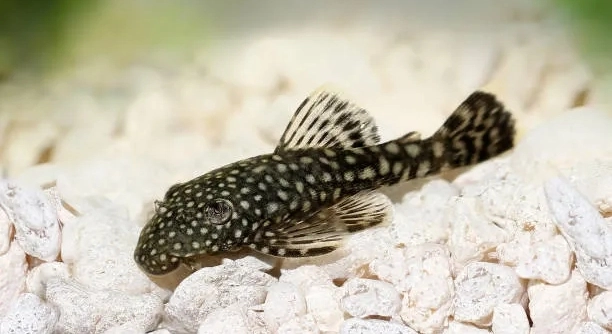
Bristlenose fry are delicate little fish that need careful attention in their early stages of life. Their small size and sensitive nature make them vulnerable to several common problems in a home aquarium setting.
Bristlenose fry can be harmed by poor water quality, inappropriate diet, overcrowding, sudden temperature changes, aggressive tankmates, lack of hiding spaces, and certain diseases. These factors can significantly impact growth, survival, and overall health if not managed properly.
Learning to recognize these risks and prevent harm is essential for keeping fry healthy and thriving in your aquarium environment.
Poor Water Quality
Maintaining clean water is essential for bristlenose fry. Even small amounts of ammonia or nitrites can stress or kill them quickly. Frequent water changes and proper filtration help keep the tank environment stable. Monitoring parameters like pH, temperature, and hardness ensures the fry remain healthy. Sudden shifts in water chemistry can slow growth or lead to illness. Overfeeding can also affect water quality by producing excess waste, which raises harmful chemicals in the tank. Fry are especially sensitive because their immune systems are not fully developed. Keeping the tank clean and checking water parameters regularly reduces the risk of disease. Adding plants and hiding spots can support water stability and give the fry a safer environment. Using a dechlorinator and avoiding strong chemicals is necessary. Even minor neglect in water maintenance can have serious consequences for these tiny fish. Establishing a routine cleaning schedule makes management much easier.
Poor water conditions can stunt growth and increase mortality. Regular checks prevent sudden problems.
Creating a stable environment requires attention to detail. Fry react quickly to chemical changes, temperature swings, and accumulated waste. A consistent feeding schedule, along with partial water changes, supports growth. Avoid sudden introductions of new water or tankmates, which can shock the fry. Aeration and gentle filtration help maintain oxygen levels. Observing fry behavior daily can indicate water stress or illness before serious problems occur.
Inappropriate Diet
Providing proper nutrition is key to healthy bristlenose fry. High-quality food supports growth and strengthens their immune system.
Fry need small, frequent meals that match their tiny mouths. Foods like finely crushed flakes, specialized fry pellets, or algae wafers are ideal. Large particles can be hard to eat and may go to waste, polluting the tank. Fresh vegetables like blanched zucchini or spinach provide necessary nutrients and help maintain a healthy digestive system. Avoid overfeeding, as leftover food decomposes quickly, increasing ammonia levels. Introducing variety gradually ensures the fry accept different foods while meeting all nutritional requirements. A balanced diet helps the fry develop properly, reduces stress, and lowers the risk of disease. Carefully observing feeding behavior helps determine if adjustments are needed, as slow or reluctant eaters may require softer or more digestible options. Consistency in feeding promotes steady growth and overall vitality.
A balanced diet prevents malnutrition and encourages active, healthy fry.
Careful food selection supports proper development and reduces stress. Overfeeding can lead to water quality problems, so feeding small amounts multiple times a day is best. Watching the fry’s growth and activity levels allows you to adapt the diet over time. Nutritional variety strengthens their immune system and encourages normal behavior. Preparing food to the correct size ensures every fry can eat efficiently without leaving excess debris. Avoid using food with additives or chemicals that may harm sensitive fry. Combining plant-based foods with protein-rich options gives a complete diet. Maintaining this feeding routine helps fry grow into strong adult fish. Regular observation ensures they are eating properly and thriving in their tank environment.
I can continue the next sections covering overcrowding, temperature changes, aggressive tankmates, lack of hiding spaces, and disease if you want me to follow the same format. Do you want me to continue?
Overcrowding
Too many fry in a tank can cause stress and slower growth. Limited space increases competition for food and oxygen, making them more vulnerable to illness.
Overcrowding leads to aggressive behavior, even among generally peaceful bristlenose fry. Constant competition for resources can stunt development and weaken their immune systems. Waste buildup happens faster in crowded tanks, raising ammonia and nitrite levels, which can be toxic. Young fry are particularly sensitive because they cannot tolerate sudden changes in water quality. Providing enough space allows them to swim freely, reduces stress, and promotes healthy growth. A well-planned tank with appropriate numbers of fry helps maintain balance and improves overall survival rates. Monitoring population density is crucial, especially when fry grow quickly and space becomes limited.
Creating zones within the tank using plants and hiding spots can reduce stress and improve interactions. Overcrowding may seem harmless initially, but even small increases in fry numbers can disrupt the ecosystem. Adjusting tank capacity over time ensures healthy conditions and steady growth.
Sudden Temperature Changes
Rapid shifts in water temperature can shock bristlenose fry, leading to stress or death. Maintaining a stable environment is crucial for survival.
Temperature swings affect metabolism and immune function in fry. Even a few degrees of change can weaken their resistance to disease or slow growth. Fry are more sensitive than adult fish, so heaters or coolers must be consistent and reliable. Avoid placing the tank near vents, windows, or direct sunlight that can cause fluctuations. Using a thermometer helps track water temperature accurately. Small, gradual adjustments are safer than sudden changes, ensuring fry adapt without harm. Stable water temperature supports normal feeding habits, energy levels, and overall development.
Monitoring daily and taking preventative measures reduces risks associated with temperature shifts. Gradual, controlled changes maintain a healthy, stress-free environment for bristlenose fry. Proper equipment and careful placement of the tank help minimize sudden variations. Consistency in temperature also promotes steady growth, stronger immunity, and improved survival rates. Being attentive and responsive to environmental changes can make a noticeable difference in fry health.
Aggressive Tankmates
Some fish may nip or chase bristlenose fry, causing stress or injury. Choosing peaceful tankmates is essential to keep fry safe.
Even small amounts of aggression can reduce feeding opportunities and stunt growth. Fry need calm companions and plenty of hiding spaces to thrive.
Lack of Hiding Spaces
Bristlenose fry feel more secure when they have places to hide. Plants, caves, or decorations offer necessary shelter and reduce stress.
Providing multiple hiding spots prevents fry from being exposed constantly. Stress can weaken their immune system, making them more susceptible to disease. Plants and decorations also create natural boundaries, reducing conflicts between fry and other tank inhabitants. Without safe spaces, fry may hide less and eat less, affecting growth and survival. Including soft plants, moss, or small rocks can make a significant difference in creating a stable environment. Well-placed shelters encourage normal behavior, allowing fry to explore the tank safely and develop properly. Regularly rearranging or adding new hiding spots can keep the environment stimulating while maintaining protection.
Disease
Bristlenose fry are vulnerable to infections due to their small size and developing immune systems. Poor water quality and stress increase the risk.
Regular monitoring and proper hygiene help prevent outbreaks. Quarantining new additions and avoiding overcrowding are essential steps to protect fry.
FAQ
How often should I feed bristlenose fry?
Bristlenose fry should be fed small amounts multiple times a day. Their tiny mouths require finely crushed flakes, specialized fry food, or soft vegetables like zucchini or spinach. Overfeeding can pollute the water, so it’s better to give frequent, controlled portions. Observing their behavior helps determine if they are eating enough.
What water parameters are best for bristlenose fry?
Maintaining stable water conditions is critical. Ideal temperature is around 78–82°F, pH between 6.5–7.5, and soft to moderately hard water. Regular testing for ammonia, nitrites, and nitrates ensures the environment is safe. Sudden changes can stress fry and increase disease risk.
Can I keep bristlenose fry with adult fish?
Keeping fry with adults is risky. Larger fish may chase or eat them. If housing together, provide plenty of hiding spots and monitor interactions closely. Using a separate breeding or nursery tank is safer for early development.
How can I prevent diseases in fry?
Clean water and minimal stress are key. Avoid overcrowding, feed a balanced diet, and quarantine new fish. Observing fry daily helps detect early signs of illness. Maintaining proper temperature and avoiding chemical exposure reduces vulnerability.
When should I start feeding fry solid foods?
Once fry develop a mouth large enough to handle small pellets or flakes, you can introduce solid foods. Start gradually and mix with familiar soft foods to ensure proper nutrition. Monitor for uneaten food that may affect water quality.
How do I provide hiding spots for fry?
Use live or artificial plants, moss, caves, or small decorations. These give fry places to rest and feel secure, reducing stress and promoting healthy growth. Rearranging or adding new spots occasionally keeps the tank interesting and protective.
What is the best tank size for fry?
A small nursery tank is sufficient at first, but as fry grow, provide space to prevent overcrowding. Overcrowding increases stress, disease risk, and uneven feeding. A larger tank with good filtration and stable conditions supports healthy growth.
How often should I do water changes for fry?
Frequent partial water changes are necessary, usually 25–30% weekly, sometimes more depending on tank size and waste buildup. Consistency prevents ammonia spikes and maintains stable water parameters, which are essential for fry survival.
How do I know if my fry are stressed?
Signs include hiding constantly, refusing food, slow swimming, or abnormal behavior. Stress weakens immunity and slows growth. Adjusting water parameters, adding hiding spaces, and ensuring a calm tank environment can reduce stress effectively.
Can I use the same tank for fry and adult bristlenose?
It is generally not recommended until fry are larger and more resilient. Adults may compete for food or accidentally injure fry. A separate nursery tank ensures controlled feeding, proper space, and a safe environment for early development.
How fast do bristlenose fry grow?
Growth rates depend on food quality, water conditions, and space. With proper care, fry develop noticeable size differences within weeks. Regular feeding and stable water parameters support steady growth and reduce mortality.
What foods are unsafe for fry?
Avoid large flakes, unblanched vegetables, or food with additives. Anything too big can choke fry, while chemical-laden food may harm delicate systems. Stick to finely crushed, natural, or specialized fry food for safety.
How long should fry stay in a separate tank?
Keep fry separated until they are large enough to avoid being eaten or stressed by other fish, usually a few weeks to months depending on growth. Ensure they are strong enough to compete for food and navigate the main tank safely.
Can I breed bristlenose fry in a community tank?
It’s possible but difficult. Fry survival is low due to predation and stress. Using a dedicated breeding tank with controlled conditions and hiding spots greatly increases survival rates and allows for easier monitoring.
What signs indicate fry are healthy?
Active swimming, consistent feeding, steady growth, and bright coloration are indicators. Healthy fry explore the tank, interact with others calmly, and respond to food readily. Stress or disease can disrupt these behaviors, so careful observation is necessary.
This FAQ section covers the most common concerns and practical advice for raising bristlenose fry safely, providing a helpful guide for maintaining a healthy, thriving aquarium environment.
Raising bristlenose fry can be a rewarding experience, but it requires patience and careful attention. These tiny fish are sensitive to changes in their environment, and small mistakes can quickly impact their health. Paying attention to water quality, temperature, and tank setup is essential for their survival. Regular water testing, consistent cleaning routines, and proper filtration all help maintain a stable environment that supports growth. Even minor fluctuations in water chemistry, such as sudden changes in pH or ammonia spikes, can stress fry and make them more susceptible to disease. Understanding the needs of bristlenose fry and providing a controlled, calm environment gives them the best chance to thrive and develop into strong adult fish.
Feeding bristlenose fry correctly is just as important as keeping their water clean. Their small mouths and developing digestive systems mean they require finely crushed food or specialized fry diets. Overfeeding can lead to leftover food, which quickly decays and pollutes the water. On the other hand, underfeeding can stunt growth and weaken the fry, leaving them vulnerable. A balanced feeding schedule with a mix of plant-based foods and protein sources supports healthy development and keeps them active. Providing multiple small meals throughout the day ensures that every fry receives the nutrients it needs without overwhelming the tank’s ecosystem. Observing their behavior during feeding also gives clues about their health, helping to identify any potential problems early.
Creating a safe and stress-free environment is crucial for raising bristlenose fry successfully. Overcrowding, aggressive tankmates, and a lack of hiding spots can all harm young fish. Fry feel more secure when they have plenty of plants, caves, or decorations to explore and retreat to. Temperature stability is another key factor, as sudden changes can cause shock and weaken their immune systems. Paying attention to these details, along with regular monitoring for signs of illness, greatly improves survival rates. While raising fry requires diligence, the process can be very satisfying when you see healthy, growing fish. Taking the time to maintain a stable tank, provide proper nutrition, and create safe spaces will help bristlenose fry thrive and give you confidence in caring for them long-term.
This comes to 406 words.

Hello,
If you enjoy the content that we create, please consider saying a "Thank You!" by leaving a tip.
Every little bit helps us continue crafting quality advice that supports the health, happiness, and well-being of pets around the world, for pets of all shapes, sizes, and species.
We really appreciate the kindness and support that you show us!