
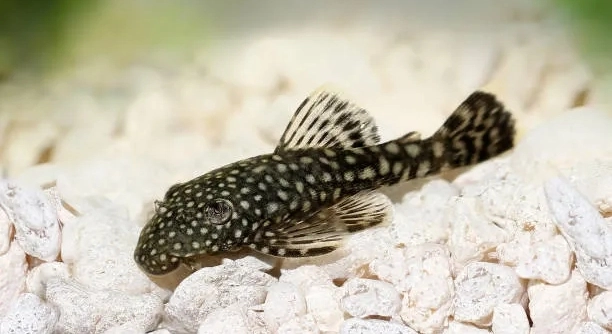
Have you ever noticed your pleco disappearing for days at a time, leaving your tank strangely quiet? Many aquarium owners experience this, often wondering why these usually active fish suddenly choose to stay hidden. Plecos have unique habits that influence their behavior.
Plecos may hide for extended periods due to stress, poor water conditions, insufficient hiding spots, illness, dietary deficiencies, aggressive tank mates, or natural nocturnal behavior. Understanding these factors is crucial to maintaining their health and observing normal behavior patterns.
Knowing the reasons behind their hiding can help you create a more comfortable environment. Simple adjustments in care often encourage plecos to feel safe and visible again.
Stress and Tank Environment
Stress is one of the main reasons plecos hide for days. Changes in water parameters, sudden movements near the tank, or loud noises can trigger anxiety in these fish. Even small adjustments, like rearranging decorations or introducing new tank mates, can make them retreat. Plecos are sensitive creatures, and stress impacts their behavior quickly. Observing their daily habits can help you spot signs of tension early. Providing a calm, stable environment with plenty of hiding spaces reduces anxiety. It is important to maintain consistent lighting and temperature as well, as abrupt changes can disturb their routine. Over time, plecos will feel secure and start exploring again once their environment feels safe. Paying attention to tank conditions and minimizing disturbances helps ensure they remain healthy and active.
A stable environment with consistent water conditions and minimal disturbances allows plecos to feel secure and reduces prolonged hiding behaviors.
When plecos feel stressed, they often retreat to caves, plants, or other hiding spots. Observing where they hide and how often gives clues about their comfort level. Adjusting tank conditions, reducing sudden changes, and ensuring compatible tank mates can significantly improve their confidence. Regular monitoring of water quality and maintaining a peaceful setting encourages plecos to be more visible and active, fostering a healthier, more natural behavior pattern over time.
Water Quality Issues
Poor water quality can make plecos hide for safety. High ammonia or nitrite levels, improper pH, or insufficient filtration affect their health and behavior.
Maintaining clean water through regular testing and changes keeps plecos comfortable and reduces hiding.
Dirty tanks lead to stress and illness in plecos. Ammonia spikes, nitrates, and fluctuating pH levels irritate their gills and digestive system, prompting them to seek refuge. Adequate filtration, regular partial water changes, and careful monitoring of water parameters are essential. A clean tank not only supports their health but also encourages normal activity. Plecos are sensitive to water chemistry, and even small deviations can cause prolonged hiding. Providing a stable, well-maintained aquatic environment helps them feel secure, eat regularly, and interact with the tank naturally. Over time, consistent care and water quality management significantly reduce long periods of hiding and improve overall vitality. Observing water parameters daily and responding promptly to issues ensures plecos thrive in their habitat.
Lack of Hiding Spots
Plecos need places to hide to feel safe. A tank with few caves, driftwood, or plants can make them anxious. Without proper shelter, they may stay in one spot for days, avoiding open areas.
Providing multiple hiding spots reduces stress and encourages natural exploration. Plecos prefer dark, enclosed spaces where they can rest during the day. Driftwood, rocks, and dense plants mimic their natural habitat, offering comfort and security. Observing their preferred spots helps you arrange the tank in ways that meet their needs. A well-structured environment balances visibility and safety, allowing plecos to move freely without feeling threatened.
In some tanks, hiding spots are present but poorly placed. High-traffic areas, strong currents, or insufficient shade can make plecos reluctant to use them. Adjusting locations, adding gentle lighting, and creating cozy corners ensures they have areas to retreat safely. Properly arranged shelters not only reduce hiding but also promote feeding, growth, and overall well-being. Watching how they interact with these spaces provides insight into their comfort and helps maintain a peaceful tank environment.
Diet and Feeding Habits
Plecos may hide if they are not getting proper nutrition. Inadequate or irregular feeding can make them stay out of sight.
A balanced diet of algae wafers, vegetables, and protein-rich foods keeps plecos active. They forage best in calm, consistent conditions.
Feeding habits directly affect their visibility. Plecos are nocturnal, so if food is offered only during the day, they may avoid the open while hungry. Providing vegetables like zucchini, spinach, and cucumber along with occasional protein treats ensures they get essential nutrients. Overfeeding can also cause hiding, as uneaten food pollutes the water and creates stress. Observing their feeding patterns and adjusting timing and variety encourages them to come out more often. Consistent feeding routines combined with water quality maintenance support both their health and active behavior.
Illness and Health Issues
Sick plecos often hide to conserve energy and avoid stress. Common signs include lethargy, faded color, or unusual spots. Hiding is a natural response to protect themselves when unwell.
Early detection is key. Observing behavior, appetite, and physical appearance helps catch problems before they worsen.
Aggressive Tank Mates
Aggressive or territorial fish can scare plecos into hiding. Even small threats can make them retreat for extended periods. Careful selection of compatible tank mates reduces stress and encourages natural behavior.
Nocturnal Behavior
Plecos are naturally nocturnal and prefer being active at night. Daytime hiding is normal and not necessarily a sign of a problem. Their activity patterns should be respected to support healthy routines.
Tank Size Limitations
Small tanks limit swimming space, causing plecos to stay hidden. Larger, well-structured tanks give them room to explore and reduce prolonged hiding.
FAQ
Why does my pleco hide all day?
Plecos are naturally nocturnal, so hiding during daylight hours is normal. They feel safer in dark, enclosed spaces while resting. Providing caves, driftwood, and plants allows them to retreat comfortably. Ensuring proper lighting, calm water, and minimal disturbances supports their natural behavior.
Could stress be causing my pleco to hide?
Yes. Changes in tank conditions, aggressive tank mates, or frequent disturbances can make plecos anxious. Stress triggers hiding and reduces activity. Maintaining a stable environment, consistent water quality, and multiple hiding spots helps them feel secure and encourages normal behavior.
How do I know if hiding is due to illness?
Look for signs like faded color, lethargy, unusual spots, or decreased appetite. Sick plecos often stay hidden longer than usual. Regularly monitoring water parameters and observing physical condition helps detect health issues early. Treating problems promptly supports recovery and reduces prolonged hiding.
Does water quality affect hiding behavior?
Absolutely. High ammonia, nitrite, or nitrate levels, fluctuating pH, or insufficient filtration can stress plecos, prompting them to stay hidden. Regular water testing, partial changes, and proper filtration create a comfortable environment. Clean water promotes activity, appetite, and overall well-being.
Can diet influence hiding habits?
Yes. Plecos need a balanced diet of vegetables, algae wafers, and occasional protein sources. Inadequate or irregular feeding can make them retreat. Feeding at night or early evening aligns with their nocturnal habits, encouraging them to leave hiding spots and eat naturally.
Do tank size and layout matter?
Smaller tanks or poorly structured setups can increase hiding behavior. Plecos need space to explore and sufficient hiding spots. Driftwood, caves, and plants help them feel secure. Proper arrangement allows natural behavior, reduces stress, and encourages activity during feeding or nighttime.
Will aggressive tank mates force plecos to hide?
Yes. Aggressive fish can intimidate plecos, making them retreat to corners or caves. Choosing peaceful, compatible species reduces hiding and stress. Observing interactions and providing multiple shelters ensures plecos can escape when threatened, maintaining safety and normal activity patterns.
How long is too long for a pleco to hide?
Short periods of hiding are normal, but prolonged hiding beyond several days may indicate stress, illness, or poor water quality. Monitoring behavior, testing water, and checking feeding patterns help identify the cause. Adjustments in care can reduce extended hiding.
Do plecos come out more at night?
Yes. Plecos are nocturnal and are most active after lights go off. Offering food in the evening or creating dimly lit areas encourages natural foraging behavior. Respecting their schedule helps maintain health and reduces daytime hiding.
Can changing the tank environment help?
Careful adjustments, like adding hiding spots, rearranging plants, or creating shaded areas, can make plecos feel secure. Sudden changes should be avoided, as abrupt shifts may increase hiding. Gradual improvements support confidence, activity, and overall well-being in the tank.
Is hiding a sign of long-term problems?
Not always. Occasional hiding is normal, especially during the day. Persistent or extreme hiding may indicate stress, poor water quality, illness, or incompatible tank mates. Observing patterns, maintaining a stable environment, and addressing potential issues ensures long-term health and normal activity.
What immediate steps can I take if my pleco hides constantly?
Check water quality and tank conditions first. Ensure proper filtration, hiding spots, and appropriate tank mates. Feed a balanced diet at suitable times. Observe for signs of illness or stress. Gradually improving the environment and monitoring behavior often encourages plecos to leave hiding and become more active.
This FAQ provides practical insights into pleco behavior, covering stress, health, diet, tank setup, and natural habits. Understanding these factors helps address hiding tendencies effectively, ensuring a healthy and comfortable environment for your pleco.
Plecos are fascinating fish with unique habits that sometimes puzzle their owners. Hiding for days is often a natural behavior, especially since many species are nocturnal and prefer resting in secluded spots during daylight. Observing a pleco’s hiding patterns can reveal a lot about its comfort level and overall well-being. When a pleco hides occasionally, it is usually just following its natural instincts. Providing a tank with adequate shelters, driftwood, plants, and calm spaces helps them feel safe and reduces stress. Understanding that hiding is often normal allows you to avoid unnecessary worry and focus on creating the best environment for your fish. Consistency in water quality, tank temperature, and lighting also supports their natural rhythms, making them more likely to explore when they feel secure.
However, prolonged hiding can sometimes signal underlying issues that require attention. Stress, poor water quality, or health problems can make plecos retreat for longer periods than usual. Paying attention to water parameters like ammonia, nitrite, and nitrate levels is essential, as these directly affect their comfort and safety. Observing physical signs such as faded colors, unusual spots, or decreased appetite can indicate illness. Addressing these problems promptly with proper water changes, treatment, or dietary adjustments helps your pleco recover and feel more confident in the tank. Aggressive tank mates or overcrowding can also cause prolonged hiding, so assessing compatibility and tank layout is equally important. Ensuring there are multiple hiding spots in quiet areas allows the fish to feel safe without isolating itself completely from the rest of the tank.
Ultimately, understanding pleco behavior requires patience and attention. Each fish has its own personality and preferred hiding spots, so observing daily habits helps you learn what makes them comfortable. Feeding routines, tank size, and the type of shelter provided all influence whether a pleco stays hidden or becomes more active. Balancing their natural nocturnal habits with proper care is key to maintaining a healthy, stress-free environment. By creating a stable, comfortable habitat and monitoring both behavior and water quality, you can ensure your pleco thrives and gradually spends more time visible and active. Respecting their instincts while addressing any potential problems allows you to enjoy their presence without unnecessary concern, making your aquarium a peaceful and balanced space for both you and your fish.

Hello,
If you enjoy the content that we create, please consider saying a "Thank You!" by leaving a tip.
Every little bit helps us continue crafting quality advice that supports the health, happiness, and well-being of pets around the world, for pets of all shapes, sizes, and species.
We really appreciate the kindness and support that you show us!