
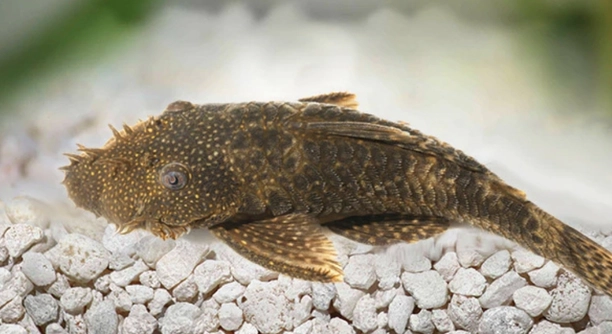
Have you ever noticed your bristlenose pleco staring at the fish food bag and wondered what types of food it can safely eat? These peaceful bottom-dwellers have specific dietary needs that owners often overlook. Knowing what to feed them helps them thrive.
Bristlenose plecos can safely eat certain frozen foods, including bloodworms, brine shrimp, and daphnia. These foods provide essential nutrients, support growth, and enhance coloration. Frozen foods should be thawed and offered in moderation alongside a balanced diet.
Understanding which frozen foods are suitable will help ensure your pleco stays healthy and active while maintaining its natural behaviors and vitality in the tank.
Types of Frozen Foods Suitable for Bristlenose Plecos
Bristlenose plecos enjoy a variety of frozen foods, and knowing which ones are safe is important for their health. Common options include bloodworms, brine shrimp, and daphnia. Bloodworms are rich in protein and help with growth, while brine shrimp provide essential nutrients and natural pigments that can enhance the pleco’s color. Daphnia is smaller and ideal for juvenile plecos, providing nutrition without overfeeding. It’s important to thaw these frozen foods before feeding to avoid shocking the fish. Some owners also include chopped vegetables like zucchini or spinach, frozen and then thawed, as a supplement to their diet. Offering a mix of protein and plant-based foods helps maintain a balanced diet. Overfeeding frozen foods can lead to poor water quality, so small portions are best. Watching how the pleco reacts to each type helps determine its preference and tolerance. Feeding consistency also supports digestive health and activity.
Frozen foods should be given in moderation to avoid water contamination. Small portions once or twice a week work well.
Providing frozen foods occasionally keeps your pleco interested and ensures it receives vital nutrients for healthy growth, color, and overall wellbeing in the tank environment.
How to Prepare Frozen Foods for Plecos
Thawing frozen foods before feeding prevents digestive stress in bristlenose plecos. Frozen items can be rinsed with tank water or left at room temperature briefly.
Once thawed, foods should be cut into bite-sized pieces if needed. Bloodworms or brine shrimp can be offered directly, while vegetables may need gentle chopping. Proper preparation ensures that the pleco can easily consume the food without waste. Avoid adding frozen food directly to the tank while still icy, as sudden temperature changes can shock your fish. Observing how the pleco eats during feeding will help identify which items it prefers and which should be offered less frequently. Feeding small, consistent amounts prevents uneaten food from decaying and affecting water quality. Alternating frozen foods with algae wafers or fresh vegetables provides a balanced diet and supports natural foraging behavior. Over time, you can note patterns in feeding preferences and adjust the portions accordingly, ensuring the pleco remains healthy, active, and maintains vibrant coloration. Proper preparation, portioning, and observation are key to a successful feeding routine with frozen foods.
Frequency of Feeding Frozen Foods
Frozen foods should not replace the pleco’s regular diet. Offering them once or twice a week is sufficient to provide extra protein and nutrients without overfeeding. Consistency in portion size helps maintain tank water quality.
Balancing frozen foods with staple items like algae wafers, fresh vegetables, or sinking pellets is important. Overfeeding protein-rich foods can lead to digestive issues and poor water quality. Observing your pleco’s appetite and behavior will help determine the right frequency. Some plecos may prefer certain frozen foods over others, so rotating options can keep feeding interesting and ensure proper nutrition.
Feeding frozen foods occasionally encourages natural foraging behavior. Small portions prevent leftover food from decomposing in the tank, which can affect water parameters. Keeping a routine ensures your pleco receives nutrients without compromising tank cleanliness or health.
Storage and Handling Tips
Frozen foods should be stored in a dedicated freezer, away from strong-smelling items to prevent contamination. Keep packaging sealed to maintain freshness and avoid freezer burn.
Thawed foods should be used immediately and never refrozen, as this can reduce nutritional value and introduce bacteria. Using clean tools or containers to portion foods helps prevent contamination. Labeling packages with the date of freezing is a simple way to track freshness. Some owners pre-portion frozen foods into small, tank-appropriate servings to make feeding easier. Avoid leaving thawed foods out for long periods; brief thawing is sufficient. Maintaining proper storage practices ensures that the pleco receives safe and nutritious meals, while also protecting water quality.
Proper handling from freezer to tank is key for health. Thawing, portioning, and careful feeding routines prevent waste and support the pleco’s digestive and overall health. Consistency in storage and feeding practices will help your pleco thrive in its environment while minimizing risks from spoiled or contaminated food.
Signs Your Pleco Enjoys Frozen Foods
Healthy interest in frozen foods is shown by active swimming toward the food and eagerly picking it up. Plecos that nibble consistently are usually thriving and adapting well.
Refusal or ignoring frozen foods may indicate preference for other foods or a need to adjust preparation. Observing these behaviors helps in providing the right diet and ensures the pleco’s needs are met without overfeeding or causing stress.
Common Frozen Food Mistakes
Overfeeding frozen foods can quickly degrade water quality and cause digestive problems. Offering too much protein disrupts the balance of a pleco’s diet and can lead to bloating or constipation. Moderation is key.
Variety should be maintained with vegetables and algae wafers to avoid nutrient deficiencies. Thawing food improperly or leaving it in the tank too long can introduce bacteria. Rotating different frozen items and monitoring portions ensures health while preventing tank issues. Feeding at predictable times helps plecos anticipate meals without overeating, supporting stable growth, proper digestion, and overall vitality in a controlled aquarium environment.
Choosing the Right Frozen Food Brand
Select brands that are reputable, preservative-free, and rich in nutrients. Quality ensures safety and health.
Always check labels for protein content and avoid products with fillers. Fresh, clean, nutrient-rich frozen foods support your pleco’s growth, color, and activity, making careful selection essential.
FAQ
Can bristlenose plecos eat frozen vegetables?
Yes, bristlenose plecos can eat certain frozen vegetables like zucchini, spinach, or peas. These should be thawed before feeding and offered in small, manageable pieces. Vegetables provide fiber and support digestion, complementing the protein from frozen foods. Rotating vegetables ensures a balanced diet.
How often should frozen foods be offered?
Frozen foods should be offered once or twice a week. Overfeeding protein-rich foods can lead to bloating or poor water quality. Combining frozen foods with algae wafers and fresh vegetables maintains a healthy balance and ensures your pleco receives all essential nutrients.
Do I need to thaw frozen foods before feeding?
Yes, thawing is important. Giving frozen foods directly from the freezer can shock your pleco’s digestive system. Thaw foods at room temperature or rinse with tank water briefly. Never refreeze thawed portions, as this reduces nutritional value and can introduce bacteria.
Can frozen foods replace algae wafers?
Frozen foods cannot replace algae wafers entirely. Plecos require plant matter in their diet, and algae wafers provide essential nutrients that protein-rich frozen foods lack. Combining both ensures growth, proper digestion, and vibrant coloration. Offering a mix supports natural foraging behavior.
How do I know if my pleco likes frozen foods?
A pleco that eagerly approaches and eats the frozen food is showing interest. If it ignores the food, it may prefer other types or need smaller portions. Observing feeding behavior helps determine which foods are most suitable and prevents overfeeding or waste.
What frozen foods are safest for juvenile plecos?
Juvenile plecos do well with finely chopped or small frozen items like daphnia or baby brine shrimp. These foods are easy to digest and provide necessary protein for growth. Avoid large portions or hard-to-eat items, which may cause choking or nutritional imbalance.
Can frozen foods affect water quality?
Yes, uneaten or excessive frozen foods can decompose and pollute the tank. Feed small amounts and remove leftovers quickly. Maintaining proper feeding habits prevents ammonia spikes and ensures the pleco remains healthy in a stable environment.
Are all frozen food brands safe for plecos?
Not all brands are equal. Choose reputable brands that are free from preservatives and fillers. Check protein content and ensure the product is suitable for freshwater fish. High-quality frozen foods provide essential nutrients without compromising your pleco’s health.
Can frozen foods improve pleco coloration?
Yes, certain frozen foods like brine shrimp and bloodworms contain natural pigments. Regular, moderate feeding can enhance coloration over time. Pairing these foods with plant matter ensures a balanced diet while supporting vibrant skin and fin appearance.
How should I store frozen foods?
Keep frozen foods in a dedicated freezer, sealed tightly to avoid contamination or freezer burn. Label with the freezing date and portion into tank-appropriate amounts. Thawed food should be used immediately to maintain nutritional value and prevent bacteria growth.
What if my pleco refuses frozen foods?
If refusal occurs, try offering smaller portions or different types. Some plecos prefer certain textures or flavors. Pair frozen foods with familiar items like algae wafers or vegetables to encourage acceptance. Patience and observation are key to adapting feeding habits successfully.
Can overfeeding frozen foods harm plecos?
Yes, overfeeding can lead to bloating, constipation, and poor water conditions. Stick to small, scheduled portions and combine with a balanced diet. Monitoring the pleco’s response helps prevent health problems and keeps the tank clean.
Do frozen foods affect pleco behavior?
Properly fed plecos remain active and show normal foraging behavior. Overfeeding or inconsistent feeding may lead to lethargy or aggression. Observing feeding responses ensures they remain engaged, healthy, and maintain natural behaviors in the aquarium.
Are frozen foods better than live foods?
Frozen foods are convenient and safe, reducing risk of disease compared to live foods. They retain nutrients and can be stored easily. While live foods provide stimulation, a combination of frozen, vegetables, and wafers meets nutritional needs and promotes healthy growth.
Can I feed frozen foods every day?
Daily feeding of frozen foods is not recommended. Excess protein can stress the digestive system and degrade water quality. Stick to once or twice weekly, paired with algae wafers and vegetables, to maintain balance and support long-term health.
How do I introduce frozen foods to a new pleco?
Start with small portions alongside familiar foods. Observe feeding behavior and adjust portions gradually. Thaw and rinse foods to make them more appealing. Slowly incorporating frozen foods helps the pleco accept new items without stress or digestive issues.
Are there frozen foods to avoid?
Avoid frozen foods with added preservatives, colorings, or high-fat content. Some commercially available mixes contain fillers that offer little nutritional value. Stick to single-ingredient, high-quality frozen foods that meet protein needs and are safe for freshwater fish.
Can frozen foods help picky plecos?
Yes, variety can encourage picky eaters to try new foods. Rotating types like bloodworms, brine shrimp, and daphnia keeps feeding interesting. Combining with vegetables and algae wafers ensures nutrition while addressing selective eating habits without overfeeding or waste.
Do frozen foods replace natural foraging behavior?
Frozen foods do not replace foraging. Plecos still graze on algae and explore surfaces. Providing a mix of frozen foods and plant matter encourages natural feeding behavior while delivering essential nutrients, supporting both health and activity in the tank.
Can frozen foods cause allergies or reactions?
Allergic reactions in plecos are rare. Some may experience digestive sensitivity if overfed or given unsuitable frozen foods. Monitor for bloating, unusual waste, or lethargy, and adjust diet accordingly. Introducing foods gradually reduces potential digestive stress and supports overall well-being.
Are there signs of nutritional deficiency from frozen foods?
Relying only on frozen protein foods can lead to deficiencies. Signs include dull coloration, poor growth, or reduced activity. Combining frozen foods with vegetables and algae wafers ensures balanced nutrition, supporting health, proper digestion, and natural behavior in bristlenose plecos.
How can I make frozen foods more appealing?
Slightly warming or rinsing frozen foods with tank water can improve appeal. Cutting into smaller pieces helps plecos eat more easily. Pairing with familiar foods encourages acceptance. Observing reactions allows for portion adjustments and ensures food is consumed efficiently, preventing waste and maintaining water quality.
Can frozen foods replace a natural diet completely?
Frozen foods should never fully replace a natural diet. While they provide protein and nutrients, plant matter and algae are essential for fiber and digestive health. A balanced diet combining frozen foods, algae wafers, and fresh vegetables ensures your pleco thrives, maintains vibrant coloration, and supports overall well-being.
Do frozen foods affect pleco lifespan?
When fed appropriately, frozen foods can support health and longevity. Overfeeding or imbalance can cause stress, digestive issues, or poor water quality, which may shorten lifespan. Following proper feeding routines with moderation helps ensure a healthy, active life in the aquarium.
Can frozen foods help sick or recovering plecos?
High-quality frozen foods can support recovery by providing easily digestible protein. Thawed foods should be offered in small portions to avoid stress. Pairing with vegetables ensures a balanced diet, aiding immune function and gradual restoration of energy, coloration, and overall vitality.
How do I track frozen food consumption?
Keep a feeding log noting type, portion, and frequency. Observing appetite, behavior, and waste helps assess nutritional balance. Adjust portions as needed. Tracking ensures consistency, prevents overfeeding, and supports water quality while maintaining the pleco’s health and growth.
Are frozen foods more convenient than live foods?
Yes, frozen foods are easier to store and portion without the risk of introducing disease. They provide similar nutrients as live foods and can be offered at scheduled times, making feeding routines manageable while supporting the pleco’s dietary needs.
Do plecos need a variety of frozen foods?
Variety prevents nutritional gaps and keeps feeding engaging. Alternating bloodworms, brine shrimp, and daphnia ensures protein balance, natural pigments, and healthy growth. Combined with vegetables and algae wafers, variety promotes a well-rounded diet, healthy digestion, and active behavior in the tank.
Can frozen foods affect tank maintenance?
Excess or uneaten frozen foods can increase ammonia and nitrate levels. Feeding small portions, removing leftovers promptly, and maintaining water quality prevents tank issues. Proper feeding routines protect pleco health, water stability, and reduce cleaning frequency while supporting a thriving aquarium environment.
Is it safe to feed frozen foods during winter?
Yes, frozen foods remain safe year-round if properly stored and thawed. Seasonal changes do not affect nutritional content. Maintaining a consistent feeding routine supports the pleco’s health, activity level, and growth regardless of ambient temperatures.
How do I combine frozen foods with vegetables?
Offer small portions of thawed frozen foods alongside blanched or thawed vegetables. This ensures a balanced diet of protein and fiber. Combining textures encourages natural grazing behavior and prevents over-reliance on protein, promoting digestive health and overall vitality in bristlenose plecos.
Can frozen foods reduce algae grazing?
Frozen foods supplement but do not replace algae grazing. Plecos continue exploring surfaces and consuming natural algae. Providing frozen foods alongside algae wafers and vegetables maintains activity, supports digestion, and ensures balanced nutrition without reducing natural feeding behaviors.
Do frozen foods need supplements?
High-quality frozen foods generally contain essential nutrients, but combining with vegetables and algae wafers ensures adequate fiber, vitamins, and minerals. Occasional supplementation is unnecessary if diet variety is maintained. Monitoring health and growth helps identify any gaps in nutrition.
Are frozen foods suitable for all pleco sizes?
Frozen foods can be adapted for size by cutting or offering smaller items. Juveniles need finely chopped or smaller items like daphnia, while adults can handle larger portions like bloodworms. Proper sizing prevents choking and ensures efficient consumption.
How do I prevent frozen food waste?
Pre-portioning thawed foods, observing feeding times, and removing uneaten items prevents waste. Feeding smaller amounts multiple times is better than a large single portion. Waste reduction protects water quality and ensures plecos consume nutrients efficiently, supporting tank health.
Can frozen foods improve breeding conditions?
Providing high-quality protein and plant matter can support breeding by improving health, energy, and vitality. Balanced nutrition enhances fertility, encourages natural behaviors, and helps fry grow. Rotating frozen foods with vegetables and algae wafers ensures optimal reproductive health.
Do frozen foods attract other tank inhabitants?
Yes, other fish may compete for frozen foods. Monitoring feeding ensures plecos get their portion. Separating feeding zones or offering foods directly to the pleco helps prevent competition and ensures proper nutrition for all tank residents.
Are frozen foods cost-effective?
Frozen foods are convenient, storeable, and reduce waste when portioned correctly. Although slightly more expensive than dried foods, the nutritional benefits and reduced risk of disease justify the cost, supporting long-term pleco health.
Can frozen foods be part of a long-term diet?
Yes, when combined with algae wafers and vegetables, frozen foods provide a sustainable, nutritious supplement. Proper rotation, moderation, and preparation ensure long-term health, supporting digestion, coloration, growth, and natural behaviors over the pleco’s lifetime.
How do I know when to stop feeding frozen foods?
Observe appetite, waste, and activity. If overfeeding leads to leftover food, bloating, or poor water quality, reduce portions. Adjusting based on observation ensures frozen foods remain a beneficial supplement without harming health or tank conditions.
Is it okay to mix different frozen foods at once?
Mixing small amounts of compatible frozen foods is acceptable. Avoid excessive variety in a single feeding, as it may overfeed or overwhelm the pleco. Rotating foods across feedings provides balanced nutrients without compromising digestion or water quality.
Can frozen foods replace live plants in diet?
No, frozen foods cannot replace live or blanched plant matter. Plecos need fiber and nutrients from vegetables or algae wafers for digestion. Combining both ensures proper health, growth, and natural behaviors.
How do frozen foods affect pleco activity?
Proper feeding encourages active foraging and normal movement. Overfeeding or imbalance may cause lethargy. Observing reactions ensures frozen foods enhance vitality without affecting behavior, supporting a healthy and engaged pleco in the aquarium environment.
Do frozen foods cause digestive issues?
Overfeeding or feeding unsuitable items can cause bloating or constipation. Portion control, thawing, and combining with vegetables prevent digestive problems. Monitoring waste and behavior helps maintain gastrointestinal health and overall well-being in bristlenose plecos.
Can frozen foods improve immune system?
High-quality frozen foods supply protein, vitamins, and minerals, supporting immunity. Combined with a varied diet, they help plecos resist disease, recover from stress, and maintain vitality. Proper feeding routines enhance overall health and resilience in the aquarium.
Is frozen food feeding different for multiple plecos?
Yes, portioning and observation are key. Ensure all plecos receive adequate food without overfeeding. Providing multiple feeding spots or small portions prevents competition, ensures proper nutrition, and maintains water quality when housing more than one pleco.
Do frozen foods need water rinsing before feeding?
Rinsing with tank water is optional but recommended. It removes excess ice crystals and reduces temperature shock, making foods more appealing and easier to digest for plecos. Proper preparation supports feeding efficiency and health.
Can frozen foods be mixed with dry foods?
Yes, combining small amounts of frozen and dry foods is effective. It balances protein, fiber, and essential nutrients. Rotating frozen foods with algae wafers and vegetables provides a complete diet, supporting health, growth, and coloration consistently.
Are there seasonal considerations for frozen food feeding?
Feeding routines remain consistent year-round. Seasonal water temperature changes may affect appetite slightly. Monitoring intake ensures adequate nutrition without overfeeding. Frozen foods retain their nutritional value regardless of season, supporting stable growth and health.
Do frozen foods affect tank maintenance routines?
Yes, excess or uneaten food increases cleaning needs and affects water parameters. Small, measured portions reduce waste and maintain water quality. Consistent monitoring ensures frozen foods support health without adding maintenance challenges.
Can frozen foods be used to condition plecos for breeding?
Yes, protein-rich frozen foods can improve energy, vitality, and reproductive readiness. Paired with vegetables and algae wafers, they support nutritional balance and encourage natural breeding behaviors, ensuring healthy fry growth.
How do I transition plecos to frozen foods?
Start with small portions alongside familiar foods. Thaw and rinse frozen foods for better acceptance. Gradually increase portions over time while monitoring reactions. Consistent, patient feeding helps plecos adjust without stress or digestive upset.
Are all plecos receptive to frozen foods?
Most bristlenose plecos accept frozen foods, but individual preferences vary. Observation and experimentation with textures and types help identify favorites, ensuring proper nutrition while avoiding waste or frustration during feeding sessions.
Do frozen foods affect water pH or hardness?
Frozen foods have minimal impact on water chemistry when fed properly. Uneaten portions can decompose, slightly affecting pH or ammonia levels. Proper feeding and prompt removal of leftovers maintain stable water conditions, supporting overall pleco health.
Can frozen foods be part of a picky eater’s diet?
Yes, rotating types like bloodworms, brine shrimp, and daphnia often encourages picky plecos to eat. Pairing with vegetables or algae wafers ensures balanced nutrition while keeping feeding engaging and effective.
Are there special precautions for juvenile plecos?
Juveniles need smaller, softer portions of frozen foods like finely chopped daphnia. Overfeeding or large pieces can cause choking or digestive problems. Careful observation ensures proper growth and nutrition without stressing their delicate systems.
Can frozen foods replace occasional live feedings?
Yes, high-quality frozen foods provide similar nutrients and are safer than live foods. They reduce disease risk and simplify feeding routines while supporting protein requirements. Combining with plant matter maintains a balanced, complete diet.
Do frozen foods need vitamin supplements?
When a varied diet is provided, additional supplements are usually unnecessary. Rotating frozen foods with vegetables and algae wafers ensures essential vitamins, minerals, and fiber, supporting overall health, growth, and activity in plecos.
Can frozen foods improve coloration long-term?
Yes, foods like bloodworms and brine shrimp contain natural pigments that enhance coloration gradually. Combined with a balanced diet, proper feeding routines support sustained vibrancy and overall health in bristlenose plecos.
Are there storage tips to maximize frozen food nutrition?
Keep frozen foods sealed, away from strong odors, and labeled with dates. Pre-portion for single feedings to avoid repeated thawing. Proper storage preserves nutrients, prevents contamination, and ensures your pleco receives high-quality food consistently.
Can frozen foods be used during quarantine?
Yes, frozen foods are safe for quarantined plecos and help maintain nutrition without introducing disease. Thawing properly and offering small portions ensures palatability while supporting health during isolation.
Do frozen foods help with aggressive tank mates?
Providing frozen foods directly to the pleco or in multiple feeding spots reduces competition from other fish. This ensures the pleco gets adequate nutrition while minimizing stress from tankmates.
Can frozen foods be over-rotated?
Yes, too much rotation can confuse picky plecos or lead to overfeeding. Stick to a consistent rotation schedule with a balance of frozen items, vegetables, and algae wafers to maintain nutritional stability.
Are frozen foods suitable for older plecos?
Older plecos benefit from easily digestible frozen foods. Soft, thawed items reduce stress on the digestive system while providing protein and nutrients. Balancing with vegetables and wafers ensures long-term health and vitality.
Can frozen foods replace flakes?
Flakes are rarely used for plecos, as they prefer sinking foods. Frozen foods supplement protein needs, while algae wafers and vegetables provide essential plant matter. Combined, they cover all dietary requirements effectively.
Do frozen foods affect tank cleaning frequency?
Feeding in small portions and removing leftovers minimizes waste, helping maintain water quality. Overfeeding increases cleaning needs, while proper portioning keeps maintenance manageable and protects the pleco’s environment.
Can frozen foods be flavored or enhanced?
Avoid artificial flavorings. High-quality frozen foods are already nutrient-rich and palatable. Altering them may harm health. Natural supplementation with vegetables ensures variety without introducing harmful additives.
Do frozen foods require special feeding tools?
Not necessarily. Tweezers or small spoons can help place foods directly near the pleco. Pre-portioning ensures accurate feeding and prevents waste while supporting targeted nutrition.
How long can frozen foods be kept safely?
Most frozen foods last several months when properly stored. Check packaging for specific guidance and avoid freezer burn. Using the oldest stock first ensures nutritional quality and reduces waste.
Can frozen foods help with pleco weight gain?
Yes, protein-rich frozen foods can support healthy weight gain when offered in moderation alongside
Bristlenose plecos are unique fish that benefit from a balanced and varied diet. Frozen foods can be a valuable supplement to their daily meals when offered correctly. These foods, such as bloodworms, brine shrimp, and daphnia, provide extra protein and nutrients that support growth, overall health, and vibrant coloration. They should always be thawed before feeding, and portions should be kept small to prevent overfeeding and water quality issues. While frozen foods are useful, they are not a replacement for staple items like algae wafers and fresh vegetables. A combination of these foods ensures the pleco receives the right balance of protein, fiber, and essential vitamins and minerals. Observing your pleco’s eating habits will help determine which frozen foods it prefers, and rotating different types can help maintain interest and provide a wider range of nutrients.
Feeding frozen foods also encourages natural foraging behavior, which is important for the pleco’s physical and mental well-being. Proper preparation, such as rinsing or chopping thawed foods into small pieces, ensures that the pleco can eat them easily without waste or stress. Overfeeding frozen foods can lead to bloating, digestive problems, or poor water quality, so careful portioning and monitoring are necessary. Storage is equally important; keeping frozen foods sealed and at a consistent temperature preserves nutrients and prevents contamination. Preparing foods in small, tank-appropriate portions can make feeding simpler and helps prevent leftover food from decomposing in the tank. By paying attention to storage, preparation, and feeding routines, you can create a healthier environment for your pleco while maximizing the benefits of frozen foods.
Including frozen foods in a bristlenose pleco’s diet requires balance, attention, and consistency. These foods are excellent for providing variety and enhancing nutrition, but they should be combined with algae wafers and vegetables to meet all dietary needs. Watching the pleco’s behavior, appetite, and waste helps identify the right types and amounts of frozen foods, ensuring health and preventing tank issues. Rotating different frozen foods gradually introduces variety without overwhelming the fish. Over time, this approach supports natural behaviors, encourages active feeding, and maintains a stable, clean tank environment. When used responsibly, frozen foods can significantly contribute to your pleco’s long-term health, growth, and coloration. Careful planning, observation, and moderation make it possible to enjoy the benefits of frozen foods while keeping the pleco happy and thriving in its aquarium. This balanced approach allows owners to provide a nutritious, safe, and enjoyable diet for their bristlenose plecos without compromising their well-being.

Hello,
If you enjoy the content that we create, please consider saying a "Thank You!" by leaving a tip.
Every little bit helps us continue crafting quality advice that supports the health, happiness, and well-being of pets around the world, for pets of all shapes, sizes, and species.
We really appreciate the kindness and support that you show us!