
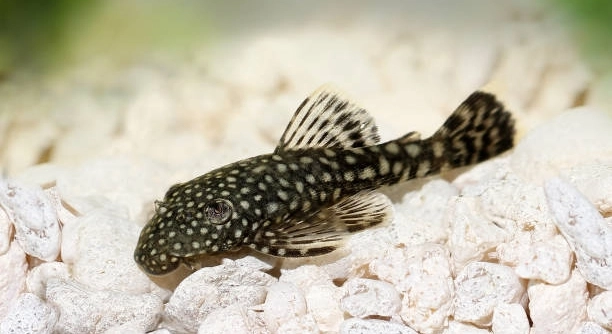
Have you ever noticed your plecos struggling to find comfortable hiding spots or smooth surfaces in their tank? Many fish owners overlook simple changes that can make a big difference in their pets’ daily life and health.
Adding proper hiding places, smooth surfaces, and gentle water flow are essential upgrades for pleco tanks. These improvements reduce stress, support natural behaviors, and enhance overall health, ensuring plecos thrive in a safe and suitable environment.
These small adjustments may seem minor, but they can greatly improve your plecos’ comfort and activity levels.
Smooth Hiding Spots
Plecos feel safest when they have smooth surfaces to rest on and hide behind. Rough decorations or sharp rocks can injure their delicate fins or scrape their bodies. Adding smooth caves, driftwood, or rounded stones allows them to explore without risk. Many plecos enjoy resting under driftwood because it mimics their natural environment and offers protection. It’s important to place these hiding spots in quiet areas of the tank, away from strong currents or constant activity. Some plecos prefer low-light zones, so pairing smooth surfaces with subdued lighting can make them more comfortable. These hiding areas also reduce stress, which supports better appetite and healthier growth. Observing your plecos choosing different spots during the day can give you insight into their preferences. Rotating decorations occasionally keeps the tank interesting, but always ensure any new items are smooth and safe. With thoughtful placement, your plecos will feel secure, allowing their natural behavior to thrive fully.
Providing smooth hiding areas ensures plecos have safe places to rest and reduce stress, supporting overall health and well-being.
Arranging multiple hiding spots creates options for each pleco in the tank. Some may prefer driftwood, while others explore small caves or smooth rocks. Rotating these locations occasionally keeps their environment engaging.
Gentle Water Flow
Plecos are sensitive to strong currents, which can tire them out and prevent proper feeding. A tank filter with adjustable flow works best, letting you create gentle movement throughout the aquarium. Observing your plecos will help determine if the flow is comfortable. If they constantly cling to surfaces or drift uneasily, the current is too strong. Using plants or decorations can help break up the water flow in open areas, giving your fish calmer zones to explore. Even a few strategically placed decorations can make a big difference in how your plecos interact with their space. Additionally, reducing turbulence improves oxygen distribution without stressing the fish. Balancing current strength and placement is essential for their overall comfort and allows natural behaviors such as grazing and resting to occur. Over time, a gentle flow encourages healthier fins, reduces injuries, and promotes active, confident swimming. Adjusting water movement carefully ensures each pleco can enjoy its environment safely.
Proper Lighting
Plecos prefer dim lighting that mimics their natural habitats. Bright lights can stress them and make them hide more often. Using subdued or shaded lighting helps them feel secure and encourages normal activity.
Providing gentle lighting encourages plecos to explore without stress. Low-intensity lights or floating plants create shaded areas, giving plecos a sense of safety. Avoid placing bright bulbs directly above their resting spots, as prolonged exposure can affect their health. Timed lighting that simulates natural day and night cycles helps regulate their behavior, feeding, and sleep patterns. Observing how your plecos respond to different lighting levels allows you to adjust for comfort and visibility, balancing your needs with theirs. Ensuring areas with gentle illumination also highlights decorations and plants, giving the tank a calm and natural feel while keeping plecos engaged.
Dim lighting not only reduces stress but also enhances their natural colors. Plecos are more active and visible under soft, indirect light. Adding floating plants or driftwood can help diffuse light further, creating pockets of shade where plecos feel safe. This setup encourages them to graze and swim naturally without hiding excessively. Gentle lighting also prevents algae overgrowth in high-light areas, maintaining a healthier tank environment. By paying attention to how plecos react to light intensity, you can fine-tune their habitat for optimal comfort and activity. Soft light makes the tank look appealing and keeps your fish relaxed.
Nutrient-Rich Substrate
A nutrient-rich substrate supports plecos’ grazing habits. Substrates with added minerals or bioactive properties provide a natural surface for algae and bacteria, which plecos feed on.
Using a substrate that encourages natural feeding promotes healthier plecos. Fine gravel or sand mixed with bioactive elements allows beneficial bacteria to thrive, creating a micro-ecosystem. Plecos often sift through the substrate while grazing, so soft textures prevent injury and encourage natural foraging behaviors. Substrate depth matters too; deeper layers provide better opportunities for bacteria and microfauna to develop, supplementing their diet. Combining nutrient-rich substrate with occasional driftwood or leaf litter enhances the tank’s ecology. This setup helps maintain water quality and offers plecos consistent access to food sources. Observing grazing patterns shows which areas are most used, letting you optimize placement and substrate type. Regular cleaning while preserving bioactivity ensures plecos enjoy a safe, enriching environment, supporting both their health and natural behavior.
Driftwood Additions
Driftwood offers plecos both hiding spots and surfaces for grazing. It releases tannins that slightly soften water, creating a more natural environment for these fish.
Different types of driftwood provide variety. Some pieces allow plecos to cling while resting, while others encourage exploration and grazing.
Live Plants
Live plants improve water quality and provide plecos with natural cover. They absorb nitrates, offer shaded areas, and reduce stress. Rooted plants and floating greenery create zones plecos enjoy, making the tank feel more secure and lively while enhancing overall tank stability.
Proper Tank Size
A larger tank gives plecos room to swim, graze, and establish territories. Adequate space reduces stress, supports growth, and ensures healthier interactions with other tank mates.
FAQ
How often should I clean my pleco’s tank?
Cleaning frequency depends on tank size, fish load, and filtration. Typically, a partial water change of 20–30% every week keeps the water clean and healthy. Removing uneaten food and debris from the substrate prevents waste buildup, reducing stress and disease risks for plecos.
Can plecos live with other fish?
Yes, most plecos are peaceful and coexist with community fish. However, some species grow large and may compete for space or food. It’s important to monitor behavior, provide hiding spots, and avoid aggressive or territorial tank mates to maintain harmony.
Do plecos need driftwood in their tank?
Driftwood is highly recommended. Many plecos graze on the biofilm and algae that form on wood surfaces. It also releases tannins that slightly acidify the water, mimicking natural habitats and supporting digestion and overall health.
What is the ideal temperature for plecos?
Most plecos thrive between 72°F and 82°F (22°C–28°C). Consistent temperatures reduce stress and help maintain healthy metabolism. Avoid sudden changes, as plecos are sensitive to fluctuations that can compromise immune function and increase susceptibility to illness.
How much should I feed my pleco?
Feed small portions once or twice daily. Plecos graze continuously, so supplementing algae wafers, fresh vegetables, or sinking pellets ensures proper nutrition. Remove uneaten food to prevent water quality issues, but allow enough so they can feed naturally throughout the day.
Do plecos need strong water flow?
Plecos prefer gentle to moderate flow. Strong currents can tire them and reduce feeding efficiency. Use adjustable filters and create calm zones with plants or driftwood, allowing plecos to choose areas with suitable water movement.
How can I tell if my pleco is stressed?
Signs include hiding constantly, loss of appetite, frayed fins, or unusual swimming patterns. Stress often results from poor water quality, overcrowding, or inadequate hiding spots. Adjusting tank conditions and observing behavior closely can improve comfort and reduce stress.
Is it necessary to provide hiding spots for plecos?
Yes, hiding spots are essential. Plecos need places to rest and feel safe. Caves, driftwood, and smooth decorations help them establish territories, reduce stress, and encourage natural behaviors like grazing and resting in secluded areas.
How big should a pleco tank be?
Tank size depends on species, but a minimum of 30 gallons is suitable for smaller plecos. Larger species require 55 gallons or more. Adequate space allows swimming, grazing, and natural behavior while reducing stress from overcrowding.
Can plecos live only on algae?
Algae alone is not enough. While plecos graze on algae, their diet should include sinking pellets, fresh vegetables, and occasional protein supplements. A balanced diet ensures healthy growth, strong fins, and proper coloration.
How do I maintain water quality for plecos?
Regular partial water changes, efficient filtration, and substrate cleaning are key. Testing water parameters for ammonia, nitrites, and nitrates helps maintain stability. Avoid overcrowding and overfeeding, and use live plants to naturally improve water quality while providing shade and cover.
Can plecos damage plants in the tank?
Some plecos may nibble on soft plants, especially if they are hungry. Hardy plants like Java fern, Anubias, or floating species withstand grazing better. Supplementing with vegetables reduces the risk of plant damage and keeps plecos healthy.
Do plecos need supplemental lighting?
Plecos do not require intense lighting. Soft or moderate lighting works best, mimicking their natural shaded habitats. Low-light conditions encourage natural activity, grazing, and proper sleep cycles without stressing the fish.
How long do plecos live?
With proper care, many plecos live 10–15 years, while some species can exceed 20 years. Long-term health depends on diet, tank conditions, and proper tank maintenance. Monitoring behavior and water quality supports longevity and wellbeing.
What types of plecos are best for beginners?
Smaller species like bristlenose plecos are ideal for beginners. They are hardy, adaptable, and easier to care for than large species. Their size fits smaller tanks, and they are less demanding in terms of diet and environment, making them approachable for new fish keepers.
Final Thoughts
Caring for plecos can seem simple at first, but providing the right environment makes a big difference in their health and happiness. Plecos are hardy fish, but they thrive best when their tank mimics aspects of their natural habitat. Simple upgrades like smooth hiding spots, driftwood, live plants, and a nutrient-rich substrate create spaces where plecos feel secure and can explore safely. Gentle lighting and proper water flow also reduce stress, encouraging natural behaviors like grazing, resting, and swimming. Small changes in the tank can noticeably improve their activity, coloration, and overall wellbeing, making the aquarium more enjoyable for both the fish and the owner. Paying attention to these details shows that even minor improvements in habitat design can have lasting effects on plecos’ comfort and health.
Diet and nutrition are equally important for plecos’ wellbeing. While many people think plecos survive on algae alone, they actually need a balanced diet that includes sinking pellets, fresh vegetables, and occasional protein sources. Feeding the right portions at consistent times keeps plecos healthy while preventing water quality issues from leftover food. Observing how plecos eat and where they prefer to graze can help fine-tune their feeding routine. Additionally, maintaining good water quality through regular partial water changes, monitoring ammonia and nitrate levels, and cleaning the substrate supports long-term health. Combining these dietary and maintenance practices with environmental upgrades ensures plecos grow well, stay active, and display their natural behaviors. Over time, these consistent efforts make a noticeable difference in their vitality and appearance.
Finally, caring for plecos requires attention to both the environment and their individual needs. Each pleco may have slightly different preferences for hiding spots, lighting, and water flow, so observing their behavior is key. Adjusting tank conditions to suit their habits helps reduce stress and encourages natural activity. Tank size also matters; providing enough space for swimming, grazing, and resting allows plecos to thrive while coexisting with other fish. By focusing on the details that influence comfort, health, and activity, fish owners create a tank that supports both physical and behavioral needs. These efforts are not complicated but require consistency and observation. When the environment, diet, and water quality all work together, plecos enjoy a longer, healthier life, and the aquarium becomes a more balanced and engaging habitat for everyone involved.

Hello,
If you enjoy the content that we create, please consider saying a "Thank You!" by leaving a tip.
Every little bit helps us continue crafting quality advice that supports the health, happiness, and well-being of pets around the world, for pets of all shapes, sizes, and species.
We really appreciate the kindness and support that you show us!