
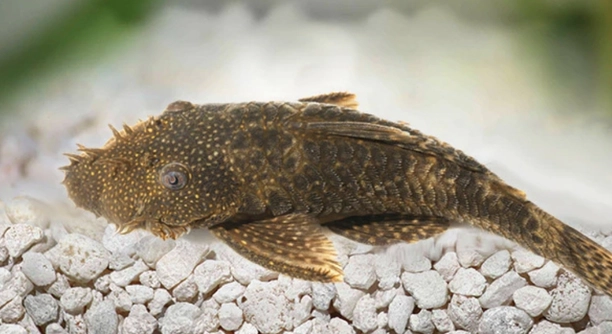
Have you ever noticed your bristlenose pleco grazing on algae almost nonstop in the tank? These small, armored fish can spend hours cleaning surfaces, making them seem like tireless little helpers in your aquarium.
Bristlenose plecos can eat too much algae if it becomes their primary food source. Excessive consumption can lead to nutritional imbalances, stunted growth, and digestive issues, making it essential to provide a varied diet for their overall health.
Keeping a healthy tank goes beyond algae control, as your pleco’s well-being depends on more than just the green surfaces it nibbles.
How Bristlenose Plecos Eat Algae
Bristlenose plecos spend most of their time grazing on algae in the aquarium. Their small, bristly mouths scrape surfaces like driftwood, rocks, and glass, helping keep the tank cleaner. While it seems like a constant activity, it’s normal behavior for these fish. Algae alone is not enough to meet all their nutritional needs. In the wild, they supplement their diet with vegetables, biofilm, and occasional protein. Observing their grazing patterns can tell you a lot about their health. If a pleco focuses on one area or refuses other foods, it may indicate a dietary imbalance. Proper tank maintenance and feeding routines are essential. Providing sinking pellets or blanched vegetables can help ensure they get enough nutrients. Overfeeding algae or letting it dominate the tank can lead to digestive problems. Watching your pleco interact with its environment gives insight into how it balances its diet naturally.
Too much algae can cause digestive issues and poor growth in bristlenose plecos. A balanced diet is important.
Adding vegetables like zucchini or spinach encourages healthy eating. These foods provide essential nutrients missing from algae, supporting overall fish development and immune function.
Signs Your Pleco Is Eating Too Much Algae
A pleco that focuses excessively on algae may appear thinner or less active. These physical and behavioral changes are subtle but noticeable if you observe them closely.
When algae becomes the main food source, bristlenose plecos may develop digestive disturbances, leading to bloating, constipation, or lethargy. Their bodies need fiber from vegetables and occasional protein to function properly. Over-reliance on algae can stunt growth and reduce lifespan, especially in younger fish. Signs like scraping glass excessively or ignoring other foods indicate an imbalance. Tank conditions also play a role; an overgrown algae tank can make it easy for plecos to eat more than necessary. Monitoring algae levels and supplementing with nutritious foods ensures your pleco remains healthy. Sinking pellets, blanched vegetables, and occasional protein sources like shrimp or fish food provide a well-rounded diet. Observing eating habits daily can help prevent long-term health problems. Regular cleaning and partial water changes support digestion and overall vitality. By keeping a close eye on diet, you can help your pleco thrive without relying solely on algae.
Preventing Overeating of Algae
Providing a variety of foods prevents your pleco from relying solely on algae. Offering vegetables and sinking pellets balances their diet and keeps them healthy.
Rotating foods like zucchini, spinach, and cucumbers ensures they receive fiber, vitamins, and minerals. Algae alone lacks essential nutrients, so adding different textures and types of food encourages natural foraging and proper digestion. Observing how your pleco responds to these additions helps you adjust portions and types of food. Proper feeding also reduces the risk of overeating algae, preventing bloating and lethargy. Small, consistent feedings work better than large, infrequent meals, as they mimic natural grazing patterns.
Maintaining the tank is also key. Regular cleaning prevents algae from overgrowing and ensures plecos don’t overconsume it. Adjusting light and nutrient levels can control excessive algae, making it easier to manage feeding. Watching the pleco’s activity and appetite gives insight into whether dietary changes are effective.
Balancing Diet With Supplements
Supplements like spirulina tablets or protein-rich foods support your pleco’s growth and overall health. These additions fill nutritional gaps that algae cannot provide.
Providing small amounts of protein and vegetable-based supplements encourages healthy development and stronger immune systems. Overreliance on algae leaves plecos prone to deficiencies, affecting their longevity. By incorporating varied foods, you ensure their diet is complete. Observing their preference and response to supplements allows you to fine-tune feeding routines. Supplements can be introduced gradually to avoid digestive upset while still meeting nutritional needs. Timing and portion size matter; giving too much at once can create waste or water quality issues. Combining supplements with fresh vegetables helps maintain a balanced intake of fiber, vitamins, and minerals.
Creating a consistent feeding schedule keeps your pleco active and healthy. Sinking pellets, blanched vegetables, and occasional protein meals should be offered in rotation. Monitoring tank conditions and food consumption ensures algae doesn’t dominate the diet. When balanced properly, supplements improve vitality, growth, and energy. Overfeeding should be avoided, but neglecting nutritional variety can cause long-term health problems. Regular observation of eating habits and behavior helps identify needs early, making dietary management simple and effective.
Monitoring Algae Growth
Keeping algae levels under control prevents plecos from overeating. Regular observation helps maintain a balanced environment.
Adjusting light exposure and nutrient levels reduces excessive algae growth. A clean tank encourages healthy grazing without relying solely on algae.
Adjusting Feeding Schedules
Feeding smaller portions multiple times a week helps regulate your pleco’s intake. This approach mimics natural grazing and prevents digestive issues caused by overconsumption of algae. Monitoring how quickly food is eaten allows you to modify portions. Consistency in feeding times also encourages healthy routines and reduces stress.
Signs of Nutritional Deficiency
Pale coloration, slow growth, or reduced activity may indicate missing nutrients. Addressing these signs promptly improves overall health.
FAQ
Can bristlenose plecos survive on algae alone?
Bristlenose plecos can survive on algae for a short period, but it is not sufficient for long-term health. Algae lacks essential nutrients like protein, vitamins, and minerals. Over time, a diet limited to algae can cause stunted growth, weak immunity, and digestive issues. Supplementing with vegetables and sinking pellets is necessary to meet all nutritional needs. Feeding options like zucchini, spinach, cucumbers, and occasional protein sources help maintain proper health and vitality. Observing how your pleco responds to added foods helps ensure they are receiving adequate nutrition without relying entirely on algae.
How often should I feed my pleco if algae is abundant in the tank?
Even if algae is present, scheduled feedings are important. Offer small portions of vegetables or pellets a few times per week to balance nutrition. Plecos may graze continuously, but relying only on algae can create deficiencies. Controlled feeding also prevents overeating and maintains water quality, since uneaten food can pollute the tank. Watching your pleco’s grazing patterns helps you adjust the schedule effectively.
What vegetables are best for bristlenose plecos?
Bristlenose plecos thrive on vegetables like zucchini, spinach, lettuce, cucumber, and peas. Blanching vegetables softens them, making it easier for plecos to eat. These foods provide fiber, vitamins, and minerals that algae alone cannot supply. Rotating different vegetables keeps their diet varied and encourages natural foraging behavior. Small portions offered a few times per week prevent overfeeding. Combining vegetables with pellets ensures they receive protein and other essential nutrients.
Can plecos overeat algae?
Yes, plecos can overeat algae if it dominates the tank. Excessive algae consumption may lead to bloating, constipation, and reduced growth. Providing supplemental foods balances their diet and prevents health problems. Monitoring tank conditions and algae levels helps control intake, while varying diet encourages proper nutrition. Observing their activity and appetite shows whether they are eating too much or receiving balanced nutrition.
How do I know if my pleco is malnourished?
Signs of malnourishment include pale coloration, slow growth, lethargy, and reduced appetite. Plecos may also avoid other foods and focus excessively on algae. Addressing dietary deficiencies promptly is essential. Offering vegetables, pellets, and occasional protein helps restore health. Regular observation of eating habits and physical appearance can prevent long-term issues. Monitoring tank conditions ensures proper algae levels and encourages a balanced diet.
Are supplements necessary for bristlenose plecos?
Supplements like spirulina tablets or protein-based foods are helpful but not always required. They fill nutritional gaps that algae cannot provide. Introducing them gradually prevents digestive issues. Supplements combined with vegetables and pellets improve growth, vitality, and immune health. Observing the pleco’s response to supplements allows adjustment of portions to avoid overfeeding or waste. Properly balanced supplements contribute to long-term health and help maintain energy and activity levels.
Can too much algae affect water quality?
Yes, excessive algae can impact water quality by consuming oxygen and increasing waste. Poor water conditions affect pleco health and can exacerbate digestive problems. Maintaining moderate algae levels and cleaning the tank regularly ensures a healthier environment. Controlling light and nutrients helps prevent overgrowth while supporting proper feeding routines.
How do I encourage plecos to eat more than algae?
Offer vegetables and sinking pellets at different tank locations to encourage exploration and balanced feeding. Gradually introduce new foods and observe preferences. Providing variety ensures plecos receive fiber, vitamins, and protein. Small portions prevent overeating, while consistent feeding schedules establish healthy routines. Observing behavior ensures all nutritional needs are met and prevents overreliance on algae.
Is it harmful if a pleco occasionally eats too much algae?
Occasional overconsumption is usually not harmful if balanced with supplemental foods. Problems arise when algae dominates the diet consistently. Maintaining variety and monitoring health helps prevent digestive issues and nutrient deficiencies. Proper tank management supports balanced feeding and overall well-being.
How can I balance algae control and pleco nutrition?
Maintain moderate algae levels while providing vegetables, pellets, and occasional supplements. Regular cleaning and water changes prevent overgrowth. Observing feeding behavior ensures plecos are not overrelying on algae. Consistent schedules and dietary variety promote healthy growth, proper digestion, and long-term vitality.
Final Thoughts
Bristlenose plecos are often seen as natural cleaners in the aquarium, constantly grazing on algae and keeping surfaces tidy. While it is tempting to rely on them solely for algae control, their health depends on a balanced diet. Algae alone does not provide the protein, vitamins, and minerals they need to grow properly. Over time, a diet consisting primarily of algae can cause digestive issues, reduced growth, and weakened immunity. Observing your pleco’s behavior can help you understand its dietary needs. If it spends all its time scraping surfaces or avoids other foods, it may be relying too heavily on algae. Offering a variety of foods, such as blanched vegetables and sinking pellets, is essential for maintaining long-term health and vitality.
Maintaining a consistent feeding schedule and providing variety encourages natural grazing behavior while preventing overconsumption of algae. Small, regular meals mimic what plecos would experience in the wild, where they supplement algae with plant matter and occasional protein. Vegetables like zucchini, spinach, and cucumbers supply fiber and vitamins, while pellets or protein-based supplements fill nutritional gaps. Gradually introducing new foods helps your pleco adjust without digestive upset. Observing how your pleco responds to these additions ensures you are meeting its nutritional needs without overfeeding. Regular cleaning and proper tank maintenance also support a balanced diet. Controlling algae growth through light management and partial water changes prevents it from becoming the primary food source, making it easier to monitor intake.
Ultimately, the well-being of bristlenose plecos relies on careful observation and balanced care. While their grazing helps maintain the tank, it is not enough on its own. Providing a combination of algae, vegetables, pellets, and occasional supplements supports growth, energy, and immune function. Watching your pleco’s physical appearance, activity levels, and eating habits gives insight into its overall health. Adjusting feeding routines, monitoring algae levels, and offering varied foods ensures your pleco remains healthy, active, and thriving in its aquatic environment. A thoughtful approach to diet and tank management helps prevent common problems like overconsumption, nutritional deficiencies, and digestive issues, keeping your pleco strong and lively for years.

Hello,
If you enjoy the content that we create, please consider saying a "Thank You!" by leaving a tip.
Every little bit helps us continue crafting quality advice that supports the health, happiness, and well-being of pets around the world, for pets of all shapes, sizes, and species.
We really appreciate the kindness and support that you show us!