
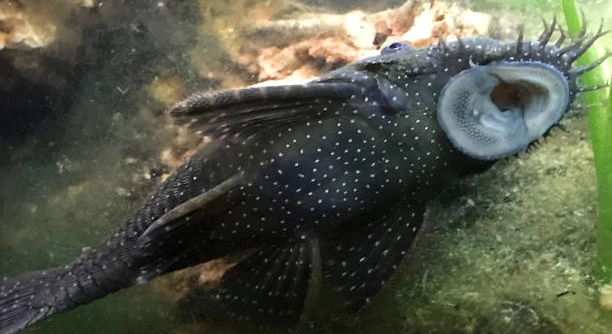
Many pleco owners notice their fish swim past fresh vegetables without touching them. It can be frustrating to see your pet ignore healthy food despite your efforts. Understanding this behavior can help improve your pleco’s diet.
Plecos may avoid vegetables due to taste preferences, water conditions, or an already protein-heavy diet. Some species favor algae or driftwood over leafy greens, making vegetable feeding inconsistent unless offered in a way that suits their natural habits.
Learning the reasons behind this avoidance can make feeding times easier and ensure your pleco stays healthy and well-nourished.
Understanding Your Pleco’s Natural Diet
Plecos are naturally inclined to eat algae, driftwood, and plant matter found in rivers and streams. Many store-bought vegetables do not match the texture or taste they are used to in the wild. Over time, your pleco may develop preferences for softer, sweeter, or more fibrous foods. Temperature, lighting, and water conditions also affect their appetite. Sometimes, even a small change in the tank setup can make them hesitant to try new vegetables. Some plecos are nocturnal and may not feed during the day, making it seem like they are ignoring food. Offering vegetables at night or slightly softened through blanching can increase acceptance. Rotating different types of vegetables can also help identify what your pleco prefers. It is normal for certain species to favor algae wafers or sinking pellets over leafy greens, but with patience and observation, their diet can become more balanced.
Plecos often refuse vegetables simply because the type or presentation does not match their natural eating habits. Adjustments can make them more willing to try.
Regular observation and gradual adjustments will help you understand what your pleco prefers. By noting which vegetables are eaten and which are ignored, you can make feeding more effective. Some plecos prefer cucumber or zucchini, while others favor lettuce or spinach. Cutting vegetables into smaller pieces or lightly boiling them softens tough fibers, making them easier to consume. Sinking the food near their hiding spots can also increase the chances they will eat it. Over time, these small changes create a more varied diet, improving their health and longevity.
Water Quality and Its Effect on Appetite
Poor water conditions can reduce a pleco’s willingness to eat vegetables. Stress from ammonia, nitrate, or pH fluctuations can suppress appetite.
Plecos are sensitive to temperature, oxygen levels, and cleanliness. When water quality is high, they are more likely to explore and eat. Low-quality water makes them retreat and focus on survival rather than trying new foods. Even minor changes in tank chemistry can impact feeding behavior. Filtration, regular water changes, and careful monitoring of water parameters play a significant role. A pleco living in stable conditions is often more active and open to trying vegetables. Observing your tank’s environment and making incremental improvements helps improve appetite over time.
If your pleco continues avoiding vegetables, evaluating the tank setup is essential. Poor water circulation or overcrowding can also make them shy away from food. Some species are more sensitive than others, reacting strongly to sudden changes in temperature or pH. Providing hiding spots and maintaining steady lighting helps reduce stress. Sinking foods near shelters encourages feeding behavior. Water quality affects digestion and energy levels, so even if vegetables are offered correctly, poor water can prevent eating. Adjustments like regular partial water changes, monitoring filtration, and maintaining proper temperature and oxygen levels can improve overall health. Combining these practices with gentle introduction of vegetables increases the likelihood of acceptance and encourages natural foraging behavior. A healthy, stress-free environment supports a more balanced diet and helps your pleco thrive in the tank.
Preparing Vegetables for Plecos
Blanching vegetables softens them, making it easier for plecos to eat. Slicing them into thin strips helps fish grab and consume pieces without struggle.
Blanching zucchini, cucumber, or spinach reduces tough fibers while preserving nutrients. After boiling briefly, cool the vegetables in cold water to maintain texture. Cutting into long strips or small chunks accommodates different pleco sizes. Sinking the food ensures it reaches the bottom where they naturally feed. Some plecos nibble slowly, so patience is key. Offering vegetables this way gradually introduces them to new tastes and textures. Rotating vegetables every few days keeps their diet interesting.
Timing and placement also improve acceptance. Drop the vegetables near their favorite hiding spots or resting areas during evening hours. Smaller portions prevent waste and allow observation of what is actually eaten. Over time, consistent preparation increases vegetable consumption, and the fish begins to explore different textures. Pairing with algae wafers or small protein bites can also encourage tasting new foods. Keeping track of preferences ensures a healthier, more balanced diet.
Encouraging Vegetables in a Busy Tank
Other fish can intimidate plecos and prevent them from approaching vegetables. Separate feeding zones help reduce stress.
Observe the dynamics of your tank to ensure plecos have space to feed. Aggressive or fast-moving fish may scare them away from vegetables, leaving food untouched. Using feeding tongs or placing vegetables in corners away from dominant fish can make a big difference. Offering food during quieter times, like at night, allows them to feed safely. Even subtle changes, like turning off bright lights, can help timid plecos explore new foods. Patience and repetition are important for establishing a feeding routine.
Creating a calm environment encourages consistent vegetable consumption. Adding floating or anchored decorations provides cover for plecos, making them feel secure while eating. Regularly monitor interactions to identify stress points and adjust placement of vegetables accordingly. Pairing feeding with familiar routines, such as slightly dimmed lights or soft background flow, makes the fish more likely to approach new foods. Avoid sudden introduction of multiple vegetables simultaneously; one type at a time allows observation of preferences. Over weeks, consistent care and environmental adjustments result in plecos confidently consuming vegetables without interference from tankmates.
Choosing the Right Vegetables
Leafy greens like spinach and romaine are easier for plecos to eat than tougher vegetables. Soft vegetables are often more appealing.
Cucumber and zucchini are ideal choices. They sink easily and provide moisture, making them more attractive. Rotating types prevents boredom and ensures a broader nutrient intake.
Monitoring Eating Habits
Observe how much and how quickly your pleco eats. Track which vegetables are preferred and which are ignored. This helps identify patterns and adjust feeding accordingly. Consistent observation allows better control over diet and ensures no food goes to waste, improving overall health and nutrition.
Avoiding Overfeeding
Overfeeding vegetables can cause water quality issues. Uneaten pieces decompose quickly, affecting tank cleanliness and fish health.
Signs Your Pleco is Accepting Vegetables
Look for nibble marks and leftover bits in the tank. Gradual consumption indicates successful introduction and growing acceptance.
FAQ
Why does my pleco ignore vegetables completely?
Plecos may ignore vegetables if they prefer algae or protein-based foods. Some species naturally favor driftwood or biofilm over leafy greens. Water conditions, tank stress, and presentation of vegetables also play roles. Offering vegetables at night or softened through blanching increases the chance of acceptance.
Can I mix vegetables with pellets to encourage eating?
Yes. Combining vegetables with sinking pellets or algae wafers makes them more appealing. Plecos often investigate familiar food first, then nibble at nearby vegetables. Mixing gradually allows them to explore new textures without stress. Observing which combinations work helps build a balanced diet.
How often should I offer vegetables to my pleco?
Vegetables can be offered 2–3 times per week, depending on species and size. Overfeeding may pollute water. Small portions encourage consumption while maintaining water quality. Rotate types like zucchini, cucumber, spinach, and romaine to provide variety and nutrients.
What vegetables are safest for plecos?
Zucchini, cucumber, spinach, romaine lettuce, and peas are safe options. Blanching tough vegetables softens them, making it easier for plecos to consume. Avoid starchy or heavily processed foods, as they can cause digestive issues and reduce appetite for natural foods.
Why does my pleco nibble a vegetable but leave most of it?
Plecos may sample food to check taste or texture. Some species eat slowly or prefer specific parts of a vegetable. Removing uneaten pieces after a few hours prevents decay and maintains water quality. Gradual introduction encourages full consumption over time.
Does water temperature affect vegetable eating?
Yes. Plecos are more active at stable temperatures appropriate for their species. Cold or fluctuating water may reduce appetite, causing avoidance of new foods. Maintaining consistent temperature encourages exploration and increases likelihood of eating vegetables.
Can stress from other fish prevent my pleco from eating vegetables?
Definitely. Aggressive or fast-moving tankmates can intimidate plecos. Providing hiding spots and offering vegetables in quiet corners reduces stress. Feeding during low-activity periods, like evenings, gives plecos space and confidence to eat.
How do I know if my pleco is getting enough nutrients from vegetables?
Monitor growth, activity, and overall health. Vegetables supplement fiber and micronutrients but should not replace protein entirely. Healthy plecos have smooth skin, good coloration, and consistent energy. Tracking what is eaten and adjusting the diet ensures proper nutrition.
Should I remove leftover vegetables immediately?
Yes. Uneaten vegetables decompose quickly, increasing ammonia and nitrate levels. Remove leftovers after a few hours to protect water quality. Keeping the tank clean supports appetite and reduces the chance of illness.
Can I use frozen vegetables for plecos?
Frozen vegetables are safe if thawed and softened before offering. Blanching may improve texture. Avoid seasoning or additives. Frozen vegetables provide convenience and consistent quality, making them a practical alternative to fresh produce.
How long does it take for a pleco to accept new vegetables?
It can take several days to weeks, depending on species and familiarity with vegetables. Patience and gradual introduction are key. Observe behavior and adjust presentation to increase likelihood of acceptance, creating a balanced feeding routine.
Do different pleco species have different vegetable preferences?
Yes. Some species favor cucumber or zucchini, while others prefer spinach or romaine. Understanding the natural diet of your specific pleco helps tailor vegetable choices. Researching species-specific preferences improves acceptance and ensures better nutrition.
What is the best way to introduce vegetables to a shy pleco?
Place vegetables near hiding spots or resting areas during quiet periods. Lightly blanching or cutting into thin strips makes food more manageable. Gradual exposure allows shy plecos to explore without stress, increasing the chances they will begin eating consistently.
Can overfeeding vegetables harm my pleco?
Overfeeding can lead to digestive issues, water quality problems, and reduced appetite for protein sources. Small portions, proper timing, and rotation of vegetables maintain health and avoid these complications.
How can I tell if my pleco likes a particular vegetable?
Watch for nibble marks, bite patterns, and repeated visits to the vegetable. Quick consumption and less leftover indicate preference. Tracking these behaviors over time helps identify favorite vegetables for a balanced diet.
Are there any vegetables plecos should avoid?
Avoid starchy vegetables like potatoes or heavily processed foods. These can cause digestive issues and reduce interest in natural foods. Stick to soft, water-safe vegetables like zucchini, cucumber, spinach, romaine, and peas for safe and nutritious feeding.
Does the size of the vegetable matter?
Yes. Large pieces may be difficult for smaller plecos to eat. Cutting vegetables into manageable strips or chunks ensures easier consumption. Proper sizing reduces waste, encourages nibbling, and supports better nutrition.
How do I encourage picky plecos to eat more vegetables?
Gradual introduction, softening through blanching, placing near hiding spots, and pairing with familiar foods can encourage picky plecos. Observing preferences and rotating vegetables helps maintain interest and increases the likelihood of consistent eating habits.
Can vegetables replace algae wafers or pellets entirely?
No. Vegetables supplement fiber and vitamins but do not provide enough protein for growth and energy. A balanced diet including algae wafers, pellets, and occasional protein treats is necessary for long-term health.
Is it normal for some plecos to ignore vegetables forever?
Yes. Some species are more algae or driftwood-focused and may never fully accept vegetables. Patience, variety, and gradual introduction can help, but natural preferences should be respected. Ensuring overall diet balance remains essential for health.
How can I make feeding vegetables less stressful for my pleco?
Offer food in quiet areas, during low-activity periods, and near hiding spots. Blanching, cutting into manageable pieces, and observing behavior reduce stress. Gradual exposure and consistent routines help plecos feel secure while exploring new foods.
What are signs my pleco is thriving on vegetables?
Active behavior, consistent nibbling, smooth skin, healthy coloration, and steady growth indicate success. Even partial consumption contributes fiber and micronutrients. Observing these signs helps maintain a balanced diet alongside protein sources and algae wafers.
Can I grow my own vegetables for plecos?
Yes. Growing cucumber, zucchini, spinach, or romaine at home ensures fresh, safe, and pesticide-free options. Cutting into suitable sizes and blanching before offering provides control over quality and variety.
How do I combine vegetables with other foods effectively?
Place vegetables alongside algae wafers, pellets, or occasional protein treats. Familiar foods attract attention, encouraging exploration of new textures. Gradual integration ensures plecos try vegetables without feeling overwhelmed, supporting dietary balance.
Are there seasonal considerations for feeding vegetables?
Freshness may vary seasonally. Blanching or freezing helps maintain consistency year-round. Seasonal rotation of available vegetables provides variety while ensuring nutrients remain intact for the pleco’s diet.
How often should I rotate vegetable types?
Every few days is ideal. Rotation prevents boredom and ensures a range of nutrients. Tracking preferences helps balance diet and improves long-term acceptance of multiple vegetables.
Can over-handling vegetables reduce pleco interest?
Yes. Excessive handling can transfer oils or odors that make vegetables less appealing. Using clean utensils or gloves preserves freshness and encourages nibbling.
Is it normal for plecos to nibble only a little each feeding?
Yes. Plecos often eat slowly and nibble repeatedly. Small amounts per session are normal. Gradual consumption ensures digestion and prevents waste in the tank.
Can feeding vegetables help with digestive issues?
Yes. Fiber from vegetables supports digestion and regular bowel movements. Introducing small portions gradually improves gut health without causing stress or discomfort.
Are there signs vegetables are harming my pleco?
Watch for bloating, lethargy, or refusal to eat other foods. Removing problematic vegetables and consulting resources ensures safety. Proper preparation and portioning minimize risks while supporting a healthy diet.
How do I know when to stop offering a specific vegetable?
If consistently ignored, causes digestive upset, or decays before consumption, discontinue. Focus on vegetables the pleco actively eats to maintain water quality and nutrition.
Does pleco age affect vegetable acceptance?
Yes. Younger plecos may experiment more, while older plecos can be more selective. Gradual introduction and patience improve acceptance at any age, but expectations should align with natural preferences.
Are there any supplements that help plecos eat vegetables?
Occasional vitamin-enriched pellets or algae wafers can encourage trying vegetables. They provide familiar tastes that entice nibbling while supplementing nutrients. Use sparingly and observe responses to avoid overfeeding.
Can changes in light affect vegetable eating?
Yes. Plecos are sensitive to bright light and may feed more actively during dim conditions. Adjusting lighting to mimic natural patterns can encourage nibbling and exploration of vegetables.
Should I peel vegetables before offering them?
Peeling is optional. Some plecos prefer softer flesh, while others nibble skins. Test preferences to see which works best for your fish. Proper sizing and blanching remain more important than peeling.
How do I handle leftover vegetable waste?
Remove uneaten portions promptly to prevent decay, ammonia buildup, and algae growth. Maintaining water quality is crucial for encouraging future feeding and overall pleco health.
Can adding vegetables improve coloration?
Yes. Certain vegetables with carotenoids and vitamins can subtly enhance skin and fin coloration. Consistent feeding over time contributes to overall vibrancy alongside protein-rich foods.
Is it normal for plecos to nibble vegetables at night only?
Yes. Many plecos are nocturnal and prefer feeding during darker hours. Offering vegetables in the evening or overnight increases acceptance and aligns with natural behavior.
How do I balance vegetables with protein intake?
Vegetables provide fiber and micronutrients, while protein comes from algae wafers, pellets, or occasional protein treats. Ensuring both components prevents deficiencies and supports growth, energy, and overall health.
Can I use herbs like parsley or basil?
Yes. Small amounts of soft herbs can supplement diet, offering variety and nutrients. Introduce gradually to test acceptance and avoid overwhelming the pleco.
Are there any textures plecos prefer?
Soft, fibrous, or slightly crunchy textures are generally accepted. Blanching and cutting vegetables improves texture, making them easier to consume and more appealing for nibbling.
How do I encourage reluctant plecos to eat vegetables consistently?
Gradual introduction, softening, proper placement, rotation, and pairing with familiar foods create positive experiences. Patience and observation increase the likelihood of long-term vegetable acceptance.
Does tank size affect vegetable feeding?
Larger tanks with more hiding spots can reduce stress and improve acceptance. Small or crowded tanks may make plecos shy, avoiding vegetables due to intimidation or limited space.
Can plecos eat frozen spinach or peas directly?
No. Always thaw and optionally blanch to soften. Direct frozen vegetables may be too hard, cold, or dense, discouraging nibbling and causing stress.
How do I track vegetable intake effectively?
Keep a small log of types, portions, and how much is eaten. Note timing, placement, and tankmate interactions. This helps identify preferences and improve future feeding strategies.
Are there any safe fruit options for plecos?
Occasionally, small amounts of soft fruits like melon or cucumber varieties can be offered. Limit frequency and size to prevent digestive upset and focus on vegetables for fiber.
Does tank temperature change vegetable acceptance?
Yes. Optimal temperature improves metabolism and appetite. Sudden drops or fluctuations reduce feeding activity, causing avoidance of new foods, including vegetables.
How important is patience when introducing vegetables?
Very. Acceptance may take days or weeks. Gradual introduction, observation, and gentle encouragement lead to better long-term eating habits and healthier plecos.
Can soaking vegetables in tank water improve acceptance?
Yes. Pre-soaking softens texture and reduces foreign smells or flavors. It also makes vegetables more familiar and easier for plecos to nibble without hesitation.
Do plecos eat vegetable leaves differently than stems?
Yes. Leaves are softer and easier to consume, while stems may require blanching. Cutting stems into small pieces ensures they are approachable and digestible.
Is it normal for plecos to switch vegetable preferences over time?
Yes. Tastes can change, and rotation helps maintain interest. Observing these shifts ensures a varied, balanced diet, adapting to evolving preferences.
How long should vegetables stay in the tank during feeding?
Remove leftovers after 2–4 hours. This prevents decay, water contamination, and discourages algae growth, maintaining a clean and healthy feeding environment.
Are there any signs that vegetables are improving pleco health?
Signs include increased activity, smooth skin, healthy coloration, regular bowel movements, and consistent nibbling. Balanced diet with vegetables supports longevity and overall well-being.
Can plecos become addicted to vegetables?
No. Vegetables supplement but do not replace protein needs. Proper rotation and balance prevent overreliance and ensure overall nutrition.
Do all plecos nibble vegetables in the same way?
No. Species, size, and personality affect feeding behavior. Some nibble slowly, others take larger bites. Observing patterns helps adjust preparation for easier consumption.
How do I know if my pleco is stressed during feeding?
Signs include hiding, darting, refusing food, or aggressive interactions. Adjust placement, timing, and tank conditions to reduce stress and encourage vegetable consumption.
Are pre-packaged vegetable sticks suitable for plecos?
Yes, if they are plain and free from additives. Ensure they are soft enough to eat. Blanching or soaking can improve texture and acceptance.
Can vegetables help with weight management in plecos?
Yes. High-fiber vegetables supplement calories and provide nutrients without overloading energy intake. Balanced feeding helps maintain healthy weight alongside protein sources.
Is it normal for plecos to nibble slowly for days?
Yes. Slow nibbling is natural, especially for shy or nocturnal species. Patience ensures they receive fiber and nutrients without stress.
How do I encourage multiple plecos to eat vegetables together?
Place vegetables in multiple spots to reduce competition. Observe feeding order and adjust placement for equal access, preventing dominance issues and ensuring all plecos get nutrition.
Can vegetables replace driftwood in diet?
No. Some species require driftwood for digestion. Vegetables provide fiber, but driftwood is essential for gut health and should remain available.
Do plecos eat vegetable peels differently than flesh?
Yes. Soft flesh is usually preferred. Peels may need blanching or cutting to be consumable, depending on the species.
How do I know if my pleco is satisfied after eating vegetables?
Signs include reduced nibbling, retreating to resting spots, and calm swimming. Observation ensures they are eating enough without overfeeding or causing water issues.
Can I experiment with new vegetables frequently?
Yes, but introduce one at a time. Sudden changes may overwhelm plecos. Gradual exposure encourages exploration and reduces stress.
Is it okay if my pleco only eats vegetables occasionally?
Yes. Vegetables supplement the diet and provide fiber and micronutrients. Occasional consumption is beneficial alongside protein and algae wafers for overall health.
How do I prevent vegetables from floating away?
Blanching, weighting, or using clips ensures they sink to the bottom where plecos naturally feed. Proper placement increases consumption and reduces waste.
Do plecos prefer raw or cooked vegetables?
Blanched vegetables are usually preferred. Softened texture and reduced bitterness make them easier to consume while preserving nutrients.
Can adding vegetables reduce algae consumption?
Yes. Offering vegetables may supplement diet, slightly reducing algae grazing. Monitor to maintain natural foraging behavior without limiting essential algae intake.
How do I make sure shy plecos get vegetables?
Place food near hiding spots, offer at night, and use smaller portions. Gradual exposure and minimal disturbance encourage shy plecos to nibble safely.
Are there any risks with over-relying on vegetables?
Yes. Over-reliance can cause protein deficiency and digestive imbalance. Vegetables should supplement, not replace, protein-rich foods and algae wafers for long-term health.
How can I tell if my pleco prefers one vegetable over another?
Observe nibble marks, time spent eating, and leftover amounts. Consistent preference indicates favored vegetables, helping to plan a balanced rotation that encourages consistent feeding.
Can vegetables help with pleco growth?
They provide essential fiber and micronutrients but cannot replace protein. Balanced feeding ensures proper growth, energy, and overall well-being.
How do I avoid vegetables fouling the tank?
Offer small portions, remove leftovers after a few hours, and monitor water parameters. Clean tanks prevent decay and maintain a healthy environment for consistent feeding.
Do plecos eat differently in planted vs. bare tanks?
Yes. Plants provide cover and reduce stress, making plecos more willing to nibble. Bare tanks may cause hesitation, especially for shy or nocturnal species.
Can vegetables affect pleco behavior?
Yes. Fresh vegetables may encourage activity, exploration, and nibbling. Overfeeding or sudden changes can cause stress, so gradual introduction is important.
Should I chop vegetables finely for smaller plecos?
Yes. Smaller pieces are easier to eat and reduce waste. Adjust size according to species and mouth size for optimal consumption.
Can vegetables improve pleco gut health?
Yes. Fiber aids digestion and supports healthy bowel movements. Gradual introduction and proper preparation enhance benefits without causing stress or digestive upset.
Are there any signs of vegetable intolerance?
Watch for bloating, lethargy, refusal to eat, or leftover decay. Adjust portions, preparation, or type to prevent issues while maintaining balanced nutrition.
Do plecos ever eat vegetables out of curiosity?
Yes. Sampling is normal. Nibbling without finishing helps them explore taste and texture, gradually leading to acceptance over time.
Can I mix different vegetables at once?
Yes, in small amounts. Mixing encourages exploration but avoid overwhelming plecos. Introduce gradually to monitor preference and reduce waste.
Does the time of day affect vegetable eating?
Yes. Many plecos feed more actively at night or during low-light periods. Offering food during these times improves acceptance and reduces competition.
How can I track long-term vegetable preferences?
Maintain a simple log of type, portion, and consumption over weeks. Patterns emerge, allowing better rotation and balanced feeding tailored to your pleco’s habits.
Are there any special considerations for breeding plecos and vegetables?
During breeding, focus on protein for energy, but occasional vegetables provide fiber. Balanced feeding supports adult health and encourages optimal breeding conditions without overwhelming digestion.
Can plecos get bored of vegetables?
Yes. Rotation and gradual introduction prevent boredom. Offering variety keeps interest high and supports consistent nibbling over time.
Do plecos prefer vegetables in a certain position?
They often prefer bottom placement
Final Thoughts
Feeding plecos vegetables can feel tricky at first, but understanding their natural habits helps. Many plecos are naturally inclined to eat algae, biofilm, or driftwood, so vegetables are not always their first choice. Offering the right types, like zucchini, cucumber, spinach, or romaine lettuce, makes feeding easier. Softening vegetables by blanching or cutting into manageable pieces helps them nibble without struggle. Timing and placement also matter, as plecos are often shy and may feed better during quiet times or near their hiding spots. Patience is essential, as acceptance usually develops gradually. Observing how your pleco reacts to each vegetable provides clues on preferences and ensures you offer foods they are more likely to eat. Keeping track of what works and what doesn’t allows you to adjust portions, rotation, and presentation over time, creating a more effective feeding routine.
Maintaining a healthy tank environment is just as important as preparing vegetables correctly. Water quality, temperature, and oxygen levels directly affect appetite and willingness to explore new foods. Stress from aggressive tankmates or overcrowding can make even favorite vegetables unappealing. Providing hiding spots, consistent lighting, and stable conditions encourages feeding behavior. Uneaten vegetables should be removed promptly to prevent decay and maintain water quality, which also helps prevent illness. Small adjustments, like offering food during evening hours or near calmer areas of the tank, can significantly improve vegetable consumption. Even with vegetables, a balanced diet is important, including algae wafers, pellets, and occasional protein sources to meet all nutritional needs. Observing behavior and adjusting care as needed ensures your pleco remains healthy, active, and thriving in its environment.
Introducing vegetables also encourages variety in your pleco’s diet, which benefits overall health. Fiber from vegetables supports digestion, while different types provide essential vitamins and minerals that may be missing from other foods. Gradual rotation prevents boredom and gives the fish a broader nutrient intake, while pairing vegetables with familiar foods can increase interest. Not all plecos will fully embrace vegetables, and some may always prefer algae or pellets, which is normal. What matters is providing options and monitoring what is consumed, adjusting portions and preparation accordingly. Over time, careful observation, patience, and consistent feeding strategies help your pleco explore new foods, maintain proper nutrition, and enjoy a balanced diet. A thoughtful approach to feeding vegetables strengthens your understanding of your pleco’s preferences and supports its long-term health and well-being in the tank.

Hello,
If you enjoy the content that we create, please consider saying a "Thank You!" by leaving a tip.
Every little bit helps us continue crafting quality advice that supports the health, happiness, and well-being of pets around the world, for pets of all shapes, sizes, and species.
We really appreciate the kindness and support that you show us!