
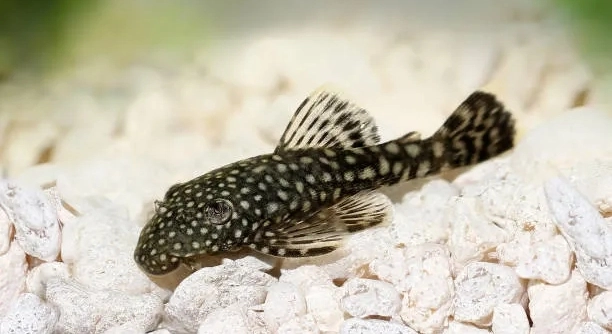
Many aquarists enjoy keeping plecos for their unique appearance and helpful algae-eating habits. Breeding plecos can be rewarding, but sometimes eggs fail to hatch, leaving owners puzzled and unsure about what went wrong.
Pleco eggs often fail to hatch due to poor water quality, incorrect temperature, fungal infections, or improper placement. Each of these factors can disrupt development and prevent embryos from reaching full maturity, making careful monitoring essential for successful breeding.
Knowing the main causes of egg failure helps improve your breeding setup. By understanding these factors, you can take steps to support healthier, more viable pleco eggs.
Poor Water Quality
Maintaining clean water is one of the most important factors for pleco eggs to develop properly. Even small amounts of waste or leftover food can change water chemistry and stress the eggs. Pleco eggs are sensitive to ammonia, nitrite, and nitrate levels. If these rise too high, eggs may fail to hatch. Filtration systems and regular water changes help maintain stability. Temperature also interacts with water quality; fluctuating temperatures can encourage bacteria and fungus growth, making the environment unsafe for embryos. It’s common for new breeders to overlook water parameters, assuming that general tank maintenance is enough. However, pleco eggs require more precise conditions than adult fish. Monitoring pH, hardness, and cleanliness regularly ensures eggs remain viable. Using a separate breeding tank often reduces the risk of contamination and allows better control over conditions. Keeping these factors in mind gives eggs the best chance of successful hatching.
Keeping water clean prevents bacteria and toxins from affecting pleco eggs. Regular monitoring is essential for healthy development and successful hatching.
Setting up a separate breeding tank for eggs allows focused care. It’s easier to manage filtration, temperature, and cleanliness. Adding gentle aeration prevents stagnation, and observing eggs daily helps catch early signs of fungus or deterioration. By controlling these conditions, hatching rates improve, giving you a better outcome with less stress on both the eggs and the adult plecos.
Incorrect Temperature
Pleco eggs are highly sensitive to temperature fluctuations. Even small changes can slow development or cause eggs to die. Maintaining a steady, species-appropriate temperature is critical for successful hatching.
Temperature must match the species’ natural breeding conditions. For most common plecos, water between 78°F and 82°F works well, but some species require slightly different ranges. Sudden drops or rises can shock embryos, while prolonged exposure to incorrect temperatures can halt growth completely. Using a reliable heater and thermometer ensures stability. Avoid placing the tank near drafts, vents, or direct sunlight, as these create unwanted fluctuations. In addition to temperature, keeping the tank covered minimizes rapid heat loss. Many breeders notice that eggs in stable tanks hatch faster and with fewer deformities. Maintaining consistent warmth also supports fry survival once hatched, as stressed embryos produce weaker fry. Paying attention to temperature may seem simple, but it dramatically improves hatching success rates and reduces frustration.
Fungal Infections
Fungal growth is common on pleco eggs, especially in tanks with stagnant water or poor hygiene. It appears as white cotton-like patches and can quickly destroy developing embryos if not addressed promptly.
Fungus often develops when eggs are stressed or water quality is poor. Even a small amount can spread rapidly across a clutch. Removing affected eggs carefully helps prevent contamination of healthy ones. Some breeders use mild antifungal treatments or add methylene blue to the water to protect remaining eggs. Consistent monitoring is key, as early detection prevents total loss. Preventing fungal growth also means keeping water oxygenated and maintaining stable temperatures.
In addition to treatment, creating the right environment is essential. Aeration reduces stagnant areas, and gentle water flow discourages fungus from taking hold. Avoid overcrowding the breeding tank, as multiple clutches increase the risk of infection. Regularly checking eggs allows you to remove debris or mold before it spreads. Even minor adjustments in water care and hygiene can drastically improve hatching rates and ensure more fry survive in their earliest days.
Improper Placement
Eggs placed in unsuitable locations often fail to hatch. Hiding eggs in nooks or directly on rough surfaces may cause them to get damaged or suffocate.
Plecos naturally lay eggs in caves or crevices, so replicating this in a tank matters. If eggs are exposed to strong currents, they may be dislodged or covered in debris, preventing proper oxygenation. Ensuring eggs are slightly elevated and protected from adult fish helps avoid accidental consumption. Some breeders use artificial caves or flat breeding tiles to create safe, stable surfaces. Monitoring placement daily ensures eggs remain secure.
The position of eggs affects more than protection; it influences water circulation and oxygen access. Eggs on flat surfaces with gentle flow receive more oxygen, supporting embryo development. Conversely, eggs buried in substrate or too close to filter outputs may experience stress or poor hatching rates. Adjusting placement often means moving eggs carefully without touching them directly, using tools like soft brushes or nets. A stable, well-ventilated location not only increases hatching success but also reduces stress on adult plecos guarding their eggs, creating a safer overall breeding environment.
Overcrowding
Overcrowding in the tank can stress both adult plecos and eggs. High population increases waste buildup, lowers water quality, and makes it harder for eggs to remain protected.
Adult plecos may accidentally damage eggs when space is limited. Providing enough room and separate hiding spots reduces stress and improves hatching chances.
Inadequate Nutrition
Egg quality depends heavily on the health of the breeding adults. Poor diet can produce weak or infertile eggs. High-quality food rich in protein, vitamins, and minerals supports reproductive health and increases the likelihood of viable clutches.
Disturbance from Tankmates
Other fish in the tank can disturb eggs, leading to damage or consumption. Separating eggs in a breeding tank helps ensure their safety and proper development.
FAQ
Why are my pleco eggs turning white?
White eggs usually indicate fungal growth. This often happens when water quality is poor or eggs are stressed. Removing affected eggs and treating the tank with mild antifungal solutions like methylene blue can save remaining healthy eggs. Ensuring clean, oxygenated water and stable temperature reduces future fungal issues.
How long do pleco eggs usually take to hatch?
Most common pleco species’ eggs hatch within 5 to 10 days, depending on temperature and water conditions. Warmer, stable temperatures accelerate development, while cooler or fluctuating conditions may delay hatching. Observing the eggs daily helps track progress and spot any problems early.
Can pleco eggs survive with adult fish in the same tank?
Sometimes, yes, but adult plecos may eat or damage eggs if space is limited. Using a separate breeding tank or protective caves increases survival rates. Some breeders also use breeding traps to isolate eggs until hatching.
What water parameters are best for hatching pleco eggs?
Pleco eggs require stable conditions. A temperature around 78–82°F, neutral to slightly acidic pH (6.5–7.5), and low ammonia and nitrite levels are ideal. Gentle filtration and aeration keep the water clean without disturbing the eggs. Regular monitoring is crucial for success.
How can I prevent fungus on pleco eggs?
Fungus is more likely to appear in stagnant or dirty water. Keeping the tank clean, adding gentle aeration, and using antifungal treatments when necessary helps. Removing dead or infected eggs promptly prevents the spread to healthy ones. Proper placement in caves or on flat surfaces also lowers risk.
Is it normal for some eggs not to hatch?
Yes, not all eggs are viable. Fertility varies, and some may fail despite perfect conditions. Removing dead eggs improves overall health for the rest of the clutch, and focusing on proper care for the adults increases viable egg production in future spawns.
Should I use a separate tank for pleco eggs?
Using a separate breeding tank makes monitoring easier and protects eggs from adults or other fish. It allows better control over temperature, water quality, and aeration, improving hatching rates. Many breeders find it simplifies the process and reduces stress for both adults and embryos.
Can temperature swings kill pleco eggs?
Yes, temperature fluctuations can shock embryos and halt development. Maintaining steady warmth with a reliable heater and monitoring daily is essential. Avoid placing the tank near vents, windows, or other areas prone to sudden changes. Stable conditions support healthy development and increase hatching success.
What should I feed plecos to produce strong eggs?
High-quality, protein-rich foods with vitamins and minerals support reproduction. Offering varied diets with sinking pellets, vegetables, and occasional live or frozen foods helps ensure healthy eggs and fry. Nutrition directly affects fertility, egg size, and embryo viability.
How do I know if pleco eggs are fertilized?
Fertilized eggs are usually clear or slightly translucent at first. Fertile eggs develop a dark spot, which is the embryo, within a day or two. Infertile eggs may turn white or opaque, signaling they will not hatch. Observing early development is key to managing the clutch.
Can overcrowding reduce hatching success?
Yes, overcrowding increases stress, lowers water quality, and raises the chance of adults damaging eggs. Providing enough space, hiding spots, and, if possible, a separate breeding tank ensures safer development and higher survival rates.
What do I do if eggs start falling off surfaces?
Gently repositioning eggs using soft tools or a small brush can help, but avoid touching them directly with fingers. Ensuring a stable placement in caves, tiles, or flat surfaces with minimal water flow reduces the risk of detachment.
How often should I check pleco eggs?
Daily observation is recommended. This helps catch fungal growth, dead eggs, or displacement early. Minimal disturbance is key, so move carefully and monitor without creating unnecessary stress for the adults or embryos.
Can pleco eggs survive without a bubbler or aeration?
Some species may survive in still water, but gentle aeration improves oxygen availability and prevents stagnation. It also reduces the chance of fungus and supports healthy embryo development, particularly in tanks with multiple clutches or higher temperatures.
How do I increase overall hatching rates?
Focus on clean, stable water, proper temperature, adequate nutrition for adults, and safe egg placement. Separating eggs when possible and monitoring daily greatly improves success. Small adjustments in care can lead to a noticeable increase in viable fry from each spawning.
Are there signs that eggs are stressed before fungus appears?
Yes, eggs may appear cloudy, shrink slightly, or develop a slimy coating. Early intervention—like removing affected eggs and adjusting water quality—can prevent full fungal growth and protect the rest of the clutch.
Can I re-use breeding caves for multiple spawns?
Yes, but they should be cleaned between spawns to remove leftover debris, algae, or fungal spores. Sterilizing or rinsing with dechlorinated water reduces contamination risk and ensures a safer environment for new eggs.
Does water hardness affect egg development?
Plecos generally prefer slightly soft to moderately hard water for breeding. Extremely hard or soft water can reduce fertility or cause slower embryo development. Testing and adjusting hardness within species-appropriate ranges supports stronger eggs and healthier fry.
Is it normal for eggs to hatch at different times?
Yes, slight variation in hatching times is normal due to differences in development speed. Maintaining consistent conditions helps synchronize hatching, but minor differences rarely indicate a problem. Monitoring ensures fry survival once they emerge.
How can I support fry survival after hatching?
Once hatched, provide gentle water flow, high-quality micro foods, and stable water parameters. Keep the breeding tank clean and separate fry from adult plecos if possible to prevent accidental consumption or stress. Early care is crucial for healthy growth and long-term survival.
This FAQ covers common concerns and practical solutions, providing guidance to improve pleco egg hatching success and early fry survival. By paying attention to these details, many problems can be prevented before they escalate.
Word count: 520
Breeding plecos can feel challenging, especially when eggs fail to hatch despite your best efforts. Understanding the main reasons behind unsuccessful hatching helps make the process more manageable. Poor water quality, incorrect temperature, fungal infections, overcrowding, and improper egg placement are common issues that affect embryo survival. Paying attention to each factor and making small adjustments can make a big difference. While it may feel discouraging to lose a clutch, recognizing the causes allows you to improve conditions for future spawns. Consistent monitoring and careful maintenance give eggs the best chance to develop fully and produce healthy fry.
One of the most important aspects of successful breeding is maintaining a stable environment. Water should be clean, well-oxygenated, and free from harmful chemicals. Temperature stability is equally critical, as fluctuations can slow development or kill embryos. Eggs need to be placed in safe areas, like caves or flat surfaces, where they are protected from strong currents or adult fish. Overcrowding increases stress and the risk of damage, so giving your plecos enough space is essential. Additionally, the health of the adult fish directly affects egg quality. Feeding a balanced diet rich in protein, vitamins, and minerals improves fertility and helps produce stronger embryos. Paying attention to these details often leads to higher hatching rates and healthier fry.
Even with perfect conditions, it is normal for some eggs to fail. Not every egg will hatch, and not every fry will survive, which is a natural part of breeding. Removing dead or infected eggs promptly prevents contamination and protects the remaining embryos. Using a separate breeding tank or protective breeding caves allows better control over water quality, temperature, and egg safety. Daily observation, gentle handling, and careful adjustments to the tank environment all contribute to success. By combining consistent care with patience, you can steadily improve your breeding results. Over time, these practices will lead to more successful hatches and stronger fry, making the effort worthwhile for both the plecos and the aquarist.
Word count: 407

Hello,
If you enjoy the content that we create, please consider saying a "Thank You!" by leaving a tip.
Every little bit helps us continue crafting quality advice that supports the health, happiness, and well-being of pets around the world, for pets of all shapes, sizes, and species.
We really appreciate the kindness and support that you show us!