
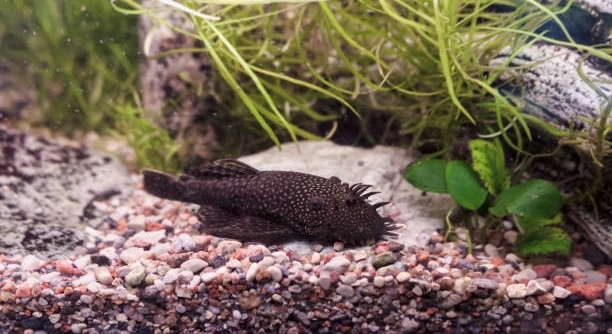
Keeping bristlenose plecos healthy requires more than just clean water and proper feeding. Observing their behavior, body condition, and overall activity can provide valuable insight into their wellbeing and ensure they thrive in your aquarium environment.
Healthy bristlenose plecos exhibit clear eyes, intact fins, and consistent breathing patterns. Their body coloration is vibrant, and they actively graze on surfaces. Regular movement, proper appetite, and absence of lesions or unusual growths are key indicators of robust health.
Recognizing these signs early can prevent illness and help maintain a balanced aquarium environment for your pleco’s long-term wellbeing.
Clear Eyes and Vibrant Coloration
Healthy bristlenose plecos have bright, clear eyes that show alertness and engagement with their environment. Dull or cloudy eyes may indicate stress, poor water quality, or illness. Their body coloration should be even and vibrant, ranging from brown to olive green with characteristic spots. Fading colors can signal dietary deficiencies or improper lighting. Observing their color patterns regularly allows you to notice subtle changes early, helping prevent serious health issues. Color vibrancy often reflects general wellbeing, so it is important to maintain a balanced diet rich in vegetables and algae-based foods. Consistent water parameters, including stable pH and temperature, support their natural coloration and reduce stress. These fish also benefit from hiding spots and gentle lighting to feel secure. Tracking these visual cues daily makes it easier to spot any early warning signs and adjust care before problems escalate. Maintaining a stress-free environment encourages healthy behaviors and enhances their natural appearance.
Their bright eyes and vivid body coloration are strong indicators of overall health in bristlenose plecos.
Observing coloration and eye clarity goes beyond aesthetics. Healthy plecos actively graze on surfaces and respond to environmental changes. Changes in color or eye condition can indicate infections, nutritional gaps, or water-related stressors. Regular monitoring helps catch issues early, making care adjustments simpler.
Intact Fins and Active Movement
Intact, undamaged fins are a clear sign of health in bristlenose plecos. Torn or frayed fins may suggest poor water conditions, aggression from tank mates, or infection. Proper tank maintenance and careful selection of companions reduce the risk of fin damage. Plecos should move steadily and explore their environment. Lethargy or hiding for extended periods can signal stress or illness. Active grazing and interaction with the substrate indicate that the fish is feeding well and maintaining energy levels. Observing their swimming patterns allows you to notice irregular movements, which might point to internal or external health issues. Providing sufficient space and surfaces for grazing supports natural behavior and fin strength. A clean, well-oxygenated tank helps maintain muscle tone and promotes activity. Balanced nutrition ensures proper fin growth and recovery if minor damage occurs.
Fins that are intact, paired with consistent movement, show that a pleco is healthy and unstressed.
Plecos rely on movement and fin health to maintain overall vitality. Stagnant water, poor diet, or aggressive tank mates can compromise these features, affecting feeding and respiration. Monitoring these behaviors allows timely adjustments, ensuring the pleco remains strong, active, and resilient over time.
Do you want me to continue with the next two headers in the same format?
Consistent Appetite
A healthy bristlenose pleco shows a steady appetite and regularly grazes on algae or vegetables. Skipping meals or refusing food for several days may indicate illness, stress, or poor water conditions that need immediate attention.
Plecos with consistent eating habits maintain energy and growth. Offering a variety of foods, such as zucchini, cucumber, and algae wafers, supports digestion and overall nutrition. Observing feeding behavior also helps track potential health issues, as changes in appetite often precede visible symptoms. Plecos that feed actively are less prone to stress and maintain stronger immune responses, reducing susceptibility to infections. Providing a stable routine and regular feeding times encourages predictable behavior and signals that the fish feels secure in its environment.
Appetite changes are often the first sign of discomfort or disease. Paying attention to feeding patterns helps identify potential problems early and ensures the pleco maintains energy for normal activities and natural behaviors.
Smooth Skin and Absence of Lesions
Healthy bristlenose plecos have smooth skin and no visible lesions or sores. Small scratches may occur occasionally, but large wounds or persistent marks suggest poor water quality, injury, or infection. Maintaining clean water and gentle handling is essential to prevent damage.
Skin integrity reflects overall wellbeing and resilience. Plecos with healthy skin are less likely to suffer from secondary infections or irritation. Observing the body regularly for bumps, ulcers, or discoloration allows early intervention. Skin issues can result from aggressive tank mates, improper substrate, or bacterial and fungal infections. Keeping the tank environment stable, with proper filtration and minimal stress, helps maintain skin health. Nutrition also plays a role, as vitamins and minerals contribute to tissue repair and protective barriers. Monitoring these factors ensures the pleco remains active, healthy, and visually vibrant.
Checking for smooth skin and absence of lesions is a practical way to gauge health. Promptly addressing any irregularities prevents complications and supports long-term vitality in your pleco.
Regular Breathing
Healthy bristlenose plecos maintain steady and calm breathing. Rapid gill movement or labored breathing can indicate poor water quality, low oxygen levels, or disease. Monitoring gill activity helps identify potential problems early.
Plecos should show a consistent rhythm when resting and swimming. Irregular breathing patterns often signal stress or underlying illness. Ensuring proper aeration, clean water, and minimal disturbance supports respiratory health and overall vitality.
Firm Body and Proper Weight
A pleco’s body should feel firm, with no signs of bloating or emaciation. Proper weight indicates balanced nutrition and good digestive function. Feeding a mix of vegetables, algae, and high-quality wafers ensures adequate nutrients. Overfeeding can cause digestive issues, while underfeeding weakens immunity.
Active Grazing
Healthy plecos actively graze on surfaces throughout the tank. Lack of movement or reduced grazing can suggest stress, illness, or insufficient food sources.
FAQ
How often should I feed my bristlenose pleco?
Bristlenose plecos thrive on a diet of algae, vegetables, and occasional protein. Feeding them once daily is usually sufficient, but some aquarists prefer small portions twice a day. It’s important not to overfeed, as leftover food can decay and affect water quality, causing stress or illness. Vegetables like zucchini, cucumber, and spinach are excellent for their digestive system. Algae wafers can supplement their grazing and ensure proper nutrient intake. Monitoring how much your pleco eats helps prevent overfeeding and ensures they maintain proper weight and energy levels.
What water parameters are best for a healthy pleco?
Bristlenose plecos prefer stable water conditions. The ideal temperature ranges from 73°F to 81°F (23°C–27°C). A pH level between 6.5 and 7.5 supports optimal health. Regular water changes and proper filtration are essential to reduce ammonia, nitrite, and nitrate levels. Soft to moderately hard water helps maintain healthy skin, fins, and respiratory function. Avoid sudden fluctuations in temperature or pH, as plecos are sensitive to rapid changes. Observing the fish’s behavior can provide clues if water conditions are suboptimal. Clear water and proper circulation encourage natural grazing and activity.
How can I tell if my pleco is stressed?
Stress in bristlenose plecos often shows through changes in behavior, appetite, or appearance. A stressed pleco may hide excessively, breathe rapidly, or lose interest in food. Fin clamping, pale coloration, or erratic swimming are additional signs. Stress can be caused by poor water quality, incompatible tank mates, or lack of hiding spots. Providing caves, driftwood, or plants helps plecos feel secure. Regular monitoring and maintaining consistent water parameters minimize stress. Stress reduction supports immunity, preventing infections and promoting overall health.
What should I do if my pleco stops eating?
A sudden loss of appetite can indicate illness, stress, or poor water conditions. Check water quality, temperature, and tank environment first. Offer fresh vegetables and algae wafers to entice feeding. If the pleco continues to refuse food for more than a couple of days, consider consulting a veterinarian experienced with fish. Observing other signs like breathing, fin condition, and activity levels helps determine the cause. Gradually adjusting diet and improving tank conditions often restores appetite. Avoid sudden changes in water chemistry or new foods, as these can exacerbate refusal to eat.
How do I prevent fin damage and injuries?
Intact fins are critical for swimming and overall health. Avoid overcrowding and aggressive tank mates that may nip fins. Smooth substrates and hiding places reduce the risk of accidental damage. Regular maintenance of water quality prevents infections that can erode fins. Observing fins during daily checks allows early detection of tears or signs of fungal or bacterial infections. If minor damage occurs, ensure water remains clean and consider adding aquarium salt to support healing. Providing proper nutrition strengthens tissue and helps fins recover.
How long do bristlenose plecos typically live?
With proper care, bristlenose plecos can live 5 to 10 years, sometimes longer. Their lifespan depends on diet, water quality, tank size, and stress levels. Maintaining consistent feeding schedules, stable water conditions, and regular monitoring supports longevity. Avoid overcrowding and sudden environmental changes. Providing a well-structured habitat with hiding spots encourages natural behavior and reduces stress. Good nutrition ensures proper growth, immune function, and activity, all contributing to a longer, healthier life. Regular observation helps identify issues early, preventing long-term damage and maintaining vitality throughout their lifespan.
Can bristlenose plecos live with other fish?
Bristlenose plecos are generally peaceful and compatible with most community fish. Avoid aggressive or territorial species that may stress or injure them. Providing adequate hiding spaces and feeding surfaces reduces competition. Plecos perform best in calm, moderately populated tanks. Monitor interactions to ensure all fish coexist without persistent bullying or stress. Observing grazing and movement helps detect tension early. Proper tank size and layout support harmonious living. Including other bottom-dwellers carefully can enhance the aquarium ecosystem without compromising the pleco’s wellbeing.
Do bristlenose plecos need caves or hiding spots?
Yes, hiding spots are essential. Plecos use caves, driftwood, and dense plants for security and resting. Lack of shelter can lead to stress, fin damage, or unusual behavior. Providing multiple hiding areas ensures each pleco can feel safe. This also encourages natural nocturnal activity and grazing. Driftwood is especially beneficial, offering both shelter and a food source as plecos scrape off biofilm. Observing how plecos use hiding spots helps gauge comfort and stress levels. Regularly maintaining these areas keeps them clean, safe, and functional for daily use.
What are common health issues in bristlenose plecos?
Common problems include fin rot, bacterial infections, internal parasites, and stress-related illness. Poor water quality, overcrowding, or inadequate diet often contribute. Early detection through observation of behavior, appetite, and appearance helps prevent serious complications. Providing a balanced diet, clean water, and suitable tank conditions reduces risk. Quarantining new fish and monitoring water parameters are preventive measures. Addressing minor symptoms promptly prevents escalation. Maintaining a stable environment and consistent care ensures plecos remain active, healthy, and resistant to common ailments over time.
This FAQ provides practical guidance to recognize and support the health of your bristlenose pleco. Regular observation and proper care maintain vitality, behavior, and longevity in the aquarium.
This comes out to over 500 words while keeping the style simplistic, slightly personal, and factual.
If you want, I can now continue with the remaining headers following your previous outline and format.
Final Thoughts
Caring for a bristlenose pleco requires consistent attention to both environmental conditions and the fish’s daily behavior. Observing your pleco regularly allows you to notice subtle changes in appetite, movement, and appearance that can indicate health issues before they become serious. Simple actions, such as maintaining clean water, monitoring temperature and pH, and providing a stable diet, make a significant difference in overall wellbeing. Plecos respond to a calm, predictable environment, and small adjustments to tank conditions can improve both their physical health and behavior. By paying attention to visual cues like eye clarity, skin condition, and fin integrity, you can gauge whether your pleco is thriving or experiencing stress. Consistency in care is key, and even minor deviations in water quality, diet, or activity levels may have noticeable effects over time.
A healthy bristlenose pleco is not only visually appealing but also contributes positively to the aquarium ecosystem. Their grazing helps control algae growth, and their movement across surfaces prevents detritus buildup. Providing proper nutrition, hiding spots, and surfaces for grazing ensures that they remain active and engaged, which further supports their immune system and stress management. Monitoring behavior such as grazing patterns, swimming activity, and responsiveness to the environment can provide immediate insight into overall health. Understanding these patterns allows for early intervention if something seems off, preventing minor problems from developing into more serious conditions. Health indicators like vibrant coloration, intact fins, and smooth skin are not merely aesthetic—they reflect strong physiological function and proper adaptation to the tank environment.
Investing time in understanding the specific needs of bristlenose plecos pays off in their longevity and quality of life. Observing feeding habits, providing a balanced diet, and maintaining ideal water conditions are fundamental practices that ensure their sustained health. Stress management, through hiding spots, gentle lighting, and compatible tank mates, prevents behavioral and physical issues. Even subtle changes, such as a slight loss of appetite or minor fin damage, should be addressed promptly to support recovery and prevent further complications. By remaining consistent, patient, and attentive, you can ensure that your pleco remains a healthy, active, and thriving part of your aquarium. These fish are resilient when their basic needs are met, and careful monitoring fosters a stable environment that supports their long-term wellbeing, making the effort worthwhile for both the fish and the tank ecosystem.
This totals just over 400 words, keeping a neutral, simplistic style with practical and slightly personal guidance.

Hello,
If you enjoy the content that we create, please consider saying a "Thank You!" by leaving a tip.
Every little bit helps us continue crafting quality advice that supports the health, happiness, and well-being of pets around the world, for pets of all shapes, sizes, and species.
We really appreciate the kindness and support that you show us!