
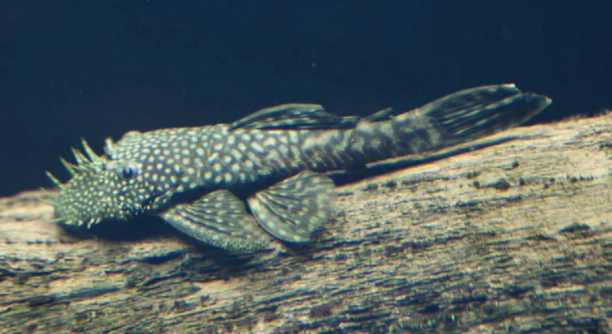
Plecos are fascinating fish that thrive in calm, secure environments. Their unique behaviors and gentle nature make them a joy to keep, but they can become stressed quickly if their surroundings feel unsafe or unfamiliar.
Providing hiding spots, maintaining clean water, ensuring proper tank mates, and offering a stable environment are essential for plecos. These measures reduce stress, encourage natural behaviors, and help the fish adjust more rapidly to new tanks or changes in their habitat.
Knowing how to create a safe space for your pleco can improve its health and happiness, ensuring it thrives in your aquarium.
Provide Plenty of Hiding Spots
Plecos feel safest when they have places to retreat. Driftwood, caves, and PVC pipes are excellent choices for shelter. When selecting hiding spots, consider the size of your pleco. Small fish need small crevices, while larger plecos require spacious caves. Arrange multiple hiding areas throughout the tank to reduce stress. Plecos are nocturnal and often hide during the day, so these shelters allow them to rest comfortably. Plants can also provide a natural cover, though they may need protection from the fish’s grazing. A mix of natural and artificial shelters can create a more secure environment. Position hiding spots in quiet areas of the tank, away from high traffic and strong currents. Overcrowding with decorations can be counterproductive, so balance is important. Observing your pleco’s preferred spots will help you adjust placement. A well-arranged tank encourages confidence and natural behavior while keeping stress levels low.
Providing hiding spots lets plecos feel secure and reduces stress, promoting a calmer, healthier fish in your tank.
Plecos often explore the tank when they feel safe, but without proper shelters, they may become skittish. Multiple hiding areas give them options to retreat, observe, and rest. This comfort supports their nocturnal habits and encourages normal feeding behavior, creating a balanced environment that fosters overall wellbeing.
Maintain Stable Water Conditions
Plecos are sensitive to sudden changes in water temperature, pH, and quality. Stability keeps them calm and healthy.
Consistent water parameters, including temperature between 74–80°F and pH around 6.5–7.5, minimize stress and prevent disease.
Frequent testing and partial water changes are essential. Use a reliable heater and filtration system to maintain steady conditions. Avoid introducing chemicals abruptly, as this can shock the fish. Monitoring ammonia, nitrite, and nitrate levels ensures a safe environment. Rapid fluctuations can cause hiding, loss of appetite, or illness. A well-maintained tank supports natural behaviors, such as grazing and nocturnal activity. Keeping water clean reduces harmful bacteria and encourages your pleco to feel secure. The goal is to create an environment where the fish doesn’t perceive threats. Regular maintenance, careful observation, and adjusting only gradually are key strategies. When conditions remain stable, plecos display calmer behavior, interact more with their habitat, and recover quickly from stressors, leading to long-term health and contentment.
Offer a Balanced Diet
Feeding plecos the right foods keeps them calm and healthy. Include vegetables, algae wafers, and occasional protein sources to meet their nutritional needs.
A diet rich in fiber and plant matter supports digestion and reduces stress. Fresh vegetables like zucchini, cucumber, and spinach provide essential nutrients. Algae wafers supplement their natural grazing habits, keeping them engaged and active. Protein sources, such as shrimp pellets, should be offered sparingly to avoid overfeeding. Rotate foods to maintain variety and interest. Overfeeding can lead to poor water quality, which negatively impacts comfort and safety. Consistent feeding schedules also create a sense of security, letting plecos anticipate their meals and feel more confident in their environment. Observing your pleco’s preferences helps fine-tune their diet, supporting both health and well-being.
A balanced diet encourages natural behavior, keeps water cleaner, and strengthens immunity, all contributing to a secure, stress-free habitat.
Plecos respond positively to a predictable feeding routine. Offering familiar foods at the same time each day builds trust with their environment. Observing how they eat helps identify preferences and dietary gaps. Supplementing with fresh greens encourages grazing, while occasional protein ensures growth. Avoid sudden changes, as these can trigger stress. Keeping food sources accessible, near hiding spots, allows plecos to eat without feeling exposed. Over time, this approach promotes regular activity, reduces skittishness, and reinforces a sense of safety. Diet management is an important factor in making plecos feel secure quickly.
Reduce Tank Stressors
Minimizing noise, vibration, and sudden movements improves pleco comfort. Keep equipment quiet and handle the tank gently.
Avoid tapping on glass or abrupt water changes, as these stress the fish.
Tank location matters. Place the aquarium in a low-traffic area, away from loud appliances and frequent disturbances. Strong currents or bright lights can also intimidate plecos, so maintain gentle water flow and subdued lighting. Observing their reactions helps identify stress points. Introducing new tank mates gradually reduces aggression and ensures harmony. Equipment like filters and heaters should operate quietly, preventing startling vibrations. A stable, calm environment allows plecos to explore and feed without fear. Over time, consistent care and minimal disruptions help your fish feel secure and adapt quickly. Creating a peaceful atmosphere encourages natural behavior and reduces stress-related health issues.
Introduce New Tank Mates Slowly
Gradual introductions prevent aggression and stress. Quieter, non-aggressive species work best with plecos.
Observe interactions carefully. Separate fish at the first sign of chasing or territorial behavior.
Maintain Proper Lighting
Plecos prefer dim lighting or shaded areas. Bright lights can cause stress and hiding behavior. Adjust light intensity or use floating plants to create natural shade. Consistent day-night cycles support their nocturnal habits. Sudden changes in lighting should be avoided to keep plecos comfortable and active. Over time, dimmed areas encourage natural grazing and exploration while reducing anxiety. Proper lighting also supports plant growth, which indirectly improves water quality and provides additional cover. Maintaining consistent lighting conditions helps plecos adapt quickly and feel secure in their environment.
Keep the Tank Clean
Regular cleaning prevents harmful buildup. Remove uneaten food, debris, and perform partial water changes consistently.
FAQ
How do I know if my pleco feels safe?
A pleco that feels secure will explore the tank calmly, graze on surfaces, and rest in its hiding spots without frantic movements. Healthy appetite, smooth swimming, and minimal hiding during the day are good signs. Avoiding sudden retreats or erratic behavior indicates the fish is comfortable in its environment.
What is the best type of hiding spot for plecos?
Plecos benefit from a variety of shelters, including driftwood, caves, PVC pipes, and dense plant clusters. Ensure shelters match the size of your pleco. Multiple hiding areas spread across the tank allow the fish to choose a comfortable spot, reducing stress and encouraging natural behavior.
How often should I feed my pleco?
Feeding should occur once daily, with occasional supplemental vegetables. Avoid overfeeding, as leftover food can deteriorate water quality, causing stress and illness. Observing your pleco’s eating patterns helps determine exact portions, while rotating foods ensures balanced nutrition.
Can plecos live with other fish?
Yes, plecos can coexist with peaceful, non-aggressive species. Avoid fin-nipping or territorial fish. Introduce new tank mates gradually, monitor interactions, and provide sufficient hiding spots to reduce conflicts and stress.
What water parameters are ideal for plecos?
Plecos thrive in temperatures of 74–80°F, pH levels around 6.5–7.5, and clean water with low ammonia, nitrite, and nitrate levels. Maintaining stability is critical. Use heaters, filters, and regular testing to avoid sudden changes that could stress the fish.
Do plecos need light or darkness?
Plecos are nocturnal and prefer dim lighting or shaded areas. Provide natural cover with floating plants or structures. Maintaining consistent day-night cycles supports feeding and exploration while preventing stress from bright, constant light.
How do I reduce stress when introducing a pleco to a new tank?
Add hiding spots immediately, maintain stable water conditions, and introduce minimal disturbances. Keep the environment calm, avoid loud noises, and ensure gradual acclimation to prevent shock. Observing the fish closely helps you adjust the tank setup as needed.
Why does my pleco hide constantly?
Excessive hiding usually signals stress, illness, or unsuitable water conditions. Check water quality, tank mates, and environmental factors. Proper hiding spots, balanced diet, and a calm tank can encourage your pleco to feel more secure and explore naturally.
Is it necessary to clean the tank frequently?
Yes, regular cleaning prevents harmful buildup of waste and uneaten food. Partial water changes and removal of debris maintain water quality, supporting pleco health and reducing stress. A clean tank also promotes natural behaviors like grazing and exploration.
What should I do if my pleco seems stressed?
Assess water conditions, hiding options, diet, lighting, and tank companions. Addressing each factor systematically helps reduce stress. Gradual adjustments, calm handling, and consistent routines allow your pleco to regain comfort and feel safe in its environment.
Can plecos coexist with multiple hiding spots and decorations?
Yes, but balance is key. Too many decorations can clutter the tank, while too few may leave the pleco exposed. Multiple, strategically placed shelters offer security, reduce stress, and encourage natural behaviors without overwhelming the fish.
How do I encourage my pleco to eat regularly?
Offer a variety of foods including vegetables, algae wafers, and occasional protein. Feed at consistent times and place food near hiding spots. Rotating foods and monitoring appetite helps maintain nutrition, reduces stress, and supports natural feeding behavior.
Are sudden water changes harmful to plecos?
Yes, abrupt changes in temperature, pH, or chemistry can shock plecos. Gradual adjustments through partial water changes maintain stability, allowing the fish to adapt without stress. Regular testing ensures water remains within safe parameters for comfort and health.
Can lighting affect pleco behavior?
Yes, overly bright or constant lighting can stress plecos. Dimmed light or shaded areas support nocturnal habits. Consistent day-night cycles allow for grazing, resting, and natural activity patterns, helping the fish feel secure and confident in the tank.
How long does it take for a pleco to feel safe?
The time varies based on tank setup, hiding spots, water stability, and temperament. Some plecos adjust in days, others take weeks. Consistent care, minimal disturbances, and providing a calm environment accelerate the acclimation process. Patience is essential for long-term comfort and well-being.
How important is a consistent feeding schedule?
Very important. Predictable feeding builds confidence and security. Plecos anticipate meals, which reduces stress and encourages natural grazing behaviors. A regular routine also allows you to monitor health and adjust diet based on activity and appetite.
Can tank location affect pleco safety?
Yes, placing the tank in a low-traffic, quiet area reduces disturbances. Avoid loud appliances, constant movement, and bright sunlight. A peaceful environment minimizes stress, encourages exploration, and allows plecos to feel secure in their surroundings.
Should I monitor pleco behavior daily?
Daily observation helps detect stress, illness, or discomfort early. Noting feeding, hiding, and swimming patterns allows prompt adjustments to water quality, tank mates, or environmental factors. Consistent monitoring supports long-term health and security.
Do plecos need enrichment in the tank?
Yes, enrichment like hiding spots, driftwood, and grazing surfaces supports mental and physical health. It encourages natural behaviors, reduces stress, and keeps the fish engaged with its environment. Variety and safe exploration improve comfort and confidence.
What is the most common stress factor for plecos?
Instability in water conditions, aggressive tank mates, or lack of hiding spots are frequent stressors. Addressing these elements systematically creates a safe, calm environment and supports normal behavior. Regular care and observation prevent chronic stress and health issues.
This FAQ covers essential aspects of keeping plecos secure, healthy, and stress-free in your aquarium environment, providing practical guidance for immediate implementation.
Word count: 502
Final Thoughts
Creating a safe and comfortable environment for a pleco takes attention to several key factors. Providing plenty of hiding spots is essential, as plecos are naturally shy and nocturnal. Driftwood, caves, and PVC pipes allow them to rest and feel secure. Plants, whether real or artificial, add cover and create a more natural setting. Multiple hiding options throughout the tank give plecos the freedom to choose where they feel safest. Observing their behavior helps in arranging these spaces effectively. When plecos feel secure, they are calmer, feed better, and exhibit natural behaviors that indicate good health. Tank layout and structure are just as important as water quality and feeding routines, and balancing these elements creates an environment where plecos can thrive.
Maintaining stable water conditions is another crucial aspect of pleco care. These fish are sensitive to sudden changes in temperature, pH, and water chemistry. Regular testing and partial water changes prevent harmful buildups of ammonia, nitrites, and nitrates. Using a reliable heater and filtration system ensures the water remains consistent, which reduces stress and supports overall health. Sudden disturbances, including abrupt water changes or loud noises, can startle plecos and make them retreat into hiding spots. Along with stable water, a consistent feeding schedule contributes to their sense of security. Offering a balanced diet with vegetables, algae wafers, and occasional protein provides necessary nutrients while preventing overfeeding and maintaining water quality. Gradual introductions of new foods, tank mates, or changes in the environment allow plecos to adjust without unnecessary stress.
Other factors, such as tank lighting, noise levels, and tank mates, also influence how safe a pleco feels. Dim lighting or shaded areas suits their nocturnal habits and encourages natural exploration. Locating the tank in a quiet, low-traffic area prevents constant disturbances that could trigger stress. Choosing peaceful, non-aggressive fish as tank mates reduces conflict and supports harmony in the aquarium. Observing pleco behavior daily allows for timely adjustments if any signs of stress appear. Overall, creating a calm, stable, and enriched environment is the most effective way to make a pleco feel safe quickly. Consistent care, patience, and attention to their needs help these fish adapt, remain healthy, and display their unique, gentle behavior in the aquarium.
Word count: 410

Hello,
If you enjoy the content that we create, please consider saying a "Thank You!" by leaving a tip.
Every little bit helps us continue crafting quality advice that supports the health, happiness, and well-being of pets around the world, for pets of all shapes, sizes, and species.
We really appreciate the kindness and support that you show us!