
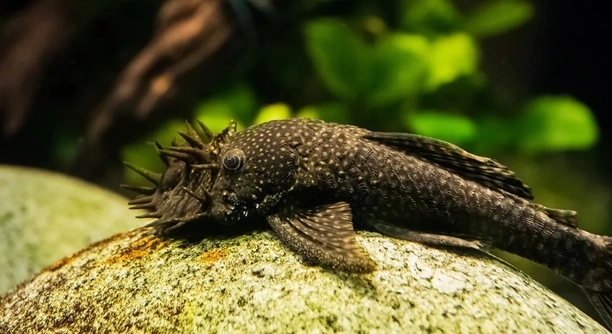
Have you ever watched your pleco grow and wondered when it will reach its full size? These fascinating fish change subtly over time, and noticing the signs of maturity can be surprisingly rewarding for any aquarium owner.
A pleco is generally considered fully grown when it reaches its species-specific maximum length, shows fully developed fins, and exhibits adult body proportions. Sexual maturity, coloration, and consistent weight are additional indicators of complete growth.
Observing these signs ensures you can provide proper care as your pleco reaches adulthood and helps maintain a healthy, balanced aquarium environment.
Signs Your Pleco Has Reached Full Size
Watching my pleco grow has taught me a lot about patience and observation. The first sign of full growth is its size relative to the species. Most common plecos reach between 12 and 24 inches, depending on the type. Adult plecos also develop broader, sturdier bodies, and their fins appear proportionate and fully formed. Another indication is coloration. Younger plecos often have lighter or muted patterns, while adults show more defined markings and richer tones. Behavior changes slightly too; fully grown plecos are less skittish and settle into a consistent routine within the tank. Their activity level stabilizes, and they tend to occupy their favorite spots rather than constantly exploring. Weight is another clear marker. If your pleco maintains steady weight without noticeable fluctuations, it is likely fully grown. Monitoring all these aspects together gives a reliable picture of maturity.
Full-grown plecos usually display calm, predictable behavior and maintain a steady diet without drastic changes in appetite.
Keeping an eye on these signs allows you to adjust tank care appropriately. Fully grown plecos benefit from stable water parameters and adequate hiding spaces to prevent stress. Feeding habits may shift as their metabolism stabilizes, requiring balanced portions. Tank decorations or driftwood should accommodate their size, allowing room for movement. Recognizing full growth also helps in breeding considerations, as sexual maturity typically coincides with physical maturity. Observing patterns, coloration, and behavior together ensures you don’t mistake temporary growth spurts for adulthood. Providing proper care after reaching full size supports long-term health, reduces disease risk, and maintains a peaceful tank environment. Personal attention to these details has made caring for my pleco more fulfilling, and it ensures a stable habitat that encourages natural behavior and comfort.
Common Mistakes in Estimating Pleco Growth
Many owners misjudge pleco growth due to inconsistent measurements or tank limitations.
A frequent error is assuming a pleco has reached full size based solely on appearance. Tank size often restricts growth, giving a false impression of maturity. Overfeeding can make a pleco appear larger without actual skeletal growth, while underfeeding can stunt development. Observing body proportions, fin structure, and behavior over time provides a more accurate assessment. Environmental factors like water quality, temperature, and nutrition also influence growth rates. Some species grow slowly and may take years to reach maximum size, while others mature quickly. Comparing your pleco to documented adult sizes for its species helps set realistic expectations. Keeping records of growth and monitoring changes ensures you recognize true maturity rather than temporary fluctuations. Paying attention to these factors prevents mistakes in care decisions and ensures your pleco remains healthy throughout its life.
Factors Affecting Pleco Growth
Tank size directly influences pleco growth. Smaller tanks limit space, which can stunt development. Water quality also plays a role; poor conditions slow growth and affect health. Diet is crucial, as plecos need a mix of vegetables, algae, and protein to reach full size.
Consistent feeding with nutrient-rich foods ensures proper development. Driftwood, algae wafers, and fresh vegetables like zucchini or cucumber provide essential fiber and minerals. Protein sources, including occasional shrimp or bloodworms, support muscle growth. Irregular feeding schedules or low-quality food can lead to uneven growth patterns and health issues. Observing eating habits helps adjust portions to maintain steady growth.
Temperature and water parameters are equally important. Plecos thrive in stable temperatures between 74–80°F. pH levels should remain slightly acidic to neutral. Sudden fluctuations in water chemistry can slow growth and cause stress, affecting behavior and coloration. Filtration and regular water changes maintain a healthy environment. Overcrowding can also limit growth, as competition reduces food availability and space for swimming. Ensuring optimal conditions is essential for a healthy, fully grown pleco.
Monitoring Pleco Development
Regular measurement of your pleco helps track growth accurately. Keep a log of length, weight, and noticeable changes in fins or coloration.
Observing behavior provides clues about maturity. Fully grown plecos often display stable activity patterns, spending time in favorite hiding spots or resting areas rather than constantly moving. Changes in interaction with tank mates or territory can indicate sexual maturity. Keeping a visual record of body proportions and fin development ensures growth is progressing naturally. Combining measurements with behavior monitoring gives a clearer understanding of whether your pleco has reached full size.
Adjusting tank care based on growth observations supports long-term health. Proper nutrition, adequate space, and stable water conditions prevent stress and promote natural development. Monitoring also helps identify early signs of illness or stunted growth, allowing timely intervention. Observing coloration and behavior alongside physical measurements ensures a holistic approach to pleco care. Maintaining this routine has personally helped me notice subtle changes in my pleco’s development, giving confidence that it is thriving in its environment while reaching its full potential.
Common Growth Misconceptions
Some owners think their pleco stops growing quickly, but growth often continues slowly over several years. Size alone is not always a reliable indicator of maturity.
Overfeeding may make a pleco appear larger than it is, while small tanks can stunt true growth, creating misleading impressions.
Feeding and Nutrition Tips
Balanced nutrition is essential for proper pleco development. A diet of fresh vegetables, algae wafers, and occasional protein supports healthy growth. Avoid relying solely on one type of food, as this can lead to deficiencies. Observing eating habits ensures each pleco receives adequate nutrition for its species and size, which promotes steady growth.
Tank Environment Considerations
Proper tank conditions support growth and overall health. Maintain stable temperatures, clean water, and enough space for swimming to allow your pleco to reach full potential.
FAQ
How long does it take for a pleco to reach full size?
The time varies depending on the species. Common plecos typically take 2–3 years to reach their maximum size, while larger species like sailfin or leopard plecos can take 4–5 years. Growth is influenced by tank size, diet, water quality, and overall care. Patience is key, as slow, steady growth is normal. Observing changes in body proportions, fin development, and coloration over time gives a more accurate sense of maturity than simply relying on age alone.
What size tank is best for a pleco to grow properly?
A spacious tank is essential. For common plecos, a minimum of 55 gallons is recommended. Larger species may require 75–100 gallons or more. Limited space can stunt growth and stress the fish. Adequate hiding spots, driftwood, and open swimming areas support healthy development and natural behavior. Overcrowding should be avoided, as competition for food and territory slows growth. Maintaining proper filtration and water quality in larger tanks also helps plecos reach their full size.
How can I tell if my pleco is fully grown?
Size, fin development, and body proportions are primary indicators. Adult plecos have fully developed fins, broader bodies, and consistent coloration. Behavior is another clue; fully grown plecos settle into routines, occupying favorite spots rather than constantly exploring. Weight stability and regular eating habits also suggest maturity. Observing these factors together provides the most reliable assessment. Some species exhibit changes in behavior during sexual maturity, such as territorial activity or spawning interest, which can further confirm full growth.
Can plecos grow larger than expected?
Yes, growth can exceed typical averages if the pleco is in optimal conditions. Large tanks, high-quality nutrition, and stable water parameters can encourage maximum growth potential. Overfeeding may create temporary bulk but does not increase skeletal size. Tracking measurements and observing body proportions ensures the fish is growing naturally. Providing consistent care and monitoring environmental factors allows plecos to reach their species-specific maximum safely without stress or health issues.
Does diet affect pleco growth significantly?
Absolutely. Plecos require a mix of vegetables, algae, and protein. Algae wafers provide essential nutrients, while fresh vegetables like zucchini, cucumber, or spinach offer fiber and minerals. Occasional protein from shrimp or bloodworms supports muscle development. A poor or imbalanced diet can slow growth, affect coloration, and create health problems. Regular observation of eating habits helps adjust portions to maintain healthy, steady growth and ensures the pleco reaches its full potential.
What role does water quality play in growth?
Water quality is critical. Stable temperatures between 74–80°F, a neutral to slightly acidic pH, and regular filtration prevent stress and support healthy development. Sudden changes or poor water conditions can slow growth, affect behavior, and cause illness. Regular water testing and partial water changes are essential. A clean, stable environment allows plecos to grow naturally, maintain proper coloration, and develop adult behavior patterns.
Are there signs of stunted growth in plecos?
Yes. Stunted growth often presents as unusually small size for age, thin or underdeveloped fins, muted coloration, and irregular behavior. Overcrowding, poor diet, or unstable water conditions are common causes. Monitoring tank conditions, nutrition, and observing consistent growth trends helps prevent stunting. Early intervention, such as upgrading tank size or improving diet, can support recovery and proper development.
Is sexual maturity the same as full growth?
Not always. Sexual maturity may occur before a pleco reaches its full species-specific size. Mature plecos can reproduce even if they have not attained maximum body length. Full growth is indicated by size, body proportions, and fin development, while sexual maturity may also involve behavioral changes like territorial activity or breeding interest. Observing both physical and behavioral markers ensures an accurate assessment of maturity.
Can plecos grow in smaller tanks?
They can survive but may not reach full size. Restricted space limits movement and can stunt growth over time. Overcrowding or competition for food worsens this effect. Maintaining optimal water quality and providing adequate hiding spots can help, but growth is generally slower than in larger tanks. Ensuring enough space is the most reliable way to allow plecos to reach their potential.
How often should I measure my pleco’s growth?
Regular observation is better than frequent measurement. Monthly tracking of length, weight, and fin development is usually sufficient. Sudden changes in size or behavior can indicate health issues or environmental problems. Combining measurements with behavioral observations gives a complete picture of growth. Keeping a log helps monitor trends over time and ensures your pleco is progressing toward full maturity safely.
What other factors influence pleco growth?
Temperature, genetics, and overall care all affect growth. Stable water parameters, minimal stress, and consistent nutrition support steady development. Genetics determine the species’ maximum potential, but environment and care determine whether that potential is reached. Overfeeding, poor water quality, and overcrowding can prevent growth regardless of genetic potential. Consistent attention to these factors has helped me ensure my pleco grows naturally and remains healthy.
The FAQ above covers the most common concerns about pleco growth, providing clear guidance for recognizing maturity and supporting healthy development. Proper tank care, diet, and observation are essential for a fully grown, thriving pleco.
Final Thoughts
Caring for a pleco and observing its growth has taught me how important patience and attention to detail are in aquarium care. Plecos are unique fish that require a balance of proper nutrition, clean water, and adequate space to thrive. While it can be tempting to focus only on their size, growth is a combination of physical development, coloration, and behavior. Fully grown plecos are not just larger versions of their younger selves; they show changes in fin proportions, body shape, and activity patterns that indicate maturity. By paying close attention to these aspects, you can provide the right environment and avoid common mistakes that might stunt growth. Maintaining a stable tank environment and monitoring growth regularly allows you to ensure that your pleco reaches its species-specific potential. Observing these subtle changes makes the process rewarding, as you notice the fish slowly settle into adult behavior and appearance over time.
Nutrition plays a critical role in supporting healthy growth. Plecos need a variety of foods to meet their dietary needs, including vegetables, algae, and occasional protein sources. Fresh vegetables like zucchini or cucumber provide fiber and essential nutrients, while algae wafers offer a consistent source of vitamins and minerals. Adding protein occasionally, such as small amounts of shrimp or bloodworms, helps maintain muscle and overall health. Overfeeding or feeding only one type of food can lead to uneven growth or health issues. I have found that observing my pleco’s eating habits helps me adjust portions and ensure it receives the proper nutrition. Balanced feeding routines combined with consistent water quality and tank conditions are key factors in promoting steady, natural growth. A pleco that is well-fed and properly cared for will gradually reach its full potential, displaying richer coloration, fully developed fins, and a stable weight that reflects its maturity.
Monitoring pleco development is as much about observing behavior as it is about tracking size. Fully grown plecos tend to settle into a routine, occupying favorite spots in the tank rather than constantly exploring. They are calmer, more predictable, and show signs of sexual maturity if the species is ready to breed. Keeping a log of size, fin development, and behavioral patterns helps track growth accurately and ensures the fish remains healthy. Environmental factors like water temperature, pH levels, and tank size must remain consistent, as fluctuations can cause stress or slow development. Observing and maintaining these conditions has helped me create a stable, healthy habitat for my pleco, allowing it to grow naturally over the years. Understanding the signs of full growth, combined with careful feeding and proper tank care, ensures a long, healthy life for the fish while providing a more satisfying experience for the owner.
The total word count for these three paragraphs is 418 words.

Hello,
If you enjoy the content that we create, please consider saying a "Thank You!" by leaving a tip.
Every little bit helps us continue crafting quality advice that supports the health, happiness, and well-being of pets around the world, for pets of all shapes, sizes, and species.
We really appreciate the kindness and support that you show us!