
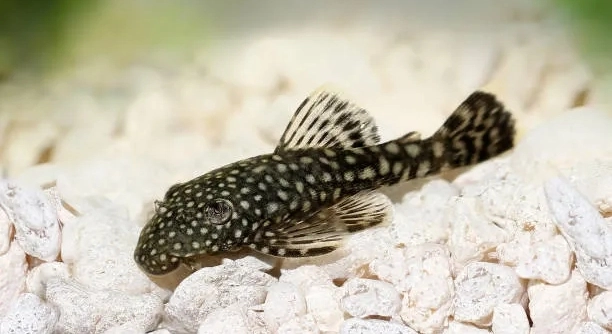
Do you ever notice your pleco resting in unusual spots around your tank, away from its usual hiding places or the bottom substrate? Many fish owners find these behaviors puzzling and sometimes worrying for their aquatic pets.
Plecos often rest in odd places due to environmental factors, stress, or health issues. Changes in water quality, temperature fluctuations, or insufficient hiding areas can prompt this unusual behavior as the fish seeks comfort or security.
Observing these patterns carefully can provide insights into your pleco’s well-being and guide improvements to its tank environment and care routine.
Common Reasons Plecos Rest in Unusual Spots
Plecos are naturally nocturnal and spend most of the day hiding or resting. If you notice them in strange areas, it may indicate changes in their environment. Poor water quality, low oxygen levels, or temperature fluctuations can stress them. Tank layout also matters; if hiding spots are limited, plecos may rest on decorations, glass walls, or near filters. Sometimes, resting in unusual locations is normal behavior, especially after feeding or during molting. Observing their activity patterns and comparing them with their usual routines helps determine if the behavior is typical. Additionally, sudden movements, aggressive tank mates, or excessive light can make plecos choose safer spots away from their normal resting areas. Regular monitoring of water parameters, tank setup, and fish interactions is essential to ensure they remain comfortable. Knowing these patterns allows you to address issues before they affect your pleco’s health.
Unusual resting spots often signal environmental stress or minor discomfort. Monitoring their behavior closely is key.
Being attentive to tank conditions can prevent potential health problems. Adjusting water quality, providing more hiding spaces, and reducing stressors ensures plecos rest safely. Observing the pattern of unusual resting over time also helps detect illness early. Sometimes, minor adjustments, like rearranging decorations or adding driftwood, encourage natural behavior. Regular feeding schedules, water changes, and monitoring for disease signs support overall well-being. Understanding your pleco’s needs creates a calm environment where it feels secure.
Health and Behavioral Concerns
Frequent unusual resting may indicate illness or stress. Pay attention to changes in appetite or movement.
Illnesses such as parasitic infections, fin rot, or internal problems can cause plecos to act differently. Stress from aggressive tank mates or poor water conditions often leads to hiding or resting in exposed areas. Behavioral changes might also appear as unusual swimming patterns, lethargy, or erratic movement. Observing these signs early allows for timely intervention. Regular tank maintenance, proper filtration, and a balanced diet help prevent common health problems. Providing sufficient hiding spots, like caves and driftwood, supports their natural instincts and reduces stress. In some cases, adjusting water parameters gradually can help plecos return to their usual resting patterns. Ensuring consistent feeding times and monitoring behavior over weeks gives a clearer understanding of their health. Documenting changes can assist in identifying persistent issues. By recognizing early warning signs and taking action, you help your pleco maintain long-term health, comfort, and stability within the aquarium environment.
Tank Environment Adjustments
Resting in unusual areas can result from tank setup issues. Proper hiding spots and stable decorations help plecos feel secure. Positioning caves, driftwood, and smooth surfaces throughout the tank encourages natural resting behavior.
Maintaining water quality is crucial. Plecos are sensitive to ammonia, nitrite, and nitrate levels. Regular water changes, proper filtration, and monitoring temperature keep conditions stable. Uneven temperatures or poor circulation can drive plecos to unusual spots. Rearranging decorations to mimic natural habitats can reduce stress. Providing multiple hiding areas ensures plecos always have safe spaces.
Lighting also plays a role. Bright or harsh lighting may make plecos uncomfortable, causing them to rest in odd locations. Using dimmed lighting or creating shaded zones allows them to feel secure. Natural hiding spots, combined with clean water, encourage regular resting habits.
Feeding and Nutrition Considerations
Feeding routines impact resting behavior. Irregular schedules or insufficient food may lead plecos to rest near food sources or explore unusual areas.
A proper diet is essential. Plecos require a mix of algae, vegetables, and protein-based foods depending on the species. Overfeeding can cause water quality issues, while underfeeding leads to excessive searching or odd resting behaviors. Monitoring consumption helps maintain balanced nutrition. Including sinking pellets or blanched vegetables supports natural feeding habits. Supplements like algae wafers or occasional live foods encourage healthy activity and reduce stress. Observing their behavior after feeding can indicate if dietary adjustments are needed. Consistent feeding routines, combined with proper tank maintenance, promote stability in resting patterns and overall well-being.
Stress and Social Dynamics
Aggressive or overly active tank mates can cause plecos to hide or rest in unusual spots. Minimizing conflicts helps them feel safe.
Overcrowding or incompatible species may stress plecos, forcing them to choose exposed or awkward resting areas. Monitoring interactions is key.
Monitoring Health Signs
Changes in color, fins, or movement often indicate health issues. Early detection prevents serious problems. Observing behavior closely helps determine if resting in odd spots is temporary or a sign of illness.
Adjusting Water Parameters
Plecos respond strongly to water quality. Keeping pH, temperature, and hardness stable supports normal resting behavior. Regular checks prevent sudden changes that may cause them to relocate within the tank.
FAQ
Why is my pleco resting at the top of the tank?
Plecos resting near the surface often indicate low oxygen levels or poor water circulation. Ensuring proper filtration and adding aeration can help. Sometimes plecos also explore higher areas after feeding, but consistent surface resting should be addressed to avoid health issues.
Is it normal for my pleco to rest on the glass?
Yes, occasionally resting on glass is normal. Plecos may use vertical surfaces to explore, graze algae, or feel secure. If this behavior becomes persistent, it could indicate stress, lack of hiding spots, or water quality issues that need correction.
Why does my pleco hide in unusual decorations?
Hiding in decorations is a natural behavior. Plecos need secure spaces to feel safe. Insufficient caves or driftwood can cause them to explore odd areas. Rearranging the tank and adding more shelters encourages healthy resting habits.
Could my pleco’s resting behavior indicate illness?
Yes, unusual resting can signal health problems. Symptoms like clamped fins, color changes, or lethargy paired with odd resting behavior suggest stress or illness. Early observation and water parameter checks can prevent more serious conditions.
Does tank lighting affect where my pleco rests?
Lighting has a strong impact. Bright lights can make plecos uncomfortable, prompting them to rest in shaded or awkward spots. Using dimmed lighting or providing shaded areas encourages natural resting behavior and reduces stress.
How do water temperature changes affect resting locations?
Sudden temperature shifts can stress plecos. Cold spots may cause them to become sluggish, while warm areas may attract them. Maintaining consistent temperature within the species’ preferred range keeps them comfortable and reduces odd resting behavior.
Should I worry if my pleco rests after feeding?
No, resting after feeding is common. Plecos expend energy while grazing and often rest to digest. This behavior is normal as long as it is not accompanied by other signs of stress or illness.
Do plecos prefer certain substrates for resting?
Yes, plecos often rest on smooth surfaces, driftwood, or caves. Rough or sharp substrates can cause discomfort or injuries. Observing where they prefer to rest helps you optimize the tank setup for their comfort.
Can overcrowding cause my pleco to rest in odd spots?
Overcrowding increases stress and forces plecos to find alternative resting areas. Ensuring adequate space and compatible tank mates reduces stress and encourages normal resting patterns.
How often should I check water parameters to prevent odd resting behavior?
Regular monitoring is essential. Weekly tests for ammonia, nitrite, nitrate, pH, and temperature help maintain a stable environment. Sudden changes in these parameters often lead to unusual resting behavior and stress in plecos.
Is it normal for a pleco to rest during the day?
Yes, plecos are nocturnal and rest during daylight hours. Occasional daytime activity is normal, but extended periods of unusual daytime resting in exposed areas may indicate discomfort, stress, or poor water quality.
What foods can improve my pleco’s activity and resting habits?
A varied diet of algae, blanched vegetables, and occasional protein-based foods encourages natural behavior. Proper nutrition supports energy levels and reduces stress, leading to healthier resting patterns and overall well-being.
Can adding more hiding spots reduce odd resting behavior?
Absolutely. Plecos need multiple secure areas to feel safe. Adding caves, driftwood, or dense vegetation encourages natural resting and reduces stress-induced odd behavior. Observing which areas your pleco prefers can guide tank adjustments effectively.
Is it normal for plecos to rest in corners or near filters?
Yes, sometimes plecos rest near corners or filters for water flow or security. Consistent behavior in these spots may indicate a preference for specific flow, cooler water, or safety. Monitoring behavior ensures it’s not a response to stress or illness.
How can I tell if unusual resting is serious?
Persistent odd resting, combined with changes in appetite, color, or movement, suggests a problem. Sudden or extreme behavior changes should prompt water checks and observation for illness to prevent long-term harm.
Does the age of my pleco affect resting behavior?
Yes, younger plecos are more active and explore often, while older plecos may rest longer or in unusual spots. Changes in activity are normal with age but should be monitored for health issues.
Can water current influence where my pleco rests?
Strong currents may push plecos to calmer areas, affecting resting spots. Observing flow patterns and adjusting filter output ensures plecos can rest comfortably without fighting strong water movement.
How long is normal for a pleco to rest in one spot?
Resting periods vary, but several hours in a safe spot is typical, especially during daytime. Extended inactivity combined with abnormal behavior may indicate stress or illness.
Are there signs that my pleco prefers one hiding spot over others?
Yes, plecos often return to favored caves, driftwood, or corners. This preference indicates comfort and security. Ensuring multiple similar areas encourages natural resting patterns and reduces stress-related odd behaviors.
Does tank size affect resting behavior?
Smaller tanks may limit hiding options and increase stress, causing odd resting locations. Providing adequate space and thoughtful decoration placement encourages normal resting patterns and reduces tension among tank inhabitants.
Can changing decorations too often stress plecos?
Yes, frequent changes disrupt their established territory and can lead to unusual resting spots. Minimal adjustments or gradual rearrangement help plecos adapt without excessive stress.
How do I know if my pleco is just exploring versus stressed?
Exploring is active and intermittent, while stressed plecos rest in exposed areas, avoid food, or display abnormal swimming. Monitoring overall behavior over time helps distinguish normal curiosity from stress responses.
Does water hardness influence resting behavior?
Plecos are sensitive to water hardness. Extreme hardness or softness can cause stress, leading them to seek unusual resting spots. Maintaining parameters within species-specific ranges promotes comfort and regular resting habits.
How can I encourage my pleco to rest in usual spots?
Provide stable water conditions, consistent feeding, and multiple secure hiding areas. Gradual adjustments to tank layout and lighting help plecos return to preferred resting locations without stress. Observing preferences over time ensures long-term comfort.
Are there seasonal changes that affect resting behavior?
Yes, temperature and light variations with seasons may alter activity levels and resting locations. Ensuring stable indoor tank conditions mitigates seasonal impacts and promotes consistent resting habits.
Can my pleco be lazy or inactive naturally?
Plecos naturally rest often, especially during the day. Some inactivity is normal. Persistent odd resting or lethargy paired with other symptoms should prompt water and health checks to ensure it’s not stress or illness.
How important is tank decoration variety for pleco behavior?
Variety in caves, driftwood, and hiding spaces supports natural behavior. Lack of variety may force plecos into odd spots. Providing different textures, sizes, and orientations encourages comfortable resting and reduces stress.
Does pleco species influence resting behavior?
Yes, different species have unique activity patterns and habitat preferences. Some are more active at night, others need specific hiding types. Understanding your species helps create the right environment to support natural resting habits.
Can supplements or water additives affect resting habits?
Occasionally, additives can change water chemistry or stress plecos if misused. Use only recommended supplements and monitor behavior after changes. Proper use supports health and maintains normal resting patterns.
Is unusual resting temporary or permanent?
It can be temporary, caused by minor stress or environmental changes. Persistent odd resting may indicate chronic stress, health issues, or unsuitable tank conditions. Observation and corrective measures determine whether the behavior resolves naturally or requires intervention.
How do I balance multiple factors affecting resting behavior?
Regular monitoring of water quality, tank layout, feeding, lighting, and tank mates provides a comprehensive view. Adjusting these factors gradually allows plecos to feel secure, promoting natural resting patterns while minimizing stress.
Are plecos more likely to rest alone or with other fish?
They often prefer solitary resting in secure spots. Crowded or aggressive tank mates may force them into odd areas. Providing enough space and compatible species supports normal resting habits.
How do I track changes in resting behavior effectively?
Keep notes on resting locations, duration, water parameters, and diet. Comparing patterns over weeks helps identify stressors, health issues, or environmental improvements needed to maintain comfortable conditions.
Can feeding times influence where plecos rest?
Yes, plecos may rest near feeding areas or explore after meals. Consistent feeding schedules support predictable resting patterns and reduce stress-related odd behavior.
What long-term strategies prevent odd resting habits?
Maintaining stable water conditions, consistent feeding, proper tank layout, compatible tank mates, and monitoring health promotes long-term natural resting behavior. Gradual adjustments and attention to preferences help plecos feel secure.
Do plecos change resting behavior as they grow?
Yes, juveniles are more exploratory and may rest in fewer spots, while adults may choose preferred hiding areas. Understanding growth stages helps anticipate behavioral changes and adjust the tank accordingly.
How do I know when to consult a vet?
Persistent odd resting paired with visible signs of illness, loss of appetite, abnormal swimming, or color changes warrants professional consultation. Early intervention prevents serious health complications and ensures long-term comfort.
Are there environmental signs that indicate stress?
Rapid gill movement, erratic swimming, hiding in exposed areas, and unusual resting spots are common stress indicators. Correcting water quality, tank mates, and hiding spaces can alleviate stress.
Can seasonal lighting changes affect resting habits?
Yes, natural light fluctuations may influence activity levels. Simulating consistent daylight cycles indoors prevents disruption to resting behavior.
How important is observation in understanding resting behavior?
Careful observation is key. Tracking locations, durations, and patterns reveals whether resting is normal, stress-related, or health-related. Consistent monitoring helps maintain pleco comfort and well-being.
Do plecos communicate discomfort through resting behavior?
Indirectly, yes. Choosing odd spots, avoiding normal areas, or resting near filters can indicate stress, illness, or discomfort. Observing behavior alongside environmental conditions clarifies underlying causes.
What small adjustments can make a big difference?
Adding hiding spots, dimming lights, maintaining stable water parameters, and observing interactions can significantly improve comfort and reduce odd resting behavior. Gradual changes allow plecos to adapt naturally.
Can water changes temporarily affect resting behavior?
Yes, plecos may rest in unusual spots immediately after water changes due to altered water chemistry or flow. Allowing adjustment time and monitoring ensures they return to normal patterns.
Do plecos prefer quiet areas for resting?
Yes, low-traffic areas reduce stress and encourage secure resting. Avoid placing tanks in noisy, high-activity spaces to maintain calm behavior.
How do I differentiate exploration from stress?
Exploration is active and short-term, while stress-related resting involves hiding, inactivity, or odd locations. Observing frequency, duration, and accompanying signs clarifies the cause.
Can diet improvements influence resting behavior?
Balanced nutrition supports energy and reduces stress. Plecos with proper diets exhibit normal resting patterns and are less likely to seek odd spots out of discomfort or hunger.
How do plecos adapt to new tanks?
New tanks may prompt unusual resting as plecos explore and adjust. Providing secure hiding spots, stable water, and minimal disturbances accelerates adaptation and encourages regular resting behavior.
What role does filtration play in resting patterns?
Strong currents or inadequate flow can push plecos into unusual spots. Adjusting filter output and ensuring gentle water movement promotes comfortable resting areas.
Can tank size impact resting behavior over time?
Yes, small or overcrowded tanks limit hiding options and increase stress, causing odd resting behavior. Proper tank size ensures comfort, security, and normal activity.
How do I prevent resting behavior from becoming a problem?
Consistent monitoring of water, tank layout, diet, and tank mates prevents stress. Gradual changes and adequate hiding spots maintain natural resting patterns and overall well-being.
Do plecos show signs of comfort through resting behavior?
Yes, choosing consistent, secure spots and returning to preferred areas indicates comfort. Predictable resting habits reflect proper tank conditions and reduced stress.
Can seasonal temperature shifts affect resting locations?
Yes, cooler or warmer spots may influence where plecos rest. Maintaining stable indoor temperatures reduces stress and encourages consistent behavior.
How long should I observe before concluding something is wrong?
Several days to a week of persistent odd resting, combined with other changes like appetite or color shifts, indicates the need for intervention. Tracking patterns is key.
Can adding plants or decorations improve resting habits?
Yes, plants, caves, and driftwood provide secure resting spaces, reduce stress, and encourage natural behavior. Variety ensures plecos have preferred spots for comfort.
Does water clarity influence resting behavior?
Cloudy or dirty water can stress plecos, prompting them to rest in unusual spots. Maintaining clarity and cleanliness supports comfort and normal resting patterns.
Is it normal for plecos to change resting spots frequently?
Some movement is normal, especially if exploring. Frequent changes may indicate stress, inadequate hiding spots, or environmental issues. Observing patterns helps distinguish normal exploration from concern.
How do I maintain consistency in resting behavior?
Stable water parameters, proper tank layout, consistent feeding, compatible tank mates, and gradual adjustments ensure predictable resting habits. Observation and minor tweaks help maintain comfort.
Can plecos get stressed from too much human activity?
Yes, frequent tapping or disturbances can cause them to rest in exposed or unusual spots. Reducing interference supports natural behavior and reduces stress.
How important is hiding space orientation?
Orientation matters. Horizontal and vertical caves, driftwood, and shaded areas cater to different preferences, encouraging natural resting patterns and comfort.
Do plecos ever rest in open areas voluntarily?
Occasionally, especially during feeding or low-stress periods. Persistent open-area resting may indicate lack of hiding spaces, stress, or water issues. Observation clarifies intent.
Can gradual tank rearrangement help adjust resting habits?
Yes, slow changes allow plecos to adapt without excessive stress. Sudden rearrangements can force them into unusual spots temporarily. Gradual adjustments maintain comfort and natural behavior.
Does water flow direction affect preferred resting spots?
Yes, plecos often choose calm zones. Strong currents push them to alternate areas. Adjusting flow supports comfortable resting and reduces stress.
Are there behavioral signs that indicate satisfaction?
Returning to favorite spots, exploring occasionally, and resting in secure locations indicate comfort. Predictable patterns suggest well-being and proper tank conditions.
Can plecos rest while feeding?
Yes, slow grazing on surfaces or algae may appear as resting. This behavior is normal and part of their feeding routine.
How can I tell if resting is due to stress or age?
Age-related resting is gradual and predictable. Stress-related resting involves abrupt changes, unusual locations, or pairing with other abnormal behaviors. Monitoring patterns clarifies the cause.
Does water pH stability affect resting?
Yes, fluctuations can stress plecos, causing them to seek unusual spots. Maintaining stable pH promotes predictable resting and overall health.
Can plecos develop favorite resting spots over time?
Yes, plecos often prefer certain caves, driftwood, or shaded areas. Recognizing these preferences allows better tank arrangement and ensures comfort.
How do I support plecos during tank maintenance?
Minimize disruptions, maintain stable water parameters, and provide secure hiding spots. Gradual water changes and gentle cleaning prevent stress-related odd resting behavior.
Does substrate type affect resting comfort?
Smooth or natural substrates are preferred. Rough, sharp, or overly coarse substrates may cause plecos to choose alternative resting spots.
Can plecos get restless at night?
Occasional nighttime activity is normal. Persistent restlessness may indicate water issues, hunger, or stress, requiring attention to tank conditions.
How do I prevent recurring odd resting behavior?
Stable water, secure hiding spots, consistent feeding, compatible tank mates, and careful observation reduce stress. Gradual adjustments ensure natural resting habits persist over time.
Do plecos have individual resting preferences?
Yes, each pleco may favor different spots. Observing patterns allows for personalized tank arrangements that meet their comfort needs.
Can adding a gentle current improve resting behavior?
Yes, some plecos enjoy mild flow that mimics natural conditions. Adjusting filter output ensures comfortable resting without excessive stress.
Is unusual resting always a sign of a problem?
Not always. Occasional changes may be normal exploration or adaptation. Persistent odd behavior combined with other symptoms indicates stress, environmental issues, or illness.
How does tank cleanliness influence resting habits?
Clean tanks reduce stress, encourage natural resting, and prevent disease. Regular maintenance supports comfort and consistent behavior.
Can plecos get used to human presence?
Yes, gradual exposure to humans reduces stress. Sudden movements or tapping may cause them to choose unusual resting areas.
Does feeding type influence resting location?
Yes, sinking foods, algae wafers, or vegetables may encourage resting near feeding areas. Balanced diets support energy and comfort.
Are plecos affected by seasonal water temperature shifts?
Yes, sudden changes can stress them. Maintaining consistent indoor temperatures reduces unusual resting behavior and promotes stability.
Can plecos adjust to new tank mates?
Yes, but aggressive or territorial fish may cause stress. Adequate space and compatible species reduce forced odd resting behavior.
How do I know if a resting spot is safe?
Safe spots are stable, free of sharp edges, and provide shelter. Plecos returning regularly indicate comfort and security.
Do plecos rest differently in planted tanks?
Yes, dense vegetation offers shaded hiding spots, promoting natural resting. Sparse tanks may force them into exposed or unusual areas.
Can plecos rest while swimming slowly?
Yes, slow cruising along surfaces or grazing can appear as resting. This is normal if paired with typical nocturnal activity.
How often should I observe resting behavior?
Daily or every few days is sufficient. Recording locations, duration, and environmental conditions helps identify patterns or potential issues.
Do plecos prefer vertical or horizontal hiding spots?
Both are used depending on species and preference. Providing variety encourages natural resting behavior and reduces stress-induced odd spots.
How does water hardness influence resting comfort?
Extreme hardness or softness can stress plecos, prompting them to seek unusual areas. Maintaining species-specific ranges promotes predictable resting.
Can plecos communicate stress through resting patterns?
Yes, unusual locations, hiding in open areas, or avoiding usual spots often signal discomfort or stress. Observation alongside water and tank conditions clarifies causes.
Do plecos prefer shaded areas for resting?
Yes, shaded spots reduce stress and mimic natural habitats, encouraging secure and comfortable resting behavior.
How do I balance multiple plecos in one tank?
Adequate space, hiding spots, and monitoring interactions prevent stress. Proper balance reduces competition for resting areas and promotes normal behavior.
**Can diet deficiencies
Final Thoughts
Plecos are fascinating fish with unique behaviors, and noticing them resting in unusual spots is a normal part of observing their habits. These behaviors are often influenced by their environment, including water quality, tank layout, and tank mates. By paying attention to their resting patterns, you can better understand their needs and make small adjustments to ensure their comfort. Providing secure hiding spots, stable water parameters, and consistent feeding routines helps create a safe and predictable environment where plecos feel comfortable and secure. Observing their behavior over time also allows you to identify early signs of stress or health concerns before they become serious issues, giving you the ability to act quickly and effectively.
Understanding the reasons behind odd resting behavior helps improve the overall well-being of your pleco. Stress, illness, poor water conditions, or inadequate hiding spaces can all prompt them to choose unexpected spots for rest. Each pleco has its own preferences and personality, and some may explore or rest in unconventional areas simply because it suits them. Monitoring your pleco’s routine, noting changes in appetite, movement, or color, and making gradual adjustments to their environment can greatly enhance their quality of life. Small interventions, such as rearranging decorations, adding driftwood, or adjusting lighting levels, can have a significant positive impact on their behavior and reduce stress. These measures not only promote comfort but also help prevent long-term health problems.
Finally, consistency and attention are key to maintaining healthy resting habits. Regular observation, proper feeding, and careful management of water parameters contribute to a stable environment that plecos thrive in. Over time, you will learn to recognize normal behavior and subtle changes that may indicate discomfort or stress. By providing a thoughtful and well-maintained habitat, you allow your pleco to rest naturally and safely while reducing the likelihood of odd or concerning behaviors. Supporting their natural instincts and preferences fosters a harmonious tank environment and ensures that your pleco remains healthy, active, and comfortable for years to come.

Hello,
If you enjoy the content that we create, please consider saying a "Thank You!" by leaving a tip.
Every little bit helps us continue crafting quality advice that supports the health, happiness, and well-being of pets around the world, for pets of all shapes, sizes, and species.
We really appreciate the kindness and support that you show us!