
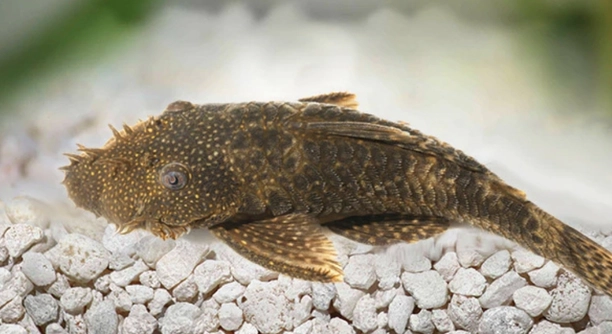
Is your pleco staying in one corner of the tank, avoiding the other fish, and acting unusually shy? Many aquarists notice this behavior, which can be concerning. Understanding why your pleco acts this way is important for its well-being.
Plecos often avoid tank mates due to stress, territorial instincts, or unsuitable water conditions. Overcrowding, aggressive companions, and lack of hiding spaces can trigger avoidance behavior, while proper tank management and environmental adjustments usually improve social interactions.
Learning the reasons behind your pleco’s behavior can help create a calmer, healthier tank environment and improve relationships with its aquatic companions.
Common Reasons Plecos Avoid Their Tank Mates
Many plecos spend time alone, and this is often a natural part of their behavior. Territorial instincts can make them shy around other fish, especially if the tank is small or crowded. Stress from poor water quality, sudden temperature changes, or incompatible tank mates can also cause a pleco to hide. Some plecos are naturally more reclusive, preferring quiet spaces with plenty of hiding spots such as caves, driftwood, or dense plants. Even healthy, well-fed plecos may spend hours in one spot, especially during the day, since they are often more active at night. Observing their behavior closely can help you determine whether they are simply resting or reacting to stressors. Over time, small adjustments in tank setup, water parameters, and companion selection can make a noticeable difference in your pleco’s comfort level.
Providing extra hiding spaces and reducing tank stress can help plecos feel secure and interact more freely.
Adjusting the environment requires attention to detail. Adding shelters, monitoring water temperature, and ensuring compatible tank mates are all practical steps. A stable routine and proper feeding schedule can further reduce anxiety, helping your pleco gradually become more active and comfortable. Observing their nocturnal activity also gives insight into their natural patterns, which are often misunderstood by owners.
Tank Setup and Compatibility
Proper tank size and layout are essential for plecos to thrive. Crowded or poorly arranged tanks increase stress and avoidance.
Plecos need enough space to swim, feed, and explore without constant interference. A tank of at least 30 gallons is recommended for smaller species, while larger plecos need 75 gallons or more. Hiding spots like caves, driftwood, or plants allow them to rest safely and feel secure. Compatibility with other fish is also key; aggressive or highly active species can intimidate plecos, leading them to hide continuously. Separating overly territorial or large fish and choosing calm companions helps reduce tension. Maintaining clean, well-filtered water with stable temperature and pH further supports their well-being. Regular observation allows owners to notice subtle changes in behavior, making it easier to identify stressors early. By combining careful tank planning, appropriate companions, and stable conditions, you can create a comfortable environment that encourages your pleco to interact naturally while minimizing avoidance behavior.
Feeding Habits and Social Behavior
Plecos are primarily nocturnal and may avoid tank mates during feeding times. Overcrowding or aggressive feeders can make them retreat to hiding spots, affecting their social interaction.
Plecos often graze on algae and sinking foods, so they may not compete directly with other fish for food. Feeding them separately or providing multiple feeding areas can reduce stress and encourage natural behavior. Observing their feeding schedule helps you understand their activity patterns. Over time, plecos can become more comfortable around other fish if they feel safe while eating. Ensuring they have enough food and consistent feeding routines minimizes avoidance and promotes healthy growth.
Certain species of pleco are more territorial during feeding. They may defend favorite spots, especially near driftwood or caves, which can appear as avoidance behavior. Adjusting feeding methods and locations helps balance interactions. Providing slow-release or algae-based foods keeps them engaged and less stressed. This approach improves harmony among tank mates, allowing your pleco to explore the tank without constant retreating.
Health and Environmental Factors
Poor water quality and illness can cause plecos to isolate themselves, leading to avoidance of other fish.
Stress from sudden temperature shifts, ammonia spikes, or high nitrate levels often triggers hiding behavior. Monitoring water parameters regularly ensures a safe environment. Sick or injured plecos may retreat to quiet areas, reducing their visibility. Regular tank maintenance, including water changes and filtration checks, supports their overall health. Observing their physical condition for signs of disease, such as lesions or unusual swimming patterns, is essential. Prompt attention to environmental and health issues helps plecos regain comfort and reestablish interaction with tank mates. Consistent care improves their mood, reduces stress, and encourages natural social behavior.
Stress and Tank Dynamics
Overcrowding or aggressive tank mates can make plecos feel threatened, leading to consistent hiding and avoidance. Providing enough space and peaceful companions helps reduce stress and encourages calmer behavior.
Sudden changes in the tank, such as decorations or water parameters, can also trigger stress. Maintaining stability allows plecos to adapt and feel secure, improving their willingness to interact with other fish.
Nocturnal Activity Patterns
Plecos are naturally more active at night, which can make them appear shy or antisocial during the day. Observing them during their active hours shows their normal behavior and feeding habits. Adjusting lighting schedules to mimic natural day-night cycles helps them feel comfortable and reduces daytime hiding.
Monitoring and Adjustment
Regular observation of pleco behavior is essential to identify stress, illness, or social tension early. Tracking interactions with tank mates and noting changes in activity can guide adjustments in tank setup and maintenance, improving their comfort and social confidence.
FAQ
Why is my pleco hiding all the time?
Plecos are naturally shy and nocturnal, so hiding is often normal. Overcrowding, aggressive tank mates, or lack of hiding spaces can increase this behavior. Ensuring plenty of caves, driftwood, and plants gives your pleco safe spaces to retreat while still feeling secure in the tank.
Can water quality make my pleco avoid other fish?
Yes. Poor water quality, including high ammonia, nitrite, nitrate levels, or sudden temperature changes, can stress plecos. Stress often leads them to isolate themselves. Regular testing and proper filtration, combined with consistent water changes, helps maintain a stable environment that encourages normal social behavior.
Do plecos need their own territory?
Many plecos are territorial, especially larger species. They may defend specific areas of the tank like caves or driftwood. Providing multiple hiding spots and a spacious tank reduces competition and stress, making your pleco more comfortable and less likely to avoid other fish.
Will plecos socialize if given the right companions?
Plecos are generally peaceful with calm, non-aggressive fish. Choosing compatible tank mates and avoiding overly active or territorial species reduces stress and encourages interaction. Over time, a pleco may explore more and even share spaces if it feels safe and unthreatened.
Can diet affect my pleco’s behavior?
Yes. Plecos may avoid other fish if they feel stressed during feeding. Providing enough algae-based or sinking foods, and offering multiple feeding spots, ensures they get enough nutrition without competition. This reduces hiding and promotes natural behavior.
How can I tell if my pleco is sick?
Signs of illness include unusual hiding, loss of appetite, lesions, or erratic swimming. Sick plecos often isolate themselves to conserve energy. Maintaining clean water, observing feeding patterns, and addressing symptoms promptly can prevent disease from spreading and help your pleco recover faster.
Do plecos interact differently at night?
Plecos are mostly nocturnal. They are more active during the evening or nighttime, feeding and exploring the tank. Daytime hiding is often normal. Adjusting the tank’s lighting schedule can encourage more natural activity and reduce the appearance of avoidance.
Can tank size impact social behavior?
Yes. Small tanks can increase stress and aggression, causing plecos to avoid other fish. Larger tanks provide more room for swimming, feeding, and hiding. Proper space allows plecos to maintain natural behaviors without feeling threatened or crowded.
How do I reduce aggression from other fish?
Aggressive tank mates can intimidate plecos. Separating overly active or territorial fish and providing visual barriers or additional hiding spots can reduce tension. Choosing calm companions and maintaining enough space helps plecos feel safe and encourages healthier interactions.
Is it normal for a pleco to spend hours in one spot?
Yes, many plecos are naturally sedentary during the day. They often rest on driftwood, rocks, or plants. Long periods of stillness are common, especially if the tank conditions are stable and they feel secure. Observing their nocturnal activity provides a clearer picture of their normal behavior.
Can adding decorations help with avoidance?
Absolutely. Caves, driftwood, and dense plants give plecos places to hide and feel secure. These additions reduce stress, encourage exploration, and allow them to gradually interact with tank mates without feeling threatened, creating a more harmonious environment.
Should I change my tank setup if my pleco avoids others?
Sometimes minor adjustments help. Adding hiding spots, rearranging decorations, or increasing tank space can reduce territorial stress. Regular observation allows you to see what works best, helping your pleco feel secure and gradually interact more with its companions.
Do plecos ever completely ignore other fish?
Yes, especially if they are stressed, sick, or naturally solitary. This behavior is often temporary and can improve with stable water conditions, proper tank mates, and adequate hiding places. Patience and observation are key to understanding your pleco’s behavior.
How long does it take for a pleco to feel comfortable?
Adjustment time varies by species and individual temperament. Some plecos adapt quickly in a well-prepared environment, while others take weeks or months. Consistent care, stable water conditions, and a calm tank atmosphere help speed up this process.
Can lighting affect pleco behavior?
Bright lighting can make plecos feel exposed, causing them to hide more. Dimming lights or using natural day-night cycles encourages natural nocturnal activity and reduces stress. Providing shaded areas in the tank also helps them feel safe.
Is it okay for plecos to be alone sometimes?
Yes. Plecos are solitary by nature and may prefer periods of isolation. Occasional hiding or resting alone is normal. Ensuring the tank is peaceful and has enough hiding spots supports their comfort while still allowing them to interact on their terms.
Do plecos ever become friendly with tank mates?
While plecos rarely show overt social behavior, they can coexist peacefully with compatible species. Over time, they may explore shared areas and interact indirectly, especially if stress is minimized and the environment is stable. Observing gradual changes helps understand their comfort level.
Can I use tank dividers to help a shy pleco?
Yes. Dividers create temporary safe zones, reducing stress from aggressive or active fish. This allows a shy pleco to explore the tank gradually and gain confidence. Once comfortable, dividers can be removed to encourage normal interaction.
Are there signs of permanent avoidance?
Some plecos may always prefer solitary behavior due to personality or species traits. As long as they eat well, swim actively at night, and appear healthy, occasional avoidance is not harmful. Respecting their natural behavior is important for long-term well-being.
How often should I observe my pleco?
Daily observation helps identify stress, illness, or social issues early. Noticing small changes in behavior, hiding patterns, or interactions with tank mates allows timely adjustments to improve comfort and encourage healthy activity.
What can I do if my pleco never interacts?
Focus on providing a stable environment, proper tank mates, hiding spaces, and consistent feeding. Some plecos are naturally solitary and may never actively engage with other fish. Ensuring their health and comfort remains the priority, even without social interaction.
Are plecos aggressive toward smaller fish?
Generally, plecos are peaceful and avoid confrontation. However, some territorial species may chase smaller fish if they intrude on their preferred hiding spots. Monitoring tank interactions and providing adequate shelter reduces stress and prevents aggression.
Do plecos prefer specific hiding spots?
Yes. Most plecos favor caves, driftwood, or dense plant areas. Observing where your pleco retreats helps you arrange the tank to suit its preferences, which improves comfort and reduces constant avoidance.
Can seasonal changes affect pleco behavior?
Temperature and light fluctuations can influence activity levels and social interactions. Maintaining consistent water conditions and a stable lighting schedule helps your pleco remain comfortable year-round, minimizing unnecessary hiding or stress-related avoidance.
How do I balance multiple plecos in one tank?
Providing ample space, multiple hiding spots, and avoiding overcrowding reduces territorial disputes. Observing interactions and separating individuals if needed helps each pleco feel secure, preventing prolonged avoidance or aggression among tank mates.
Is hiding a sign of happiness or stress?
Hiding can indicate both. Normal resting or nocturnal behavior is healthy, while constant retreat due to poor water quality, aggressive companions, or illness signals stress. Understanding context and monitoring other indicators is key to evaluating your pleco’s well-being.
How do I encourage a shy pleco to explore?
Gradual environmental adjustments, multiple feeding points, calm tank mates, and safe hiding spots help shy plecos feel secure. Patience is essential, as forcing interaction can increase stress. Over time, they may become more confident and active in the tank.
Can I use supplements to improve pleco behavior?
Supplements alone rarely solve avoidance. Proper nutrition, clean water, and a stable environment are more effective. Occasionally, specialized foods can enhance health, indirectly supporting normal activity and social behavior, but tank conditions remain the most important factor.
Is it normal for plecos to hide for days?
Yes, especially during stress, illness, or daytime hours. Observing feeding, swimming patterns, and nighttime activity helps determine whether prolonged hiding is normal behavior or a sign of a problem requiring attention.
How do I maintain a stress-free tank?
Regular maintenance, stable water parameters, compatible tank mates, sufficient hiding spots, and consistent routines reduce stress. A calm environment encourages plecos to exhibit natural behavior and interact appropriately without constant avoidance.
Can temperature changes cause hiding?
Yes. Sudden drops or spikes in water temperature stress plecos, prompting them to hide. Keeping a stable temperature within species-specific ranges is essential for comfort and normal social behavior.
Do plecos ever become fully nocturnal in busy tanks?
They often adjust activity to nighttime hours if daytime stress is high. Providing low-light areas and quiet zones supports nocturnal exploration, ensuring they can feed and move safely without constant avoidance.
How can I tell if avoidance is temporary?
Temporary avoidance usually improves with environmental adjustments, compatible tank mates, and consistent care. If your pleco starts exploring, feeding well, and showing normal nocturnal behavior, the issue is likely short-term rather than permanent.
Does tank water flow affect social behavior?
Strong currents can stress plecos, making them hide more. Providing gentle flow or calm areas allows them to rest, explore, and interact comfortably with other tank mates without excessive stress.
Can plecos coexist with active fish?
Some species tolerate active companions, but overly energetic or aggressive fish can intimidate plecos. Selecting calm, peaceful tank mates ensures less avoidance and a more harmonious tank environment.
Is it normal for plecos to prefer the bottom of the tank?
Yes. Plecos naturally dwell near the bottom, grazing on algae and resting on surfaces. Providing substrate, driftwood, and hiding spots supports this behavior and reduces conflict with other fish.
How do I reduce nighttime aggression?
Nighttime activity is natural for plecos, but aggression may occur over territory or feeding. Ensuring multiple shelters, enough food, and sufficient space prevents disputes and reduces avoidance caused by dominance struggles.
Can hiding spots be too many?
Excess hiding spots are rarely a problem, as plecos feel safer and less stressed. Providing varied shelters supports natural behavior and reduces the likelihood of conflict or avoidance of other fish.
Should I separate plecos if they avoid each other?
Separation is only needed if territorial disputes or aggression occur. Otherwise, avoidance is often normal. Ensuring adequate space and hiding areas allows multiple plecos to coexist without constant confrontation.
Does water pH affect pleco behavior?
Yes. Plecos prefer slightly acidic to neutral water depending on species. Incorrect pH can stress them, leading to hiding or avoidance. Regular testing and adjustment ensure they remain comfortable and active.
Can plecos adapt to new tank mates?
They can, with gradual introductions, adequate hiding spaces, and calm companions. Patience is essential, as adaptation may take weeks. Observing interactions helps identify comfort levels and prevent stress-induced avoidance.
How much space does one pleco need?
Smaller species need at least 30 gallons, larger species 75 gallons or more. Sufficient space reduces territorial stress, supports exploration, and minimizes avoidance of other tank mates.
Are plecos more comfortable with plants?
Yes. Dense plants provide shelter and reduce stress, allowing plecos to retreat safely while exploring. This encourages more natural behavior and less constant hiding.
How do I know if my pleco is stressed?
Signs include constant hiding, rapid gill movement, loss of appetite, or unusual swimming. Addressing water quality, tank mates, and hiding options helps reduce stress and restore normal behavior.
Can rearranging the tank help shy plecos?
Minor changes can encourage exploration, but sudden or frequent rearrangements may increase stress. Gradual adjustments with added shelters help plecos gain confidence without feeling threatened.
Do plecos react differently to species of fish?
Yes. Peaceful, slow-moving fish are less intimidating, while aggressive or territorial species can cause hiding. Matching tank mates carefully ensures a calm environment that reduces avoidance and stress.
Is hiding a permanent personality trait?
Some plecos are naturally more reclusive. As long as they eat well, swim actively at night, and appear healthy, occasional hiding is normal and not harmful. Respecting their natural behavior is important.
Can I train plecos to be more social?
Training is limited. Plecos respond mainly to stable environments, feeding routines, and minimal stress. Gradual exposure to calm tank mates can increase comfort, but their solitary nature remains dominant.
How do I balance multiple hiding spots?
Spread shelters throughout the tank to prevent territorial disputes. This allows all fish to access safe spaces without stress, encouraging natural behavior and reducing avoidance.
Can a pleco’s age affect social behavior?
Older plecos may become more sedentary and selective with companions. Younger plecos are often more exploratory. Understanding age-related behavior helps set realistic expectations for interaction and activity levels.
Do plecos ever show signs of bonding with other fish?
Plecos rarely show direct social bonding. Coexistence is more about tolerance than interaction. Observing shared spaces and calm behavior indicates comfort, even if overt social behavior is limited.
Can stress from shipping affect behavior?
Yes. Newly purchased plecos may hide more due to transport stress. Allowing time to acclimate, providing hiding spots, and monitoring water quality helps them adjust gradually.
How do I keep a pleco comfortable long-term?
Stable water, proper tank mates, adequate hiding spots, consistent feeding, and regular observation maintain comfort. Attention to stressors ensures your pleco exhibits normal behavior and avoids constant hiding, supporting overall health.
Are there signs of long-term avoidance issues?
Persistent hiding combined with poor appetite, lethargy, or stress indicates an ongoing problem. Adjusting tank conditions, checking water quality, and ensuring compatible companions are critical to resolving long-term avoidance.
Do plecos prefer low-light environments?
Yes. Low or dim lighting reduces stress and encourages natural nocturnal behavior. Shaded areas allow safe exploration and reduce constant hiding during daytime hours.
How do I know if my pleco is happy?
A healthy pleco eats well, swims normally at night, explores its environment, and retreats to hiding spots as expected. Balanced behavior, rather than constant interaction, reflects comfort and contentment.
Can seasonal algae growth affect social behavior?
Yes. Algae availability influences feeding and activity. Adequate food sources reduce competition and stress, supporting calmer interactions and less avoidance. Monitoring algae levels and supplementing diet maintains a stable environment.
Should I adjust water flow for shy plecos?
Providing gentle currents or calm zones is beneficial. Strong flow can increase stress, causing more hiding. Proper water movement ensures comfort while supporting natural behavior and feeding habits.
Do plecos respond to tank vibrations?
Yes. Loud or frequent vibrations may trigger hiding. Minimizing disturbances helps plecos feel secure and encourages more natural exploration and interaction with other fish.
Can plecos coexist with schooling fish?
Generally, yes. Calm schooling fish are non-threatening. However, fast or aggressive schools may intimidate plecos. Observing interactions ensures a peaceful environment and reduces avoidance behavior.
Are plecos more comfortable with specific substrates?
Smooth sand or fine gravel is preferred. Harsh or rough substrates can stress plecos, encouraging hiding. Matching substrate to species preferences supports comfort and natural grazing behavior.
Do plecos need regular water changes to reduce stress?
Yes. Clean water reduces ammonia, nitrite, and nitrate levels, minimizing stress and encouraging normal social behavior. Regular maintenance ensures a stable, healthy environment.
Can plecos adapt to new tank mates over time?
Yes, gradually. Patience, multiple hiding spots, and calm companions allow plecos to feel secure. Interaction may increase slowly as they gain confidence in their environment.
Is hiding behavior worse with aggressive feeders?
Yes. Competition for food stresses plecos, causing more hiding. Providing multiple feeding areas and adequate nutrition reduces avoidance and supports natural grazing behavior.
Can plecos coexist with bottom dwellers?
Yes, if space and hiding spots are sufficient. Monitoring interactions prevents territorial disputes. A well-planned tank allows peaceful cohabitation without excessive avoidance.
Do plecos ever get bored?
Yes, a lack of stimulation can lead to inactivity or hiding. Adding plants, driftwood, and enrichment items encourages exploration and engagement, supporting mental well-being.
How long should plecos be left alone after introduction?
Several days to weeks may be needed. This allows them to acclimate to the tank, explore hiding spots, and reduce stress before interacting with other fish. Gradual observation ensures comfort and safety.
Are some pleco species more reclusive than others?
Yes. Certain species are naturally solitary or shy, while others are more active and tolerant. Understanding species-specific traits helps set expectations for behavior and interaction in a community tank.
Do plecos show preferences for certain companions?
Yes. Calm, non-aggressive species are generally better companions. Aggressive or territorial fish may cause stress and prolonged avoidance. Choosing compatible tank mates supports a stable, comfortable environment.
How often should I rearrange hiding spots?
Sporadically and gradually. Frequent or drastic changes can increase stress. Small adjustments with added shelters encourage exploration without overwhelming the pleco, supporting normal behavior.
Can lighting color affect pleco comfort?
Soft, dim lighting is generally preferred. Harsh or overly bright lights may stress plecos, causing them to hide more. Adjusting lighting supports natural nocturnal activity and overall well-being.
Do plecos prefer still water or moving water?
Gentle movement is ideal. Strong currents can stress plecos and increase hiding. Providing areas with slower flow allows them to rest and explore safely while interacting minimally with tank mates.
Can adding driftwood reduce avoidance?
Yes. Driftwood provides shelter, grazing surfaces, and a sense of security. This reduces stress, encourages exploration, and allows plecos to coexist more peacefully with other fish.
Are plecos affected by human activity near the tank?
Frequent tapping, loud noises, or sudden movements can stress plecos, increasing hiding. Maintaining a calm environment supports comfort and natural behavior.
How do I balance multiple plecos in a tank?
Ensure sufficient space, hiding spots, and feeding areas. Monitor interactions to prevent territorial disputes. Proper setup reduces stress and allows plecos to coexist without constant avoidance.
Do plecos ever interact with fish of the same species?
Some may tolerate each other, but territorial behavior is common. Providing multiple shelters and adequate space minimizes conflict and supports coexistence without forced interaction.
Can temperature fluctuations cause long-term avoidance?
Yes. Frequent changes can increase stress, causing plecos to hide consistently. Maintaining stable temperatures ensures comfort and normal social behavior over time.
**Should I worry if my pleco never comes out during the day?
Final Thoughts
Understanding why your pleco avoids its tank mates is key to creating a healthy and balanced aquarium. Plecos have unique personalities and natural behaviors that influence how they interact with other fish. Some species are naturally more reclusive and prefer spending much of their time in hiding spots, while others may be more active and exploratory. Recognizing these traits can help you adjust expectations and provide a supportive environment for your pleco. Avoidance is not always a sign of a problem, but consistent hiding or unusual behavior can indicate stress, poor water quality, or incompatible tank mates. Paying close attention to their behavior and environment allows you to make small, meaningful changes that improve comfort and well-being. Over time, even shy plecos can show signs of normal activity and reduce their avoidance of other fish when conditions are right.
Tank setup plays a major role in how comfortable your pleco feels in its home. Providing adequate space, multiple hiding spots, and appropriate decorations can help them feel secure. Driftwood, caves, and dense plants are often favored because they offer safety and opportunities to rest while still observing their surroundings. Ensuring the tank is not overcrowded and selecting compatible companions also reduces stress. Water quality is another important factor, as plecos are sensitive to changes in ammonia, nitrite, nitrate, pH, and temperature. Regular testing and maintenance of these parameters ensures a stable environment, which encourages natural behavior and reduces avoidance. Feeding practices can also influence how a pleco interacts with tank mates. Offering sufficient food in multiple locations prevents competition and allows your pleco to eat without feeling threatened, which in turn improves overall comfort in the tank.
Patience and observation are essential for pleco care. Behavioral changes may not happen immediately, and it can take time for a shy or stressed pleco to adjust to a new environment or new companions. Monitoring their activity, feeding, and interactions at different times of day helps you understand their natural patterns and comfort levels. Providing a consistent, calm environment with stable water conditions, appropriate tank mates, and ample hiding spots supports both their physical and mental health. While some plecos may always prefer solitude, a well-maintained tank ensures they remain healthy and stress-free. Focusing on their needs rather than forcing interaction allows your pleco to thrive and coexist peacefully with other fish, creating a balanced, harmonious aquarium.

Hello,
If you enjoy the content that we create, please consider saying a "Thank You!" by leaving a tip.
Every little bit helps us continue crafting quality advice that supports the health, happiness, and well-being of pets around the world, for pets of all shapes, sizes, and species.
We really appreciate the kindness and support that you show us!