
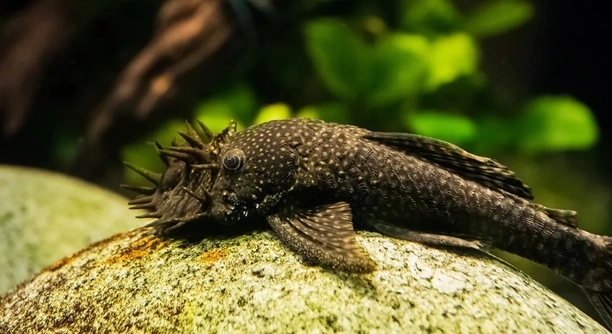
Are your plecos suddenly showing no interest in breeding despite previously active behavior? Many aquarists notice that these hardy fish can unexpectedly stop reproducing, leaving tank owners concerned about their health and environment.
Plecos may stop breeding due to factors such as improper water conditions, inadequate diet, insufficient hiding spaces, stress from tank mates, age, illness, or seasonal changes. Addressing these elements systematically can restore their reproductive activity efficiently.
Understanding why your plecos pause their breeding can help maintain a healthier aquarium and encourage successful reproduction over time.
Water Quality Issues
Plecos are very sensitive to their environment, and poor water conditions can prevent them from breeding. High levels of ammonia, nitrites, or nitrates stress the fish and disrupt reproductive behaviors. Temperature fluctuations or pH imbalances may also affect their readiness to breed. Maintaining consistent water parameters is crucial. Frequent water changes and proper filtration help remove harmful substances and keep the tank stable. Even minor inconsistencies can delay breeding for weeks. Observing your plecos for unusual behavior, like hiding or reduced activity, can indicate water-related stress. Providing a well-balanced habitat ensures that your fish feel safe and secure, which is essential for successful breeding. Some species of plecos may need specific conditions, such as slightly warmer water or softer substrates, to trigger reproductive activity. It is important to research your specific species to replicate conditions similar to their natural habitat as closely as possible. Consistency and attention to detail often yield the best results.
Regular testing of water and consistent maintenance is key to promoting healthy pleco breeding conditions.
Creating an environment that mimics natural conditions gives plecos the confidence to spawn. Proper water parameters, stable temperature, and clean surroundings reduce stress. Adding hiding spots and maintaining gentle water flow can encourage natural behaviors. Each pleco species may have unique requirements, so tailoring the tank setup is important. Observing their behavior and making small adjustments ensures that conditions remain favorable for reproduction.
Diet and Nutrition
Poor diet can directly impact your plecos’ ability to reproduce.
Plecos require a balanced diet with adequate protein, vegetables, and algae-based foods. Lack of proper nutrition reduces energy and affects spawning readiness. Offering a variety of foods supports overall health and reproductive performance.
A diet rich in fresh vegetables, algae wafers, and occasional protein treats can stimulate breeding behavior. Feeding small portions several times a day ensures that plecos get sufficient nutrients without overfeeding, which can lead to water quality problems. Vegetables like zucchini, cucumber, and spinach provide essential vitamins and fiber. Protein sources, such as bloodworms or shrimp, supply the energy necessary for breeding activity. Observing their feeding habits helps determine whether all fish are receiving proper nutrition. Some plecos may need supplemental foods depending on their species and size. Keeping the diet consistent and nutritious ensures that the fish are healthy and ready to breed. Proper nutrition also improves coloration and overall vitality, which are positive indicators of reproductive readiness.
Stress from Tank Mates
Aggressive or overly active tank mates can prevent plecos from breeding. Constant chasing, nipping, or competition for food increases stress and keeps plecos from spawning.
Stress can cause plecos to hide more often and reduce activity. Fish that feel threatened will not focus on reproductive behaviors. Even smaller, seemingly harmless species may disturb plecos if they overcrowd the tank. Providing ample space and visual barriers helps reduce tension. Separating aggressive fish or creating dedicated breeding areas allows plecos to feel safe and more likely to reproduce. Overcrowding and competition for resources also contribute to stress, making tank management essential. Quiet, compatible tank mates encourage natural behavior, and observation is key to identifying problem fish. Ensuring plecos have both hiding spots and space to roam freely fosters a calm environment, which is critical for breeding success.
Monitoring your plecos’ interactions and adjusting the tank setup helps minimize stress and supports reproduction.
Hiding places like caves, driftwood, and dense plants provide safety. Reducing aggressive interactions and offering ample resources lets plecos focus on breeding. Creating separate areas for feeding and shelter ensures dominant fish don’t intimidate others. A calm tank environment directly increases the likelihood of successful spawning.
Seasonal and Environmental Changes
Temperature shifts or changes in light cycles can influence pleco breeding. Sudden changes may halt spawning even in healthy fish. Maintaining stable environmental conditions is essential.
Plecos respond to seasonal cues such as temperature, water flow, and daylight hours. Gradual adjustments to mimic natural seasonal changes can trigger reproductive behaviors. For example, slightly increasing water temperature or simulating rainy season conditions may encourage spawning. Consistency is important, as rapid fluctuations create stress. Observing their response to environmental changes helps fine-tune conditions. Natural triggers like water chemistry, gentle currents, and lighting patterns also play a role in signaling readiness to breed. Providing an environment that reflects natural seasonal variations promotes health, activity, and reproductive success.
Creating a predictable environment supports pleco breeding cycles. Adjusting light, temperature, and water flow carefully helps simulate favorable conditions, improving the chances of spawning.
Lack of Hiding Spaces
Plecos need secure hiding spots to feel safe enough to breed. Without caves, driftwood, or dense plants, they may avoid spawning entirely.
Providing multiple hiding places reduces stress and encourages natural behaviors. These spaces give plecos privacy, which is crucial for successful reproduction.
Age and Maturity
Young plecos may not be ready to breed even if they appear healthy. Reproductive maturity varies by species and can take several years. Monitoring size and age helps determine readiness.
Older plecos may also show reduced fertility. Ensuring that breeding pairs are within the optimal age range increases the chances of successful spawning.
Illness or Disease
Sick or weakened plecos will not breed. Common infections, parasites, or poor health directly affect reproductive behaviors and energy levels.
Providing preventive care and prompt treatment helps maintain breeding readiness. Observing changes in activity, appetite, or appearance can signal health issues before they impact reproduction.
FAQ
Why has my pleco suddenly stopped breeding?
There are several reasons plecos may stop breeding, including poor water quality, inadequate diet, stress from tank mates, lack of hiding spots, age, illness, and environmental changes. Even previously active breeders may pause if conditions are no longer ideal. Observing behavior and making gradual adjustments often restores reproductive activity.
How do I know if my pleco is ready to breed?
Signs include increased activity, more time spent in hiding spots, and visible pairing behavior. Males may guard caves, and females may appear fuller when carrying eggs. Consistent feeding and stable water conditions increase the likelihood that plecos will display readiness.
Can water temperature affect breeding?
Yes. Plecos respond to seasonal and environmental cues. A slight increase in water temperature or simulating a rainy season can trigger spawning. Rapid temperature changes, however, can stress them and halt breeding entirely. Gradual adjustments are essential.
What diet encourages breeding?
A varied diet with vegetables, algae wafers, and occasional protein treats is ideal. Fresh zucchini, cucumber, spinach, and protein sources like bloodworms or shrimp supply energy and essential nutrients. Regular, small feedings prevent overfeeding while keeping plecos healthy and ready to reproduce.
Do plecos need hiding spots to breed?
Absolutely. Caves, driftwood, and dense plants provide safety and privacy. Lack of these spaces increases stress and prevents spawning. Multiple hiding areas reduce competition and allow both males and females to feel secure during the breeding process.
Can tank mates stop plecos from breeding?
Yes. Aggressive or overly active tank mates create stress, chasing or intimidating plecos and limiting their breeding behavior. Ensuring peaceful, compatible tank mates and enough space reduces tension and allows natural reproductive activity to occur.
Does age affect breeding?
Both young and older plecos may have reduced reproductive success. Juveniles might not be fully mature, while older fish may experience lower fertility. Ensuring pairs are within optimal age ranges improves breeding chances.
How do I prevent illness from affecting breeding?
Regular observation, preventive care, and maintaining water quality help prevent disease. Sick or weak plecos lose energy and reproductive motivation. Prompt treatment of infections or parasites restores health and supports successful spawning.
Can environmental changes stop breeding?
Yes. Changes in lighting, water flow, or chemistry can halt spawning. Plecos respond to consistent environmental cues that mimic seasonal patterns. Gradual adjustments help trigger natural behaviors while sudden fluctuations increase stress and reduce breeding activity.
How long will it take for plecos to resume breeding after issues are corrected?
Recovery time varies depending on the species, age, and severity of the problem. Some plecos may respond within weeks, while others take months. Patience and maintaining optimal conditions are key to seeing results.
Are all pleco species the same when it comes to breeding?
No. Different species have unique requirements for water parameters, hiding spaces, and diet. Researching specific needs ensures conditions are favorable, making breeding more successful and less stressful for the fish.
Is it normal for plecos to stop breeding temporarily?
Yes. Even in ideal conditions, plecos may pause due to seasonal changes, molting, or stress. Temporary pauses are natural, and restoring stable conditions usually encourages them to resume spawning.
What is the most important factor for breeding success?
Consistent water quality, proper diet, safe hiding spaces, and low stress levels are the most critical factors. Addressing these elements systematically creates a supportive environment, allowing plecos to breed successfully and maintain overall health.
How can I tell if my plecos are stressed?
Signs include hiding more than usual, reduced activity, refusal to eat, or aggression toward tank mates. Stress directly impacts reproductive behavior. Adjusting tank conditions, providing hiding spots, and reducing disturbances can alleviate stress and encourage breeding.
Should I separate plecos for breeding?
In some cases, creating a separate breeding area or tank helps reduce stress from other fish. This ensures privacy, stable conditions, and better monitoring of health and behavior, increasing the chances of successful spawning.
Can I encourage breeding naturally without chemicals or hormones?
Yes. Replicating natural conditions through diet, hiding spaces, water parameters, temperature, and seasonal cues is the safest method. Avoid artificial hormones unless recommended by a professional, as natural methods are usually sufficient for healthy reproduction.
What role does water flow play in breeding?
Moderate water flow can simulate natural habitats and trigger breeding behavior. Too strong or too weak currents may stress plecos. Adjusting flow to match their natural environment encourages activity and helps maintain overall health.
How often should I check water parameters for breeding plecos?
Frequent monitoring is essential. Test ammonia, nitrites, nitrates, pH, and temperature regularly. Consistent checks prevent small issues from becoming breeding obstacles and help maintain a stable environment conducive to reproduction.
Can plecos breed in a community tank?
Yes, but success depends on species compatibility, space, and stress levels. Providing hiding spots, reducing aggressive fish, and maintaining stable water conditions increase the likelihood of spawning even in a community setup.
What is the best way to monitor breeding progress?
Observe behavior closely. Look for pairing, cave guarding, and egg-laying activity. Tracking feeding, activity levels, and interactions with tank mates helps identify potential problems early and ensures conditions remain optimal for successful breeding.
How do I encourage a female pleco to lay eggs?
Provide a safe, private area with a cave or crevice. Maintain high-quality food and stable water conditions. Gentle water flow, suitable temperature, and low stress encourage females to feel secure enough to deposit eggs.
Can stress from handling affect breeding?
Yes. Frequent or rough handling, water changes done abruptly, or tank maintenance that disturbs plecos can reduce reproductive activity. Minimizing disturbances supports natural behaviors and encourages breeding.
How do I know if eggs are healthy?
Healthy eggs are usually firm, well-formed, and attached to a secure surface. Discoloration, fungus, or shriveling indicates problems. Maintaining clean water and monitoring egg conditions increases hatching success.
Are there seasonal patterns for breeding plecos?
Many plecos respond to seasonal cues like temperature and daylight changes. Gradually simulating rainy seasons or warmer months often triggers natural reproductive behaviors and increases the likelihood of successful spawning.
Can stress from tank overcrowding prevent breeding?
Yes. Overcrowding reduces hiding space, increases competition, and raises stress levels. Maintaining appropriate stocking density is crucial. Adequate space and resources help plecos feel safe and focus on reproduction.
How important is consistent feeding for breeding?
Very important. Regular, balanced feeding maintains energy and health, which are essential for reproductive activity. Skipping meals or providing low-quality food reduces readiness and may delay spawning.
Should I separate eggs from adults?
It depends on species. Some plecos may eat their own eggs. Separating eggs into a safe area or using a breeding trap prevents predation and increases hatching success.
How long does it take for eggs to hatch?
Hatching time varies by species but typically ranges from 4 to 10 days under optimal conditions. Temperature, water quality, and species-specific factors influence development speed and survival rates.
Can lighting affect breeding?
Yes. Gradual changes in light cycles simulate natural conditions. Stable, appropriate lighting encourages natural behavior, while abrupt changes or overly bright lighting may stress plecos and reduce reproductive activity.
What common mistakes prevent pleco breeding?
Frequent issues include poor water quality, inadequate hiding spots, wrong diet, overcrowding, incompatible tank mates, improper temperature, and sudden environmental changes. Addressing each factor systematically improves breeding success.
How do I know if breeding efforts are working?
Signs include increased activity, pairing behavior, cave guarding, and eventual egg-laying. Monitoring health, feeding, and stress levels provides insight into progress and helps identify adjustments needed for successful spawning.
Is it possible for plecos to breed year-round?
Some species can, if conditions remain stable and favorable. Others have specific seasonal cues. Providing consistent water quality, diet, hiding spaces, and environmental conditions maximizes the chances of year-round breeding for adaptable species.
What should I do if plecos refuse to breed despite ideal conditions?
Patience is essential. Observe behavior carefully, ensure all environmental and dietary factors are optimal, and consider species-specific needs. Minor adjustments or creating a separate breeding area often encourage reproductive activity over time.
Are there signs that indicate a breeding pair is compatible?
Yes. Compatible pairs show cooperative behavior, spend time together in hiding spots, and exhibit synchronized activity patterns. Lack of aggression and shared interest in caves or food are positive indicators.
How can I support fry after hatching?
Provide clean water, gentle flow, and appropriate foods like algae or specially formulated fry diets. Avoid aggressive tank mates and maintain optimal conditions to ensure healthy growth.
What is the role of tank maintenance in breeding success?
Regular cleaning, water changes, and monitoring parameters prevent stress and disease. Proper maintenance creates a stable, healthy environment that supports reproductive behavior and improves the chances of successful spawning.
Can plecos breed in artificial habitats like aquariums?
Yes. With proper care, hiding spaces, diet, water quality, and environmental cues, plecos can successfully reproduce in captivity. Mimicking natural conditions is key to encouraging natural reproductive behaviors.
How important is observation in successful breeding?
Observation allows early detection of stress, illness, or environmental issues. Tracking feeding, activity, and interactions helps maintain optimal conditions and ensures interventions are timely, supporting successful spawning.
What should I do if a breeding attempt fails?
Review water quality, diet, hiding spots, and tank mates. Make gradual adjustments, ensure stability, and be patient. Understanding your plecos’ needs and observing their behavior increases the likelihood of success in future attempts.
Can I use supplements to improve breeding?
High-quality foods and occasional protein-rich treats support reproductive health. Avoid unnecessary chemicals or hormones unless advised, as natural nutrition and stable conditions are usually sufficient for breeding success.
How do I maintain long-term breeding success?
Consistent water quality, diet, hiding spots, low stress, and careful observation are essential. Addressing issues quickly and adapting to your plecos’ needs promotes ongoing reproductive activity. Regular monitoring ensures the environment remains favorable for both adults and fry.
Are there signs that plecos are stressed from environmental factors?
Yes. Hiding excessively, reduced activity, loss of appetite, or aggression toward tank mates indicate stress. Adjusting water quality, flow, and providing adequate hiding spots helps reduce stress and encourage breeding.
How can I balance community tanks for pleco breeding?
Separate aggressive or competing species, provide ample space and hiding spots, and ensure stable water conditions. Minimizing conflict allows plecos to focus on reproductive behaviors and improves breeding success.
What are the most effective natural triggers for breeding plecos?
Consistent diet, stable water quality, appropriate temperature, seasonal cues, moderate water flow, and hiding spots all serve as natural triggers. Replicating conditions similar to their natural environment encourages reproduction without artificial intervention.
Can stress from previous failed breeding attempts affect future attempts?
Yes. Fish remember stressful experiences, which may reduce willingness to breed. Creating a calm, safe environment and addressing past issues improves confidence and readiness for future spawning.
How can I ensure both male and female plecos are healthy for breeding?
Monitor diet, activity, water quality, and behavior. Regular observation and preventive care help maintain optimal health, which is essential for successful reproduction and long-term breeding success.
Do plecos need specific water hardness for breeding?
Some species are sensitive to water hardness. Researching the species-specific preferences and maintaining consistent parameters ensures better breeding outcomes. Sudden changes can stress fish and halt reproduction.
How do I know if my tank setup is adequate for breeding?
Look for natural behaviors like cave guarding, pairing, and egg-laying. Adequate hiding spaces, proper diet, compatible tank mates, and stable water parameters indicate a suitable setup.
What is the best way to simulate rainy season conditions?
Gradually increasing water temperature and slightly raising water levels can mimic rainy seasons. Gentle water flow and slight changes in lighting help trigger natural reproductive behaviors in plecos.
Can plecos breed without caves or crevices?
Most plecos require secure hiding spots for spawning. Lack of caves or crevices often prevents breeding entirely, as fish do not feel safe enough to reproduce. Providing multiple hiding areas is essential for success.
How long should I wait before intervening if breeding does not occur?
Allow several weeks while maintaining optimal conditions. Monitor behavior and health, but avoid excessive handling or sudden changes. Patience combined with careful observation usually leads to eventual breeding success.
Are there signs of successful fertilization?
Fertilized eggs appear firm, uniform in color, and remain attached to surfaces. Monitoring eggs helps determine whether reproductive efforts were successful and informs any necessary interventions for fry care.
How can I encourage male plecos to guard eggs?
Providing suitable caves, stable water conditions, and low-stress environments encourages males to protect eggs. Avoid disturbing the tank during this period to ensure proper parental behavior.
Can plecos breed if the tank is too small?
Limited space increases stress and competition, reducing the likelihood of spawning. Adequate tank size, hiding spots, and resources are essential to create a comfortable environment for breeding.
What are the signs that a female is carrying eggs?
A swollen abdomen, increased time in hiding, and pairing behavior with males indicate that a female is ready to lay eggs. Monitoring closely ensures the right conditions for spawning.
How do I prevent eggs from being eaten by adults?
Use caves, breeding traps, or separate tanks. Observing parental behavior helps determine whether intervention is necessary to protect eggs and improve hatching success.
Can I breed multiple pleco species together?
It is possible, but compatibility and environmental requirements vary. Researching each species’ needs and maintaining appropriate conditions is essential to prevent stress and ensure successful reproduction.
How important is water pH for breeding plecos?
pH affects health, behavior, and reproductive readiness. Maintaining species-specific pH levels is critical. Sudden fluctuations can stress fish and delay or prevent breeding.
What should I do if eggs develop fungus?
Remove affected eggs promptly, maintain excellent water quality, and consider antifungal treatments if necessary. Clean conditions help prevent further infection and increase survival rates.
How do I care for fry after hatching?
Provide clean water, gentle flow, and appropriate small foods like algae or specialized fry diets. Avoid aggressive tank mates and monitor growth carefully to ensure healthy development.
Can plecos breed without a male present?
No. Fertilization requires a male. Observing pairing behavior and ensuring both sexes are present is essential for successful reproduction.
How long do plecos typically guard their eggs?
Male plecos usually guard eggs until they hatch, which can take several days. Providing a safe, low-stress environment ensures effective parental care.
Is it necessary to mimic river currents for breeding?
Moderate water flow simulates natural habitats and encourages breeding behavior. Too strong or weak currents may stress plecos and reduce reproductive activity.
How do I encourage both parents to participate in spawning?
Provide a safe environment, stable conditions, quality diet, and hiding spots. Reducing stress and disturbances allows natural reproductive behaviors to occur, improving breeding success.
Can plecos breed in tanks with artificial decorations?
Yes, if hiding spots and caves are included. Natural-looking or artificial shelters can both support spawning as long as conditions are stable and stress is minimized.
How do I know if environmental adjustments are working?
Signs include increased activity, pairing behavior, cave guarding, and eventual egg-laying. Monitoring closely ensures that changes have the desired effect on reproductive readiness.
What is the ideal temperature range for pleco breeding?
It varies by species, but generally slightly warmer water than their usual habitat encourages spawning. Consistency and gradual adjustments prevent stress while promoting reproductive behavior.
Can plecos breed if the tank is noisy or disturbed frequently?
Frequent disturbances, loud noises, or vibrations create stress and reduce breeding behavior. Providing a calm, stable environment improves the likelihood of successful spawning.
How long does it take for plecos to start breeding after environmental improvements?
It can take from a few weeks to several months, depending on species, age, and prior stress levels. Patience and consistent conditions are key to encouraging reproduction.
Should I remove uneaten food during breeding?
Yes. Excess food can degrade water quality, leading to stress and disease. Removing leftovers maintains a clean environment, supporting both adult and fry health.
Can plecos breed without seasonal cues?
Some species can breed year-round if conditions remain ideal. Others rely on seasonal triggers like temperature and light changes to initiate spawning. Understanding the specific species’ requirements is crucial.
How do I know if my breeding tank setup is correct?
Look for natural behaviors such as cave guarding, pairing, and egg-laying. Adequate hiding spots, compatible tank mates, proper diet, and stable water conditions indicate a suitable setup.
What is the best way to simulate seasonal changes for breeding?
Gradually adjust temperature, water flow, and lighting to mimic rainy or warm seasons. Gentle, consistent changes encourage natural reproductive behaviors without causing stress.
Can plecos breed in tanks with other bottom-dwelling fish?
Yes, if space, hiding spots, and resources are sufficient. Minimizing competition and aggression ensures plecos feel secure enough to reproduce successfully.
How do I encourage multiple pairs to breed in the same tank?
Provide multiple caves, hiding spots, and adequate space to reduce competition. Ensure compatible tank mates and stable conditions to allow each pair to focus on reproductive behavior.
Can changes in water hardness stop breeding?
Yes. Sudden changes in hardness can stress plecos. Maintaining consistent, species-specific water parameters is essential for reproductive readiness.
How important is monitoring behavior for breeding success?
Observing feeding, activity, interactions, and pairing behavior allows early detection of problems. Adjustments based on behavior help maintain optimal conditions and support successful spawning.
Are there natural indicators that breeding conditions are optimal?
Signs include active, healthy fish, increased pairing behavior, cave guarding, and egg-laying. Monitoring these behaviors helps confirm that environmental and dietary conditions are suitable.
Can plecos breed in tanks with artificial lighting only?
Yes, if light cycles mimic natural day and night patterns. Gradual changes in lighting help simulate seasonal cues that encourage reproductive behavior.
Should I separate fry from adults immediately?
Depending on species, separating fry can prevent predation. Providing a safe environment ensures healthy growth and increases survival rates for young plecos.
How can I prevent disease from affecting breeding success?
Maintain excellent water quality, consistent diet, and low-stress conditions. Early detection and treatment of illness prevent reproductive setbacks and protect both adults and fry.
What is the role of water changes in breeding success?
Final Thoughts
Breeding plecos can be challenging, but understanding their needs makes the process more manageable. These fish are sensitive to many factors, and even small changes in their environment can affect reproductive behavior. Water quality is one of the most important elements to monitor closely. Stable parameters, including temperature, pH, and cleanliness, create a foundation for healthy, active fish. Frequent water testing and maintenance help prevent stress and illness, both of which can halt breeding. Proper filtration and regular partial water changes ensure that plecos live in a consistent, safe environment.
Diet also plays a major role in reproductive success. Plecos need a varied diet to stay healthy and ready to breed. Fresh vegetables, algae-based foods, and occasional protein sources provide the nutrients and energy they need. Feeding small portions several times a day helps prevent overfeeding and maintains water quality. Observing your fish while they eat can also indicate their health and vitality. If plecos are active, eating well, and displaying natural behaviors, it is more likely that they are ready to reproduce. A balanced diet works hand-in-hand with proper environmental conditions to encourage spawning.
Finally, stress and comfort are key factors that are sometimes overlooked. Hiding spaces like caves, driftwood, or plants give plecos privacy and safety, which is essential for breeding. Aggressive or overly active tank mates can create tension, making it difficult for plecos to reproduce. Ensuring the tank is not overcrowded, maintaining calm water flow, and keeping environmental changes gradual helps fish feel secure. Patience is also important, as plecos may pause breeding for weeks or months, even in optimal conditions. By providing stable water, proper nutrition, and a low-stress environment, you give your plecos the best chance to breed successfully. Regular observation and attention to their needs create a supportive habitat that promotes health, activity, and reproductive success.

Hello,
If you enjoy the content that we create, please consider saying a "Thank You!" by leaving a tip.
Every little bit helps us continue crafting quality advice that supports the health, happiness, and well-being of pets around the world, for pets of all shapes, sizes, and species.
We really appreciate the kindness and support that you show us!