
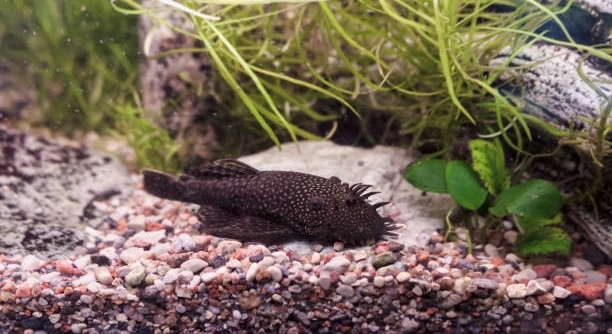
Have you ever wondered how to make your aquarium a more comfortable home for bristlenose plecos? These gentle fish need more than just water; their environment plays a big role in their health and happiness.
The best types of plants for bristlenose plecos are those that provide hiding spaces, soft leaves for grazing, and stability in freshwater aquariums. Suitable options include Anubias, Java Fern, and Amazon Sword, which thrive under similar conditions to plecos.
Choosing the right plants can improve both the look of your tank and the wellbeing of your fish, making it a pleasant space for both decoration and care.
Anubias
Anubias is a hardy plant that grows slowly and can thrive in low-light aquariums, making it ideal for bristlenose plecos. Its broad leaves provide shelter for fish to rest and hide. Plecos often graze on the biofilm that forms on the leaves, giving them a natural food source. Anubias can attach to rocks or driftwood, which prevents its roots from being disturbed by active plecos. Its strong leaves withstand nibbling and don’t easily tear, keeping the tank looking clean. Maintaining Anubias is straightforward. Simply rinse the leaves occasionally to remove debris and ensure water conditions stay stable. This plant is versatile, fitting well in the background or midground of the tank. Over time, Anubias can develop a thick root system that anchors it securely, which plecos appreciate as they explore. Its durability and low maintenance make it one of the most reliable plants for aquariums housing bristlenose plecos.
Anubias offers plecos shelter, grazing surfaces, and minimal care requirements, supporting their overall health in a freshwater tank environment.
Adding Anubias gives your tank depth and a natural feel, while creating spaces where plecos feel safe and comfortable.
Java Fern
Java Fern can grow in low-light conditions and attaches easily to rocks or driftwood, making it a practical choice for pleco tanks.
Java Fern’s tough leaves resist damage from pleco grazing. Unlike delicate plants, it does not need soil to grow, reducing maintenance and making planting simple. Plecos enjoy brushing against the leaves and scraping biofilm from their surfaces. Java Fern grows vertically, adding height and dimension to the aquarium, which enhances the tank’s natural appearance. It can survive a range of water conditions, including slightly acidic or alkaline water, making it compatible with the stable environment plecos prefer. Regular trimming helps maintain shape, but overall care is minimal. This plant encourages fish activity without creating clutter. Its resilience and adaptability make it a long-lasting addition that supports both aesthetic appeal and fish wellbeing. Many aquarists choose Java Fern for its ability to coexist with bottom-dwelling species like bristlenose plecos while enhancing the tank’s natural look.
Amazon Sword
Amazon Sword plants grow large, providing plecos with plenty of hiding space. Their broad leaves are perfect for grazing and biofilm growth, keeping the fish occupied.
This plant thrives in nutrient-rich substrate and moderate light. Plecos appreciate the dense foliage for shelter and grazing. Its roots help stabilize the substrate, preventing disturbances from fish activity. Amazon Swords grow tall, making them suitable for background placement in the tank. Regular trimming keeps the plant healthy and encourages new leaf growth. Maintaining water quality ensures longevity, as these plants prefer slightly acidic to neutral pH levels. Their large leaves provide a natural grazing area, and plecos often attach themselves to them for resting. With minimal effort, Amazon Swords enhance both the appearance and function of the tank.
Amazon Swords also improve tank ecology by absorbing excess nutrients, which helps control algae growth. Plecos interact naturally with the leaves, creating a balanced environment. Their durability and size make them one of the most effective plants for tanks with active bottom dwellers like bristlenose plecos.
Cryptocoryne
Cryptocoryne plants are low-maintenance and grow well in shaded areas, ideal for plecos needing cover. Their compact size allows for flexible placement in the tank.
Cryptocorynes adapt to various water conditions, from soft to moderately hard water. They develop thick roots that anchor them firmly, preventing uprooting by plecos. The leaves are sturdy yet tender enough for grazing, making them suitable for bottom-dwelling fish. These plants grow slowly, which reduces the need for frequent trimming, and their ability to tolerate low light helps maintain tank balance. Plecos benefit from the biofilm that forms on the leaves, adding to their natural diet. Multiple Cryptocoryne species provide different leaf shapes and colors, enhancing visual diversity while supporting the fish’s habitat needs.
In addition to shelter and grazing, Cryptocorynes contribute to water quality by absorbing excess nutrients. Their resilient nature allows them to recover from minor disturbances, and their compact growth encourages natural hiding spots. Plecos can move through dense clusters without damaging the plant. This combination of practicality, durability, and visual appeal makes Cryptocorynes a reliable choice for aquariums housing bristlenose plecos, supporting both aesthetics and fish health.
Vallisneria
Vallisneria grows tall and creates a natural curtain effect in the tank, giving plecos places to hide. Its long, ribbon-like leaves sway gently, mimicking a natural environment.
This plant propagates easily through runners, quickly filling empty spaces. It tolerates a wide range of water conditions, making it low-maintenance and suitable for pleco tanks.
Java Moss
Java Moss provides dense coverage for plecos to explore and rest. It grows on rocks, driftwood, or substrate, creating a natural habitat.
This moss traps detritus and fosters biofilm growth, which plecos graze on. Its soft texture is safe for delicate fins and encourages fish activity while enhancing tank aesthetics.
Hornwort
Hornwort grows quickly and floats or anchors in the substrate, giving plecos both cover and grazing surfaces. Its needle-like leaves help filter water by absorbing excess nutrients.
Water Wisteria
Water Wisteria has lacy leaves that plecos enjoy brushing against. It grows fast, helping maintain water quality and providing natural hiding spots.
FAQ
What plants are safest for bristlenose plecos?
The safest plants for bristlenose plecos are hardy species with thick leaves or strong root systems. Examples include Anubias, Java Fern, Amazon Sword, and Cryptocoryne. These plants tolerate grazing, low light, and water movement, making them ideal for tanks with bottom-dwelling fish. Their resilience ensures minimal damage while providing plecos with hiding and grazing spaces.
Can plecos eat live plants?
Bristlenose plecos may nibble on some plants, but they mostly graze on biofilm and algae. Soft-leaved plants like Java Moss or Water Wisteria are occasionally nibbled, while tougher plants such as Anubias or Java Fern are generally left untouched. Choosing durable species reduces the risk of damage.
How should I plant Anubias or Java Fern?
These plants do not require substrate. Attach them to driftwood or rocks using fishing line or aquarium-safe glue. Their roots naturally cling to surfaces over time, creating a secure placement that plecos cannot easily uproot.
Do fast-growing plants help tank health?
Yes, plants like Hornwort or Water Wisteria grow quickly and absorb excess nutrients, reducing algae growth. They provide extra cover for plecos and help maintain balanced water conditions, promoting a healthier aquarium environment overall.
How much light do these plants need?
Most pleco-safe plants grow well in low to moderate light. Overly bright light can promote algae growth, which can compete with the plants. Maintaining moderate lighting encourages healthy plant growth while allowing plecos to graze naturally.
Should plants be trimmed regularly?
Trimming depends on the species. Fast-growing plants like Water Wisteria benefit from regular pruning to prevent overcrowding. Slow growers like Anubias and Java Fern need minimal trimming, usually just removing old or damaged leaves. Proper maintenance ensures plecos have space to move freely.
Can plecos uproot plants?
Yes, active plecos can disturb loosely planted species, especially soft-rooted plants. Anchoring plants like Anubias and Java Fern to hard surfaces prevents this, while using thick substrate can help stabilize species like Amazon Sword or Cryptocoryne.
Are floating plants safe for plecos?
Floating plants can provide shade and reduce light intensity, which plecos enjoy. They also help control algae and improve water quality. However, some floating plants may block filtration or light if they grow excessively, so occasional thinning is necessary.
How do plants affect pleco behavior?
Plants create hiding spots, grazing surfaces, and a sense of security. Plecos use dense foliage to rest during the day and explore at night. Having a variety of plants reduces stress, encourages natural behaviors, and supports their overall health.
Can planted tanks reduce maintenance for pleco owners?
Yes, plants absorb excess nutrients and provide surfaces for biofilm growth, which plecos feed on. This natural ecosystem reduces algae growth and helps stabilize water chemistry, making tank maintenance easier while benefiting both fish and plants.
Is substrate important for planted tanks with plecos?
Substrate is important for root-heavy plants like Amazon Sword and Cryptocoryne. A nutrient-rich substrate encourages healthy root development and plant growth. Plecos prefer some substrate for natural digging and grazing behaviors, so choosing an appropriate substrate balances plant and fish needs.
Do plecos need live plants to thrive?
While bristlenose plecos can survive without live plants, having them improves their wellbeing. Live plants provide grazing surfaces, hiding spots, and a more natural environment, which reduces stress and encourages natural behaviors. A mix of durable plants enhances both aesthetics and fish health.
How do I prevent plant damage from plecos?
Choose hardy plants, anchor them securely, and provide multiple grazing surfaces like driftwood. Plecos focus on biofilm and algae, so offering alternative surfaces reduces nibbling on live plants. Regular observation ensures plants remain healthy and plecos stay safe.
Can plecos coexist with delicate plants?
Delicate plants are at risk if plecos are active in the tank. Soft-leaved species may be nibbled or uprooted. If including delicate plants, place them in areas less frequented by plecos or use floating plants for extra protection.
How often should plants be fertilized in pleco tanks?
Fertilization depends on the plant type and substrate. Hardy plants like Anubias or Java Fern need minimal nutrients, while root feeders like Amazon Sword may benefit from occasional root tabs. Avoid over-fertilizing, as plecos produce waste that contributes to nutrient levels naturally.
Can plecos help keep plants clean?
Yes, plecos graze on algae and biofilm, which can accumulate on plant leaves. Their activity reduces excessive growth and keeps surfaces cleaner, indirectly supporting plant health while providing natural nutrition for the fish.
Are there plants plecos avoid completely?
Tough, fibrous plants like Anubias or Java Fern are rarely eaten. Fast-growing floating plants are generally left alone as well. Plecos focus on surfaces with biofilm or algae rather than the plant tissue itself, making these species safe for long-term coexistence.
What is the best layout for plants with plecos?
A mix of background, midground, and foreground plants works well. Taller plants like Amazon Sword and Vallisneria go in the back, mid-height plants like Cryptocoryne in the middle, and mosses or small foreground plants in front. This arrangement gives plecos hiding spots and grazing surfaces throughout the tank.
Can plant selection affect pleco growth?
Yes, providing appropriate plants encourages grazing on biofilm and reduces stress, supporting healthy growth. Plants that offer shelter and natural surfaces allow plecos to behave normally, which contributes to overall physical health and longevity in captivity.
How do I balance plant care with pleco care?
Choose hardy, low-maintenance plants, secure them properly, and provide moderate lighting and nutrients. Observe pleco activity and adjust plant placement as needed. This balance ensures both the plants and fish thrive without excessive maintenance or conflict.
Do plecos need hiding places beyond plants?
Yes, driftwood, caves, or rocks supplement plant coverage. Plecos like multiple hiding options, especially during the day. Combining plants with these structures creates a comfortable environment, reduces stress, and encourages natural behaviors.
How often should plant health be checked?
Weekly observation is ideal. Check for yellowing leaves, algae overgrowth, or uprooted plants. Remove damaged leaves, trim overgrown sections, and adjust placement if needed. Regular monitoring ensures both plants and plecos remain healthy in the aquarium.
Can live plants survive in tanks with multiple plecos?
Yes, if plants are hardy and anchored well. Multiple plecos may increase grazing and substrate disturbance, so selecting tough species and providing ample coverage helps maintain plant health in a community tank.
What are signs that plants are stressed by plecos?
Wilting, torn leaves, or uprooted roots indicate stress. Plecos may overgraze or dig excessively. Address this by anchoring plants, providing alternative grazing surfaces, and maintaining proper water conditions to support plant recovery.
How do plants improve water quality for plecos?
Plants absorb nitrates, phosphates, and other nutrients, reducing algae growth. Their roots help oxygenate the water and stabilize substrate, creating a healthier environment. This contributes to clearer water, stable chemistry, and a more comfortable habitat for bristlenose plecos.
Are there seasonal changes in plant care for plecos?
Yes, plant growth may slow in cooler months. Adjust lighting and nutrient supply accordingly. Plecos remain active year-round, so maintaining stable water parameters and trimming slower-growing plants ensures both fish and vegetation thrive.
How do I start a planted tank specifically for plecos?
Choose hardy plants, provide stable water conditions, and arrange hiding spots throughout the tank. Use suitable substrate for root feeders, secure plants like Anubias to hard surfaces, and include driftwood or caves. Gradually introduce plecos once plants are established to reduce stress and damage.
Do plecos prefer certain plants over others?
Plecos generally favor plants with biofilm and algae. They use broad leaves for resting and grazing. While hardy plants are mostly left untouched, they provide the necessary structure and security plecos enjoy exploring daily.
How do I prevent algae while keeping pleco-safe plants?
Moderate lighting, fast-growing plants like Hornwort, and regular water changes reduce algae. Plecos help by grazing on surfaces, but maintaining balance between light, nutrients, and plant growth prevents overgrowth while protecting the aquarium’s aesthetic.
Are planted tanks harder to maintain with plecos?
Not necessarily. Choosing resilient plants and providing alternative grazing surfaces simplifies care. Plecos naturally control algae, and plants improve water quality, creating a balanced ecosystem that can be easier to maintain than a bare tank.
Can plants help breeding plecos?
Yes, dense plants provide privacy and shelter for breeding pairs. Plecos often use hiding spots among plants for laying eggs, which increases fry survival by reducing stress and protecting them from disturbances in the tank.
What common mistakes should be avoided with plants and plecos?
Avoid delicate plants, insecure planting, or overcrowding. Ensure sufficient hiding spaces, moderate lighting, and stable water parameters. Observing pleco behavior and adjusting plant placement prevents damage and stress, promoting a healthy, balanced tank.
How do I choose the best combination of plants?
Mix tall, mid-size, and ground-cover plants to create layers. Include hardy species like Anubias and Java Fern with faster-growing plants like Hornwort or Water Wisteria. This provides shelter, grazing areas, and aesthetic balance while supporting pleco activity.
Can plecos thrive without driftwood if plants are present?
Driftwood is beneficial but not strictly required. Plants provide hiding spots, biofilm for grazing, and environmental enrichment. However, including driftwood enhances nutrition, especially for plecos that enjoy rasping wood, and adds to tank structure.
How do I ensure both plants and plecos stay healthy long-term?
Select hardy plants, anchor them properly, maintain water quality, provide moderate light, and monitor pleco activity. Regular trimming and observation prevent overgrowth or damage. This combination supports a thriving ecosystem where both plants and plecos remain healthy and active.
Are there supplements that benefit both plants and plecos?
Root tabs and liquid fertilizers support plant growth without harming plecos. Supplementing trace elements occasionally helps slow-growing plants thrive while maintaining a balanced tank environment safe for fish. Over-fertilization should be avoided to prevent algae blooms.
Can plecos tolerate seasonal changes in plant growth?
Yes, plecos are adaptable. Seasonal variations in plant growth may reduce grazing surfaces temporarily, but plecos adjust their behavior and continue feeding on biofilm, algae, or supplementary foods, ensuring continued health and activity year-round.
How often should plants be cleaned in pleco tanks?
Rinse leaves gently to remove debris or excess algae as needed, typically every 2–4 weeks. Avoid harsh scrubbing to protect plant tissue and biofilm that plecos feed on. Regular light cleaning keeps plants healthy and the tank balanced.
Can planted tanks prevent pleco aggression?
Providing ample hiding spaces and visual barriers reduces stress and competition among plecos. Dense plants create natural boundaries, allowing multiple fish to coexist peacefully while exploring and grazing.
Are there plant species to avoid with plecos?
Avoid delicate or soft-leaved species prone to uprooting or nibbling, such as some stem plants. These may be damaged by plecos and can create maintenance challenges, so selecting hardy species is preferable.
How do I maintain stable water conditions for planted pleco tanks?
Regular water changes, moderate lighting, and balanced feeding help maintain water stability. Plants absorb excess nutrients, and monitoring pH and temperature ensures both plecos and plants remain healthy, creating a sustainable aquarium ecosystem.
Is it necessary to quarantine plants before adding them to pleco tanks?
Yes, quarantining plants helps prevent pests, snails, or diseases from entering the tank. Rinsing and treating plants before introduction protects both the vegetation and plecos, maintaining a safe, balanced environment.
Can plecos adapt to new plants quickly?
Yes, plecos usually explore and graze on biofilm from new plants within a few days. Hardy plants adjust well to their presence, and over time, plecos learn which surfaces are ideal for resting and feeding.
How do I combine floating and rooted plants safely with plecos?
Floating plants provide shade while rooted plants offer grazing surfaces. Ensure floating plants do not block filters or light, and anchor rooted plants securely to prevent uprooting. This creates a balanced habitat with multiple layers for plecos to interact with.
What is the ideal plant density for pleco tanks?
Moderate to dense planting provides shelter, grazing areas, and hiding spots without overcrowding. Sufficient open swimming space is important, allowing plecos to move freely while still benefiting from protective foliage.
Can plecos damage slow-growing plants?
Slow-growing plants are generally safer, but plecos may occasionally nibble on leaves or disturb roots. Anchoring and careful placement reduce damage while allowing plecos to graze naturally and interact with their environment.
Do live plants help reduce stress in plecos?
Yes, live plants offer hiding spots, resting surfaces, and visual security, reducing stress levels. A planted environment encourages natural behaviors, leading to healthier, calmer, and more active plecos.
Can plecos live with both mosses and larger plants?
Yes, mosses provide grazing surfaces and cover, while larger plants offer shelter and vertical structure. Combining both creates a layered, dynamic habitat that plecos use for feeding, resting, and exploring.
How do I prevent plant decay in pleco tanks?
Remove dead or decaying leaves promptly, maintain proper water conditions, and avoid overfeeding. Healthy plants absorb nutrients efficiently, and regular maintenance prevents decay that could affect both plant and pleco health.
Can plecos and fast-growing plants coexist long-term?
Yes, fast-growing plants like Hornwort or Water Wisteria thrive alongside plecos, providing grazing areas and cover. Regular trimming prevents overcrowding, ensuring a sustainable, low-stress environment that benefits both fish and plants.
Do plecos prefer certain plant textures?
Plecos favor surfaces with biofilm or rough textures for grazing. Soft or delicate leaves are sometimes nibbled but less frequently. Hardy, textured plants provide natural resting and feeding areas that plecos use consistently.
How does water chemistry affect planted tanks with plecos?
Stable pH, hardness, and temperature are crucial for both plants and plecos. Plants like Amazon Sword and Cryptocoryne thrive in slightly acidic to neutral water, matching pleco preferences. Balanced chemistry supports growth, biofilm development, and overall tank health.
Are artificial plants suitable for plecos?
Artificial plants can provide hiding spots but lack biofilm for grazing. Hard, smooth surfaces prevent injury, but live plants offer nutritional and ecological benefits that support pleco wellbeing and tank balance.
Can plecos survive in tanks with minimal plants?
Yes, plecos can survive with few plants if other hiding spots and biofilm sources are present. However, live plants enhance their environment, reducing stress and encouraging natural behaviors that improve overall health.
Do plecos interact differently with floating versus rooted plants?
Floating plants provide shade and grazing surfaces indirectly, while rooted plants offer resting areas and biofilm-rich surfaces. Plecos use both types, adjusting their activity depending on accessibility and shelter needs within the tank.
How do plants affect water oxygen levels for plecos?
Plants release oxygen during photosynthesis, improving water quality. Dense planting combined with proper filtration ensures oxygen-rich water, which supports pleco respiration and overall tank health.
Are there seasonal lighting adjustments for planted pleco tanks?
Adjust lighting based on plant growth cycles. Slower growth in winter may require slightly longer lighting periods, while summer growth may need trimming to prevent overcrowding. Plecos remain active regardless of seasonal light changes.
Can plecos damage plant roots?
Yes, especially root-feeding or digging species. Anchoring plants securely and selecting hardy root systems reduces the risk, allowing plecos to explore the substrate without harming plant stability.
Do plants influence pleco feeding habits?
Yes, plecos graze on biofilm and algae that accumulate on leaves. Providing multiple plant surfaces encourages natural feeding behavior, reduces stress, and supplements their diet with natural nutrients.
How do I choose low-maintenance plants for plecos?
Select hardy, slow-growing species that tolerate low light and pleco interaction. Plants like Anubias, Java Fern, and Cryptocoryne require minimal care and are resilient, making them ideal for beginners or low-maintenance aquariums.
Can plecos coexist with both soft and hard-leaved plants?
Yes, though soft-leaved plants may be nibbled occasionally. Including a mix of textures ensures grazing options, hiding spots, and durability, creating a balanced tank that supports pleco activity and plant survival.
What water temperature is best for planted pleco tanks?
Bristlenose plecos prefer 73–81°F (23–27°C). Most pleco-safe plants tolerate this range, allowing both fish and vegetation to thrive. Stable temperatures reduce stress and promote healthy growth for both plants and plecos.
How do I protect plants during pleco acclimation?
Introduce plecos gradually and monitor their behavior. Anchor plants securely, provide hiding spots, and observe interactions. Adjust placement if nibbling or uprooting occurs, ensuring both fish and plants adapt successfully.
Are there signs plecos are unhappy with tank plants?
Excessive digging, uprooting plants, or stress-related behaviors indicate environmental issues. Adjust plant placement, provide alternative hiding areas, and ensure sufficient grazing surfaces to improve pleco comfort and reduce plant damage.
How important is tank size for plants and plecos?
Larger tanks allow more plant variety and space for plecos to explore. Adequate swimming room, hiding spots, and grazing surfaces reduce stress, support natural behavior, and promote long-term health for both fish and plants.
Can plecos help control algae in planted tanks?
Yes, plecos graze on algae, reducing buildup on leaves and decorations. Combined with fast-growing plants, this natural control method supports a balanced aquarium ecosystem, keeping water cleaner and plants healthier.
Do plecos prefer certain plant arrangements?
Plecos benefit from layered arrangements with background, midground, and foreground plants. Taller plants provide shelter, mid-height plants offer grazing surfaces, and mosses or ground covers create hiding spots, encouraging natural movement and interaction throughout the tank.
How do I maintain aesthetic appeal while keeping plecos safe?
Combine hardy plants with varied heights and textures. Ensure enough hiding spots without overcrowding, anchor plants securely, and trim regularly. This balance maintains a visually pleasing tank while accommodating pleco activity and reducing plant damage.
Are there alternative surfaces plecos enjoy besides plants?
Yes, driftwood, rocks, caves, and PVC structures offer resting and grazing surfaces. Combining these with live plants creates a richer environment, supporting natural behaviors
Final Thoughts
Bristlenose plecos are gentle and active fish that benefit greatly from having plants in their tank. Choosing the right types of plants can make a big difference in their comfort and overall health. Hardy plants such as Anubias, Java Fern, and Amazon Sword are ideal because they can withstand pleco activity and provide stable surfaces for grazing. Soft-leaved plants like Water Wisteria or Java Moss can still be included, but they may need occasional protection or placement in areas where plecos are less likely to nibble. A well-planted tank provides hiding spots, grazing surfaces, and a more natural environment, helping plecos feel safe and secure during the day and active at night. The presence of plants also encourages natural behaviors, such as resting, exploring, and feeding, which contributes to the fish’s overall wellbeing.
Maintaining a planted tank with plecos does not have to be difficult. Most of the suitable plants for bristlenose plecos are low-maintenance and adaptable to a variety of water conditions. Slow-growing plants like Anubias and Java Fern require minimal trimming and can be attached to rocks or driftwood, reducing the risk of being uprooted. Fast-growing plants such as Hornwort or Water Wisteria can help control excess nutrients and prevent algae growth, creating a cleaner tank environment. Rooted plants like Amazon Sword and Cryptocoryne benefit from nutrient-rich substrate and moderate light, which encourages healthy root development and leaf growth. Keeping an eye on water quality, trimming overgrown leaves, and ensuring plants are secure will help maintain a balanced tank. Over time, plecos will naturally interact with the plants, grazing on biofilm and algae, which provides additional nutrition and helps the plants stay clean.
Creating a tank that combines plants and plecos also enhances the visual appeal of the aquarium. Layering tall, mid-size, and foreground plants adds depth and texture while giving plecos a variety of spaces to explore and hide. Driftwood, rocks, and caves can be combined with plants to further enrich the environment and provide additional surfaces for biofilm growth. A balanced combination of different plant types not only supports pleco health but also improves water quality and reduces stress in the fish. With proper planning, placement, and maintenance, a planted tank can thrive for years, providing both a safe habitat for plecos and an attractive display. Taking the time to choose appropriate plants and arrange them thoughtfully ensures a healthier, more natural, and enjoyable environment for these bottom-dwelling fish.

Hello,
If you enjoy the content that we create, please consider saying a "Thank You!" by leaving a tip.
Every little bit helps us continue crafting quality advice that supports the health, happiness, and well-being of pets around the world, for pets of all shapes, sizes, and species.
We really appreciate the kindness and support that you show us!