
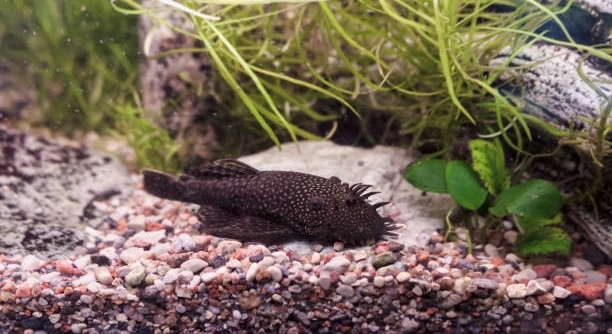
Do you ever notice your pleco lingering near the surface of the tank more than usual? This behavior can feel concerning for any aquarist who wants their fish to stay happy and healthy in its environment.
Plecos staying near the surface are often responding to low oxygen levels, poor water quality, or stress. Ensuring proper aeration, maintaining clean water, and monitoring tank conditions are essential for promoting natural, healthy behavior in these fish.
Observing your pleco’s habits closely can reveal small changes in health or environment that might otherwise go unnoticed. Understanding these signs helps you maintain a safer, more comfortable home for your fish.
Common Reasons Plecos Stay Near the Surface
Plecos are usually bottom dwellers, but seeing them hover near the top can indicate several environmental issues. Low oxygen is a primary factor; plecos will swim upward to access more oxygen-rich water. Poor water quality can also affect their behavior. High levels of ammonia, nitrites, or nitrates can stress the fish, causing them to seek fresher water at the surface. Temperature fluctuations may play a role, as warmer water holds less oxygen, and plecos may struggle to breathe comfortably. Overcrowding and insufficient filtration can make the water less hospitable, encouraging your pleco to stay near the surface. Even changes in tank décor, lighting, or new tankmates can trigger surface behavior as the fish adjusts to perceived stressors. Understanding these factors helps maintain a stable environment and supports your pleco’s natural behavior over time, reducing the chances of long-term health problems.
Low oxygen and poor water quality are usually the main reasons plecos stay at the top of the tank.
Watching your pleco carefully can help you notice patterns linked to feeding, temperature, or tank conditions. Adjusting aeration, cleaning the tank regularly, and maintaining proper water chemistry can often correct surface swimming. Some plecos are naturally more active near the surface, especially at night, but consistent surface dwelling often signals a problem. Tank size, the number of fish, and filtration efficiency all influence behavior. Ensuring hiding spots and resting areas at the bottom can encourage normal activity. Additionally, monitoring food intake and feeding schedules helps assess overall health. By keeping these factors in mind, you can create a comfortable environment that supports both activity and rest, allowing your pleco to thrive. Regular observation and small adjustments often prevent more serious health issues.
Oxygen Levels and Filtration
Proper oxygenation is critical for plecos’ well-being, as stagnant or poorly filtered water can lead to constant surface swimming.
Filters and aerators play a significant role in keeping water clean and oxygen-rich. A lack of circulation can create dead zones with lower oxygen levels. Using high-quality filtration suited for the tank size ensures that water moves effectively, bringing oxygen to all areas. Adding air stones or bubble wands increases surface agitation, improving oxygen exchange. Tank plants can also help maintain oxygen but may not fully compensate for low flow. Checking water parameters regularly, such as ammonia, nitrites, nitrates, and pH, ensures a healthy environment. Plecos are sensitive to these levels, and small changes can impact behavior quickly. Combining clean water, proper filtration, and aeration creates a stable habitat that encourages your pleco to spend more time near the bottom, where it naturally belongs. Consistent care prevents stress, reduces disease risk, and promotes long-term vitality.
Water Temperature
Plecos are sensitive to water temperature. Warm water holds less oxygen, which may cause them to swim near the surface to breathe more easily. Maintaining a stable temperature within their preferred range is crucial for their comfort and health.
Sudden fluctuations in temperature can stress plecos, leading to unusual behavior. Ideal temperatures usually range between 72°F and 78°F, depending on the species. Using a reliable heater and thermometer helps maintain stability. Avoid placing the tank near windows, vents, or heating devices that can cause rapid changes. Stress from temperature swings can make plecos more susceptible to disease and reduce their appetite. Even small variations at night or during seasonal changes can impact oxygen levels and overall activity. Consistent temperature control ensures the fish remain healthy and active in their natural tank zones.
Extreme temperatures, either too high or too low, can force plecos to the surface more frequently. Keeping the water within the proper range reduces stress, supports metabolism, and encourages normal bottom-dwelling behavior. Regularly checking water conditions and making gradual adjustments ensures your pleco can thrive without unnecessary strain.
Feeding and Diet
Overfeeding or poor diet can affect pleco behavior, causing them to linger near the surface in search of food. Balanced nutrition is key to keeping them healthy.
Plecos require a diet rich in vegetables, algae, and specialized sinking pellets. Excessive feeding can foul the water, reducing oxygen and causing them to swim near the surface. Uneaten food also promotes bacterial growth, which further lowers water quality. Feeding smaller portions several times a day is better than a single large meal. Including fresh vegetables like zucchini, cucumber, and spinach ensures proper nutrition. Some plecos also enjoy occasional protein sources, but these should be limited to avoid digestive issues. Monitoring feeding habits and removing leftovers helps maintain clean water and encourages natural bottom-feeding behavior.
If plecos frequently stay at the surface during feeding, it may indicate diet deficiencies or competition with tankmates. Adjusting food types and schedules, along with ensuring all fish have access to meals, supports healthy growth and reduces stress. Providing sinking foods and fresh vegetables helps them stay active at the bottom, reflecting more natural behavior and preventing long-term health problems.
Tank Size and Space
A small or overcrowded tank can make plecos uncomfortable, causing them to stay near the surface. Adequate space allows proper movement and natural behavior, reducing stress.
Providing hiding spots and resting areas at the bottom encourages your pleco to explore its environment. Proper layout can prevent surface swimming caused by anxiety or lack of space.
Stress and Environmental Changes
Plecos are sensitive to sudden changes in their environment, including new tankmates, decorations, or lighting. Stress can cause them to remain near the surface, avoiding perceived threats. Regular observation helps identify triggers and minimize stress, keeping the fish calmer and more comfortable in its habitat.
Signs of Illness
Illness can lead plecos to spend more time at the surface. Watch for unusual marks, frayed fins, or lethargy. Early detection and treatment prevent further health complications.
FAQ
Why is my pleco staying at the surface all the time?
When plecos remain at the surface, it usually indicates stress, low oxygen levels, or poor water quality. Ensuring proper filtration, aeration, and regular water changes can correct this behavior. Temperature swings or sudden environmental changes may also cause prolonged surface swimming.
Is it normal for plecos to come up at night?
Some pleco species are more active at night and may occasionally swim near the surface during feeding or exploration. This behavior is generally normal if it is not accompanied by signs of distress, disease, or poor water conditions.
Can overfeeding cause surface swimming?
Yes, overfeeding can degrade water quality and reduce oxygen levels, causing plecos to linger near the surface. Uneaten food promotes bacterial growth and ammonia buildup, which stresses the fish. Feeding smaller portions and removing leftovers prevents this problem.
Does water temperature affect surface swimming?
Absolutely. Warmer water holds less oxygen, which can make plecos rise to the top to breathe more easily. Maintaining a stable temperature in their preferred range, typically 72–78°F depending on species, supports healthy behavior and reduces stress.
Could my pleco be sick if it’s near the surface?
Surface swimming can signal illness. Look for signs such as frayed fins, abnormal spots, loss of appetite, or lethargy. Early detection allows treatment to prevent further complications. Poor water conditions can mimic illness, so always check water parameters first.
Does tank size influence pleco behavior?
Yes, plecos need adequate space to move freely. Small or overcrowded tanks can make them stressed and encourage surface swimming. Adding hiding spots and keeping a proper number of fish ensures they have room to explore the bottom comfortably.
Do plecos need oxygen supplements?
In some tanks with low circulation or high stocking, adding air stones or increasing surface agitation can improve oxygen levels. Well-maintained filtration often provides sufficient oxygen, but additional aeration may be necessary in certain situations.
Can stress from tankmates affect my pleco?
Yes, aggressive or fast-moving fish can intimidate plecos, causing them to avoid the bottom. Rearranging the tank, adding hiding spots, or separating aggressive species can reduce stress and encourage natural behavior.
How can I encourage my pleco to stay at the bottom?
Providing hiding areas, proper tank décor, and a stable environment encourages plecos to remain at the bottom. Feeding sinking foods and maintaining clean water with stable temperature and oxygen levels helps support normal behavior.
What should I do if my pleco keeps surfacing despite changes?
Persistent surface swimming may require a combination of water testing, temperature control, diet adjustments, and observation for illness. If behavior continues, consulting a veterinarian familiar with fish health ensures that any underlying issue is addressed properly.
Can lighting affect my pleco’s behavior?
Bright or inconsistent lighting can stress plecos, causing them to seek refuge near the surface. Providing a natural light cycle and shaded areas in the tank allows them to regulate activity comfortably without unnecessary stress.
How often should I monitor water quality?
Regular testing of ammonia, nitrites, nitrates, and pH is essential, ideally weekly. Poor water quality is the most common cause of surface swimming. Timely water changes and monitoring prevent stress-related behaviors and maintain overall health.
Do plecos ever surface to feed naturally?
Some plecos may approach the surface when offered food, especially during feeding times. This is normal if it is brief and the fish otherwise spends time at the bottom. Surface behavior during feeding should not be mistaken for distress alone.
Is it harmful if plecos surface frequently?
Frequent surface swimming is a sign that something in the tank may need attention. While occasional surfacing is fine, consistent behavior often indicates low oxygen, stress, illness, or poor water quality that should be addressed promptly.
Can plants help reduce surface swimming?
Live plants improve oxygenation and provide hiding spots, which can encourage plecos to remain near the bottom. However, they may not fully compensate for low water movement or poor filtration, so they should be part of a broader tank management strategy.
How long does it take for plecos to adjust to a new tank?
Adjustment periods vary but generally take several days to a few weeks. During this time, plecos may swim near the surface more often as they explore and adapt. Monitoring water quality, providing hiding spots, and avoiding sudden changes helps them settle comfortably.
Are certain pleco species more likely to stay near the surface?
Some species, especially smaller or more active types, may spend short periods near the surface naturally. Observing your species’ typical behavior is important to distinguish normal activity from signs of stress or environmental problems.
Can water changes help with surface swimming?
Yes, regular water changes remove toxins, maintain oxygen levels, and stabilize parameters. This often reduces surface swimming caused by poor water quality, making the tank more comfortable for plecos.
Should I worry about oxygen at night?
Oxygen levels can drop slightly at night, especially in densely stocked tanks. Adding aeration or ensuring proper filtration keeps oxygen sufficient around the clock, preventing plecos from needing to swim near the surface.
What signs indicate immediate action is needed?
Rapid gasping at the surface, clamped fins, loss of appetite, or sudden lethargy indicate urgent issues. Check water quality and temperature first, and if symptoms persist, consult a veterinarian for treatment to prevent severe health problems.
Final Thoughts
Observing a pleco staying near the surface can feel worrying, especially if it seems unusual for your fish. While plecos naturally spend most of their time at the bottom, brief visits to the surface can be normal, especially during feeding or when exploring their environment. However, consistent surface swimming usually signals that something in the tank needs attention. Factors like low oxygen, poor water quality, temperature fluctuations, stress from tankmates, or dietary issues are often the cause. By understanding these factors, you can take practical steps to create a more comfortable and stable environment for your pleco, encouraging healthier, more natural behavior.
Maintaining proper water quality is one of the most important aspects of pleco care. Regular testing for ammonia, nitrites, nitrates, and pH levels ensures the tank remains safe and healthy. Clean water supports oxygenation and reduces stress, making your pleco more likely to spend time at the bottom as intended. Proper filtration, aeration, and consistent water changes work together to keep the tank environment stable. Temperature control is equally important because sudden fluctuations or excessively warm water can decrease oxygen levels and trigger surface swimming. Monitoring these conditions regularly helps prevent problems before they become serious, keeping your pleco active, comfortable, and healthy.
Diet, space, and tank setup also play key roles in pleco behavior. Providing a balanced diet of sinking foods, vegetables, and occasional protein ensures your pleco receives proper nutrition. Overfeeding can harm water quality and encourage surface activity, so controlling portions and removing leftovers is crucial. Adequate tank size and hiding spots allow your pleco to feel secure and explore comfortably without stress. Even subtle changes in the environment, like new decorations, lighting adjustments, or the introduction of new tankmates, can influence behavior. By observing your pleco closely and addressing environmental and dietary needs, you can reduce surface swimming, support natural habits, and create a healthier, more enjoyable tank for your fish.

Hello,
If you enjoy the content that we create, please consider saying a "Thank You!" by leaving a tip.
Every little bit helps us continue crafting quality advice that supports the health, happiness, and well-being of pets around the world, for pets of all shapes, sizes, and species.
We really appreciate the kindness and support that you show us!