
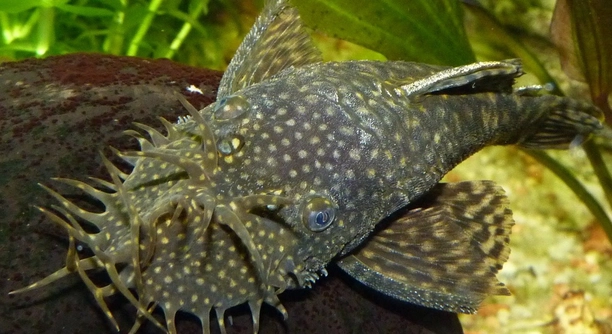
Have you ever set up a new aquarium and wondered if every detail really matters for your fish? Many hobbyists focus on decorations and filters but often question whether the substrate is truly necessary for certain species.
Bristlenose plecos can survive without gravel in their tank, though it is not ideal. While they can adapt to bare-bottom aquariums, gravel provides benefits such as natural foraging, better waste management, and enrichment for their overall well-being.
Understanding these details can help you make better decisions for your tank setup and ensure your plecos stay healthy and comfortable.
Why Gravel Matters for Bristlenose Plecos
Gravel in a pleco tank is more than just decoration. It gives the fish a natural surface to graze on, which helps mimic their natural feeding habits. Without gravel, they might miss out on small algae and biofilm that grows on the substrate. Gravel also helps with waste management. Debris falls between the stones, allowing beneficial bacteria to break it down and keep water cleaner. For tanks with live plants, gravel anchors roots, supporting healthy plant growth. Some plecos enjoy digging or moving small stones around, which adds mild stimulation and reduces boredom. While bare-bottom tanks are easier to clean, they lack these benefits, which can affect fish behavior over time. Choosing the right gravel size is important; too large can trap too much waste, too small can be ingested by your pleco. Overall, gravel supports natural behavior, tank cleanliness, and the overall well-being of your Bristlenose plecos.
Using gravel is a small step that improves both the tank environment and your pleco’s daily activities.
Even a thin layer of gravel can make a significant difference. It provides subtle textures that support feeding, movement, and enrichment, helping your fish feel more at home.
Risks of a Bare-Bottom Tank
Bristlenose plecos can survive in a tank without gravel, but there are some drawbacks to consider.
Without substrate, plecos might become bored or stressed over time. Bare-bottom tanks remove surfaces for natural grazing, which can affect digestion and behavior. Waste tends to float longer, making water quality harder to maintain. Some fish develop slight fin irritation if constantly resting on a smooth, hard bottom. Additionally, a bare-bottom tank lacks hiding spots created naturally by gravel mounds or rocks partially buried in substrate. Stress from these factors can subtly affect health and immune response, making fish more vulnerable to disease. For tanks with live plants, absence of gravel complicates planting, as roots may not stay anchored. Owners must also consider aesthetic and environmental enrichment factors, which are diminished in a bare setup. While cleaning is easier, maintaining a healthy balance requires more effort in water testing and feeding strategies. Ultimately, gravel supports both the physical and psychological needs of Bristlenose plecos.
Choosing the Right Gravel
Small, smooth gravel is best for Bristlenose plecos. Sharp or large stones can injure their delicate mouths and fins. Fine gravel allows the fish to sift through it safely while foraging. Darker colors often make plecos feel more secure, reducing stress.
Using gravel properly requires understanding your pleco’s habits. They like to graze along surfaces, so avoid overly polished stones that prevent algae growth. Gravel should be deep enough for minor digging but not so deep that it traps excessive waste. Rinse thoroughly before adding it to remove dust and impurities. Mixing in some flat stones or slate can provide resting areas and texture variety. Live plants can be anchored in the gravel to provide hiding spots. Maintaining a balance between aesthetics, fish safety, and tank health ensures your pleco thrives. Gravel choice impacts both feeding behavior and overall tank cleanliness.
Gravel also affects water chemistry slightly, depending on its composition. Some natural gravels can buffer pH, supporting stable water conditions. Plecos prefer slightly soft to neutral water, and proper substrate can help maintain this. Avoid reactive stones that alter pH drastically. Gravel size matters too; too small may compact, too large can be awkward for foraging. Overall, gravel supports feeding, movement, and tank stability, making it a simple yet essential part of a healthy pleco setup.
Maintaining a Bare-Bottom Tank
Cleaning is easier in bare-bottom tanks because waste is visible and can be siphoned quickly. Regular water changes are still essential to keep ammonia and nitrates low.
Without gravel, careful monitoring of water parameters is crucial. Plecos still produce waste that affects ammonia, nitrite, and nitrate levels. Filters become the primary tool for maintaining cleanliness, so using a strong, efficient filter is important. Uneaten food must be removed promptly to prevent water contamination. Bare tanks allow quick access for siphoning debris, but the lack of natural filtration surfaces means bacteria colonies are mostly confined to the filter. This requires consistent maintenance to prevent sudden spikes in harmful compounds. Feeding habits may also need adjustment since plecos cannot forage naturally, so providing balanced algae wafers and vegetables is essential. Observing behavior regularly helps detect stress or health issues early. With proper care, a bare-bottom tank can work, but it demands more attention to water quality and enrichment.
Benefits of Gravel Over Bare-Bottom
Gravel provides natural foraging opportunities that bare-bottom tanks cannot. Plecos can sift through it for leftover food and algae, keeping them mentally stimulated. It also helps anchor plants and decorations, giving the tank a more natural feel.
Gravel improves water stability by hosting beneficial bacteria. These bacteria break down waste, helping maintain healthier water parameters. Bare-bottom tanks lack this natural filtration, which can make water quality harder to manage over time. Gravel also gives plecos subtle texture and comfort under their fins, reducing stress and encouraging natural behavior.
Feeding Considerations
Plecos rely on both prepared foods and natural grazing. Gravel allows them to pick at leftover bits and algae naturally, supplementing their diet and supporting digestion.
Tank Aesthetics
Gravel enhances the visual appeal of the aquarium, giving it depth and a more natural look. It also helps create areas for plants, hiding spots, and decorations.
FAQ
Can Bristlenose plecos live happily without gravel?
Yes, Bristlenose plecos can survive in a bare-bottom tank, but their environment will be less natural. Gravel provides surfaces for grazing, slight stimulation, and a place to dig or hide. Without it, plecos may show minor behavioral changes, such as spending more time on smooth surfaces or searching for enrichment elsewhere. Bare tanks require more active maintenance to ensure water quality stays consistent, since beneficial bacteria cannot colonize the substrate as they would in gravel.
Will a bare-bottom tank affect my pleco’s health?
A bare-bottom tank won’t directly harm plecos if water conditions are carefully monitored. However, without gravel, plecos lose a natural grazing surface, which can slightly impact digestion. They may also experience mild stress without the subtle texture and enrichment that gravel provides. Maintaining clean water and adding alternative enrichment, like driftwood, flat rocks, or plant roots, can help reduce these risks.
Is gravel difficult to clean?
Gravel does require some maintenance, but it’s manageable with the right tools. A siphon or gravel vacuum can remove debris from between stones during water changes. Unlike bare-bottom tanks, where all debris floats and is easy to remove, gravel traps particles, so cleaning can take slightly more time. On the plus side, gravel encourages beneficial bacteria growth, helping maintain water quality between cleanings.
What type of gravel is best for Bristlenose plecos?
Small, smooth gravel is safest for plecos. Sharp or large stones can damage fins or mouths. Dark-colored gravel often makes plecos feel more secure. Rounded gravel supports natural foraging, while avoiding overly polished stones that prevent algae from growing. Mixing in flat stones or slate provides resting areas, while live plants can be rooted in the gravel for extra enrichment.
Do plecos eat gravel?
Bristlenose plecos do not intentionally eat gravel, but very small or fine pieces may be ingested accidentally. Using gravel that is too tiny can create a risk of digestive issues. Smooth, appropriately sized gravel is safe, allowing plecos to sift through it for leftover food and biofilm without harming themselves.
Can bare-bottom tanks still support plants?
Yes, but it requires more effort. Plants may need to be anchored with clips, pots, or small decorations since there is no substrate to hold roots. Gravel naturally stabilizes plants and allows roots to spread. In a bare tank, plants may shift or float, so consistent monitoring is important to ensure they remain healthy and don’t disturb the plecos’ space.
Will a bare-bottom tank reduce algae growth?
Algae growth is reduced on bare-bottom surfaces because there is no porous surface for it to attach to. However, algae will still grow on decorations, driftwood, and tank walls. Gravel provides additional surfaces for plecos to graze on algae naturally, which is one of their main food sources. Without it, owners may need to provide extra algae wafers or vegetables to supplement their diet.
Do plecos prefer gravel over bare-bottom tanks?
While plecos can adapt to bare-bottom tanks, they generally benefit from gravel. It allows natural behaviors like grazing, digging, and slight interaction with the substrate. Bare tanks are simpler to clean, but gravel provides mental and physical enrichment that supports their well-being. Plecos often explore and interact more in a tank with gravel, showing healthier and more active behavior.
How deep should gravel be for plecos?
A thin layer, around one to two inches, is sufficient. Too shallow may not provide enough texture for foraging, while too deep can trap excess waste and make cleaning difficult. Gravel depth should balance enrichment, plant support, and water quality management. A moderate layer supports natural behavior without causing maintenance challenges.
Can I switch my bare-bottom tank to gravel later?
Yes, transitioning to gravel is possible and often beneficial. Rinse the gravel thoroughly before adding it. Introduce it slowly to avoid disturbing fish too much, and monitor water parameters closely during the change. Plecos generally adapt well and begin grazing naturally on the new substrate, improving their daily activity and tank environment.
This FAQ covers the main concerns about keeping Bristlenose plecos with or without gravel, addressing health, maintenance, and behavior. Gravel is not strictly necessary but provides multiple subtle benefits that improve both the fish’s quality of life and the overall tank ecosystem.
Word count: 531
Final Thoughts
Bristlenose plecos are resilient fish that can adapt to different types of aquarium setups, including bare-bottom tanks. They are capable of surviving without gravel, but this doesn’t mean it is the ideal environment for them. Gravel offers subtle enrichment that bare-bottom tanks lack. It provides a natural surface for grazing, a place for minor digging, and helps create a more comfortable and familiar environment for your plecos. While bare-bottom tanks can make cleaning easier, they remove these small but important aspects of a pleco’s daily life. Over time, the absence of gravel can affect their behavior, making them less active or slightly stressed. Providing a substrate, even a thin layer, gives your plecos an opportunity to display natural behaviors, which contributes to their overall well-being and happiness in the tank. Gravel also works with plants and decorations to create a visually appealing and enriched habitat that your plecos can explore.
Water quality management is essential, whether you choose gravel or a bare-bottom tank. Gravel allows beneficial bacteria to colonize, which naturally helps break down waste and maintain a healthier environment. In bare-bottom tanks, the bacteria colonies are mostly confined to the filter, which makes consistent maintenance and monitoring of water parameters even more important. Regular water changes, careful feeding, and cleaning uneaten food are necessary to prevent spikes in ammonia or nitrite, which can affect your pleco’s health. Gravel can act as a small buffer by holding some debris and supporting the breakdown of waste, reducing stress on your filtration system. Choosing the right gravel, such as small, smooth, and dark-colored pieces, can improve comfort, safety, and water stability. Incorporating flat stones, driftwood, or live plants alongside the gravel can provide additional hiding spots and enrichment, which are important for a well-balanced environment.
Ultimately, the choice between gravel and a bare-bottom tank comes down to balancing convenience, aesthetics, and the needs of your plecos. Bare-bottom tanks are simpler to clean, but they require more attention to water quality and alternative enrichment methods to keep plecos active and healthy. Gravel, on the other hand, provides a more natural setting that supports grazing, foraging, and general mental stimulation. Even a small layer can make a difference in how your plecos interact with their environment. By observing your fish and understanding their behavior, you can make adjustments to the tank setup that benefit their health and happiness. Paying attention to substrate, tank decorations, and water parameters ensures that Bristlenose plecos not only survive but thrive in your aquarium. Creating an environment that balances cleanliness, comfort, and stimulation will give your plecos a stable and enriched home for years to come.
Word count: 414

Hello,
If you enjoy the content that we create, please consider saying a "Thank You!" by leaving a tip.
Every little bit helps us continue crafting quality advice that supports the health, happiness, and well-being of pets around the world, for pets of all shapes, sizes, and species.
We really appreciate the kindness and support that you show us!