
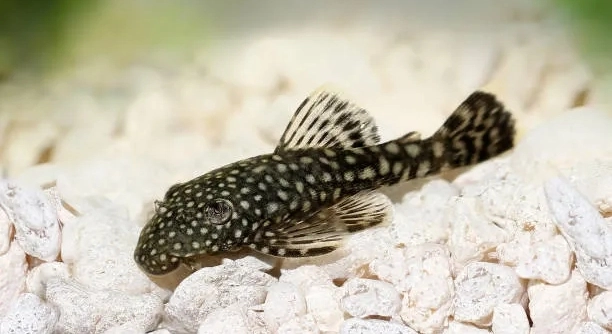
Many aquarists enjoy adding natural elements to their tanks to create a comfortable space for their bristlenose plecos. Driftwood is a popular choice, providing hiding spots and surfaces for grazing, which helps keep plecos healthy and active.
Bristlenose plecos prefer certain types of driftwood that release beneficial tannins, are non-toxic, and provide suitable surfaces for grazing and hiding. Popular choices include Mopani, Malaysian, Cholla, and Bogwood, as they support both the fish’s health and natural behaviors.
Choosing the right driftwood can enhance the tank environment while supporting your plecos’ natural instincts and overall well-being.
Mopani Wood
Mopani wood is a dense, two-toned driftwood that many bristlenose plecos enjoy. Its smooth surface allows plecos to graze comfortably, while the natural crevices provide hiding spots. Mopani slowly releases tannins into the water, which can slightly lower pH and soften water, creating a more natural environment for plecos. This type of wood is durable and long-lasting, making it a practical choice for aquariums. When adding Mopani, it is best to soak it for a few days to prevent discoloration of the water and to remove any loose debris. Its rich brown and dark streaks give the tank a natural, attractive look. Plecos often cling to the wood and scrape algae from its surface, which contributes to their diet. Mopani is heavy, so placing it carefully on the substrate or securing it under rocks is recommended to avoid it floating around the tank unexpectedly.
Mopani wood is a sturdy, visually appealing choice that benefits both plecos and the overall tank environment.
For aquarists looking to support natural behaviors, Mopani encourages grazing, hiding, and exploring. It adds structure and beauty to the tank without introducing harmful chemicals, making it a practical and reliable option.
Malaysian Driftwood
Malaysian driftwood is lightweight and easy to handle, which makes it simple to rearrange in your tank. Its porous texture allows algae to grow, giving plecos surfaces to graze on naturally.
This wood is known for slowly releasing beneficial tannins, which can gently soften water and lower pH. Its irregular shapes create caves and overhangs, offering hiding spots that plecos appreciate. Malaysian driftwood is less dense than Mopani, so it may require soaking or weighing down to prevent floating. Its smooth surfaces and small nooks encourage plecos to explore while grazing and resting. Many aquarists find that Malaysian driftwood blends well with live plants and other natural decorations, creating a balanced, visually appealing environment. Properly prepared, it is safe and long-lasting, helping maintain water quality and providing natural enrichment for your fish. By choosing Malaysian driftwood, you are supporting both the aesthetic and functional needs of your aquarium while promoting healthy behaviors in your plecos.
Cholla Wood
Cholla wood is lightweight and hollow, creating natural tunnels and hiding spaces for plecos. Its porous structure allows algae to grow, which plecos can graze on. It is easy to clean and adds a natural texture to the tank without taking up too much space.
This type of wood is gentle on the tank environment and does not significantly alter water chemistry. Its hollow stems and branches give plecos secure places to hide, which reduces stress. Cholla wood also breaks down slowly, releasing small amounts of tannins that can slightly acidify the water. Many plecos enjoy resting inside the hollow tubes or scraping algae from the surface. The lightweight nature of Cholla makes it versatile; it can float at first, so it may need to be soaked or anchored. Despite being soft, it is durable enough to last several months and can be replaced easily when it starts to decompose.
Using Cholla wood encourages natural behaviors like grazing and hiding, which improves overall fish health. Its hollow structure supports resting and exploring, keeping plecos active while providing safe shelter. Many aquarists appreciate the visual appeal of Cholla, as it adds vertical and horizontal layers to the tank, creating depth. Its unique appearance also complements plants and rocks, enhancing the overall aesthetics. Plecos seem drawn to the textures and shapes, making Cholla wood a practical and attractive addition to any pleco tank.
Bogwood
Bogwood has a dense and sturdy texture that plecos favor for grazing and hiding. Its natural curves and branches provide shelter while enhancing the tank’s appearance with a rich, brown color.
Bogwood slowly releases tannins, creating a slightly acidic environment preferred by plecos. The hard surface allows plecos to scrape algae safely, while the twisted shapes offer hiding spots that reduce stress. It is heavier than other driftwoods, so placement must be careful to avoid shifting. Preparing Bogwood often requires soaking to remove tannins and prevent water discoloration. Its durability ensures that it lasts for years in the aquarium while supporting fish behaviors naturally. Many aquarists find that Bogwood blends well with plants, rocks, and other decorations, creating a balanced, natural look.
Adding Bogwood gives plecos the chance to explore, rest, and graze on surfaces, all while enhancing the visual appeal of the tank. Its sturdy, intricate structure provides multiple hiding areas, which helps reduce aggression between fish and offers secure spaces for shy plecos. Over time, algae growth on Bogwood provides a continuous grazing surface, supporting their diet naturally. The slow release of tannins also contributes to water conditioning, making the tank more hospitable. Bogwood works well in planted aquariums, complementing leaves and rocks. Overall, it is both functional and aesthetically pleasing, benefiting fish health and tank design.
Mopane Root
Mopane root is dense and heavy, making it stable in the tank. Plecos enjoy scraping algae off its hard surface, and the natural grooves provide small hiding spots for resting and grazing safely.
It slowly releases tannins that can slightly lower pH, creating a healthier environment for plecos. Its deep brown tones add a natural look to the aquarium, complementing plants and rocks. Many plecos are drawn to the texture and stability of Mopane root, using it as both a grazing surface and a shelter.
Brazilian Driftwood
Brazilian driftwood is light yet sturdy, providing excellent surfaces for algae growth. Its long, curved shapes create tunnels and resting areas for plecos while enhancing tank aesthetics. It releases small amounts of tannins, gently softening water and supporting natural pleco behavior.
Seagrass Wood
Seagrass wood is soft and porous, making it easy for plecos to graze and explore. It provides a gentle surface for their delicate fins and encourages natural feeding habits.
FAQ
What type of driftwood is best for bristlenose plecos?
The best driftwood types for bristlenose plecos are those that are safe, durable, and provide grazing surfaces. Mopani, Malaysian, Cholla, Bogwood, and Brazilian driftwood are all excellent choices. They release beneficial tannins, offer hiding spots, and have textures plecos enjoy scraping algae from. Choosing a wood that doesn’t leach harmful chemicals or break down too quickly ensures a safe environment for your fish. It’s also important to prepare the wood properly by soaking and cleaning it to remove debris or floating pieces. Plecos use driftwood for both grazing and shelter, so selecting wood that supports these behaviors is key to their overall health.
How should driftwood be prepared before adding it to the tank?
Driftwood should be soaked in water for several days to weeks before introducing it to the aquarium. This helps remove excess tannins, prevents floating, and ensures it’s clean. Boiling smaller pieces can help sterilize the wood, removing bacteria or parasites. Large pieces may need to be weighed down or submerged until fully waterlogged. After soaking, rinse the wood thoroughly to remove loose debris. Some driftwoods release tannins slowly over time, which slightly colors the water but is not harmful. Proper preparation protects your plecos and keeps water conditions stable. Regular monitoring of water chemistry after adding new wood is also recommended.
Will driftwood change the water chemistry in my tank?
Yes, most driftwood types release tannins that can slightly lower pH and soften the water. The effect is generally mild but can benefit bristlenose plecos, which prefer slightly acidic, soft water. The degree of change depends on the type of wood, size, and how long it remains in the tank. Darker wood types like Mopani and Bogwood tend to release more tannins, which can tint the water brown. This coloration is natural and not harmful to fish. Over time, tannin release diminishes. Regular water testing can help you maintain stable conditions and ensure the tank remains suitable for plecos.
How often should driftwood be cleaned?
Driftwood should be cleaned as part of routine tank maintenance. Scraping off algae buildup and rinsing the wood under warm water once every few weeks keeps it in good condition. Avoid using soap or chemicals, as these can harm your plecos. If the wood develops soft spots or starts breaking down, it may need to be replaced. Regular cleaning also prevents debris from accumulating, which helps maintain water quality. In some cases, a gentle brush can be used to clean hard-to-reach areas without disturbing the fish. Keeping driftwood clean supports a healthy grazing surface for your plecos.
Can plecos damage the driftwood?
Bristlenose plecos are not aggressive toward driftwood. They mainly graze on algae growing on the surface or scrape the wood lightly, which is normal and harmless. Softer woods may show small scratches or wear over time, but this does not affect the wood’s safety. Harder woods like Mopani or Bogwood are durable and withstand repeated grazing. Driftwood is meant to support pleco behavior, so minor wear is expected and not a problem. Observing your plecos interacting with the wood helps ensure they are using it as intended for hiding, resting, and grazing.
Is it safe to mix different types of driftwood in one tank?
Yes, mixing driftwood types is safe as long as each piece is properly prepared. Different woods provide varied textures, hiding spots, and grazing surfaces, which can enhance your plecos’ environment. Combining denser woods like Mopani with lighter, hollow types like Cholla adds structural variety. Ensure all pieces are free from harmful chemicals, soaked, and rinsed before adding them. Mixing woods also increases algae growth surfaces, offering more food sources for plecos. Careful arrangement prevents floating or overcrowding, creating a natural and functional layout for your fish.
How long does driftwood last in an aquarium?
The lifespan of driftwood depends on its type, density, and how well it is maintained. Hardwoods like Mopani and Bogwood can last several years, while softer woods like Cholla or Seagrass may decompose faster. Regular cleaning and monitoring water conditions help prolong their use. Replacing driftwood that starts breaking down prevents water quality issues. Even when partially worn, driftwood continues to provide hiding spots and grazing areas. Observing your driftwood over time helps you know when to replace it to maintain a safe and visually appealing tank environment.
Can driftwood help reduce stress in bristlenose plecos?
Yes, driftwood provides hiding spots, shelter, and secure spaces that reduce stress in plecos. Natural crevices, tunnels, and overhangs mimic the fish’s natural habitat, helping them feel safe. Stress reduction improves immune function, feeding behavior, and overall health. Using a mix of different driftwoods enhances hiding opportunities and keeps plecos active. The availability of secure spaces encourages natural grazing and resting behaviors. Driftwood also softens water slightly, creating conditions closer to their natural environment, which further promotes calm behavior and reduces stress levels in the aquarium.
Does driftwood affect algae growth?
Driftwood can support algae growth by providing surfaces for attachment. Plecos benefit from this as it supplements their diet naturally. Algae growth depends on light, nutrients, and water conditions. Some driftwoods, especially porous types like Cholla or Seagrass, encourage more algae growth due to their texture. Harder woods may develop slower growth but still offer scraping surfaces. Regular tank maintenance ensures algae levels remain balanced. Algae on driftwood is generally safe and healthy for plecos, offering a grazing opportunity that contributes to their nutrition and natural behaviors.
Can driftwood be used with live plants?
Yes, driftwood works well with live plants. It can anchor epiphytes like Anubias or Java fern, creating natural aesthetics. Its structure allows plants to grow vertically or horizontally, enhancing tank layout. Driftwood also provides shelter for plecos without harming plants. Choosing compatible wood and plant combinations prevents overcrowding while supporting fish and plant growth simultaneously. Proper placement ensures both driftwood and plants thrive. Over time, plants may attach to the wood, creating a natural, layered environment that benefits plecos and improves tank visual appeal.
Total word count: 518
Final Thoughts
Choosing the right driftwood for your bristlenose plecos can make a significant difference in their health and comfort. Driftwood is more than just a decoration; it provides essential hiding spaces and grazing surfaces that help plecos feel secure in their environment. Pieces like Mopani, Malaysian, Cholla, Bogwood, Brazilian driftwood, and Seagrass offer different benefits, including durability, texture, and the slow release of tannins. These tannins can slightly soften water and lower pH, creating conditions that are closer to a pleco’s natural habitat. Selecting wood that is safe and prepared correctly ensures that it supports plecos without introducing harmful substances. It is important to remember that driftwood also contributes to the overall aesthetics of the tank, blending naturally with plants, rocks, and other decorations. The combination of functionality and visual appeal makes driftwood an ideal choice for both beginners and experienced aquarists who want to create a balanced aquarium environment.
Preparing driftwood before adding it to your tank is crucial for maintaining water quality and fish safety. Soaking the wood for several days or weeks helps remove excess tannins and prevents floating. For smaller pieces, boiling can sterilize the wood, removing bacteria or parasites that might be present. Large or dense pieces may need to be anchored to prevent them from shifting or floating unexpectedly. Once placed in the tank, driftwood requires minimal maintenance, but regular cleaning is necessary to remove algae buildup and debris. This not only keeps the wood in good condition but also ensures that plecos have a clean surface for grazing. Monitoring water conditions after adding new wood helps maintain stability, as tannins can slightly alter pH and water hardness. Proper preparation and care of driftwood contribute to a safe, natural, and long-lasting environment for your plecos, encouraging healthy behaviors such as grazing, hiding, and resting.
Driftwood also plays a role in reducing stress for bristlenose plecos. Natural hiding spaces give them secure areas where they can rest and feel safe, which improves their overall health and behavior. Soft, porous woods like Cholla or Seagrass provide gentle surfaces for delicate fins, while harder woods like Mopani or Bogwood offer durable grazing areas. Using a mix of driftwood types creates varied textures and spaces, giving plecos more options for hiding and exploring. Over time, driftwood can support algae growth, providing an additional food source that contributes to a more natural diet. The combination of structural enrichment, water conditioning, and grazing opportunities makes driftwood a key component of a pleco-friendly tank. By choosing the right types and caring for them properly, you create an environment that supports both the physical and behavioral needs of your fish, enhancing their well-being and the overall harmony of the aquarium.
Word count: 413

Hello,
If you enjoy the content that we create, please consider saying a "Thank You!" by leaving a tip.
Every little bit helps us continue crafting quality advice that supports the health, happiness, and well-being of pets around the world, for pets of all shapes, sizes, and species.
We really appreciate the kindness and support that you show us!