
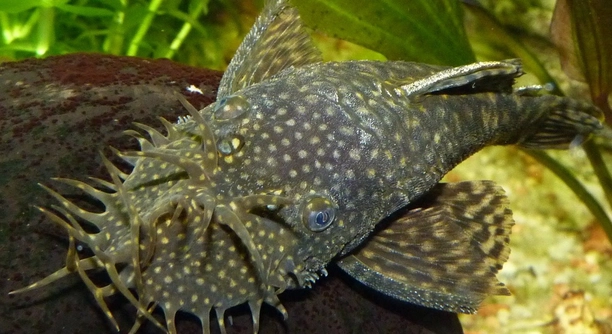
Have you ever wondered how your Bristlenose Pleco behaves in its tank during the day? Observing their movements and hiding spots can reveal a lot about their comfort and natural instincts. Lighting may play an important role.
Bristlenose Plecos generally prefer dim lighting, as it closely mimics their natural environment. Bright lights can cause stress and reduce activity, while subdued lighting encourages normal behavior, feeding, and exploration. Proper lighting supports their overall health and wellbeing.
Understanding the effects of lighting can help you create a more comfortable and natural habitat for your Pleco to thrive. Small changes can lead to noticeable improvements in behavior.
Understanding Bristlenose Plecos and Light
Bristlenose Plecos are nocturnal fish, naturally active at night and seeking shelter during the day. In aquariums, bright overhead lights can make them hide more often, which may reduce feeding and overall activity. Dim lighting creates a calmer atmosphere that resembles their native riverbeds with shaded areas and driftwood cover. This lighting preference is linked to their sensory adaptations. Plecos rely on touch and taste more than sight for finding food, so excessive light doesn’t aid them and can even be stressful. Providing hiding spots like caves, plants, or driftwood paired with low light levels allows Plecos to feel secure and display natural behaviors. Observing your fish in dimmer conditions often shows more movement, feeding at the bottom, and exploring territory. Over time, consistent lighting that respects their preferences contributes to better health, reduces stress, and encourages normal growth patterns in Bristlenose Plecos.
Dim lighting promotes comfort, natural behavior, and better feeding habits for Bristlenose Plecos in home aquariums.
A tank set up with subdued light encourages Plecos to explore and forage more naturally. You may notice them moving around during low light periods and hiding during brighter times. Adjusting light intensity can have immediate positive effects.
Tips for Maintaining Proper Lighting
Choosing appropriate light levels can prevent stress in Plecos.
Start with a low-wattage LED or fluorescent light, ensuring there are shaded areas. Avoid direct, bright lights over the tank. Timers can help maintain consistent light cycles, mimicking natural day and night rhythms. Position decorations like driftwood and plants to create shadowed spots where Plecos can retreat. Observing your fish over several days will show how lighting affects their behavior, such as movement, feeding patterns, and interaction with other tank mates. Some aquarists use floating plants or background coverings to diffuse light further, providing comfort. Monitoring water temperature alongside lighting is important, as heat from certain lights may affect tank conditions. Proper dim lighting not only reduces stress but encourages healthy activity, growth, and natural behaviors. Regularly adjusting and observing can help find the balance that works best for your Pleco’s needs and ensures a harmonious, low-stress aquarium environment.
Adjusting Your Tank for Dim Lighting
Dim lighting helps Plecos feel secure and more active. Using low-intensity LEDs or placing the light farther from the tank reduces brightness. Floating plants or decorations create natural shaded areas, giving your fish places to hide comfortably.
Adjusting the tank involves more than just lowering light intensity. Position driftwood, rocks, and plants strategically to form shadowed areas, allowing Plecos to retreat when needed. Some aquarists partially cover the tank top to diffuse direct light. Timers help maintain consistent light cycles, preventing sudden changes that may stress your fish. Observing your Pleco during these adjustments can guide further tweaks, ensuring it feels safe and behaves naturally.
Keeping the light low also encourages natural feeding habits. Plecos tend to forage at the bottom when lighting is soft, reducing stress and promoting normal activity patterns. Shadows and dim areas help them explore without feeling exposed, making your aquarium closer to their natural habitat.
Monitoring Pleco Behavior
Signs of stress include hiding constantly, reduced feeding, and unusual movement patterns.
Regular observation is key to understanding how lighting affects your Pleco. Notice when it comes out to eat, how often it explores, and if it uses shaded areas effectively. Behavioral changes can indicate adjustments are needed.
Providing consistent, dim lighting supports natural rhythms, reduces stress, and encourages healthy behavior. Tracking feeding times, activity levels, and hiding habits over several days gives insight into what works best. If your Pleco seems inactive, adjusting light placement or creating more shaded spots can help. Consistency combined with careful observation ensures your fish thrives, maintaining both comfort and health.
Choosing the Right Light Source
LED lights are ideal for dimly lit tanks because they produce less heat and allow adjustable brightness. Fluorescent lights can also work if positioned properly, but avoid high-intensity bulbs directly over the tank. Soft, indirect lighting creates a calm environment for Plecos.
Timers are useful to maintain consistent day and night cycles. This prevents sudden changes in brightness that can stress your Pleco. Adjusting the duration of light exposure helps mimic natural conditions, supporting healthy behavior and regular activity patterns.
Observing Pleco Activity
Low light levels encourage Plecos to explore, feed, and interact naturally. Watching them during these periods provides insight into their preferences and comfort. Adjust lighting based on observed behaviors to create a more suitable environment that promotes wellbeing.
Using Decorations to Control Brightness
Plants, driftwood, and rocks naturally diffuse light. They create shaded areas and hiding spots, giving your Pleco a sense of security while reducing overall tank brightness.
FAQ
Do Bristlenose Plecos need complete darkness at night?
No, they do not require complete darkness. Plecos are naturally nocturnal and prefer low-light conditions during the day, but a dimly lit tank at night is fine. Subtle light helps you monitor them without disturbing their natural behavior or causing stress.
Can too much light harm my Pleco?
Yes, excessive light can stress Bristlenose Plecos. Bright lighting may cause constant hiding, reduced feeding, and erratic behavior. Long-term exposure to high-intensity light can affect their health and growth. Providing shaded areas and low-intensity lighting reduces stress and encourages normal activity.
Is natural sunlight safe for my Pleco tank?
Direct sunlight is not ideal because it can overheat the tank and encourage algae growth. Indirect sunlight is acceptable if it doesn’t cause temperature spikes. Combining natural light with controlled artificial lighting can maintain comfort while supporting plant growth.
How long should I keep the lights on each day?
A light cycle of 8 to 10 hours per day is sufficient. This mimics natural day and night rhythms, helping Plecos maintain normal activity and feeding patterns. Using timers ensures consistent cycles and prevents sudden changes in light exposure.
Do Plecos prefer colored lights or white lights?
Plecos are less sensitive to light color, but softer white or warm-colored lights are less stressful than bright, cool-toned lights. Colored lighting is mainly for aesthetics and does not significantly affect Pleco behavior. Soft lighting helps maintain calm tank conditions.
Can I use floating plants to reduce light intensity?
Yes, floating plants naturally diffuse light and create shaded areas. They provide hiding spots for Plecos and reduce stress. Plants also improve water quality and create a more natural habitat. Combining plants with driftwood and rocks is effective in controlling tank brightness.
Will dim lighting affect Pleco feeding?
Dim lighting actually encourages feeding. Plecos feel safer foraging in low light and are more likely to explore the bottom of the tank. Bright lighting can make them hide and reduce appetite, so maintaining soft, subdued light promotes natural feeding behavior.
How can I tell if the lighting is too dim?
If your Pleco becomes inactive, refuses to eat, or seems disoriented, lighting may be too low. Observing their behavior helps gauge comfort. Adjusting light placement or adding subtle illumination ensures a balance that allows both security and normal activity.
Should I adjust lighting when introducing new Plecos?
Yes, reducing light initially helps new Plecos acclimate. Low-intensity lighting gives them time to explore and hide safely. Gradually adjusting brightness as they settle reduces stress and encourages them to adapt to the tank environment more comfortably.
Does lighting affect Pleco growth?
Indirectly, yes. Stress from overly bright lighting can reduce feeding and activity, which may affect growth. Proper dim lighting encourages normal behavior and healthy eating, supporting natural growth patterns over time. Consistent light cycles are important for maintaining overall health.
Can I rely solely on artificial lights for dim conditions?
Yes, artificial lighting allows better control over intensity and duration. Low-wattage LEDs or diffused fluorescent lights create ideal conditions for Plecos. Timers and strategic placement of decorations ensure light levels mimic natural conditions and maintain a stress-free environment.
Are there signs that Plecos are happy with the lighting?
Active exploration, regular feeding, and using hiding spots comfortably indicate they are comfortable. Calm movement, minimal stress behaviors, and a consistent routine show that lighting matches their preferences and promotes wellbeing. Observing behavior regularly confirms the effectiveness of your setup.
How often should I adjust lighting in my Pleco tank?
Adjustments are rarely needed once the tank is set up properly. Minor tweaks may be required if new decorations or plants are added. Observing Pleco behavior is the best guide, ensuring their habitat remains comfortable and stress-free.
Does tank size influence lighting needs?
Yes, larger tanks may require more diffused lighting to prevent overly bright areas. Smaller tanks are easier to control, but shading with plants or driftwood remains important. Proper light distribution ensures consistent low-light conditions throughout the tank.
Can dim lighting reduce algae growth?
Yes, lower light intensity slows algae growth. Combining dim lighting with good filtration and live plants helps maintain a clean tank. Reducing unnecessary light exposure creates a healthier environment for Plecos while keeping algae under control.
Is it necessary to monitor water temperature with lighting?
Yes, some lights produce heat that can raise tank temperature. Monitoring ensures dim lighting does not unintentionally increase water warmth. Keeping temperature stable supports Pleco health and prevents stress from sudden fluctuations caused by lighting.
Can I change light intensity seasonally?
Gradual seasonal adjustments can mimic natural conditions but should be subtle. Drastic changes may stress Plecos. Maintaining consistent low-light conditions is generally more important than replicating seasonal light variations, ensuring comfort and stable behavior year-round.
Does dim lighting affect Pleco breeding?
Dim, shaded areas create safe spaces, which may encourage breeding behavior. Plecos feel secure in these conditions and are more likely to engage in natural reproductive activities. Providing caves and shaded spots complements soft lighting for a supportive breeding environment.
Are LED strips better than overhead lights for dim conditions?
LED strips allow more control over intensity and placement, creating gentle illumination along tank edges. Overhead lights can be too bright if unadjusted. Combining LEDs with natural shading from plants and decorations ensures a comfortable, low-stress habitat.
How can I test the ideal light level for my Pleco?
Observe their activity, feeding, and hiding behavior under varying light intensities. Comfortable Plecos will explore, feed, and use shaded areas freely. Adjust brightness gradually, ensuring the tank is neither too dark nor too bright, balancing visibility and security for your fish.
This FAQ covers common concerns and practical tips for maintaining dim lighting that supports Bristlenose Pleco health, behavior, and overall comfort in aquariums.
Final Thoughts
Bristlenose Plecos are fascinating fish that thrive in environments that closely resemble their natural habitat. One of the most important aspects of keeping them healthy is providing appropriate lighting. Dim lighting is not just a preference but a key factor in their comfort and wellbeing. When light is too bright, Plecos tend to hide constantly, which reduces their activity and feeding. This can lead to stress, which over time affects their health. By adjusting the light to a softer level, and creating shaded areas with plants, driftwood, or rocks, you can provide an environment where your Pleco feels secure. Low-intensity lighting also encourages natural behaviors, such as exploring the tank, foraging for food at the bottom, and interacting with the environment without fear. Observing your fish during these conditions can show you how much more active and comfortable they are compared to a brightly lit tank.
Maintaining a consistent light cycle is another important factor in Pleco care. Using timers helps create a routine of day and night, mimicking natural conditions. Consistent cycles reduce stress and support healthy activity patterns, which are important for feeding, growth, and general behavior. Dim lighting combined with a proper light schedule allows the fish to follow their natural rhythms, promoting longer periods of activity during low-light conditions and providing rest during brighter times. In addition, decorations like caves, driftwood, and floating plants not only reduce light intensity but also offer shelter and hiding spots. These shaded areas make the fish feel secure and encourage them to explore and feed at their own pace. Creating this kind of environment does not require expensive equipment or complex setups; even simple adjustments can have a meaningful impact on your Pleco’s daily life.
Finally, the overall health of your Pleco is closely tied to its environment, and lighting plays a major role in this. Dim lighting helps prevent stress, encourages natural feeding habits, and supports normal growth. It also complements other aspects of tank care, such as water quality and temperature, by creating a stable, comfortable environment. Observing your Pleco regularly under these conditions allows you to respond to any changes in behavior, ensuring that the tank remains suitable for its needs. Small changes, like adjusting light intensity, adding plants, or repositioning driftwood, can make a noticeable difference in your Pleco’s comfort and activity. Paying attention to these details demonstrates care and helps your fish thrive over the long term. By maintaining a calm, low-light environment, you give your Bristlenose Pleco the best chance to live a healthy, stress-free, and active life.

Hello,
If you enjoy the content that we create, please consider saying a "Thank You!" by leaving a tip.
Every little bit helps us continue crafting quality advice that supports the health, happiness, and well-being of pets around the world, for pets of all shapes, sizes, and species.
We really appreciate the kindness and support that you show us!