
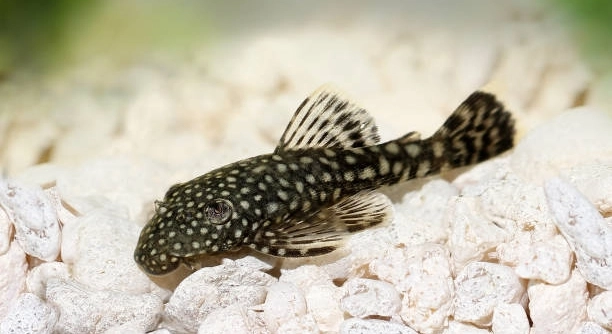
Algae often makes up the majority of a tank’s natural diet, but it does not always provide all the nutrients your aquatic pets need. Many species require additional food to stay healthy, vibrant, and active throughout the year.
There are several situations where feeding more than algae is essential. Supplemental feeding supports growth, reproduction, and overall well-being. It provides necessary proteins, vitamins, and minerals absent in algae alone, ensuring aquatic pets maintain optimal health and avoid nutritional deficiencies.
Recognizing these moments helps you support your pets’ health more effectively. Proper feeding habits can prevent long-term issues and maintain a thriving aquatic environment.
When Young or Growing
Young aquatic pets need more than algae to support rapid growth and development. Algae alone often lacks sufficient proteins and essential nutrients required during early stages. Feeding a variety of foods, including high-quality pellets or live foods, helps strengthen immune systems and promotes healthy skeletal and muscular development. Growth rates improve significantly when diets are supplemented appropriately. Over time, the addition of small portions of protein-rich foods ensures that juveniles develop properly without nutritional gaps. Observing changes in size, activity, and coloration can guide how much additional food to provide. While algae may remain a staple, it cannot meet all dietary needs for young or growing species. By introducing balanced supplemental feeding, you can prevent stunted growth and common health issues caused by nutrient deficiencies. Maintaining a consistent feeding schedule supports stable growth and encourages natural behaviors in tank environments. Adjustments can be made gradually as your pets mature.
Supplemental feeding for young pets strengthens immunity and supports proper development beyond what algae alone can provide.
Consistency is key. Offering a variety of foods, such as small pellets, frozen or live brine shrimp, and other protein-rich options, ensures juveniles get the nutrients they need. Watching for growth patterns and activity levels allows fine-tuning of amounts. Overfeeding should be avoided, but controlled portions maximize health benefits while minimizing waste and water quality issues in the tank. Feeding small amounts multiple times a day mirrors natural feeding habits and promotes steady growth. Additionally, introducing varied foods early develops tolerance to different diets as they mature, reducing stress later. Observing coloration, energy, and overall vitality offers clues about nutritional sufficiency. Balancing algae with supplementary foods supports overall resilience, helping young aquatic pets adapt to environmental changes. Over time, a carefully monitored feeding routine ensures robust, thriving animals capable of reaching full potential while maintaining a healthy, stable aquarium environment.
During Reproduction
During breeding periods, nutritional needs increase significantly. Algae alone rarely provides enough energy, proteins, or vitamins for egg production and reproductive health. Feeding higher-protein foods supports gamete development, boosts fertility, and enhances overall breeding success.
Increased feeding during reproduction improves egg quality and hatching success rates.
Providing the right diet helps parents maintain energy levels and ensures offspring receive necessary nutrients. High-quality protein sources like brine shrimp, daphnia, or specialized pellets promote reproductive health. Consistent supplemental feeding can reduce stress and prevent females from becoming weak or malnourished. Monitoring the condition of breeding adults helps adjust food amounts accurately. Timing meals to match peak activity can further improve reproductive outcomes. Overfeeding must be avoided, as poor water quality can harm both adults and developing eggs. Proper nutrition supports behaviors like nest building, courtship, and parental care. Reproductive readiness improves with consistent, high-quality supplemental feeding, creating a healthier environment for both adults and offspring. Long-term, attention to diet during this stage contributes to stronger, more resilient populations and a more balanced tank ecosystem.
During Illness or Recovery
Supplemental feeding becomes crucial when aquatic pets are sick or recovering. Algae alone may not provide enough nutrients to rebuild strength or support the immune system effectively. Additional high-quality foods can speed recovery and improve vitality.
During illness, providing easily digestible, nutrient-rich foods helps animals regain strength faster. Options like finely crushed pellets, soft frozen foods, or specialized medicated diets can ensure sufficient protein, vitamins, and minerals. Feeding smaller, more frequent portions reduces stress on the digestive system while delivering essential nutrients consistently. Recovery periods require careful observation of appetite, energy levels, and overall condition. Adjusting food types and amounts based on these observations can prevent malnutrition and support healing. Maintaining water quality remains critical, as compromised animals are more sensitive to environmental stressors. Supplemental feeding during this time also encourages natural behaviors like active swimming and exploration, which are important for rehabilitation.
Supporting recovery involves balancing nutrition with tank conditions. Feeding a variety of foods while monitoring the health of the pets ensures steady improvement. Small, frequent meals prevent overloading the system. Consistency helps rebuild energy, maintain proper hydration, and restore normal activity levels. Observing responses to different foods allows fine-tuning of the diet, improving intake and reducing waste. Nutritional support paired with clean, stable water conditions promotes a faster return to health and overall vitality. Patience and attention to detail are essential, as even small adjustments can make a meaningful difference in recovery outcomes.
During Seasonal Changes
Seasonal shifts can affect algae availability and nutritional content, making supplemental feeding necessary. Changing light levels or water temperature can reduce natural food sources, requiring additional nutrition to maintain health and activity.
Adjusting diet during seasonal changes supports energy levels and prevents deficiencies. Supplemental foods provide proteins, vitamins, and essential nutrients that algae may lack during certain months. Pets may require more food or different types of food depending on temperature fluctuations and daylight variations. Providing a balanced mix of algae and enriched pellets or frozen foods ensures that seasonal stress does not compromise immune function. Close monitoring of behavior, growth, and coloration can indicate if dietary adjustments are sufficient. Gradually introducing additional foods helps prevent sudden dietary stress while maintaining digestive comfort. Seasonal feeding routines can mimic natural availability, promoting consistent energy levels and overall well-being. Maintaining stability in feeding habits and water conditions reduces the risk of seasonal health issues.
Careful monitoring of seasonal changes helps determine the amount and type of supplemental food required. Gradual adjustments prevent stress and ensure pets continue to receive proper nutrition despite fluctuations in natural algae. Feeding strategies can be modified based on temperature, light, and activity levels. High-quality protein sources and enriched foods maintain immune function, support growth, and sustain energy. Seasonal adaptations also help maintain reproductive readiness, coloration, and vitality, reducing stress-related illnesses. Observing pets’ behavior and appetite provides real-time feedback, guiding proper portion sizes and food types. Overall, structured supplemental feeding during seasonal changes maintains health, stability, and natural behaviors in aquatic pets.
When Activity Levels Increase
Higher activity levels demand more energy than algae alone can provide. Active pets need supplemental feeding to maintain stamina and overall health.
Providing protein-rich foods during periods of increased activity ensures pets have enough energy. This helps sustain swimming, exploration, and other natural behaviors without fatigue or nutritional deficiencies.
After Molting or Shedding
Molting or shedding requires additional nutrients for tissue repair and shell or scale regeneration. Protein and calcium-rich foods help rebuild strength and maintain proper growth. Regular algae is insufficient to meet these increased nutritional demands. Carefully timed supplementation supports recovery and reduces vulnerability to stress or infection.
In Mixed-Species Tanks
Mixed-species tanks often lead to competition for algae, leaving some pets underfed. Supplemental feeding ensures all individuals receive necessary nutrients without relying solely on natural algae growth.
FAQ
Why can’t my aquatic pets rely on algae alone?
Algae is a natural part of many aquatic diets, but it often lacks sufficient protein, vitamins, and minerals required for overall health. Relying only on algae can result in slow growth, weak immune systems, and nutritional deficiencies, especially in young, active, or breeding pets. Supplementing with a variety of foods ensures they receive balanced nutrition.
How often should I provide supplemental food?
Frequency depends on species, age, and activity level. Young or growing pets often need multiple small feedings per day, while adults may require fewer meals. During high activity, breeding, or recovery periods, more frequent supplementation supports energy needs and health. Observing appetite and behavior helps determine the ideal feeding schedule.
What types of supplemental food are best?
High-quality pellets, frozen or live foods such as brine shrimp, daphnia, and bloodworms are excellent choices. Protein-rich foods support growth and repair, while enriched pellets and vegetables provide essential vitamins and minerals. Rotating food types prevents dietary monotony and encourages overall well-being.
Can overfeeding supplemental food cause problems?
Yes. Overfeeding can lead to poor water quality, obesity, and digestive issues. Introduce small amounts gradually, observe consumption, and remove uneaten food promptly. A consistent, controlled feeding routine ensures pets receive necessary nutrients without compromising the tank environment.
How do I know if my pets need extra food?
Signs include slow growth, faded coloration, low energy, and poor health during breeding or molting. Behavioral changes, such as increased aggression over food, may also indicate nutritional gaps. Providing supplemental food at these times helps restore vitality and supports long-term health.
Does supplemental feeding affect water quality?
It can if uneaten food accumulates. Regular water changes, careful portion control, and observation help prevent water pollution. Choosing easily digestible foods and offering smaller portions multiple times a day reduces waste and maintains a healthy aquatic environment.
Is algae still necessary if I feed supplements?
Yes. Algae provides fiber, natural foraging opportunities, and contributes to gut health. Supplemental feeding does not replace algae entirely; it balances the diet, ensuring pets get everything they need for growth, energy, and immunity. A combination of both is ideal.
How do I adjust supplemental feeding during seasonal changes?
Seasonal variations affect algae growth and natural food availability. During low-light or cooler months, increasing supplemental feeding ensures pets continue to receive adequate nutrients. Monitoring activity, appetite, and condition helps fine-tune amounts and prevent overfeeding. Gradual changes prevent digestive stress.
Can supplemental feeding improve breeding success?
Yes. Protein-rich and nutrient-dense foods support gamete production, egg quality, and overall reproductive health. Feeding appropriate supplements before and during breeding periods improves energy, vitality, and hatching success while reducing stress on adults. Careful observation ensures balanced intake without overfeeding.
Are there any risks to long-term supplemental feeding?
Long-term supplementation is safe if balanced and portioned correctly. Problems arise only when food is excessive, unbalanced, or inconsistent. Monitoring diet variety, water quality, and behavior helps maintain health while minimizing risks associated with prolonged supplemental feeding.
How can I make sure all pets in a mixed-species tank get enough food?
Feed in multiple locations or offer species-specific portions to reduce competition. Observe feeding behavior and adjust food types or amounts as needed. Supplemental feeding ensures less dominant pets receive enough nutrients without relying solely on algae.
What should I do if my pets refuse supplemental food?
Introduce new foods gradually and mix them with familiar foods. Try different textures or live foods to stimulate interest. Observing their response and making small adjustments encourages acceptance while maintaining a balanced diet.
How do I know when to reduce supplemental feeding?
Reduce feeding once growth stabilizes, energy levels normalize, or when pets return to normal health after illness or seasonal stress. Maintaining algae as a primary food source while moderating supplements helps prevent overfeeding and maintains water quality.
This FAQ covers the main concerns about supplemental feeding, ensuring pets receive balanced nutrition while maintaining a healthy environment. Proper observation, variety, and portion control are essential for long-term health and well-being.
Final Thoughts
Supplemental feeding is an important part of maintaining healthy aquatic pets. While algae provides some nutrients, it is rarely enough to meet all dietary needs, especially for growing, active, or breeding animals. Adding high-quality pellets, frozen or live foods, and occasional vegetables ensures that your pets get the protein, vitamins, and minerals they need to thrive. Paying attention to their condition, behavior, and growth patterns helps you determine when and how much supplemental food to provide. A balanced diet contributes to stronger immune systems, better coloration, and more consistent activity, making your tank a healthier environment overall. Consistency and observation are key, as sudden changes or overfeeding can cause stress or water quality problems. By carefully monitoring both the quantity and type of supplemental food, you can create a diet that meets their nutritional requirements without overwhelming the tank ecosystem.
Understanding when to provide supplemental feeding can prevent long-term health issues. For example, juveniles and growing pets need more protein to develop properly, while adults in breeding periods require extra energy and nutrients to support reproductive health. Even seasonal changes can impact natural food availability, making additional feeding necessary to maintain vitality. Pets recovering from illness or molting also benefit from easily digestible, nutrient-rich foods to rebuild strength. In mixed-species tanks, supplementation ensures that every animal receives enough nutrients, especially when some individuals are less dominant or slower at feeding. Paying attention to these situations and adjusting diets accordingly can make a noticeable difference in health, growth, and behavior, and it reduces the risk of deficiencies and stress-related illnesses. With careful management, supplemental feeding becomes a valuable tool for maintaining balance in your tank and promoting long-term well-being.
The key to successful supplemental feeding is moderation and variety. Overfeeding can lead to poor water quality, digestive issues, and obesity, while too little supplementation leaves nutritional gaps. Offering small, controlled portions multiple times a day mirrors natural feeding behaviors and supports steady growth and energy levels. Rotating food types, such as combining pellets with live or frozen options, prevents monotony and provides a wider range of nutrients. Observing your pets closely allows you to fine-tune portions and choose foods they accept readily, improving both intake and tank conditions. Supplemental feeding should complement algae, not replace it entirely, creating a balanced and sustainable diet. By integrating these practices into your regular care routine, you can ensure your aquatic pets remain healthy, active, and vibrant throughout all stages of life, making your tank a stable and thriving environment.

Hello,
If you enjoy the content that we create, please consider saying a "Thank You!" by leaving a tip.
Every little bit helps us continue crafting quality advice that supports the health, happiness, and well-being of pets around the world, for pets of all shapes, sizes, and species.
We really appreciate the kindness and support that you show us!