
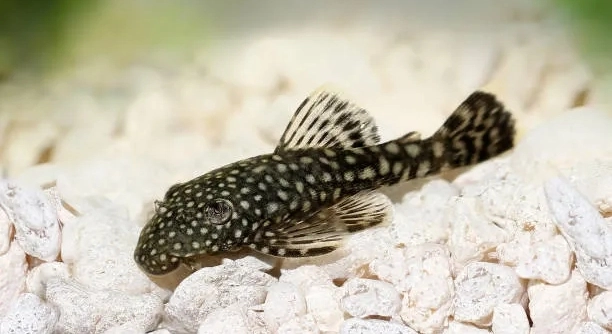
Are your plecos showing signs of stress during tank cleanings? Many aquarium owners notice their fish become skittish or hide when their habitat is disturbed. Learning how to keep them calm improves their health and your cleaning routine.
Maintaining calm plecos during cleaning requires minimizing sudden movements, controlling water changes, and providing hiding spaces. Gentle handling, consistent routines, and monitoring environmental parameters reduce stress, ensuring the fish remain comfortable and resilient throughout maintenance procedures.
Implementing these techniques will make tank cleaning smoother while supporting your plecos’ wellbeing and stability in their environment. Simple adjustments can make a significant difference in their comfort.
Create Safe Hiding Spots
Plecos feel most secure when they have places to retreat during cleaning. Adding caves, driftwood, or PVC tubes gives them areas to hide. Plants or decorations can also serve as barriers, reducing exposure to sudden movements. By arranging the tank so these spots are easily accessible, plecos are less likely to dart around or become stressed. Observing your fish can help identify preferred hiding areas, allowing you to adjust the layout accordingly. Over time, they will learn to associate these spaces with safety during maintenance, which makes the cleaning process smoother. Avoid removing all decorations at once, as this can trigger anxiety. Even partial rearrangements should be done gradually, maintaining familiar landmarks. Consistent placement of hiding spots builds confidence. Using soft lighting while cleaning further supports calm behavior, since bright lights can increase their stress. Remember, a calm environment helps maintain overall health and encourages natural behavior, even during tank disturbances.
Providing shelter keeps plecos more comfortable and minimizes sudden, stressful reactions during cleaning.
Hiding spots should be stable, easy to access, and varied in shape. Multiple options allow each pleco to find a space that suits its personality and size. Regularly checking that these areas are clean prevents debris buildup, which can affect water quality. Combining natural materials with secure structures ensures both safety and a sense of familiarity, supporting their wellbeing over time.
Handle Water Changes Gently
Gradual water adjustments are key for pleco comfort.
Sudden shifts in water temperature or quality can stress plecos during cleaning. Always remove water slowly and replace it at a similar temperature. Using a siphon reduces turbulence, and pouring replacement water along the sides of the tank prevents startling movements. Monitoring pH, hardness, and temperature ensures the new water matches existing conditions closely, which is critical for avoiding shock. Splitting larger water changes into smaller sessions also helps plecos acclimate. Avoid using harsh chemicals or cleaners during maintenance, as these can leave residues that upset sensitive fish. Observing their reactions during water replacement allows adjustments in technique for calmer behavior. Over time, consistent, careful handling will make plecos more accustomed to maintenance routines and reduce overall stress.
Gently managing water changes maintains stable conditions, which supports the fish’s health and lowers the risk of stress-related problems. By keeping changes slow and consistent, plecos can remain calm and continue normal behavior, making routine cleaning a smoother experience for both the fish and caretaker. Proper technique ensures their environment stays healthy while reducing the likelihood of sudden reactions or hiding, creating a more manageable and stress-free tank maintenance routine.
Reduce Sudden Movements
Quick or jerky motions can startle plecos during cleaning. Moving slowly and deliberately around the tank helps them stay calm. Avoid leaning over the tank abruptly, and handle equipment with steady hands to minimize stress.
Plecos are highly sensitive to movement and vibrations. When cleaning, taking measured steps around the aquarium prevents unnecessary panic. Using tools carefully and placing them gently inside the tank reduces splashing and sudden disturbances. Even small changes in motion can trigger hiding or frantic swimming. By observing how your plecos react, you can adjust your cleaning pace to suit their comfort level. Over time, they will associate your movements with calmness rather than danger, which helps maintain a peaceful environment. Slow, steady handling supports both their wellbeing and the efficiency of cleaning.
Consistency in movement also reassures plecos. Performing tasks in the same order each cleaning session creates predictability. Avoiding sudden hand movements or quick dips in the water keeps plecos from darting into decorations or hitting the glass. Over time, they learn that tank maintenance does not pose a threat, resulting in calmer, more relaxed behavior. Maintaining a composed approach benefits both the fish’s health and your ability to manage the tank effectively.
Monitor Water Parameters
Regularly checking temperature, pH, and hardness ensures a stable environment. Even small deviations can stress plecos and impact their response during cleaning.
Plecos are sensitive to changes in water chemistry. Frequent monitoring allows you to detect fluctuations early, preventing discomfort or health issues. Using reliable test kits and maintaining logs of parameters provides a clear picture of the tank’s condition. Sudden shifts in temperature or pH can cause hiding, reduced appetite, or erratic swimming. Gradual adjustments when necessary prevent shock and keep the fish calm. Stability in water conditions complements other stress-reduction measures, ensuring plecos remain comfortable during routine maintenance and supporting their long-term health and behavior.
Consistent water parameters are essential for a calm aquarium. Maintaining temperature within a safe range, keeping pH stable, and tracking hardness ensures plecos experience minimal stress. Sudden changes can trigger defensive or frantic behavior, making cleaning more difficult. Monitoring these factors regularly allows early intervention, preventing water-related issues that could harm the fish. Combined with gentle movements and safe hiding spaces, stable water conditions create a secure environment. Over time, this consistency helps plecos adjust to cleaning routines, reducing fear and promoting natural, relaxed behavior.
Limit Noise and Vibrations
Loud noises or vibrations can unsettle plecos during cleaning. Keep doors closed, avoid tapping on the tank, and minimize nearby activity to help them feel secure.
Placing the tank on a stable surface reduces vibrations. Gentle handling of equipment, such as siphons or nets, prevents sudden disturbances that can startle plecos.
Use Dim Lighting
Bright lights may stress plecos while cleaning. Using a dim light or turning off overhead lighting keeps the environment calmer. Plecos naturally prefer low-light conditions, and softer lighting reduces frantic movements.
Handle Plecos Minimally
Minimizing direct contact with plecos is important. Only touch them when necessary, using gentle movements. Overhandling increases stress and can lead to injury or disease, so keep interactions brief and careful.
FAQ
How often should I clean my pleco’s tank?
Regular cleaning is essential, but overdoing it can stress plecos. Partial water changes every one to two weeks are ideal, while full tank cleanings can be done less frequently. Maintaining a consistent schedule helps plecos remain calm and comfortable.
Can I use tap water for water changes?
Tap water is acceptable if properly treated. Chlorine or chloramine must be removed using a water conditioner. Temperature should match the tank to avoid shock. Properly prepared tap water keeps plecos safe and prevents sudden stress during cleaning.
Is it safe to move decorations during cleaning?
Yes, but move them carefully and gradually. Avoid abrupt removal of hiding spots, as this can trigger panic. Plecos rely on familiar structures for comfort, so maintain some consistency while cleaning to minimize stress.
What is the best way to handle plecos during maintenance?
Handle plecos as little as possible. Use nets or gentle guidance only when necessary. Overhandling can cause injury and stress. Observing their behavior during cleaning helps determine if minimal intervention is needed.
How do I prevent stress from bright lights?
Dim lighting or turning off overhead lights during cleaning keeps plecos calm. They are naturally nocturnal and sensitive to brightness. Soft lighting reduces frantic movements and supports a sense of security while maintenance is underway.
Should I feed plecos before or after cleaning?
Feeding after cleaning is recommended. Plecos are sensitive to changes in water and environment, and feeding immediately after helps them remain calm while avoiding overexposure to disturbances during maintenance.
How can I make water changes less stressful?
Perform water changes gradually. Remove water slowly and replace it carefully along the tank sides. Using similar temperature and water chemistry prevents shock. Dividing larger changes into smaller increments allows plecos to adjust comfortably.
Do plecos need hiding spots even after the tank is clean?
Yes, hiding spots are essential at all times. Plecos use caves, driftwood, or tubes to feel safe. Maintaining these areas consistently ensures long-term comfort and reduces anxiety during future cleanings.
Can sudden movements outside the tank affect plecos?
Yes, they are sensitive to vibrations and rapid motion near the tank. Standing still and moving slowly around the aquarium prevents startling plecos. Limiting sudden noises and activity in the surrounding area supports calmer behavior during cleaning.
How do I know if my pleco is stressed?
Signs include frantic swimming, hiding excessively, reduced appetite, or clamped fins. Observing these behaviors before, during, and after cleaning helps identify stress triggers and adjust maintenance practices accordingly.
Is over-cleaning harmful to plecos?
Yes, excessive cleaning can strip beneficial bacteria and disturb established habitats. Maintaining a balanced approach with partial water changes and careful cleaning supports pleco health without causing unnecessary stress.
Can multiple plecos share the same hiding spots?
Sharing is possible, but overcrowding can increase tension. Providing multiple options ensures each pleco has a comfortable retreat, reducing conflict and maintaining calm behavior during tank maintenance.
How do I introduce new decorations without stressing plecos?
Add new decorations slowly and observe reactions. Introducing one item at a time prevents overwhelming plecos and allows them to adjust while keeping existing hiding spots available. Gradual integration supports a secure environment.
Are temperature fluctuations during cleaning dangerous?
Yes, sudden changes can shock plecos. Always match replacement water to the tank’s temperature. Gradual adjustments and careful monitoring prevent stress-related health issues during maintenance.
Can I clean the substrate without upsetting plecos?
Yes, using a siphon gently along the substrate edges avoids creating sudden currents or disturbing hiding plecos. Moving slowly and observing reactions ensures cleaning is effective without causing panic.
Is it okay for plecos to see me clean the tank?
Yes, plecos can become accustomed to your presence. Slow, consistent movements allow them to associate cleaning with a calm environment. Avoid abrupt actions to maintain trust and reduce stress.
How long does it take for plecos to calm down after cleaning?
It varies, but many plecos relax within a few hours if their environment remains stable. Consistent routines, gentle handling, and adequate hiding spots shorten recovery time and encourage normal behavior.
Can stress during cleaning affect pleco health long-term?
Chronic stress can weaken the immune system and reduce appetite. Minimizing stress through careful handling, stable water parameters, and safe hiding spots protects long-term health and supports a thriving aquarium.
Should I use a net for every pleco during cleaning?
Not always. Only use a net when absolutely necessary, as excessive handling increases stress. Observe behavior and intervene minimally to maintain calm while ensuring maintenance is complete.
What steps help plecos feel secure during maintenance?
Provide hiding spots, handle minimally, maintain stable water conditions, reduce noise, and move slowly. Combining these strategies ensures plecos stay calm, healthy, and less reactive during regular cleaning.
How important is consistency in cleaning routines?
Consistency is crucial. Performing maintenance in the same order and using familiar techniques helps plecos predict the process. Predictability reduces anxiety, making future cleanings easier and supporting overall wellbeing.
Can I clean the filter while plecos are in the tank?
Yes, but avoid sudden movements or splashing. Gently rinse filter media and replace only what’s necessary. Careful handling preserves water conditions and prevents stress to the fish.
Is it better to clean at night or during the day?
Timing matters less than calm conditions. Many plecos are nocturnal, so cleaning during low-light periods with minimal noise can help maintain tranquility. Soft, consistent lighting and movement are more important than exact timing.
How do I handle aggressive plecos during cleaning?
Separate individuals if needed using temporary barriers. Avoid provoking them, and provide multiple hiding spots to reduce competition. Observing interactions helps maintain a peaceful environment during maintenance.
What tools make cleaning less stressful for plecos?
Use gentle siphons, soft brushes, and nets carefully. Avoid splashing or sudden disruptions. Tools that allow precise cleaning while minimizing tank disturbances support calm behavior and reduce stress.
Can plecos detect chemical residues during cleaning?
Yes, residues from soaps or cleaners are harmful. Avoid chemicals entirely in the tank and stick to aquarium-safe products. Proper rinsing of decorations and tools prevents exposure and keeps plecos comfortable.
Are plecos calmer with routine feeding schedules?
Yes, predictable feeding supports a sense of stability. Feeding at consistent times helps plecos feel secure and reduces stress during cleaning. It also encourages normal behavior and appetite after maintenance.
How do I clean plants without upsetting plecos?
Remove debris carefully without uprooting them abruptly. Gently rinse or trim plants while leaving sufficient cover. Slow, precise handling maintains hiding spots and reduces stress during maintenance.
Can music or ambient noise affect plecos?
Loud or sudden sounds can startle them. Keeping the surrounding environment quiet during cleaning helps maintain calm behavior and reduces the risk of panic or injury.
What is the best order for cleaning tasks?
Start with gentle water changes, then clean the substrate and decorations, and finally check filters. Performing tasks in a consistent, measured order minimizes stress and keeps plecos comfortable.
How do I acclimate plecos to new cleaning routines?
Introduce changes gradually. Start with small adjustments, observe reactions, and maintain familiar elements. Over time, plecos learn to tolerate routine maintenance without stress, making the process smoother for both fish and caretaker.
Are larger plecos more sensitive to stress during cleaning?
Size can affect reactions. Larger plecos may become more noticeable targets for stress due to limited hiding options. Ensuring ample space and stable conditions accommodates their size and reduces anxiety during maintenance.
How long should a single cleaning session take?
Keep sessions moderate. Prolonged activity can increase stress. Efficient, calm cleaning that balances thoroughness and minimal disturbance ensures plecos remain calm and healthy throughout maintenance.
Is it helpful to observe plecos after cleaning?
Yes, monitoring behavior post-cleaning identifies stress indicators. Checking for hiding, erratic swimming, or appetite changes allows timely adjustments in routine, ensuring long-term wellbeing and a calm environment.
Can water conditioners reduce stress during cleaning?
Yes, conditioners remove harmful chemicals and stabilize water. Using them during water changes ensures plecos remain comfortable and prevents chemical-induced stress while maintaining healthy conditions.
Should I adjust water flow during cleaning?
Yes, reducing strong currents keeps plecos calm. High flow can startle them, so gentle water movement during maintenance supports relaxed behavior and prevents unnecessary panic or fatigue.
How do I maintain calm during filter maintenance?
Rinse media gently outside the tank, avoid splashing, and keep tools steady. Maintaining water conditions and moving slowly preserves comfort and reduces stress for plecos during this essential task.
What is the safest way to remove uneaten food during cleaning?
Use a siphon or net to carefully remove debris without disturbing plecos. Minimizing sudden movements ensures their environment stays calm and prevents accidental ingestion of harmful particles.
Do plecos prefer familiar cleaning routines?
Yes, repetition and consistency reduce anxiety. Following the same steps each session creates predictability, which helps plecos remain relaxed and responsive during tank maintenance.
How important is patience during cleaning?
Patience is critical. Rushing increases stress and risk of injury. Slow, deliberate actions and attention to pleco reactions support a calm, safe, and healthy maintenance process.
Can stress from cleaning affect breeding behavior?
Yes, stressed plecos may reduce activity and reproductive behaviors. Minimizing disturbances and maintaining secure conditions supports natural behavior, including breeding, while ensuring health and comfort.
Is it necessary to remove plecos for every cleaning?
Not always. Only remove them if absolutely needed, as leaving them in the tank with calm handling reduces stress and maintains familiar surroundings during maintenance.
How do I balance cleanliness with pleco comfort?
Focus on partial water changes, gentle cleaning, and preserving hiding spots. Maintaining stable conditions and calm handling allows a clean tank without compromising pleco wellbeing.
Can frequent observation reduce stress over time?
Yes, regular observation helps you anticipate reactions, adjust handling, and refine cleaning routines. Familiarity with your plecos’ behavior builds confidence for both you and the fish, promoting calmer maintenance sessions.
Are soft substrate materials better during cleaning?
Yes, soft substrates reduce injury risk when siphoning. Avoid sharp or rough surfaces that can startle or harm plecos. Proper substrate choice supports safe and stress-free maintenance.
How do I manage multiple pleco species together?
Provide sufficient hiding spots and monitor interactions carefully. Different species may react differently to cleaning, so observe responses and adjust handling to ensure a calm environment for all.
Can temperature-controlled water changes improve calmness?
Yes, matching replacement water temperature prevents shock. Gradual adjustments and careful monitoring maintain stable conditions, which reduces stress and supports pleco comfort during maintenance.
Is it necessary to clean decorations every session?
Not always. Focus on visibly dirty or algae-covered items. Avoid excessive removal, which can disrupt hiding spots and increase stress. Targeted cleaning balances hygiene with pleco wellbeing.
How can I tell if plecos are comfortable during cleaning?
Signs include relaxed swimming, using hiding spots voluntarily, and resuming normal behavior after minor disturbances. Observing these behaviors confirms your methods are effective and stress-free.
Do plecos need a cool-down period after cleaning?
Yes, allow them to adjust in a calm environment. Minimal movement, stable water, and safe hiding spots help plecos recover and maintain regular behavior after maintenance.
How can I prevent stress when trimming plants?
Trim slowly, leaving cover intact, and avoid sudden removal of large areas. Gentle handling of tools prevents startling plecos while keeping the tank tidy and safe.
Is it beneficial to have routine visual cues?
Yes, using consistent signals like soft light patterns or predictable cleaning order helps plecos anticipate maintenance, reducing anxiety and promoting calm behavior over time.
Can plecos react differently based on time of day?
Yes, they are nocturnal and may be more sensitive to disturbance during daylight hours. Cleaning during quieter, low-light periods reduces stress and supports natural behavior.
How do I clean small tanks without stressing plecos?
Perform partial water changes and move slowly. Minimal disturbance to substrate, decorations, and hiding spots helps plecos feel secure in smaller spaces, maintaining calm behavior throughout cleaning.
Should I separate aggressive plecos during cleaning?
If aggression increases stress, temporary separation is recommended. Multiple hiding options and careful observation maintain a safe and calm environment while reducing conflict during maintenance.
Can frequent handling improve tolerance over time?
Gradual, minimal handling can increase acclimation, but overhandling remains risky. Observing responses and using gentle techniques ensures plecos adjust without stress.
Are stress-reducing supplements useful?
Some additives can help stabilize water chemistry or reduce stress. Only use aquarium-safe products following recommended guidelines to maintain health and calm behavior during maintenance.
Do plecos benefit from enrichment during cleaning?
Yes, providing varied hiding spaces or gentle environmental changes supports mental stimulation while keeping them secure. Balancing enrichment with calm handling ensures low-stress maintenance.
How do I prevent substrate from being too disruptive?
Use gentle siphoning and avoid stirring up debris excessively. Careful handling maintains water clarity while keeping plecos calm and preventing unnecessary panic or injury.
Is it better to clean in sections for large tanks?
Yes, dividing cleaning into sections reduces stress by limiting disturbance at one time. Plecos can adjust gradually, making the process more manageable and less disruptive.
How do I handle sudden pleco movement during cleaning?
Pause and allow them to settle before continuing. Avoid chasing or grabbing, as this increases stress. Calm, measured adjustments keep the environment safe and predictable.
Can overfeeding increase stress during cleaning?
Yes, leftover food can affect water quality, leading to stress during maintenance. Moderate feeding and prompt debris removal maintain a healthy, calm tank.
How do I ensure gentle filtration during cleaning?
Check flow rates and avoid abrupt changes. Use soft tubing or adjust pumps to minimize currents that can startle plecos, supporting a calm and safe environment during tank care.
Is it okay to use automated equipment during cleaning?
Yes, devices like automatic siphons or timers reduce direct disturbance. Properly maintained equipment helps keep plecos calm while ensuring consistent and efficient maintenance.
Can plecos sense my presence outside the tank?
Yes, they are observant and sensitive to movement. Calm, deliberate motions outside the tank prevent startle responses and contribute to a relaxed cleaning environment.
How important is tank cover during maintenance?
A secure lid prevents accidental escapes and reduces external distractions. Minimizing open-top exposure supports calm behavior and creates a safer environment during cleaning.
Do plecos respond to water vibration?
Yes, vibrations can cause stress or sudden movement. Using gentle tools and avoiding tapping on the tank preserves calm behavior and prevents unnecessary panic.
Should I remove plecos for full tank changes?
Only if absolutely necessary. Keeping them in the tank with minimal disturbance is preferred to maintain familiar surroundings and reduce stress.
How do I maintain calm during algae removal?
Use soft brushes and gentle movements. Avoid scraping too hard or stirring debris abruptly. Slow, careful cleaning keeps plecos relaxed while maintaining tank hygiene.
Can plecos sense chemical odors?
Yes, strong chemicals can be stressful or harmful. Always use aquarium-safe products and rinse thoroughly to prevent irritation and maintain calm behavior.
Are certain pleco species more sensitive than others?
Yes, smaller or nocturnal species may react more strongly to disturbances. Adjust handling and cleaning practices to accommodate species-specific needs and reduce stress.
Can plecos become habituated to cleaning routines?
Yes, over time consistent, calm, and predictable cleaning helps them adjust. Familiar routines reduce anxiety, making maintenance less stressful and more efficient.
How do I reduce stress when adding new water?
Pour slowly along tank sides, match temperature and chemistry, and avoid sudden currents. Gradual introduction minimizes shock and maintains calm behavior.
Is it necessary to rinse decorations outside the tank?
Yes, gentle rinsing removes debris without harsh chemicals. Avoid excessive handling or sudden drops to protect pleco safety and reduce stress.
How can I make filter cleaning less disruptive?
Clean media gradually and outside the tank when possible. Avoid splashing and maintain stable water parameters to ensure plecos remain calm throughout the process.
Can plecos sense my anxiety during cleaning?
Yes, sudden movements or nervous handling can increase stress. Calm, deliberate actions help plecos feel secure and maintain natural behavior during maintenance.
Are smaller plecos more vulnerable to cleaning stress?
Yes, limited size and hiding options make them more sensitive. Providing ample cover and gentle handling reduces stress and ensures safe cleaning conditions.
How do I prevent substrate compaction during cleaning?
Use gentle siphoning and avoid pressing too hard. Loose, aerated substrate supports pleco burrowing behavior and reduces stress during tank maintenance.
Can plecos detect changes in water clarity?
Yes, sudden cloudiness can cause anxiety. Gentle cleaning techniques that minimize sediment disturbance help maintain clarity and calm behavior.
What is the best way to acclimate plecos to new cleaning tools?
Introduce tools slowly and observe reactions. Gradual exposure reduces fear, allowing plecos to become accustomed to maintenance equipment over time.
Can plecos sense vibrations from nearby appliances?
Yes, vibrations can trigger stress. Placing the tank away from frequent activity or heavy machinery reduces disturbances and promotes calm behavior.
How do I minimize stress during substrate vacuuming?
Move slowly, avoid stirring debris aggressively, and keep suction gentle. Observing pleco reactions ensures cleaning does not cause panic or injury.
Are plecos sensitive to sudden temperature drops?
Yes, abrupt decreases can cause shock. Always monitor and match water temperature during changes to maintain a stable, calm environment.
Can plecos adapt to different cleaning schedules?
Yes, but consistency is preferable. Sudden changes in timing may cause anxiety. Gradual adaptation helps plecos remain relaxed during routine maintenance.
Is it necessary to clean all decorations each session?
No, focus on visibly dirty or algae-covered items. Avoid excessive removal, which can disturb hiding spots and increase stress.
How do I know if plecos are comfortable after cleaning?
Signs include normal swimming patterns, use of hiding spots, and resuming regular feeding. Observing these behaviors confirms minimal stress and effective maintenance.
What is the safest way to remove uneaten food?
Use a gentle siphon or net. Avoid disturbing plecos or substrate excessively, keeping the tank calm while maintaining cleanliness.
Can plecos sense water changes in progress?
Yes, they notice movement, temperature shifts, and currents. Gentle, gradual water changes reduce stress and maintain a secure environment.
How do I prevent stress during plant trimming?
Trim slowly, leave cover intact, and minimize disturbance. Gentle handling supports calm behavior while maintaining plant health.
Are plecos calmer in tanks with multiple hiding options?
Yes
Final Thoughts
Keeping plecos calm during tank cleaning is essential for their health and overall wellbeing. These fish are naturally sensitive to sudden movements, bright lights, and changes in their environment. By providing secure hiding spots, reducing vibrations, and handling water changes carefully, you create a stable and safe habitat. Consistency in cleaning routines helps plecos anticipate what will happen, lowering stress levels over time. Small adjustments, such as using dim lighting or moving slowly around the tank, can have a significant impact on how your fish respond during maintenance. Calm plecos are not only easier to care for, but they also show more natural behavior, which is a good indicator of their comfort and health.
Water quality is a major factor in keeping plecos calm. Regularly monitoring temperature, pH, and hardness prevents sudden shocks that could make the fish anxious. Partial water changes done gradually allow plecos to adapt without distress, while avoiding chemicals or harsh cleaning products prevents unnecessary stress. Gentle siphoning of the substrate and careful cleaning of decorations maintain cleanliness without startling the fish. Plecos also benefit from a consistent feeding schedule, which reinforces stability in their environment. Observing their behavior during and after cleaning can help identify areas for improvement, ensuring that the tank remains a secure and comfortable space. Over time, these small but deliberate practices create a predictable and low-stress environment, which is key for long-term health and calm behavior.
Handling plecos minimally and ensuring proper hiding options further supports their sense of security. Not all maintenance tasks require direct contact with the fish. Limiting interactions to necessary procedures reduces the risk of injury or stress. Providing multiple hiding spots, such as caves, tubes, or plants, allows each fish to find comfort according to its personality. Quiet surroundings and reduced noise near the tank also contribute to calm behavior. By combining stable water conditions, careful handling, and environmental support, you create a routine that plecos can tolerate with minimal stress. Following these guidelines consistently ensures that cleaning is a manageable task for both the caretaker and the fish, making the aquarium a healthier and more comfortable home for your plecos.

Hello,
If you enjoy the content that we create, please consider saying a "Thank You!" by leaving a tip.
Every little bit helps us continue crafting quality advice that supports the health, happiness, and well-being of pets around the world, for pets of all shapes, sizes, and species.
We really appreciate the kindness and support that you show us!