
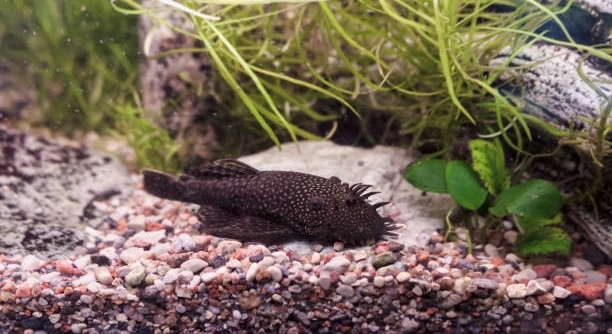
Have you ever tried breeding plecos but found it difficult to get them to spawn successfully in your aquarium?
The best way to encourage plecos to breed is by creating a suitable breeding cave that mimics their natural environment. Providing the right size, shape, and placement of the cave helps them feel secure and ready to spawn.
From selecting the perfect materials to setting up ideal hiding spots, these simple tips will help you create a cave your plecos will love.
1. Choosing the Right Cave Material
When creating a pleco breeding cave, the material you choose makes a big difference. Clay, PVC, and ceramic are the most common options, each with its own benefits. Clay and ceramic caves are popular because they closely mimic the natural surfaces plecos encounter in the wild. These materials help regulate temperature and create a more natural environment for the fish to feel safe. PVC pipes, on the other hand, are easier to clean and last longer but might not blend as naturally into the aquarium’s setting. Selecting a material that balances appearance, practicality, and durability ensures your plecos remain comfortable and stress-free, improving their chances of breeding.
A natural-looking cave not only helps the plecos feel secure but also enhances the aesthetic of your aquarium, creating a more cohesive and appealing space for both you and your fish.
When deciding between options, consider how easy it is to clean, how well it fits your tank’s setup, and whether it will last over time. Plecos prefer dark, enclosed spaces that feel stable, so ensure the material provides those conditions. Clay is often the top choice for breeding since it retains heat evenly, while PVC suits those who prefer simple maintenance. Whatever material you choose, make sure it is aquarium-safe and free from any sharp edges or toxins that could harm your plecos.
2. Picking the Perfect Size and Shape
The size and shape of the breeding cave are essential for successful spawning. Plecos need a space that feels snug but not cramped, giving them enough room to move and protect their eggs comfortably.
A proper pleco breeding cave should be slightly longer than the male’s body, allowing him to fit fully inside while still having space to fan the eggs. The entrance should be just wide enough for him to enter easily but small enough to make the area feel private and secure. Most breeders recommend round or slightly oval caves since they resemble natural burrows. Flat or open-ended designs can make plecos feel exposed, leading them to ignore the cave altogether. Adjusting the cave’s size to match your pleco species is vital—larger species like bristlenose plecos require more spacious options, while smaller ones thrive in compact designs. A well-sized cave encourages breeding and keeps your fish calm and comfortable.
3. Ensuring Proper Cave Placement
The location of your breeding cave plays a key role in getting plecos to use it. Place the cave in a calm area of the tank with minimal water flow and low lighting. Avoid areas near filters or bright lights, as these can stress the fish.
Position the cave close to smooth surfaces or driftwood to create a natural, sheltered feeling. Plecos prefer environments that resemble riverbeds or shaded spots. The entrance should face slightly downward or sideways, helping reduce light exposure and making the cave feel safer. It also helps keep the eggs secure from strong currents. If you have multiple plecos, place several caves across the tank to prevent territorial fights. Proper spacing reduces aggression and gives each male a chance to establish his territory without stress. Taking time to position caves correctly increases comfort and encourages consistent breeding behavior.
The environment around the cave should feel secure and stable. Avoid rearranging decorations too often, as frequent changes can unsettle your plecos. Adding plants or rocks near the cave offers extra cover and helps create a calm setting. Plecos rely heavily on their surroundings to feel safe enough to breed, so a stable layout can make a big difference. Keeping the cave in a shadowed area with moderate tank lighting also enhances the sense of privacy, which often results in higher breeding success rates.
4. Maintaining Ideal Water Conditions
Water quality has a direct effect on breeding success. Plecos thrive in clean, stable water with balanced parameters. Keep the temperature between 78°F and 82°F, maintain a pH level of 6.5 to 7.5, and ensure regular water changes to prevent buildup of waste and ammonia.
Stable water conditions mimic the plecos’ natural habitat and make them feel secure enough to spawn. Frequent monitoring helps prevent sudden changes that could disrupt breeding behavior. Use a reliable heater and thermometer to maintain steady temperatures, and consider a sponge filter to keep the current gentle. Clean water not only supports healthy eggs but also encourages males to guard their nests more actively. Adding a small piece of driftwood or Indian almond leaf can help soften the water slightly, creating a more natural and soothing environment. Consistent maintenance ensures your plecos remain stress-free and comfortable throughout the breeding process.
5. Adding the Right Substrate
A soft, natural substrate like fine gravel or sand works best for pleco breeding tanks. It helps mimic their native riverbeds and keeps the environment gentle on their delicate underbellies. Avoid sharp or rough materials that may cause injury or stress.
A darker substrate also helps reduce light reflection, creating a calm setting that encourages breeding. It enhances the natural appearance of the tank and makes the fish feel more secure. Keeping the substrate clean is important—regularly remove waste and uneaten food to maintain healthy water quality.
6. Providing the Right Lighting
Lighting should be kept dim and consistent to support breeding activity. Plecos are nocturnal by nature, so harsh or overly bright lighting can make them hide more and avoid the breeding cave altogether. Soft, low-intensity lighting helps them feel comfortable and active.
7. Observing and Encouraging Breeding Behavior
Watch for males cleaning and guarding the cave entrance, as this often signals breeding readiness. Once eggs are laid, avoid disturbing the area to let the male care for them. Providing consistent care and stable conditions helps ensure the eggs develop safely into healthy fry.
FAQ
How do I know if my plecos are ready to breed?
Males typically start cleaning and guarding potential cave entrances, spending more time inside the cave than usual. They may fan the area with their fins to create proper water flow for eggs. Females become fuller in the abdomen when carrying eggs. Observing these behaviors closely indicates breeding readiness, especially if the male is consistently active around the cave while the female spends time nearby or entering the cave. Increased activity and attention to the cave, combined with healthy water conditions and proper diet, usually signal that your plecos are prepared to spawn.
Can I use any type of cave for breeding?
Not all caves are suitable. Plecos prefer dark, enclosed spaces that feel safe. Smooth surfaces without sharp edges are essential to prevent injury. Natural-looking caves made of clay, ceramic, or carefully prepared PVC pipes are ideal. The cave should fit the size of your pleco species, providing a snug environment for the male and enough space for eggs. Multiple caves in larger tanks help reduce territorial conflicts. Avoid open or flat structures that expose eggs or make the male feel vulnerable, as this can prevent breeding entirely.
How often should I check on the eggs?
Minimal disturbance is key. Check the eggs once or twice a day to monitor development without stressing the male or female. Avoid removing the male from the cave or shifting decorations, as this can cause him to abandon the nest. Observing from outside the tank is safest, looking for signs like egg color changes or fungal growth. Any adjustments to water flow, temperature, or filtration should be done gradually and quietly to maintain stability. Consistent water quality helps prevent fungal infections and keeps the eggs healthy throughout the incubation period.
What water conditions help plecos breed successfully?
Stable water parameters are crucial. Temperature should remain between 78°F and 82°F, with pH levels around 6.5 to 7.5. Ammonia, nitrite, and nitrate levels should be closely monitored. Softened water with added driftwood or Indian almond leaves can improve conditions by mimicking natural habitats. Gentle water flow helps oxygenate eggs without dislodging them. Frequent water changes, without sudden temperature shifts, maintain a safe and stable environment that supports egg development and reduces stress on breeding adults.
How long does it take for pleco eggs to hatch?
Hatching time varies by species but generally ranges from 4 to 10 days. Temperature and water quality significantly influence development speed. Warmer, stable conditions tend to accelerate hatching, while lower or fluctuating temperatures may slow it down. After hatching, fry remain under the male’s care for several days until they are strong enough to swim freely. Providing a safe, undisturbed environment ensures higher survival rates, and monitoring without direct interference helps the male successfully tend to the eggs and newly hatched fry.
Should I remove the male after the eggs hatch?
It depends on the species and your tank setup. In most cases, leaving the male with the eggs and fry is beneficial, as he guards and aerates them. However, once the fry become free-swimming, some males may become territorial. Observing behavior carefully helps decide whether removal is necessary. If aggression occurs, gently relocating the male to another section of the tank can prevent injury to the fry while maintaining overall breeding success.
Can I breed plecos in a community tank?
Yes, but it requires caution. Other fish can stress the breeding pair or eat eggs and fry. Providing plenty of hiding spots, multiple caves, and dense decorations reduces risk. Smaller, non-aggressive tankmates are best. Monitoring interactions is important to prevent disturbances, as plecos are sensitive to changes and potential threats during breeding. Creating isolated areas or separate breeding tanks can further increase success if the community tank presents too many challenges.
What should I feed plecos during breeding?
A high-quality diet encourages breeding readiness. Feeding protein-rich foods like bloodworms, shrimp, or specialized pleco pellets supports health and egg development. Fresh vegetables such as zucchini or cucumber supplement their diet and improve vitality. Feeding small portions multiple times a day ensures the breeding pair receives adequate nutrition without polluting the tank. Balanced nutrition strengthens the male’s ability to guard eggs and helps the female produce healthy, viable eggs, improving overall spawning success.
How do I prevent fungal growth on the eggs?
Maintaining clean, stable water is key. Gentle water flow keeps eggs oxygenated, reducing fungal risks. Some breeders add antifungal solutions designed for aquarium use or lightly sprinkle Indian almond leaves, which release natural compounds to protect eggs. Removing decaying eggs promptly prevents contamination of healthy ones. Keeping the tank environment calm, avoiding sudden water changes, and ensuring proper filtration minimizes stress and maintains conditions that naturally limit fungal growth, allowing the eggs to develop safely.
How can I tell when fry are ready to eat on their own?
Fry start swimming actively a few days after hatching. Once they leave the cave and explore the tank, they are ready for food. Start with finely crushed algae wafers, baby brine shrimp, or powdered fry food. Feeding multiple small portions ensures all fry get nutrition. Observing feeding behavior helps gauge health and growth rates, allowing you to adjust portions and food type as they develop. Ensuring proper nutrition from the start supports strong, healthy fry capable of thriving in your aquarium.
This FAQ section addresses the most common concerns and provides practical advice to support pleco breeding, ensuring better success and healthier offspring.
Word count: 518
Final Thoughts
Creating a breeding cave for plecos may seem complicated at first, but it becomes manageable when broken down into simple steps. Each aspect of the cave, from material and size to placement and water conditions, contributes to the comfort and security of your fish. Plecos are naturally cautious, and they need an environment that feels safe for them to breed. By carefully selecting materials like clay, ceramic, or safe PVC, you provide a stable space that is easy to clean and maintain. The right cave size ensures the male has enough room to protect eggs while keeping the area snug enough to feel secure. Paying attention to these details makes a significant difference in breeding success and helps reduce stress on the fish.
Water quality and tank conditions are equally important in supporting pleco breeding. Maintaining a stable temperature between 78°F and 82°F, along with a pH level around 6.5 to 7.5, mimics their natural environment and encourages spawning behavior. Gentle filtration and moderate water flow keep the tank oxygenated without disturbing the eggs or fry. Substrate choice, such as fine gravel or sand, creates a comfortable base for the cave and enhances the natural feel of the habitat. Lighting should remain soft and consistent, as plecos are more active during dim conditions. These environmental factors work together to create a safe, calm space that allows plecos to focus on breeding without unnecessary stress. Regular observation, careful feeding, and minimal disturbance further improve the chances of successful spawning and healthy fry.
Breeding plecos can be rewarding when proper preparation is combined with patient care. Observing natural behaviors like cave cleaning, guarding, and egg fanning helps you understand the needs of your fish and adjust the setup if necessary. Providing a well-chosen cave, maintaining stable water parameters, and monitoring interactions between the breeding pair support both the health of the adults and the survival of the fry. While challenges such as territorial disputes, fungal growth, or unexpected tank changes can occur, consistent attention and careful adjustments make these issues manageable. With thoughtful planning and care, creating a pleco breeding cave can be a successful and satisfying experience, giving you the opportunity to witness healthy eggs develop into thriving fry in a secure and well-maintained aquarium.
Word count: 412

Hello,
If you enjoy the content that we create, please consider saying a "Thank You!" by leaving a tip.
Every little bit helps us continue crafting quality advice that supports the health, happiness, and well-being of pets around the world, for pets of all shapes, sizes, and species.
We really appreciate the kindness and support that you show us!