
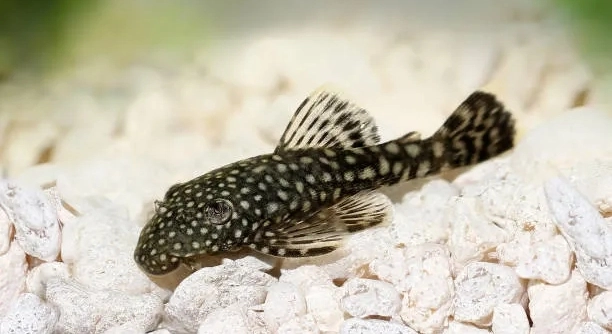
Do your plecos seem less active than usual, or do you want to ensure they stay vibrant and healthy in your aquarium? Feeding them the right foods can make a noticeable difference in their well-being and energy levels.
Providing plecos with nutrient-rich foods is essential for maintaining optimal health, promoting growth, and supporting immune function. A diet that includes vegetables, algae, and protein sources ensures their digestive system functions properly and strengthens overall vitality.
Knowing which foods truly benefit plecos can transform their health and energy. We will outline seven key foods that give your plecos a real boost.
Algae Wafers
Algae wafers are a staple for plecos, providing essential nutrients that support their digestive system and overall health. These wafers contain plant-based proteins and vitamins that are easy for plecos to digest. Feeding them regularly helps maintain a balanced diet, especially for plecos in tanks without natural algae growth. They also support growth and energy levels, keeping your plecos active and strong. While wafers are convenient, it is important to vary their diet with fresh vegetables and occasional protein sources. Overreliance on wafers alone can lead to nutritional gaps, so combining them with other foods ensures your plecos get the full range of nutrients they need. Observing your plecos while they feed can also help monitor their health and appetite. Offering algae wafers daily or every other day is often sufficient for most species.
Algae wafers promote steady growth and maintain digestive health in plecos. They are easy to feed and provide consistent nutrition.
Including algae wafers in your plecos’ diet ensures they stay active. Rotating with vegetables like zucchini or cucumber enhances nutritional variety, preventing deficiencies and supporting vitality.
Zucchini
Zucchini is a soft, water-rich vegetable that plecos enjoy nibbling on. It provides fiber, vitamins, and minerals essential for digestion and energy. Cutting it into thin slices allows plecos to feed easily, reducing waste. Blanching zucchini before feeding can soften it further and make it more appealing. Plecos often graze on zucchini slowly, so offering small portions multiple times a week works best. Rotating zucchini with other vegetables prevents boredom and ensures they receive a balanced diet. Using fresh, pesticide-free zucchini is ideal, as chemicals can harm aquatic life. Observing how quickly plecos consume zucchini helps determine portion size, preventing leftover food from polluting the tank. Even though it’s low in calories, zucchini contributes to overall health and hydration. Regularly providing zucchini encourages natural feeding behavior and supports digestive efficiency.
Zucchini supports digestion and hydration. Its fiber content aids gut health, while water-rich composition keeps plecos hydrated.
Blanching zucchini slightly enhances palatability and allows plecos to nibble comfortably. Feeding a variety of vegetables alongside zucchini ensures nutritional balance. Rotate with cucumbers, spinach, or kale to maximize benefits, while monitoring consumption to maintain water quality.
Cucumber
Cucumber is a hydrating vegetable that plecos enjoy nibbling on. Its soft texture and mild taste make it easy to digest, providing essential vitamins and fiber for healthy digestion and energy.
Cut cucumber into thin slices or small chunks to make feeding easier. Plecos often graze slowly, so leaving the slices in the tank for a few hours works best. Blanching is optional but can soften the cucumber and enhance palatability. Feeding cucumber several times a week helps maintain digestive health while offering hydration, especially in warm aquariums. Rotating cucumber with zucchini or spinach ensures variety, keeping your plecos engaged and preventing nutrient gaps. Remove uneaten pieces to avoid water contamination. Regular feeding of cucumber can encourage natural grazing habits and support gut function while providing a light, refreshing treat that plecos appreciate.
Cucumber can be paired with other vegetables or algae wafers. This combination ensures plecos receive a balanced diet while maintaining hydration and healthy digestion throughout the week.
Spinach
Spinach is a nutrient-rich leafy green that offers plecos essential vitamins, minerals, and fiber. Its high iron content supports overall health, while the fiber aids digestion and prevents constipation. Feeding spinach regularly ensures your plecos maintain steady growth and energy levels.
Before feeding, rinse spinach thoroughly to remove any chemicals or dirt. Lightly blanching the leaves can soften them, making it easier for plecos to consume. Tear the leaves into manageable pieces and place them in the tank where plecos can access them. Spinach can be offered several times per week as part of a varied vegetable rotation. Combining spinach with zucchini or cucumber ensures a mix of vitamins and nutrients, reducing the risk of deficiencies. Observing how plecos eat spinach helps adjust portion size and prevents leftover food from polluting the water.
Providing spinach alongside algae wafers and other vegetables strengthens plecos’ immunity, supports digestion, and encourages natural grazing behavior. Regularly rotating greens ensures a balanced diet, keeping your plecos healthy and active.
Peas
Peas are a great source of fiber and plant-based protein for plecos. They help prevent constipation and support digestive health.
To prepare peas, remove the outer skin and lightly boil or blanch them. Offer small portions to avoid overfeeding and maintain water quality.
Sweet Potato
Sweet potato is rich in vitamins A and C, promoting strong immunity and healthy growth. Its soft texture makes it easy for plecos to consume and digest. Regular feeding of sweet potato provides essential nutrients that support energy levels and overall vitality, complementing their usual diet of vegetables and algae.
Lettuce
Lettuce is a low-calorie, water-rich vegetable that aids hydration and digestion. Plecos enjoy nibbling on small pieces, making it a simple addition to their diet.
FAQ
What vegetables are safest for plecos to eat?
Plecos do best with soft, water-rich vegetables such as zucchini, cucumber, spinach, and lettuce. These are easy to digest, provide essential vitamins and minerals, and support their digestive system. Offering a variety of vegetables ensures balanced nutrition and prevents boredom with their diet.
How often should I feed plecos vegetables?
Feeding vegetables two to four times per week is usually sufficient. Combine these feedings with algae wafers or occasional protein sources to maintain a well-rounded diet. Overfeeding can lead to leftover food polluting the tank, so monitor portions carefully.
Can plecos eat fruit?
Plecos can eat some fruits in small amounts, but they should not make up a major part of the diet. Fruits like melon or cucumber can be offered occasionally. Avoid sugary or acidic fruits that could upset digestion or water quality.
Do plecos need protein?
Yes, protein is important, especially for larger or growing plecos. Algae wafers often contain plant-based proteins, but small amounts of shrimp, bloodworms, or other protein-rich foods can be given occasionally. Protein helps with growth, energy, and overall health.
Should vegetables be cooked before feeding?
Blanching vegetables like zucchini, spinach, or peas can make them softer and easier for plecos to consume. However, raw vegetables are also fine if they are soft enough. Always remove uneaten pieces to prevent water contamination.
How do I know if my pleco is eating enough?
Observe feeding behavior closely. Plecos should graze steadily and appear active after feeding. If they ignore food, it may indicate illness, poor water quality, or unsuitable food texture. Adjust portion sizes or try different vegetables to see what they prefer.
Can plecos eat algae only?
Algae is a natural part of their diet, but relying solely on it may not provide enough vitamins and fiber. Combining algae with vegetables and occasional protein ensures plecos get complete nutrition for growth and health.
What is the best way to introduce new foods?
Introduce one new food at a time to monitor acceptance and digestion. Start with small portions and gradually increase if plecos eat it consistently. Mixing with familiar foods can encourage them to try new vegetables or protein sources.
Are frozen vegetables okay?
Yes, frozen vegetables like spinach or peas can be used. Thaw and rinse them before feeding to remove excess water and prevent rapid spoilage. Frozen vegetables retain nutrients and are often more convenient than fresh produce.
How do I prevent overfeeding?
Offer small amounts that plecos can finish within a few hours. Remove leftovers promptly to prevent decay and water quality issues. Track how much your plecos consume over a week to adjust portion sizes accurately.
Can all pleco species eat the same foods?
Most common pleco species share similar dietary needs, but some specialized species may require specific foods. Research the specific type of pleco you have to ensure its diet meets nutritional requirements and promotes long-term health.
Is it necessary to supplement with vitamins?
If plecos receive a varied diet of vegetables, algae, and occasional protein, vitamin supplementation is usually unnecessary. Only consider supplements if there are known deficiencies or if the diet is limited. Over-supplementing can cause health problems.
What are signs of a healthy pleco diet?
Healthy plecos are active, have smooth skin and fins, show regular grazing behavior, and produce consistent, firm waste. A balanced diet with vegetables, algae, and protein supports these indicators of good health.
Can plecos survive on just store-bought wafers?
While algae wafers provide basic nutrition, relying solely on them can lead to nutrient gaps. Combining wafers with fresh vegetables ensures better digestive health, growth, and immunity for your plecos.
How do I clean vegetables before feeding?
Rinse all vegetables thoroughly under running water to remove dirt, chemicals, and pesticides. Blanching or lightly boiling can further remove residues and soften the food. Always cut into bite-sized pieces suitable for plecos to feed easily.
Are there foods to avoid?
Avoid processed human foods, sugary fruits, or starchy vegetables like potatoes in large quantities. These can upset digestion, pollute the tank, and negatively impact health. Stick to leafy greens, soft vegetables, and occasional protein sources for safety and nutrition.
Can plecos eat lettuce daily?
Lettuce can be offered regularly but should be part of a varied diet. Its low nutrient content makes it less beneficial alone, so rotate with zucchini, spinach, cucumber, and other vegetables for proper balance.
How long can plecos go without vegetables?
Plecos can survive short periods without vegetables if they consume algae or wafers, but extended deprivation can cause health issues. Providing regular vegetables maintains digestive function and overall well-being.
What is the best way to feed multiple plecos?
Distribute food in different areas of the tank to prevent competition. Monitor each pleco to ensure all individuals are eating. Combining vegetables with algae wafers allows a balanced diet for groups while minimizing food fights or stress.
How does diet affect pleco lifespan?
A balanced diet with vegetables, algae, and occasional protein promotes longevity by supporting growth, immunity, and organ function. Poor nutrition can lead to disease, stunted growth, and reduced lifespan, highlighting the importance of thoughtful feeding practices.
Can plecos overeat vegetables?
Yes, overfeeding vegetables can lead to water pollution and digestive problems. Offer moderate portions, monitor consumption, and remove uneaten food promptly. Maintaining balance ensures plecos benefit from nutrition without negative tank effects.
How can I encourage picky plecos to eat vegetables?
Try lightly blanching or softening vegetables, mixing with preferred foods like algae wafers, or cutting into smaller pieces. Gradually introducing new items while keeping portions small often helps plecos accept a wider variety of foods.
Do baby plecos need the same foods as adults?
Juvenile plecos require more protein for growth, but vegetables should still be offered to develop healthy digestion. Adjust portion size and texture to suit smaller mouths, ensuring nutrient intake is adequate for proper development.
Is it okay to leave vegetables in the tank overnight?
Leaving vegetables for long periods is not recommended, as they can rot and degrade water quality. Remove leftovers after a few hours and offer fresh portions as needed to maintain a clean environment.
Can plecos eat kale or other greens?
Yes, kale, spinach, and other leafy greens are excellent sources of vitamins and fiber. Offer in moderation alongside other vegetables to maintain variety and prevent overfeeding any single type.
How important is variety in a pleco’s diet?
Variety ensures plecos receive all necessary nutrients, prevents boredom, and supports digestive health. Rotating vegetables, algae wafers, and occasional protein is the best approach to maintain overall well-being and activity.
What if plecos refuse certain vegetables?
Some plecos may initially reject unfamiliar foods. Try softening, cutting into smaller pieces, or mixing with preferred items. Patience and consistency usually lead to acceptance over time.
Can frozen or blanched vegetables replace fresh ones?
Yes, frozen or lightly blanched vegetables are convenient and retain nutrients. They can be fed safely, but fresh vegetables are preferred when possible to maximize nutritional value and texture for plecos.
Are there vegetables that improve pleco color?
Vegetables rich in carotenoids, such as spinach and sweet potato, can enhance natural coloration. Regular inclusion in the diet helps maintain vibrant tones while supporting overall health.
How do I balance protein and vegetables?
Feed primarily vegetables and algae wafers, supplementing with protein a few times per week. This balance supports digestion, growth, and energy without overloading the pleco’s system with protein, which could lead to health issues.
Can overfeeding vegetables cause algae growth?
Yes, uneaten vegetables can decompose, promoting algae growth and reducing water quality. Monitor portions carefully and remove leftovers promptly to prevent tank imbalance.
What is the best feeding schedule for plecos?
Feed small portions of vegetables and wafers daily or every other day. Rotate types of vegetables, monitor consumption, and adjust amounts according to tank size and number of plecos to maintain consistent nutrition and tank cleanliness.
How long should I leave vegetables in the tank?
Leave food long enough for plecos to consume it, usually a few hours. Remove uneaten portions promptly to maintain water quality and prevent bacterial growth that could harm the fish.
Do plecos prefer raw or blanched vegetables?
Preferences vary, but many plecos enjoy softened, blanched vegetables, which are easier to eat and digest. Observing feeding behavior helps determine which form they prefer. Raw vegetables are also acceptable if soft enough.
Can I use supplements with vegetables?
Supplements are only needed if the diet is limited or deficiencies are observed. A varied diet of vegetables, algae wafers, and occasional protein usually provides complete nutrition. Over-supplementing can be harmful.
How do I store vegetables for plecos?
Store fresh vegetables in the refrigerator and wash before feeding. Frozen vegetables should be thawed and rinsed. Proper storage preserves nutrients, prevents contamination, and ensures safe feeding.
Is it okay to feed frozen peas directly?
Thaw frozen peas and remove skins for easier consumption. Raw frozen peas can be too hard for plecos to eat efficiently. Proper preparation ensures safety and digestibility.
Can plecos eat cooked vegetables?
Lightly cooked or blanched vegetables are fine and may improve texture and taste. Avoid adding seasonings or oils, as these are harmful to plecos. Stick to plain, soft vegetables for feeding.
How do I monitor my pleco’s health through diet?
Observe activity, grazing behavior, body condition, and waste. Healthy plecos are active, consume food steadily, and produce firm, consistent waste. Changes may indicate dietary or water quality issues that need attention.
Can diet influence breeding success?
A nutrient-rich, balanced diet supports overall health, which can improve breeding readiness and success. Vegetables, protein, and algae provide the energy and nutrients needed for reproductive activity.
Are there vegetables to avoid completely?
Avoid starchy or processed vegetables, as well as anything with chemicals or pesticides. Stick to safe leafy greens and soft vegetables to maintain health and tank quality.
Can plecos eat carrots?
Carrots can be offered occasionally, but their harder texture may require blanching. They provide vitamins but should be part of a varied diet rather than a main food source.
How important is fiber in a pleco’s diet?
Fiber supports digestion and prevents constipation. Vegetables like peas, zucchini, and spinach provide essential fiber while promoting natural grazing habits and digestive efficiency.
Do plecos need vegetables year-round?
Yes, vegetables should be a regular part of their diet. They provide essential nutrients, fiber, and hydration regardless of season, supporting consistent health and activity.
What is the ideal portion size?
Small amounts that can be consumed in a few hours work best. Adjust portions based on species, size, and number of plecos to prevent leftovers and maintain water quality.
Can overfeeding vegetables harm water quality?
Yes, uneaten vegetables decompose, releasing waste and promoting bacterial growth. Always remove leftovers and feed measured amounts to protect water quality and pleco health.
How do I combine different vegetables?
Offer small amounts of two or three types at a time. This provides variety and balanced nutrients while allowing plecos to choose their preferred foods, encouraging natural grazing behavior.
Can plecos eat cucumber skins?
Peel cucumbers if the skin is tough or waxed. Soft skins are generally safe, but removing tough skins makes feeding easier and reduces digestive strain.
How do I know if plecos like a new vegetable?
Observe feeding behavior and how quickly they consume it. Acceptance usually indicates preference, while avoidance may suggest texture, taste, or preparation needs adjustment.
Can plecos eat cabbage?
Yes, cabbage is safe when offered in moderation. Light blanching improves softness, and it can be rotated with other greens for balanced nutrition.
Do plecos need daily feeding?
Plecos do not always need daily feeding if algae or leftover food is available. Regular, consistent feedings of vegetables and wafers help maintain health, growth, and digestive function.
How do I prevent picky eating habits?
Introduce foods gradually, rotate options, and combine preferred items with new vegetables. Consistency and patience encourage acceptance of a balanced diet.
Can diet affect pleco behavior?
Yes, poor nutrition can lead to lethargy, reduced grazing, or aggression. Balanced feeding with vegetables, algae, and protein promotes activity, vitality, and natural behaviors.
Are there quick snacks for plecos?
Small amounts of cucumber, zucchini, or blanched peas can serve as quick, nutritious snacks between regular feedings. Monitor consumption to avoid overfeeding.
What’s the best way to transition a pleco to new vegetables?
Start with small portions mixed with familiar foods. Gradually increase the new vegetable while reducing old ones until the pleco accepts the change without stress.
Can plecos eat pumpkin?
Pumpkin is safe when cooked or blanched. It provides fiber and nutrients but should be fed in moderation alongside other vegetables for a balanced diet.
How do I prevent over-reliance on one vegetable?
Rotate a variety of vegetables and mix with algae wafers. Observing preferences helps balance diet while ensuring all nutrients are provided.
Can plecos eat frozen spinach?
Yes, thaw and rinse frozen spinach before feeding. Blanching is optional but can soften leaves and make them more appealing.
Do plecos need calcium?
Calcium supports bone and fin health. Vegetables and some algae wafers provide calcium, but for growing or breeding plecos, additional sources may be beneficial.
How do I store prepared vegetables in the tank?
Only leave vegetables long enough for consumption, usually a few hours. Remove leftovers to prevent water pollution and bacterial growth, maintaining a healthy environment.
What’s the simplest way to feed multiple plecos?
Distribute food evenly across the tank to reduce competition. Offer vegetables and wafers in different areas to ensure all plecos access enough nutrition.
Are some vegetables better for growth than others?
Yes, vegetables high in vitamins and fiber like spinach, sweet potato, and peas support growth. Combining them with algae wafers ensures complete nutrition for optimal development.
Can plecos eat lettuce cores?
Yes, the core is edible but tougher. Blanching or softening makes it easier for plecos to consume and digest.
Do all plecos eat vegetables the same way?
Feeding habits vary slightly by species and size. Most common plecos nibble slowly, but observation is key to ensure each fish is eating properly.
How long should I feed each vegetable type?
Offer enough for a few hours, remove leftovers, and rotate with other vegetables to provide variety and prevent waste buildup.
Can diet affect pleco color vibrancy?
Yes, nutrient-rich vegetables and algae enhance natural coloration. Regular feeding of high-carotenoid vegetables like spinach and sweet potato supports bright, healthy tones.
Is it safe to feed frozen peas directly?
Thawing and peeling frozen peas is recommended. Raw frozen peas are too hard and can strain plecos’ mouths and digestion.
How do I avoid vegetable waste in the tank?
Feed small portions, remove uneaten pieces promptly, and rotate vegetables to match consumption rates. Observing feeding habits ensures minimal waste.
Can plecos eat broccoli?
Yes, lightly blanched broccoli florets are safe. Feed in moderation and combine with other vegetables to ensure balanced nutrition.
How do I know if a vegetable is too tough?
If plecos struggle to nibble or leave it untouched, it may be too hard. Softening by blanching or cutting into smaller pieces solves this issue.
Can plecos eat lettuce stems?
Yes, stems are edible but may require blanching for softness. Combine with leaves for better texture and variety.
Are cucumbers or zucchini better for hydration?
Both are water-rich and support hydration. Alternating between them provides variety while keeping plecos hydrated and digestive systems healthy.
How do I feed baby plecos vegetables?
Cut vegetables into very small pieces and lightly blanch if needed. Introduce gradually alongside algae wafers to ensure proper nutrition without overwhelming their small mouths.
Do plecos eat frozen vegetables as readily as fresh?
Thawed frozen vegetables are usually accepted, especially if softened. Fresh vegetables may be slightly more appealing due to texture and natural flavor, but both are safe.
Can diet prevent constipation in plecos?
Yes, high-fiber vegetables like peas, zucchini, and spinach support regular digestion and prevent constipation, maintaining gut health and overall well-being.
Is it okay to mix vegetables and algae wafers?
Yes, combining them provides balanced nutrition, encourages feeding, and helps plecos receive both plant-based protein and essential vitamins from vegetables.
Can diet affect pleco lifespan?
A balanced diet directly supports health, growth, immunity, and vitality, positively impacting longevity. Poor nutrition can shorten lifespan and reduce overall quality of life.
Are there signs of overfeeding vegetables?
Leftover food, cloudy water, and reduced activity are indicators. Feeding smaller portions and removing uneaten vegetables prevents these problems.
Can plecos eat kale daily?
Yes, in moderation alongside other vegetables. Rotating kale with spinach, cucumber, and zucchini ensures variety and complete nutrition.
How do I encourage hesitant plecos to try new vegetables?
Mix new vegetables with familiar favorites, soften them if needed, and offer small amounts consistently. Gradual exposure often leads to acceptance.
Is it safe to feed plecos iceberg lettuce?
Iceberg lettuce is low in nutrients and water-rich. It can be fed occasionally but should not replace more nutrient-dense greens like spinach or kale.
Can diet help plecos recover from illness?
Providing a balanced, nutrient-rich diet supports immunity and recovery, though medical attention may be necessary for serious conditions. Vegetables, algae wafers, and protein aid healing.
Do plecos need vitamins from supplements?
If diet is varied with vegetables, algae, and protein, supplements are usually unnecessary. Only consider supplements if deficiencies are suspected.
Are carrots safe for plecos?
Yes, carrots are safe if softened. Offer in moderation as part of a varied diet for proper nutrition.
How do I maintain water quality when feeding vegetables?
Feed small portions, remove leftovers promptly, and observe feeding to prevent decay and maintain clean, healthy water conditions.
Can plecos eat sweet potato skins?
Yes, if softened or blanched. Hard skins can be difficult to eat, so preparation improves palatability and digestion.
Is it okay to feed only one type of vegetable?
No, relying on a single vegetable can cause nutrient gaps. Rotate a variety of vegetables and combine with algae
Providing the right foods for plecos is essential for keeping them healthy and active in your aquarium. A balanced diet that combines vegetables, algae wafers, and occasional protein ensures they get all the nutrients they need. Vegetables like zucchini, cucumber, spinach, and peas supply fiber, vitamins, and hydration, which support digestion, growth, and overall well-being. Algae wafers add plant-based proteins and essential nutrients that help maintain energy levels. Including sweet potatoes and leafy greens like lettuce or kale further enhances their diet, offering variety and promoting vitality. Feeding a variety of foods not only meets their nutritional needs but also encourages natural grazing behaviors, helping plecos stay engaged and active. Over time, a consistent, balanced diet contributes to healthier skin, brighter colors, and stronger immune systems, which can prevent many common health issues in plecos. It is important to monitor the types and amounts of food given to ensure that plecos are eating adequately without overfeeding, as leftover food can pollute the tank and affect water quality.
Proper preparation of vegetables is also an important part of feeding plecos. Softening harder vegetables through blanching or lightly cooking them makes it easier for plecos to nibble and digest. Cutting vegetables into manageable pieces ensures they can feed without struggle. Frozen vegetables can be used as well, but they should be thawed and rinsed before offering. Observing your plecos while they feed helps determine which foods they prefer and allows you to adjust portion sizes accordingly. Small, frequent feedings are generally better than large portions left in the tank for long periods. Maintaining water quality while feeding is crucial, as uneaten vegetables can decompose and reduce oxygen levels, affecting the health of all fish in the aquarium. Paying attention to preparation, portion size, and feeding frequency ensures that plecos receive the maximum nutritional benefit from their diet.
Consistency and variety are key to a healthy pleco diet. Rotating vegetables, combining them with algae wafers, and providing protein occasionally creates a well-rounded feeding plan that supports growth, digestion, and overall vitality. Watching their behavior and appetite can indicate whether the diet is sufficient or needs adjustments. Healthy plecos are active, show steady grazing habits, and produce consistent, firm waste. Diet also plays a role in longevity, as nutrient-rich meals help prevent deficiencies and strengthen immunity. By offering a balanced variety of foods and monitoring their consumption, you can maintain an aquarium environment where plecos thrive. Thoughtful feeding practices combined with regular observation allow you to enjoy the presence of strong, healthy, and vibrant plecos for years to come, ensuring that they are energetic and content in their aquatic habitat.

Hello,
If you enjoy the content that we create, please consider saying a "Thank You!" by leaving a tip.
Every little bit helps us continue crafting quality advice that supports the health, happiness, and well-being of pets around the world, for pets of all shapes, sizes, and species.
We really appreciate the kindness and support that you show us!