
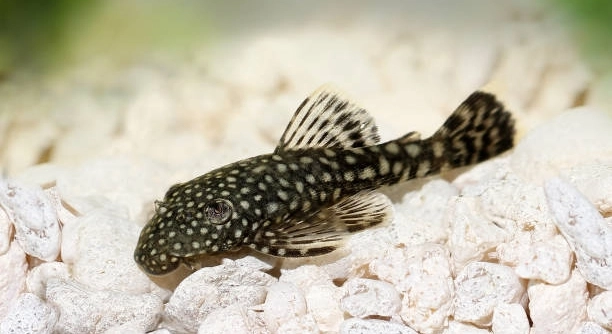
Do Bristlenose Plecos are small, peaceful catfish popular in home aquariums. They are known for their algae-eating abilities and calm nature, making them a favorite among hobbyists who enjoy observing gentle, active fish in a well-maintained tank.
Bristlenose Plecos generally prefer slow to moderate currents over strong water flow. Excessive currents can stress them, limit their natural grazing behavior, and reduce the time they spend exploring, resting, and maintaining algae on surfaces in their habitat.
Proper tank setup is essential for their comfort, and understanding their flow preferences ensures they remain healthy and active over time.
Understanding Bristlenose Plecos’ Natural Habitat
Bristlenose Plecos originate from slow-moving rivers and streams in South America. These environments have gentle currents that allow the fish to graze on algae and hide among rocks and driftwood. Strong currents are uncommon in their natural settings, which means they are not adapted to constant fast water flow. In aquariums, replicating these conditions helps reduce stress and promotes natural behaviors. Plecos tend to cling to surfaces using their suction mouths, so excessive water movement can tire them quickly and make feeding difficult. Providing plants, caves, and driftwood mimics their natural environment and gives them spaces to rest. Observing them in a tank with moderate flow reveals calmer, more confident behavior. Fish that are constantly fighting strong currents may exhibit clamped fins or spend most of their time hiding. Careful tank planning ensures they stay active without unnecessary stress, contributing to their overall health and longevity in captivity.
Maintaining moderate water flow is crucial for Bristlenose Plecos’ well-being.
A well-balanced tank setup considers water flow, hiding spots, and feeding areas. Moderate currents support their grazing, while still allowing them to rest safely. Driftwood and plants are not just decorative—they create zones where Plecos can anchor themselves and explore comfortably. Overly strong pumps or aggressive filtration can lead to exhaustion and reduce their willingness to feed. Observing their behavior is the best indicator: a healthy Pleco will move steadily, cling to surfaces without struggling, and spend time exploring both open areas and shelters. Adjusting water flow to match their natural preferences makes it easier to maintain water quality and reduces stress-related issues, ultimately supporting a thriving, peaceful aquarium environment.
Adjusting Tank Currents for Comfort
Bristlenose Plecos thrive when currents are gentle, allowing them to feed and explore at their own pace.
Flow adjustments can be made using filters, powerheads, or strategically placing decorations to break currents.
Positioning equipment and decorations can create micro-currents that suit Plecos without reducing overall filtration. Soft plants, driftwood, and rocks disrupt strong flows while providing hiding spots. Filters should not create direct blasts of water against resting areas, as this can fatigue the fish. Observing Plecos during feeding reveals whether currents are too strong—they should graze actively without clinging continuously to surfaces for stability. Additionally, spreading feeding locations encourages natural foraging behavior while avoiding zones with harsh flow. Regular maintenance ensures that water movement remains steady, not overly turbulent, and reduces the risk of debris accumulation. By designing the tank with current patterns in mind, you create an environment that mirrors the calm waters they prefer, supporting both physical health and behavioral enrichment. Adjustments may take time, but small changes can dramatically improve their activity and comfort.
Signs of Stress in Bristlenose Plecos
Excessive swimming against strong currents is a clear indicator of stress in Bristlenose Plecos. They may also hide more frequently, reduce feeding, or display clamped fins, signaling discomfort in their environment.
Stress can weaken their immune system, making them more vulnerable to illness. When currents are too strong, Plecos spend energy clinging to surfaces instead of grazing or resting. They may avoid open areas and stay in sheltered corners for extended periods. Over time, this can lead to reduced growth, poor coloration, and behavioral changes. Recognizing these signs early allows adjustments to water flow, ensuring the fish remain healthy and active. Proper observation and timely intervention prevent long-term health issues and maintain a calm, balanced aquarium.
Monitoring behavior is essential. Healthy Plecos will move naturally, explore surfaces, and feed without struggling. Regular checks help maintain optimal tank conditions.
Ideal Tank Setup for Bristlenose Plecos
Providing driftwood, caves, and soft plants reduces the impact of water flow on Plecos. Shelters break strong currents and create secure zones for resting, feeding, and grazing. Proper placement ensures all areas of the tank have varied flow patterns.
Tank filtration should maintain clean water without generating direct blasts of strong current. Adjustable filters or baffles help control flow, creating gentle circulation suitable for Plecos. Adding rocks and plants creates micro-environments where water moves slowly, allowing the fish to anchor easily. Spacing decorations thoughtfully supports natural grazing and exploration while minimizing fatigue. Observing Plecos interacting with these structures indicates whether the setup meets their needs. Consistent monitoring ensures both comfort and health, maintaining an active, stress-free aquatic habitat.
Adjusting Filter Flow
Filters with strong output can create uncomfortable currents for Bristlenose Plecos. Using a sponge or baffle can help soften the flow, allowing them to move freely without stress.
Positioning the filter outlet toward a corner or against a surface reduces direct water pressure. This creates calmer zones where Plecos can rest and graze safely.
Feeding and Current Considerations
Plecos may struggle to reach food if currents are too strong. Placing sinking wafers or algae tablets near sheltered areas ensures they can feed comfortably. Consistent feeding routines in low-flow zones encourage natural grazing behaviors. Monitoring their response to feeding helps adjust placement and flow for optimal nutrition.
Using Decorations to Control Flow
Driftwood, plants, and rocks not only provide hiding spaces but also naturally break currents. These decorations create calm pockets for Plecos to rest and explore safely, reducing fatigue and stress caused by strong water movement.
Observing Long-Term Behavior
Regular observation of swimming patterns and grazing habits helps identify if water flow remains suitable. Adjustments can be made gradually to maintain their comfort and activity levels.
FAQ
Do Bristlenose Plecos need strong currents to stay healthy?
No, Bristlenose Plecos thrive in slow to moderate currents that resemble their natural habitat. Strong currents can exhaust them, reduce grazing activity, and increase stress levels. Gentle water movement allows them to explore, cling to surfaces, and feed without overexertion. Maintaining moderate flow supports both their physical health and behavioral comfort.
Can strong currents harm their fins?
Yes, constantly fighting against strong water flow can damage their delicate fins. Over time, this can lead to fraying, clamping, or even fin rot if stress weakens their immune system. Ensuring calmer areas in the tank minimizes risk and helps maintain proper fin condition.
How can I reduce water flow in my tank?
Using filter baffles, sponge covers, or adjusting the pump output helps soften water flow. Positioning decorations like driftwood or rocks near filter outlets creates calm pockets where Plecos can rest. Gradually testing flow adjustments allows the fish to acclimate without sudden stress.
Where should I place food for Bristlenose Plecos in a strong current tank?
Place sinking wafers or algae tablets in areas sheltered from direct flow, such as behind rocks, near driftwood, or along the tank bottom close to plants. Feeding in calmer zones ensures the Plecos can access food comfortably without battling strong currents.
Do Bristlenose Plecos ever swim in strong currents willingly?
Occasionally, Plecos may explore faster-moving sections of the tank, especially when curious or searching for food. However, they generally avoid constant strong flow and prefer areas where they can maintain position without overexertion. Their natural behavior favors grazing and resting in gentle currents.
Will tank decorations help with water flow issues?
Yes, plants, rocks, and driftwood act as natural flow breaks. They create micro-currents and calm zones, giving Plecos places to anchor themselves. Properly arranging these decorations balances tank aesthetics with functionality, supporting Pleco comfort and stress reduction.
How do I know if the current is too strong?
Signs include clamped fins, hiding constantly, struggling to maintain position, or avoiding feeding areas. If Plecos spend most of their time in sheltered spots or appear lethargic, the flow is likely too strong and needs adjustment. Observing them during feeding gives the clearest indication.
Can juveniles handle stronger currents better than adults?
No, younger Plecos are often more vulnerable because their fins and bodies are smaller and less muscular. Strong currents can quickly exhaust juveniles, so gentle flow is important for their growth and overall health. Adults also prefer moderate currents for comfort and natural behavior.
Is adjusting flow enough, or do I need to change tank size?
In most cases, adjusting flow is sufficient. Properly positioning decorations and modifying filter output creates suitable zones for Plecos without changing tank size. However, larger tanks may require multiple calm zones to ensure consistent low-flow areas across the aquarium.
How often should I monitor my Plecos for current-related stress?
Daily observation is ideal, particularly during feeding and active periods. Noticing changes in swimming patterns, hiding behavior, or grazing habits helps identify flow issues early. Regular monitoring allows timely adjustments to maintain a comfortable environment.
Can other tank mates affect how Plecos handle currents?
Yes, active or aggressive fish can push Plecos into higher flow areas or increase stress. Ensuring compatible, calm tank mates allows Plecos to utilize low-flow zones effectively and reduces exhaustion from unnecessary competition or displacement.
Are there any benefits to slightly stronger currents?
Moderate currents can aid oxygenation, circulation of debris, and overall water quality. Plecos may also enjoy occasional short bursts of faster water to exercise, but consistent strong currents should be avoided to prevent stress and behavioral changes.
Does water temperature interact with flow preferences?
Yes, higher temperatures can increase metabolism and activity, making strong currents more tiring for Plecos. Cooler temperatures slow movement, but extreme cold or heat adds stress. Maintaining stable, appropriate water conditions complements gentle flow to support health.
How do I balance filtration needs with Pleco comfort?
Choose adjustable filters or create baffles to direct flow away from resting zones. Using multiple outlets or positioning plants and decorations strategically ensures adequate filtration without exposing Plecos to continuous strong currents. Regular maintenance ensures the system remains effective while keeping fish comfortable.
Can I use a sponge filter to help control flow?
Sponge filters are ideal for creating gentle water movement. They provide filtration while generating minimal direct current, making them especially suitable for tanks housing Bristlenose Plecos. Pairing with driftwood or rocks enhances calm zones further, improving overall tank comfort.
How long does it take Plecos to adapt to new flow conditions?
Typically, it takes a few days to a week for Plecos to adjust to moderate changes in flow. Gradual adjustments are safer than sudden alterations, allowing the fish to explore new currents and find comfortable resting spots without added stress.
What should I do if my Plecos refuse to feed in strong currents?
Relocate food to calmer areas or adjust flow around feeding zones. Observe their behavior to ensure they can reach food without constant struggle. Consistent feeding in low-flow pockets encourages natural grazing habits and maintains nutrition while preventing stress.
Are there signs that the current is just right?
Plecos swim steadily, graze actively on surfaces, and explore resting areas without showing fatigue. They spend time in open areas as well as sheltered zones, and their fins remain healthy and relaxed. This balance indicates water flow supports both comfort and natural behaviors.
Can adjusting currents prevent health issues?
Yes, reducing strong currents lowers stress, prevents fin damage, and supports regular feeding and resting behaviors. Properly managed flow contributes to immune system health, reducing susceptibility to disease and improving long-term well-being for Bristlenose Plecos.
Should I combine flow adjustments with other tank care practices?
Absolutely. Stable temperature, proper diet, clean water, and compatible tank mates complement flow management. Together, these practices create a balanced environment that promotes natural behavior, reduces stress, and ensures overall health.
Is it necessary to monitor currents in every part of the tank?
Yes, Plecos may favor specific areas. Ensuring gentle flow throughout the aquarium helps them find safe resting and feeding zones consistently. Observing different regions ensures no areas are overly turbulent or isolated from calm pockets.
How often should I rearrange decorations to manage currents?
Rearrangement is typically needed only when observing stress or behavioral changes. Frequent changes can cause unnecessary stress. Minimal, thoughtful adjustments ensure low-flow zones remain effective while allowing the tank to stay visually appealing.
Can Plecos coexist with strong-flow fish if I manage currents?
Yes, if calm zones are maintained and feeding areas are protected, Plecos can coexist with more active species. Micro-environments created by plants and decorations allow them to avoid strong currents while other fish move freely.
Do Plecos prefer vertical or horizontal currents?
They generally favor horizontal, gentle flows that allow them to graze along surfaces. Vertical currents, especially near filter outputs, can be exhausting and disrupt normal resting and feeding patterns. Placement adjustments help create suitable horizontal flow areas.
Is it normal for Plecos to cling to surfaces constantly in strong currents?
Yes, clinging indicates they are fighting the flow. While occasional clinging is natural, constant effort shows stress. Reducing current or creating calm pockets allows them to move freely, graze effectively, and maintain energy for normal activities.
How do I test if flow adjustments are effective?
Observe swimming, feeding, and resting behavior. If Plecos graze actively, use open and sheltered areas, and show relaxed fins, the adjustments are successful. Regular observation ensures that changes continue to meet their comfort needs.
Can water changes affect flow preferences?
Yes, introducing new water can temporarily alter currents. Filling slowly and monitoring filter output during changes prevents sudden strong flow, allowing Plecos to acclimate without added stress. Stable water conditions combined with gentle flow support consistent behavior and health.
Do Plecos ever benefit from occasional stronger flow?
Short periods of increased flow can promote exercise and stimulate grazing behavior, but continuous strong currents should be avoided. The key is balance—occasional movement variation without persistent high-speed water maintains health without causing stress.
How does tank size influence current management?
Larger tanks may require multiple baffles or outlets to create consistent low-flow zones. Smaller tanks are easier to manage, but careful positioning of filters and decorations ensures Plecos have comfortable areas regardless of tank size. Consistency across the tank is important for stress-free behavior.
Are there any tools to measure flow strength?
Yes, flow meters or visual tests using lightweight objects like leaf fragments can estimate water movement. Observing how Plecos interact with these currents provides practical insight into whether adjustments are needed. Continuous observation remains the most reliable method.
Can excessive flow affect breeding behavior?
Strong currents may discourage spawning and hide eggs due to stress and energy expenditure. Calm areas with minimal flow are preferred for breeding, allowing Plecos to focus on natural reproductive behavior without disruption.
What are common mistakes when managing flow?
Directing strong currents at resting zones, neglecting micro-currents, or sudden flow changes are common errors. These can lead to stress, reduced feeding, and fin damage. Thoughtful placement of equipment and decorations ensures a balanced environment that Plecos can navigate comfortably.
Does substrate type interact with flow preferences?
Yes, sand or fine gravel allows Plecos to graze and rest without turbulence. Coarse substrates combined with strong currents can trap debris, disturb feeding, and increase stress. Choosing smooth substrates complements gentle water movement for a comfortable habitat.
Can adjusting flow help with aggressive tank mates?
Indirectly, yes. Calm zones created by decorations allow Plecos to avoid chasing or harassment. Proper flow management gives them control over their environment, reducing conflicts and promoting natural behavior even with active or territorial species present.
How often should filter output be checked?
Regular checks during maintenance ensure consistent water flow. Filters can become partially blocked, increasing flow in some areas. Monitoring output prevents sudden stress and maintains the gentle currents that Bristlenose Plecos prefer.
Do Plecos prefer strong flow at night?
No, they remain sensitive to excessive water movement at all times. Maintaining consistent gentle flow ensures rest periods are comfortable and reduces nocturnal stress, supporting overall health and behavior patterns.
Are there differences in flow preference between male and female Plecos?
Flow preference is generally similar, but males may spend more time in sheltered zones during breeding or territory defense. Both genders require low to moderate currents for normal feeding, resting, and grazing behaviors.
Can plants alone reduce flow sufficiently?
Plants help by breaking currents, but additional adjustments to filter output or baffles may be necessary. A combination of decorations and controlled equipment placement ensures consistently gentle water movement throughout the tank.
Is it necessary to inform new Pleco owners about flow preferences?
Yes, understanding flow requirements is essential to prevent stress, health issues, and behavioral changes. Educating owners supports proper tank setup, long-term health, and a more natural environment for these peaceful fish.
Do Plecos move differently in high-flow vs. low-flow areas?
In high-flow areas, they cling to surfaces or struggle against the current. In low-flow areas, they graze, explore, and rest with ease. Observing these differences is key to assessing whether tank conditions meet their comfort and health needs.
Can strong currents affect Pleco coloration?
Yes, stress from excessive water flow may dull coloration over time. Calm, well-structured tanks promote natural color expression, signaling health and reduced stress levels. Proper flow management contributes to both aesthetic and physiological well-being.
Are there signs that flow adjustments are too mild?
Flow that is too weak may lead to stagnant areas, reduced oxygenation, and accumulation of debris. Plecos may become less active or avoid certain areas. Balancing gentle circulation with calm zones ensures both water quality and fish comfort.
How important is observation compared to measuring flow?
Observation is crucial. Metrics and tools provide guidance, but behavior, grazing patterns, and resting habits reveal the most accurate indication of whether currents are suitable for Bristlenose Plecos. Regular monitoring ensures adjustments meet actual needs.
Can adjusting flow improve algae grazing efficiency?
Yes, moderate currents allow Plecos to move along surfaces comfortably while feeding. Excessive flow can prevent effective grazing, leaving algae untouched and increasing stress. Calm yet gently circulating water supports natural feeding behavior.
Should I consider Pleco temperament when adjusting flow?
Individual fish may vary slightly in tolerance, but all Bristlenose Plecos prefer low to moderate currents. Observing specific behavior helps tailor flow to individual needs, ensuring comfort and activity levels are maintained.
Do seasonal changes affect flow needs?
Temperature and activity fluctuations with seasons may slightly impact energy and swimming patterns. Maintaining consistent gentle flow throughout seasonal changes supports stability and reduces stress caused by variable environmental conditions.
Is it better to use multiple small filters or one large filter?
Multiple smaller filters allow more control over flow distribution, creating calmer areas throughout the tank. One large filter may generate strong currents in specific zones. Thoughtful placement ensures even gentle water movement suitable for Plecos.
Can high-flow areas be beneficial for other species in a Pleco tank?
Yes, other species may enjoy faster currents, but creating low-flow zones ensures Plecos are not forced into stressful areas. Balancing tank design accommodates multiple species without compromising Pleco well-being.
How do I maintain low-flow zones during water changes?
Refill slowly, redirect filter outlets, and temporarily block strong currents. Observe Plecos’ response to ensure they remain comfortable. Gradual adjustments prevent sudden stress and maintain stable resting and feeding areas.
Are there any long-term benefits to controlling water flow?
Consistent, moderate flow reduces stress, promotes natural grazing, protects fins, and supports immune health. Plecos exhibit more natural behavior, vibrant coloration, and overall well-being in a well-managed flow environment, contributing to a balanced, healthy aquarium.
What is the best combination of decorations and flow management?
Driftwood, rocks, and plants strategically placed to create micro-currents combined with adjustable filter output provides calm zones. This setup supports resting, grazing, and exploration while maintaining clean, circulating water that meets both filtration and Pleco comfort needs.
How do I handle accidental strong currents from new equipment?
Monitor Pleco behavior immediately after introducing equipment. Use baffles, reposition outlets, or add decorations to reduce direct flow. Gradual acclimation ensures fish remain stress-free while new devices operate effectively.
Can Plecos adapt to slightly stronger flow over time?
Some adaptation occurs, but consistent strong currents remain stressful. Providing gentle zones ensures they have areas to rest and feed naturally, maintaining health while accommodating occasional higher flow in other parts of the tank.
Is there a visual guide to preferred flow for Plecos?
While no universal guide exists, observing their behavior provides the clearest indicator. Active grazing, relaxed fins, and exploration in various zones demonstrate appropriate flow, which can then be replicated across similar tank setups.
Does substrate choice interact with flow adjustments?
Yes, fine sand or smooth gravel allows Plecos to graze and rest without disruption. Coarse or uneven substrates combined with high flow can increase fatigue and stress. Selecting compatible substrate complements low-flow zones for optimal comfort and activity.
How can I maintain low-flow zones with strong pumps?
Baffles, driftwood, rocks, and plants help redirect water and create gentle areas. Positioning outlets away from resting spots and using adjustable pumps ensures Plecos have access to calm zones even with powerful filtration.
Can strong currents affect Pleco sleep patterns?
Yes, constant strong flow can prevent proper resting. Calm zones are essential for natural sleep behavior, supporting energy restoration and overall health. Observing their nighttime activity helps confirm if flow adjustments are effective.
Should I combine flow observation with water quality monitoring?
Absolutely. Proper water parameters complement gentle currents. Regular checks of temperature, pH, ammonia, and nitrates ensure Plecos remain comfortable and healthy while flow adjustments support natural behavior.
Is there a risk of over-adjusting currents?
Yes, too many changes can stress Plecos. Gradual, thoughtful modifications maintain comfort, allowing them to adapt naturally while preserving low-flow zones for feeding and resting. Observation guides safe adjustments.
How does tank shape affect flow management?
Long tanks may allow smoother circulation, while tall tanks may create vertical currents that are challenging for Plecos. Strategic equipment placement and decorations ensure horizontal, gentle flow suitable for grazing and resting behavior.
Do Plecos prefer specific areas of the tank in relation to current?
They favor calm zones near decorations, plants, or driftwood. Observing their preferred areas helps in planning flow patterns, ensuring accessible grazing, feeding, and resting spots throughout the aquarium.
Can strong currents interfere with Pleco breeding behavior?
Yes, high flow discourages spawning, egg adhesion, and territorial activity. Calm, low-flow zones are critical for breeding and maintaining natural reproductive behavior without added stress.
Is there a recommended flow rate for Plecos?
While exact numbers vary, slow to moderate water movement resembling gentle streams works best. Observation of behavior, feeding, and resting patterns is more reliable than strict measurement, as individual tank setups differ.
Should I make permanent changes to tank layout for flow management?
Yes, consistent placement of decorations, baffles, and filter outlets ensures predictable calm zones. Once the setup meets Plecos’ needs, minimal adjustments reduce stress and maintain a stable, comfortable environment.
Can Plecos move between strong and gentle flow areas freely?
Yes, providing varied zones allows them to explore safely, graze, and rest. Properly structured tanks ensure Plecos can choose preferred conditions without struggling against unwanted currents.
How do I balance aeration and gentle flow?
Diffusers, air stones, and circulation devices can oxygenate water without creating harsh currents. Combining these with baffles or strategic decoration placement ensures both adequate oxygen levels and low-stress flow zones.
Does filter type influence Pleco comfort?
Yes, sponge filters, canister filters with baffles, or adjustable powerheads provide flexibility in flow control. Choosing equipment that allows gentle currents ensures Plecos can graze, rest, and explore naturally without fatigue or stress.
Can I use a flow meter for accuracy?
Flow meters give numerical estimates, but observing Pleco behavior is more practical. Grazing patterns, resting behavior, and fin condition provide the clearest indication of whether currents meet their needs.
Should I monitor Plecos during feeding for flow assessment?
Yes, feeding reveals their ability to reach food, cling to surfaces, and navigate currents. Observing this behavior helps determine whether adjustments are necessary to create comfortable zones for nutrition and grazing.
Can temperature changes affect how Plecos handle currents?
Yes, higher temperatures increase activity and energy use, making strong currents more tiring. Stable, appropriate temperatures combined with gentle flow ensure consistent comfort and reduce stress-related behavior.
Do Plecos prefer stronger currents near the surface or bottom?
They favor gentle currents along surfaces for grazing. Strong surface currents can disrupt
Bristlenose Plecos are peaceful, small catfish that thrive in calm to moderate water currents. Understanding their flow preferences is essential for maintaining a healthy aquarium environment. Strong currents can exhaust these fish, making it difficult for them to feed, rest, or explore naturally. In their native habitats, they are used to slow-moving rivers and streams, which means that replicating similar conditions in home tanks is beneficial. Providing areas of gentle flow allows Plecos to graze on algae comfortably and anchor themselves without struggling. Observing their behavior can help identify if water movement is appropriate, as active grazing, relaxed fins, and steady swimming indicate comfort, while constant clinging or hiding signals stress.
Tank setup plays a significant role in controlling currents. Decorations like driftwood, plants, and rocks are not just aesthetic but functional, creating calm zones where Plecos can rest, feed, and explore without fatigue. Filters and pumps should be adjusted to minimize direct blasts of water, and baffles or sponge covers can further reduce strong flow in critical areas. Placement of food is equally important; sinking wafers or algae tablets should be placed near low-flow zones to ensure Plecos can reach them easily. Gradually introducing flow adjustments allows fish to adapt without stress, and monitoring their reactions provides valuable feedback for further refinements. This careful management creates a balanced environment where Plecos can exhibit natural behaviors and maintain overall health.
Regular observation and thoughtful adjustments are key to long-term success. Plecos respond well to consistent, moderate water movement, and creating multiple low-flow areas within a tank accommodates their needs even in larger setups or mixed-species aquariums. Stress from strong currents can lead to fin damage, reduced feeding, and susceptibility to disease, so maintaining calm zones is a proactive approach to their well-being. Combining proper flow management with stable water parameters, compatible tank mates, and a healthy diet ensures that Bristlenose Plecos remain active, healthy, and comfortable. By paying attention to their natural preferences and responding to their behavior, you can provide an environment that supports both their physical health and their natural, peaceful behavior, making them a rewarding addition to any home aquarium.

Hello,
If you enjoy the content that we create, please consider saying a "Thank You!" by leaving a tip.
Every little bit helps us continue crafting quality advice that supports the health, happiness, and well-being of pets around the world, for pets of all shapes, sizes, and species.
We really appreciate the kindness and support that you show us!